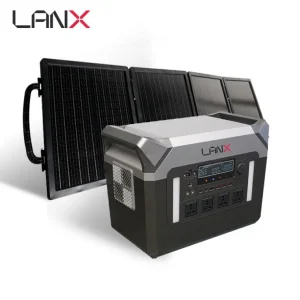
Engineered for immediate integration with local grid architectures, municipal solar projects, and commercial setups.
How France's evolving energy directives and the RE2020 building regulations mandate high-performance energy storage.
As Paris moves rapidly to achieve carbon neutrality, the French **RE2020 (Réglementation Environnementale 2020)** building standard dictates that new constructions must not only minimize operational energy usage but drastically reduce carbon footprints across their life cycles. For developers and architects in Île-de-France, integrating high-efficiency solar photovoltaic panels alongside highly reliable storage systems is no longer optional—it is a critical design requirement.
LiFePO4 (Lithium Iron Phosphate) battery chemistry stands out as the ideal technology to satisfy this requirement. LFP provides unparalleled fire safety—critical for high-density Parisian residential areas and historical heritage sites—along with long life cycles (exceeding 6,000–8,000 cycles) that reduce long-term material turnover.
The Metropolitan Paris grid faces structural challenges during winter periods. Peak electricity prices (Tarif Jaune/Vert from EDF) place immense financial pressure on commercial buildings, industrial zones, and EV charging stations.
By implementing commercial and industrial (C&I) LiFePO4 battery storage, companies can charge systems during low-demand night hours and discharge during midday peaks, optimizing localized Levelized Cost of Storage (LCOS).
Understanding the differences in LFP design to select the best option for your Parisian application.
When evaluating suppliers for your battery energy storage systems (BESS), matching the physical architecture of the battery cells to the user intent is essential. Industrial projects in Saint-Denis or Boulogne-Billancourt demand different technical characteristics than residential setups or mobile applications.
| Cell Type / Chemistry | Typical Capacity & Voltage | Ideal Application in Paris | Key Performance Metric |
|---|---|---|---|
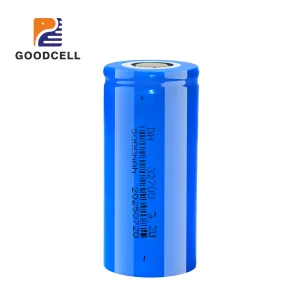
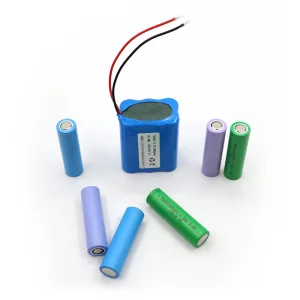
| Cylindrical LFP (e.g., 32700, 18650) | 3.2V, 5Ah - 20Ah | Streetlighting, micro-mobility, light utility power | Excellent mechanical integrity, high C-rates |
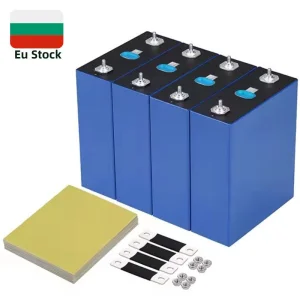
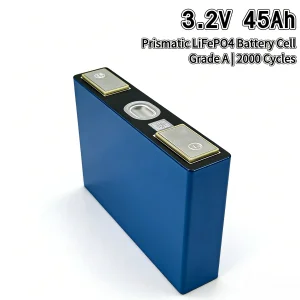
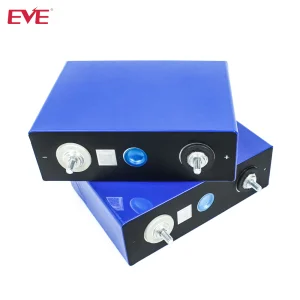
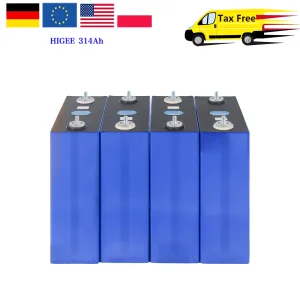
| Prismatic LFP (e.g., EVE LF280K, Gotion 314Ah) | 3.2V, 100Ah - 314Ah | Commercial Energy Storage (C&I), Home Solar Pack | High energy density, long calendar life (>10 years) |
| Semi-Solid State Cylindrical | 3.2V, 20Ah - 50Ah | Advanced outdoor municipal solar, compact EV backups | Exceptional safety profile, broad temperature range |
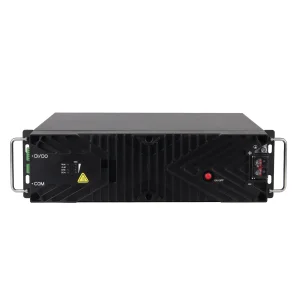
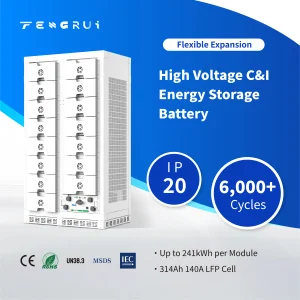
| High Voltage Rack-Mounted Systems | 51.2V up to 800V, 100kWh+ | Micro-grids, data centers, industrial peak shaving | Built-in CAN/RS485 BMS communication, hot-swappable |
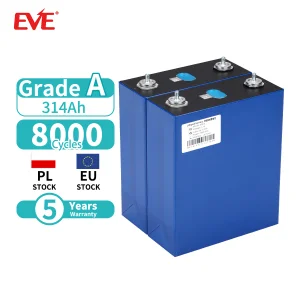
Recent innovations focus on **314Ah prismatic cells**, which are quickly superseding the traditional 280Ah standard. By optimizing internal space utilization, these cells provide a 12% increase in volumetric energy density without altering the physical footprint. This allows developers to fit larger storage systems into constrained space allocations in urban Paris basement machinery rooms.
Qingdao Luzz Solar Co., Ltd. — Your Trusted Energy Storage Manufacturing Partner
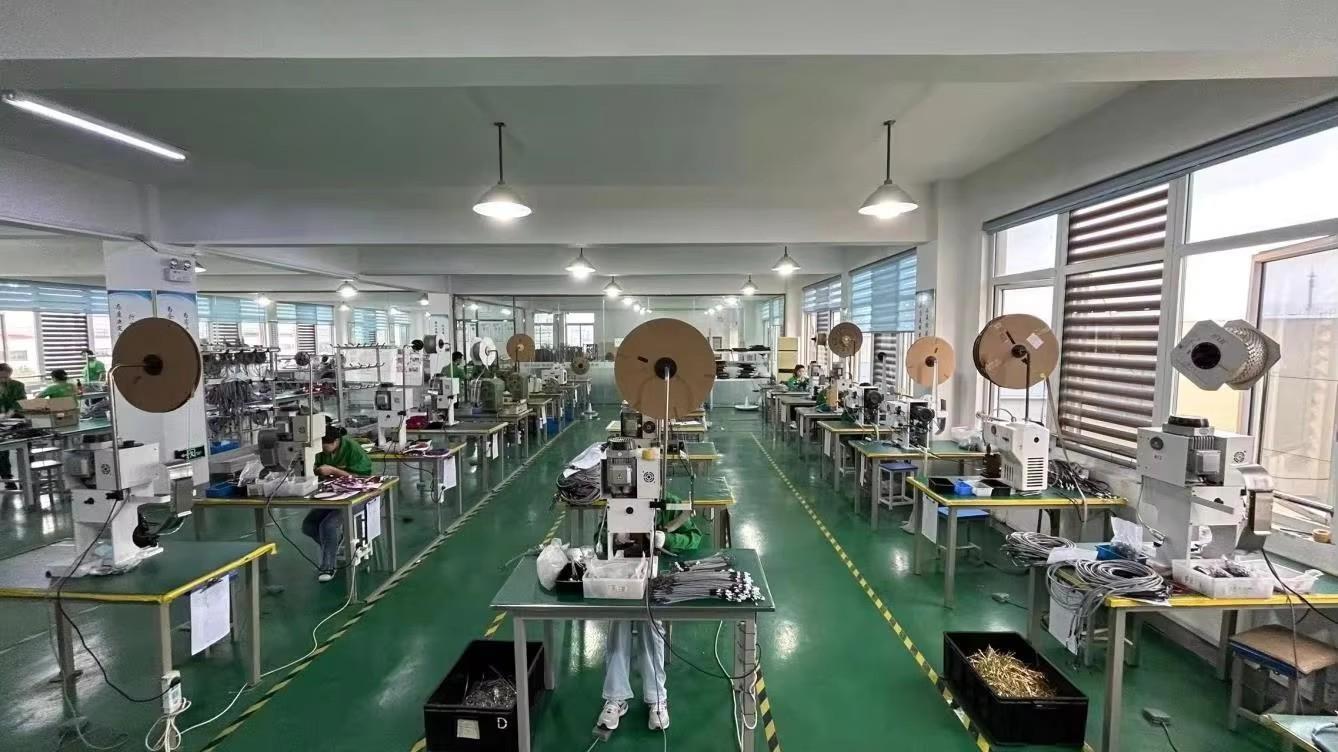
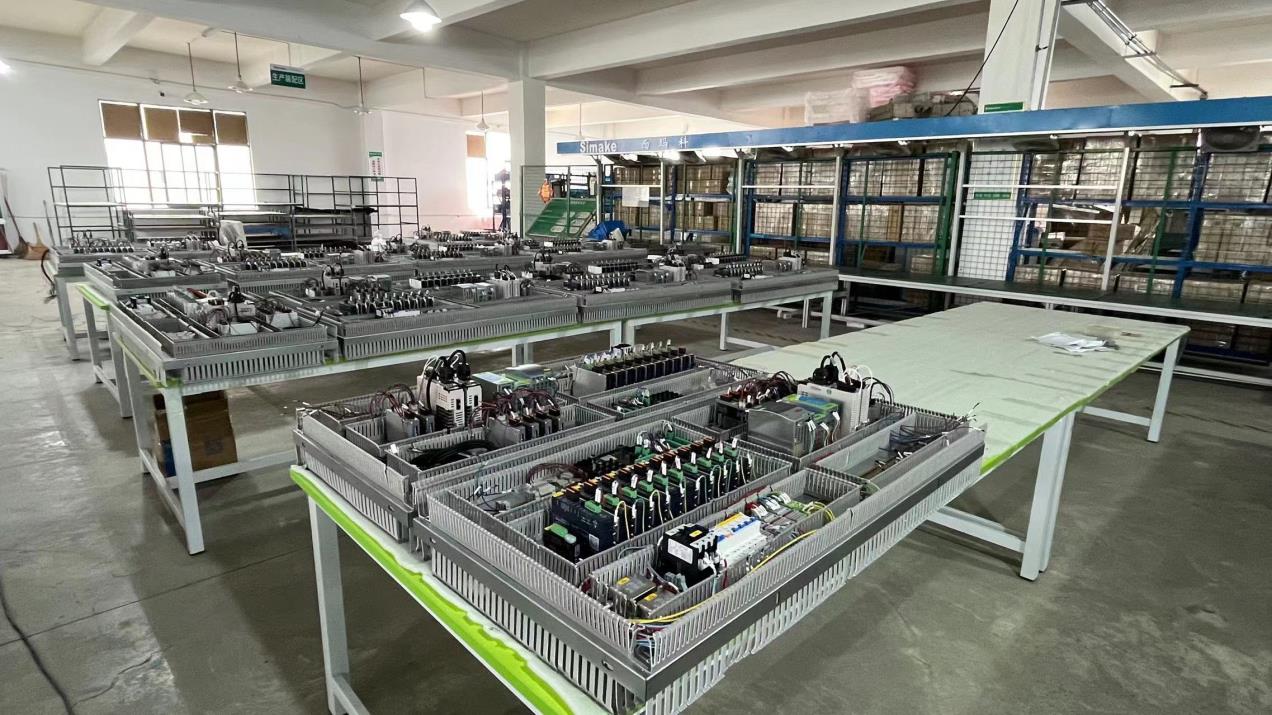
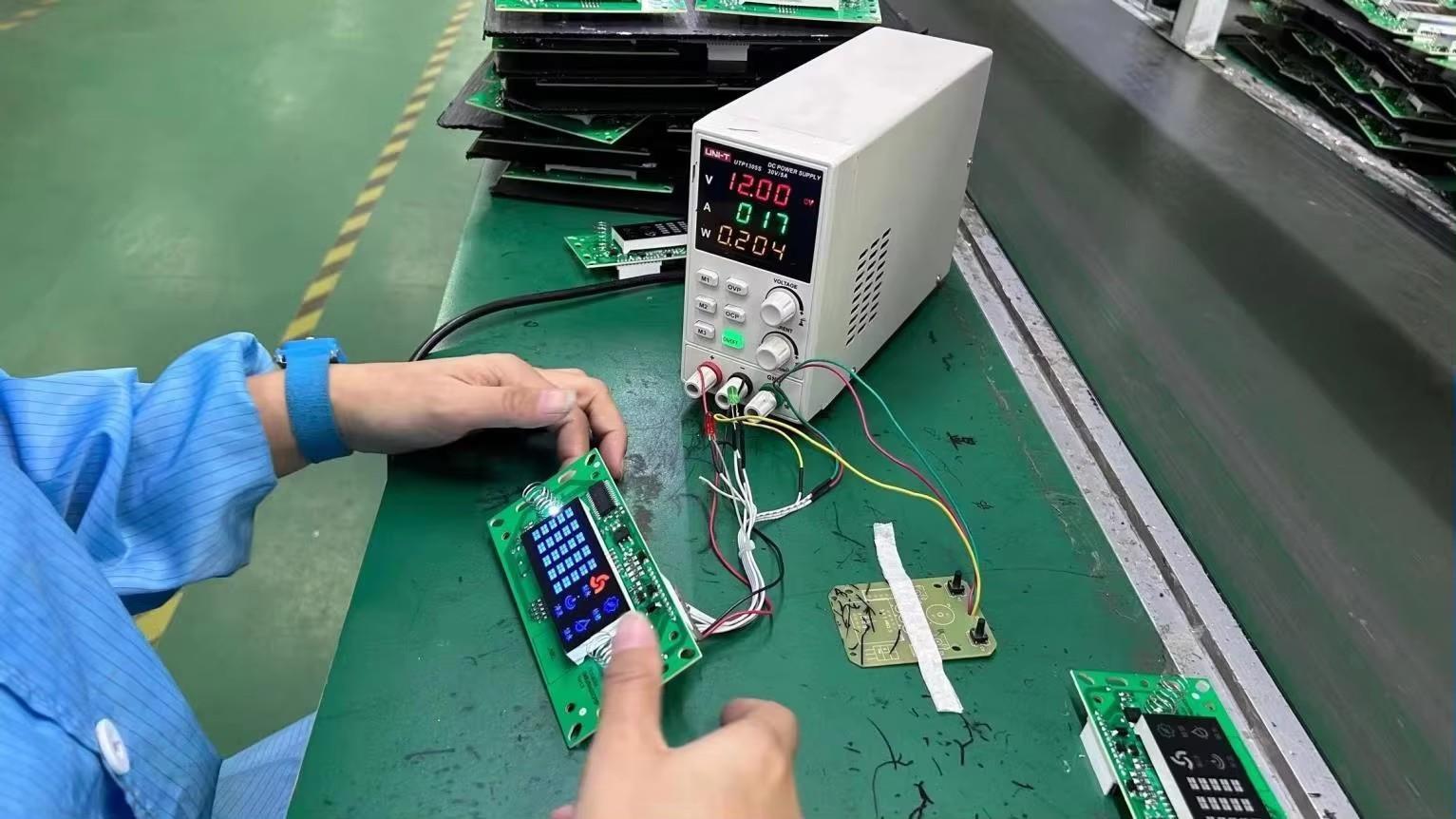
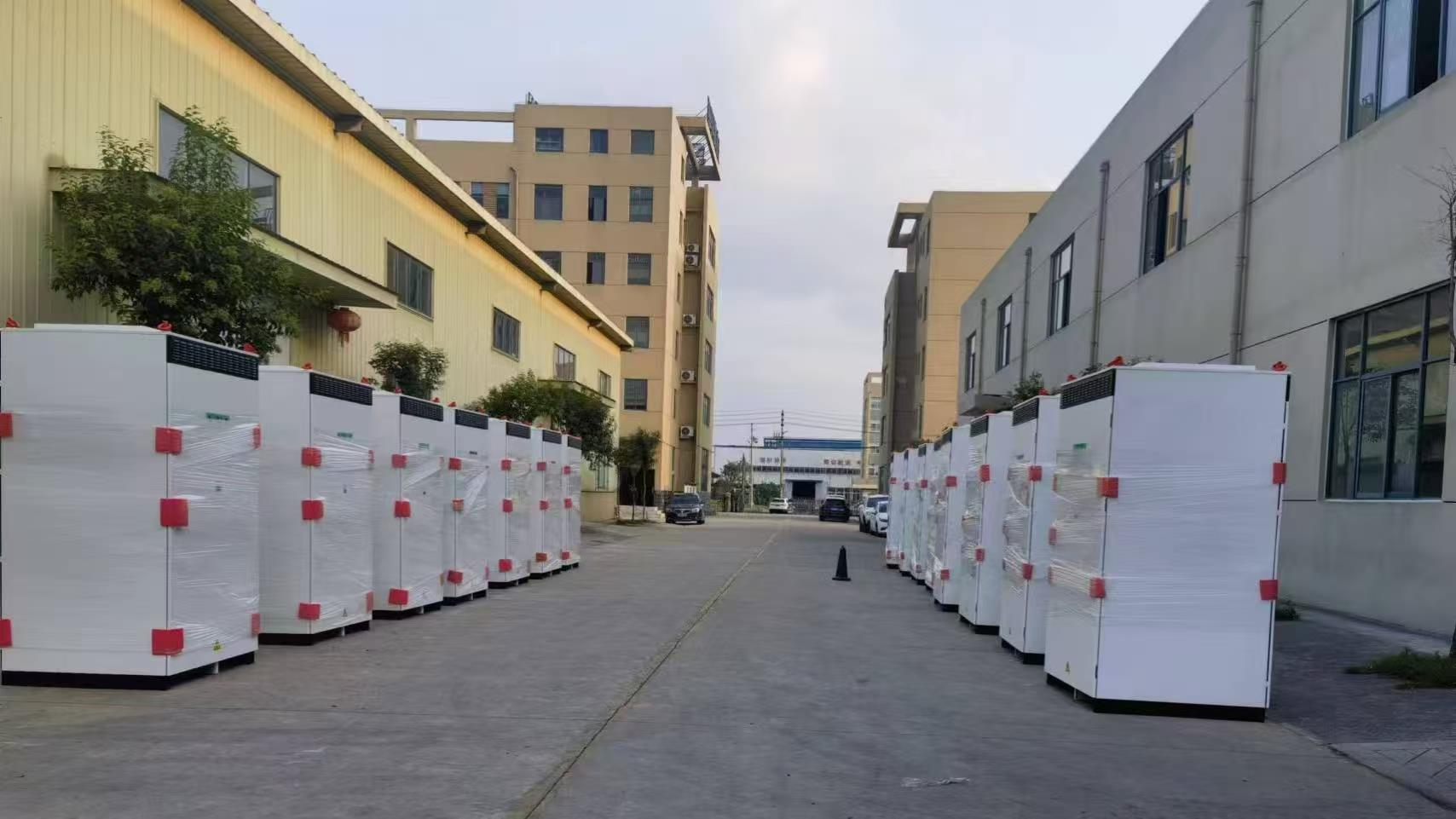
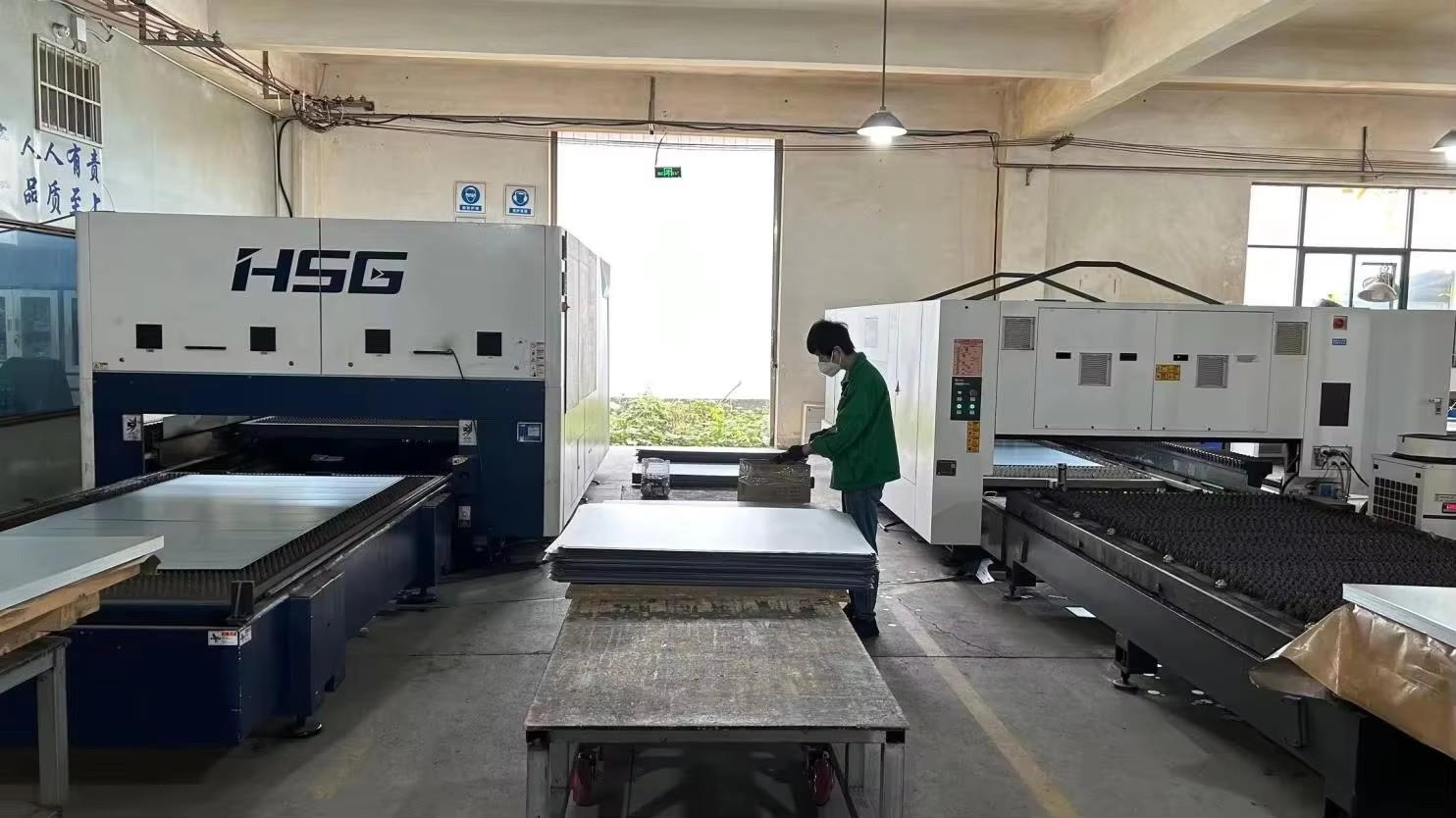
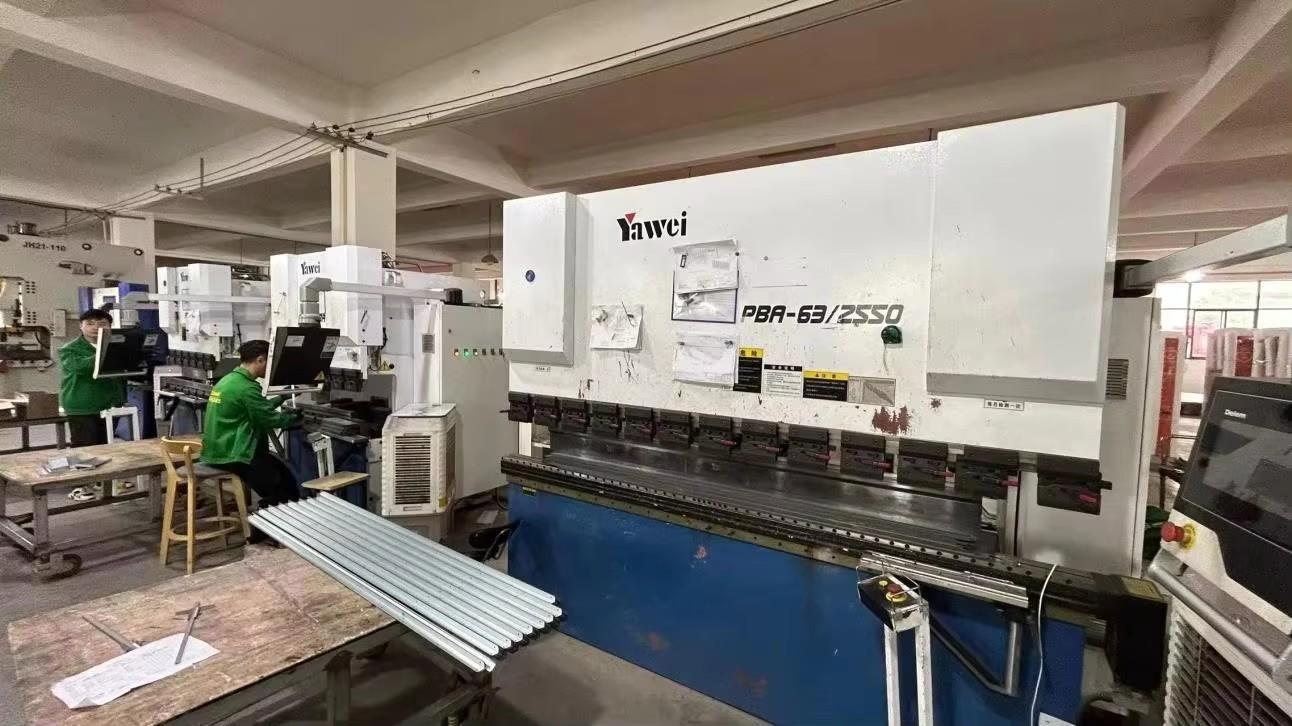
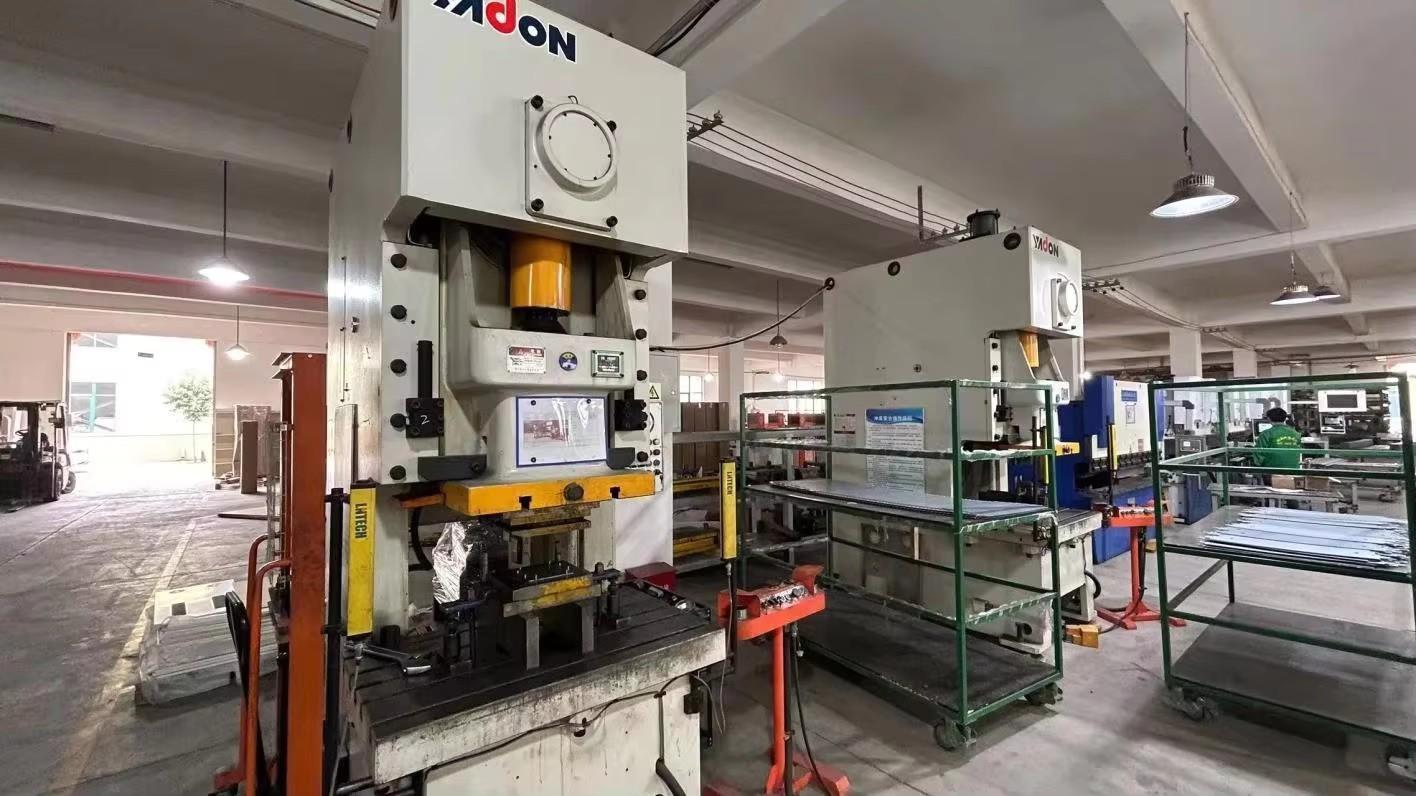
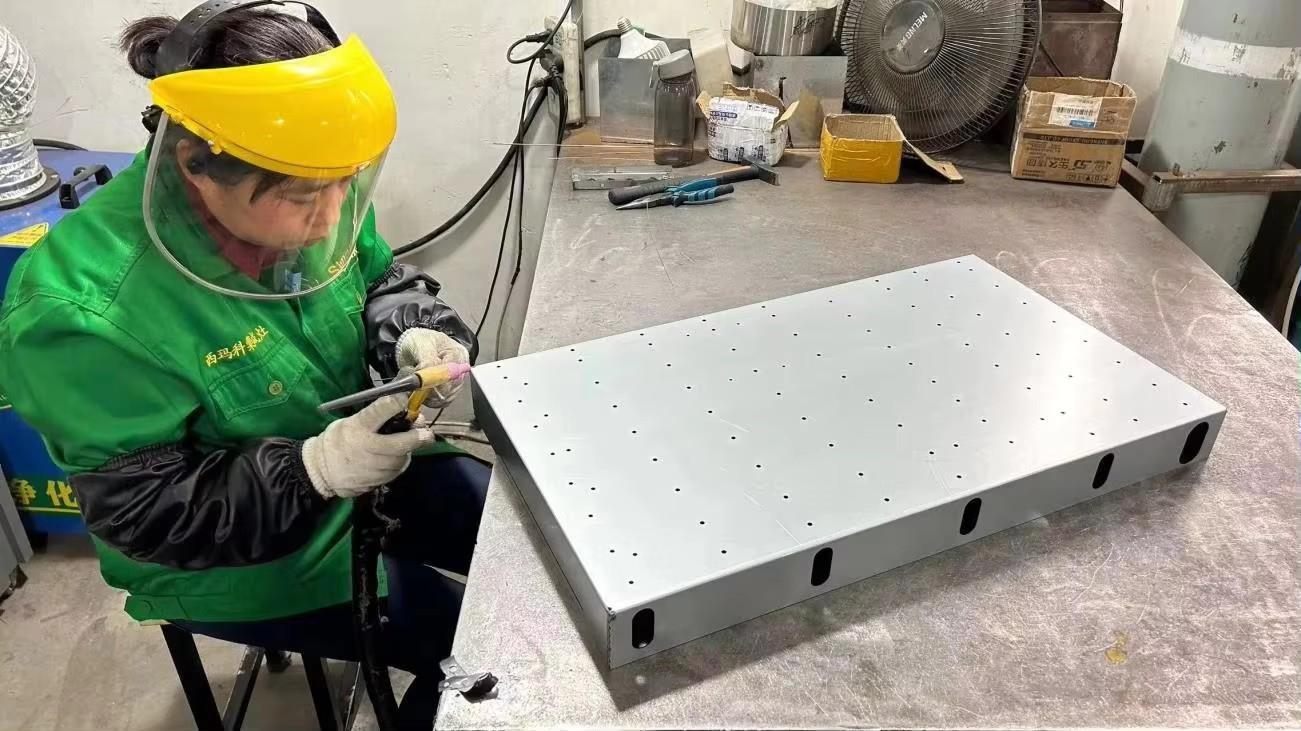
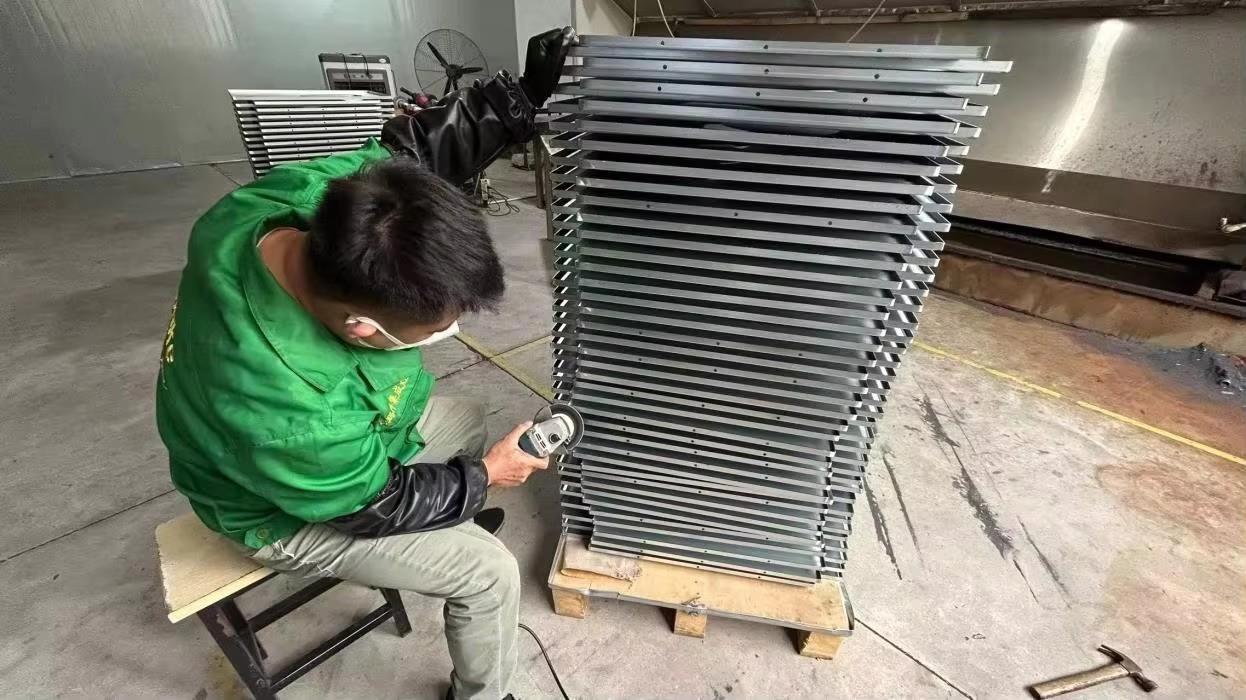
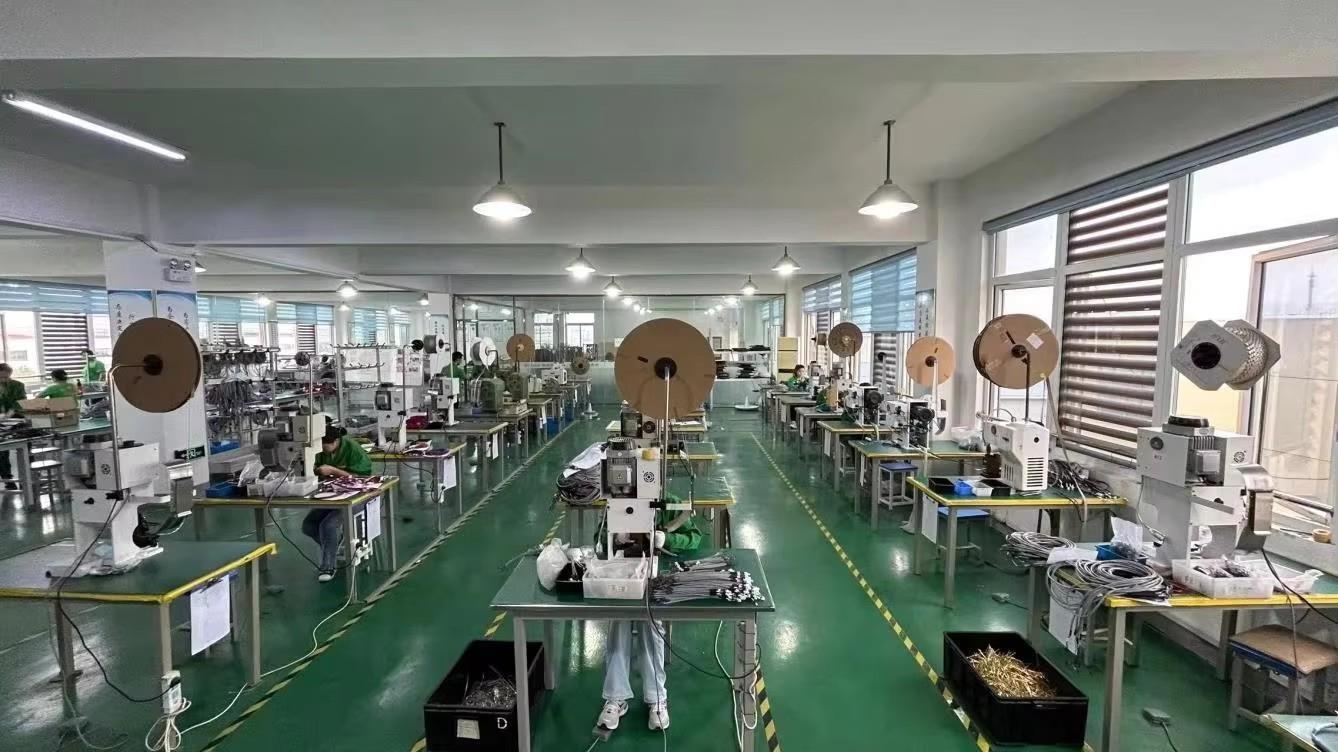
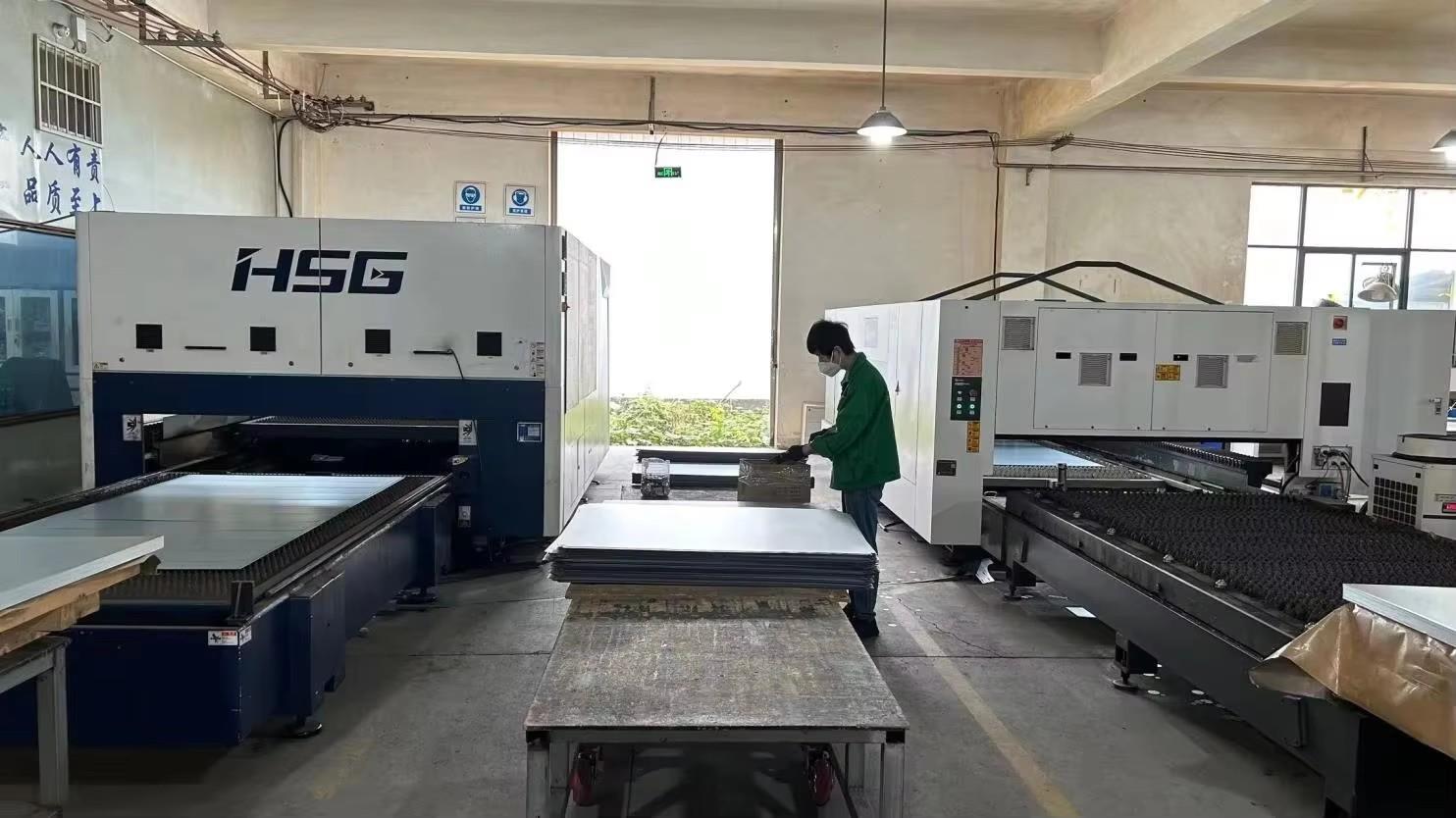
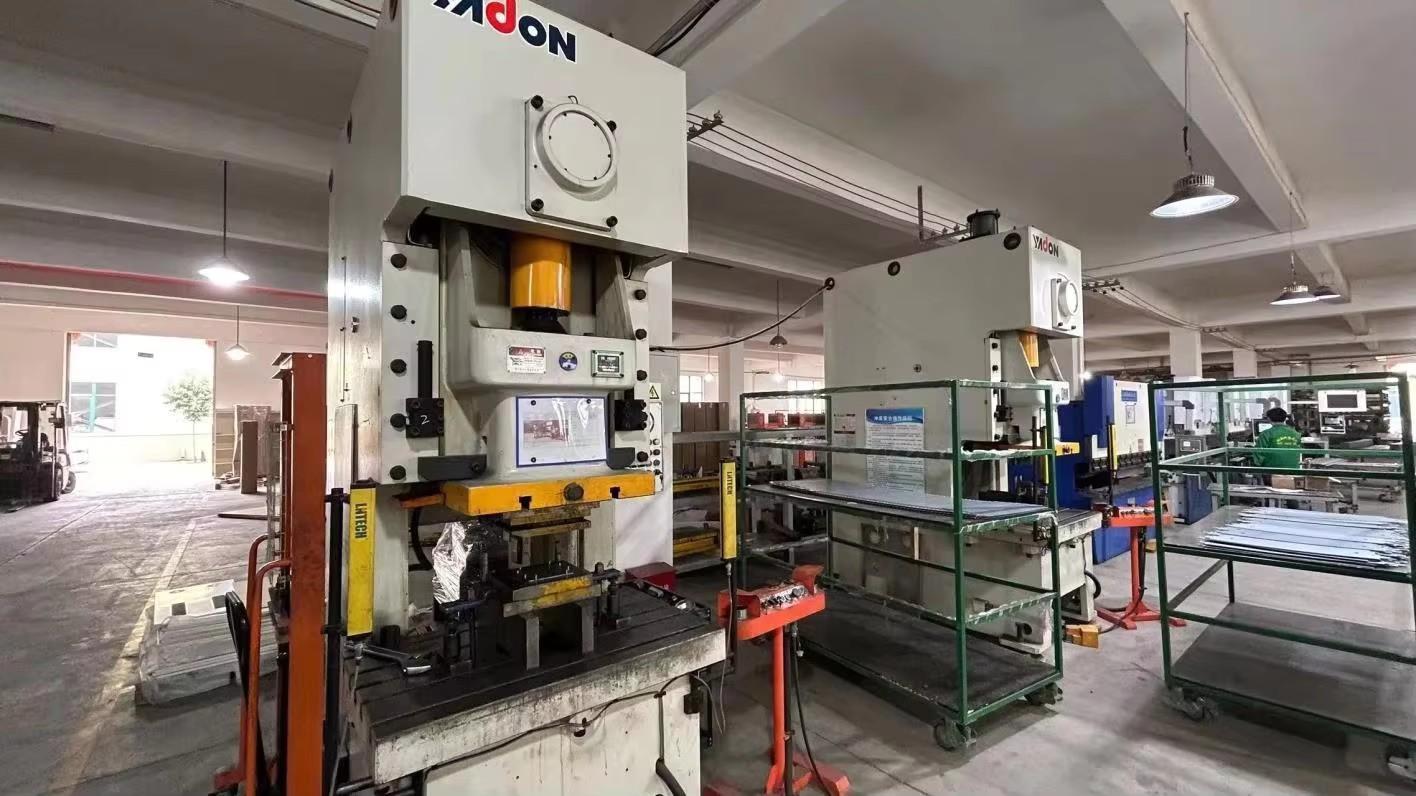
Why Luzz Solar products transition seamlessly into the European Single Market.
Any storage unit installed inside Île-de-France must conform strictly to European security norms to obtain Consuel validation. All Luzz Solar cells and integrated packs undergo rigorous safety evaluations, including impact, fire simulation, thermal abuse, and short-circuit testing.
By adhering to IEC 62619, we ensure our battery management systems (BMS) offer fail-safe mechanisms against over-charging, over-discharging, thermal escalation, and cell imbalance. Additionally, our batteries conform to RoHS regulations, assuring safety and limiting environmental impacts throughout recycling cycles.
We understand that timeline management is critical for EPC installers in France. Working with long lead times increases costs. To optimize local availability, we maintain inventory inside European hubs, allowing logistics teams to coordinate prompt shipping routes to Paris, bypassing lengthy customs wait times.
For large utility and high-volume wholesale shipments, our engineering and shipping divisions coordinate customs paperwork directly, delivering container loads straight to project sites across northern and central France.
Select the specifications required to design and build high-efficiency solar storage systems.
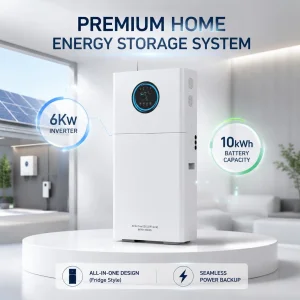
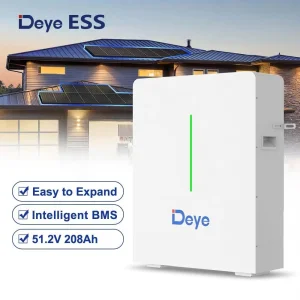
Technical advice for engineering teams, contractors, and project planners in France.
LiFePO4 (Lithium Iron Phosphate) offers major advantages over NMC (Nickel Manganese Cobalt) in terms of thermal stability and cycle life. In dense urban areas like Paris, fire safety is paramount. LFP cells have a thermal runaway threshold of roughly 270°C, compared to NMC's ~210°C, and they do not release oxygen upon breakdown, eliminating the risk of self-sustaining fires. Furthermore, LFP systems last 6,000–8,000 cycles, while typical NMC packs degrade after 1,500–2,000 cycles.
Our custom and rack-mounted battery units are equipped with smart BMS communication cards. By utilizing standard CAN and RS485 protocols, Luzz Solar batteries are pre-programmed with communication profiles compatible with leading hybrid inverter brands including Deye, SMA, Victron Energy, Growatt, and Solis. This ensures seamless plug-and-play integration for automatic charge/discharge scheduling.
For grid-connected solar battery systems in France, the Consuel requires batteries to satisfy IEC 62619 (safety requirements for secondary lithium cells and batteries in industrial applications) and inverters to hold EN 50549-1 declarations of conformity. Our cells and battery systems hold valid CE, UN38.3, and IEC certificates, simplifying the inspection process.
By moving from 280Ah cells to 314Ah cells, you increase total energy density by roughly 12% without shifting the system footprint. This reduces the number of structural components, wiring harnesses, and battery cabinets needed per megawatt-hour. The result is a lower upfront balance-of-system cost, shorter installation times, and a highly competitive LCOS over the 10-to-15-year lifecycle.
Depending on stock availability, units can ship from our European warehouses, arriving in the Paris metropolitan region within 2 to 5 business days. For bulk factory-direct shipments, we offer comprehensive DDP (Delivered Duty Paid) shipping services. We coordinate maritime freight, customs clearance at Rotterdam or Le Havre ports, and ground transport to your construction site, managing all import steps on your behalf.
Get in touch with our system engineers today to receive customized energy storage schematics, competitive pricing options, and complete specification sheets.
 Luzz Solar