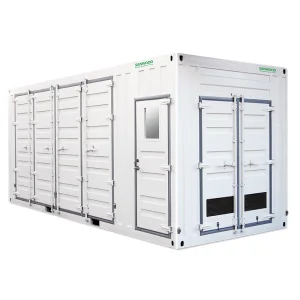
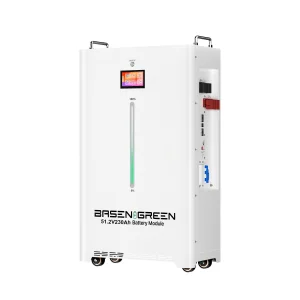
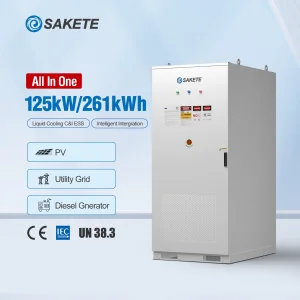
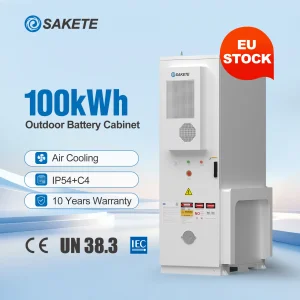
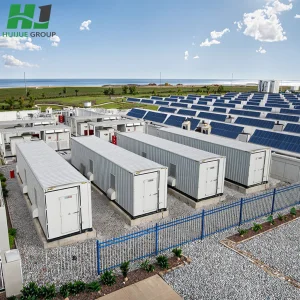
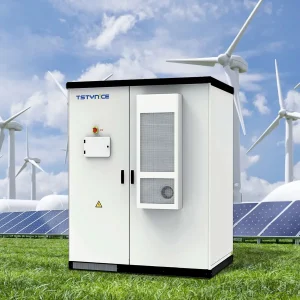
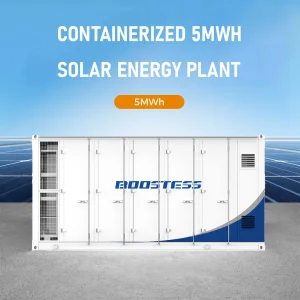
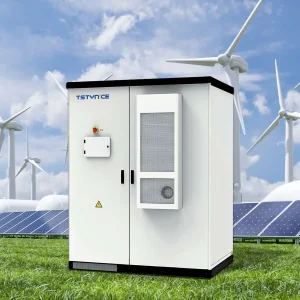
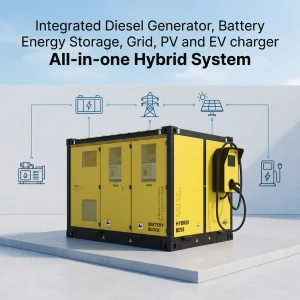
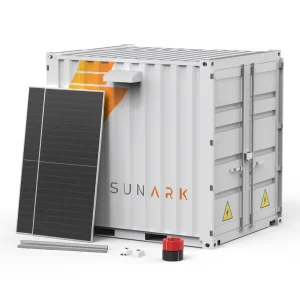
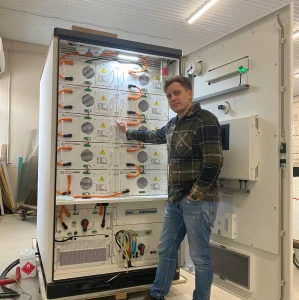
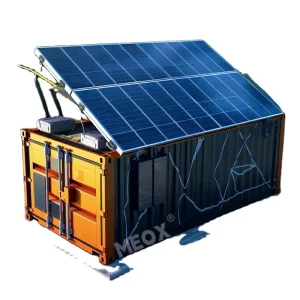
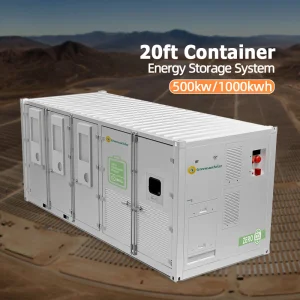
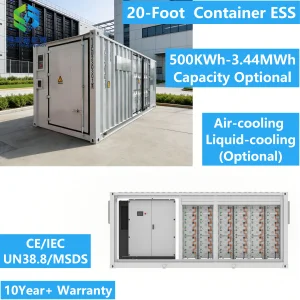
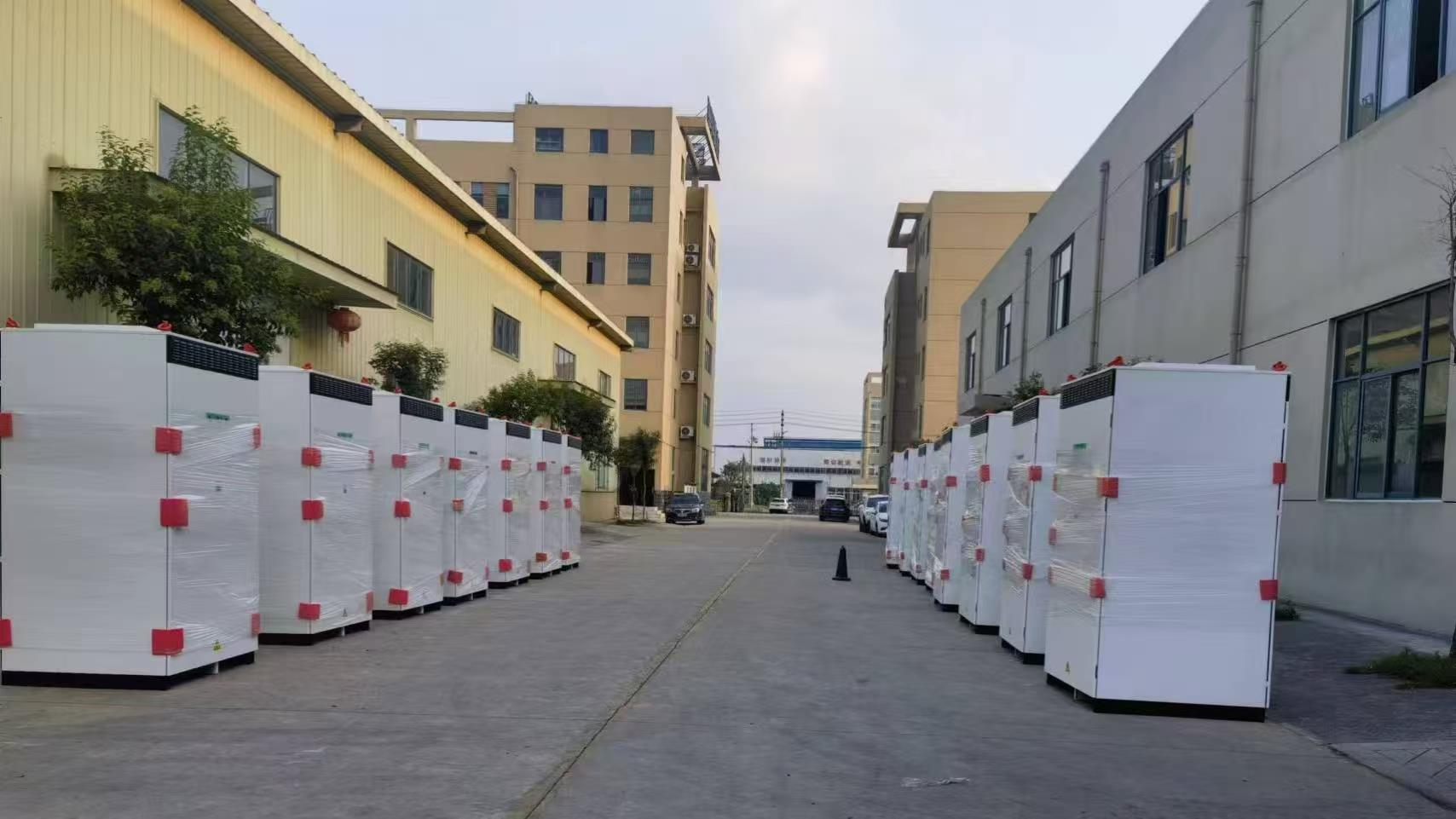
Pre-assembled, turnkey containerized energy storage units optimized for quick grid integration and industrial backup in Mexican zones.
Global manufacturing expansions in industrial hubs like Monterrey, Querétaro, and Tijuana require reliable energy storage to bypass regional grid limits and expensive CFE peak hours.
Deploy integrated systems built to adhere strict voltage fluctuations, harmonic distortions, and reactive power control parameters regulated by CRE under the Mexican Grid Code.
Designed to endure extreme climates—from northern deserts of Sonora to coastal humidity—preserving battery cell life via advanced, active thermal management.
Mexico's rapid industrialization driven by nearshoring has placed an unprecedented load on the national power grid operated by the Comisión Federal de Electricidad (CFE). Major manufacturing sectors (automotive, aerospace, electronics, and medical devices) in industrial parks are facing challenges with power quality, transmission capacity, and high peak tariffs (specifically the GDMTH rate class). Commercial and Industrial (C&I) operations are adopting Containerized Energy Storage Systems (BESS) as a primary mechanism to secure power reliability, manage peak load penalties, and implement carbon-offset objectives.
Through strategic installation of high-voltage battery storage containers, factories can buffer power from the grid during low-rate hours (horas base) and discharge it during peak-rate periods (horas punta). This peak shaving application delivers immediate economic returns and guarantees business continuity against supply drops, voltage sags, and unexpected blackouts. Integration with on-site solar photovoltaic panels transforms industrial assets into independent microgrids, allowing off-grid resilience or export stability in line with national environmental guidelines.
| Feature / Specification | Air Cooling Technology | Liquid Cooling Technology (Recommended for Mexico) |
|---|---|---|
| Thermal Uniformity | ±3°C - ±5°C cell temperature difference | ±2°C or lower (Extends LiFePO4 battery pack life span by 20%) |
| Operating Temperature | Optimal performance up to 40°C ambient | Handles high northern Mexican desert temperatures (up to 55°C) |
| Energy Density | Standard footprints (moderate density) | High density (5MWh capacity possible within a single 40ft container) |
| Fire Safety Compliance | NFPA 855 with standard gas exhaust | Integrated cooling loops with NFPA 855 standard multi-stage aerosol suppression |
Procurement managers from multinational corporations operating in Mexico demand top-tier battery cell chemistry, high cycle performance, and standardized communication interfaces.
Safety is the primary metric for large-scale urban and industrial commercial zones. Our containerized solutions rely entirely on LiFePO4 cell technologies. This chemistry prevents thermal runaway hazards, has no toxic heavy metals, and sustains over 6,000 deep discharge cycles at 80% Depth of Discharge (DoD) before hitting 80% state of health. Our systems are equipped with global Tier-1 cells (CATL, EVE, REPT) for guaranteed bankability and system reliability.
Modern commercial installations cannot operate as isolated hardware. Our three-level BMS architecture monitors parameters down to individual cell voltage and cell temperature. Operating with CAN/Modbus RTU/TCP protocols, the system seamlessly interfaces with plant Energy Management Systems (EMS) and SCADA networks, giving control operators real-time feedback on state of charge (SoC), state of health (SoH), and system alarms.
A BESS must be resilient. Standard configurations come housed in certified CSC 10ft, 20ft, or 40ft ISO shipping containers. These containers are lined with thermal and acoustic insulation and classified with high structural durability to withstand transport and outdoor operation. Built-in multi-stage fire suppression systems, featuring early-stage gas detection (off-gas release), aerosol suppressants, and dry-pipe clean agent sprinklers, conform strictly to safety protocols.
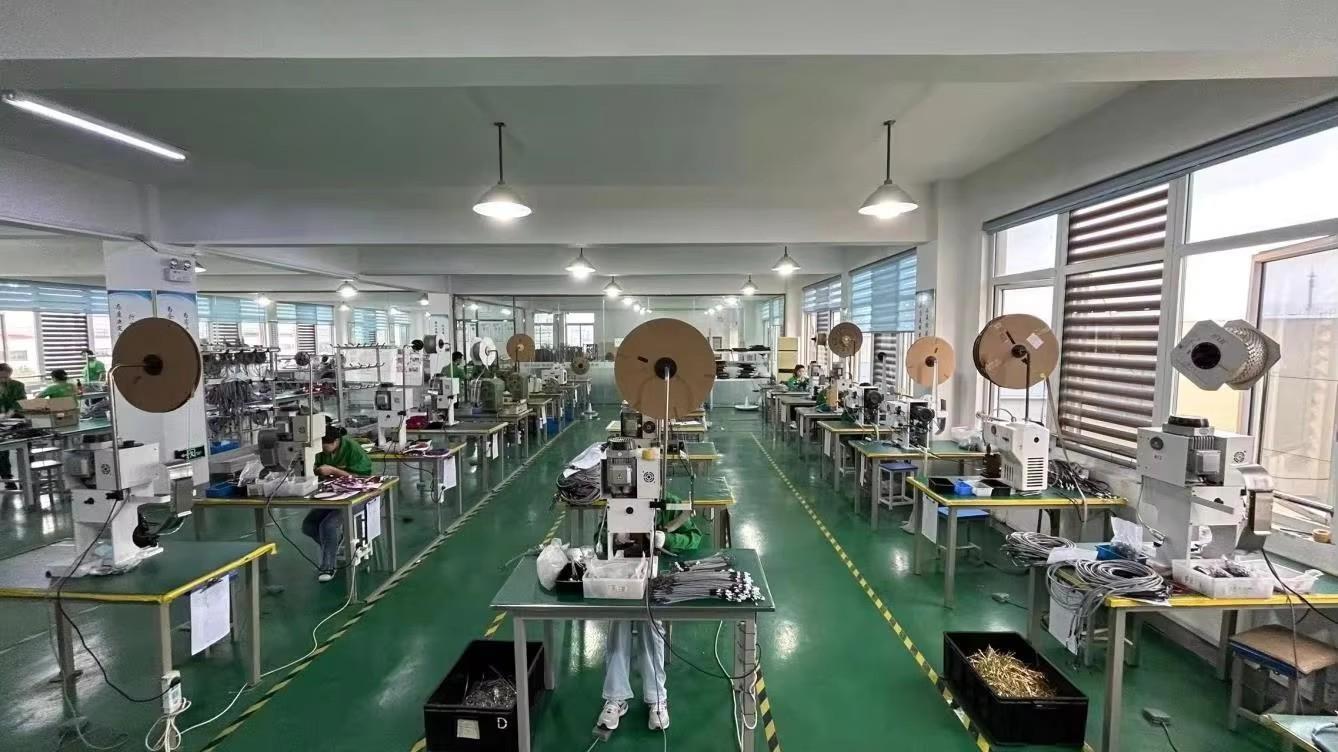
A globally trusted new energy enterprise specializing in photovoltaic modules and integrated energy storage manufacturing.
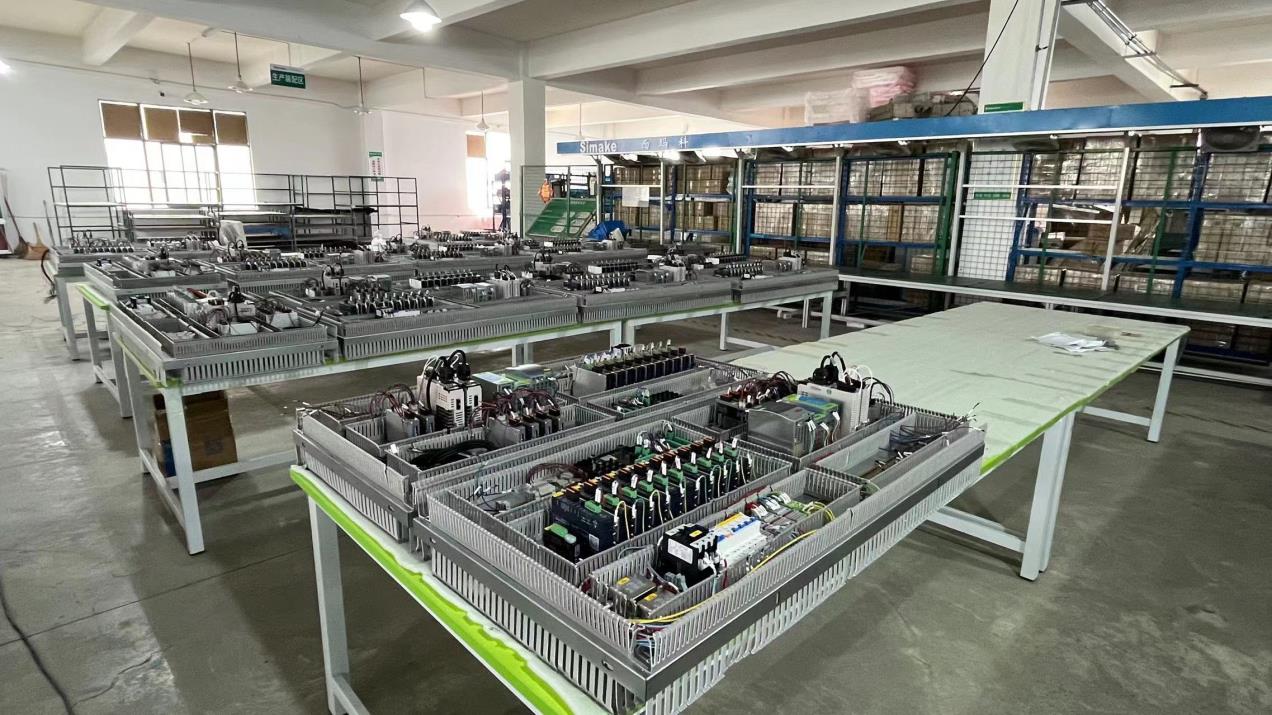
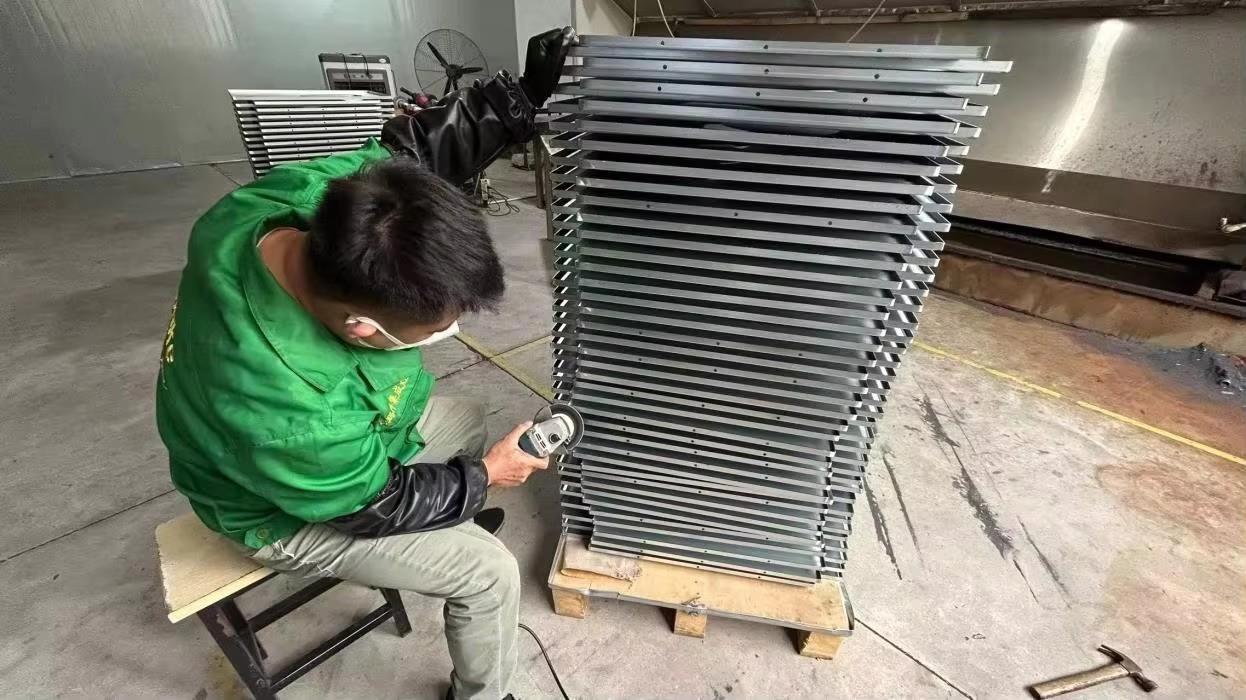
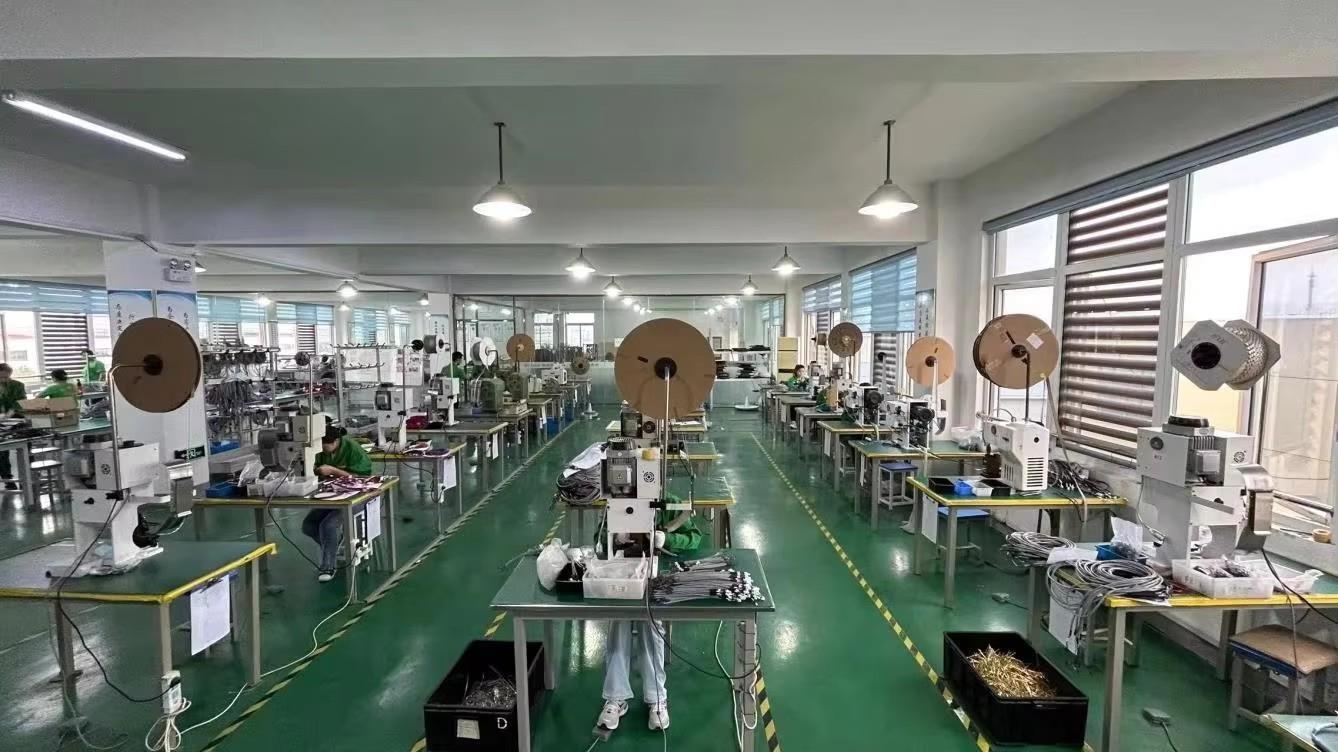
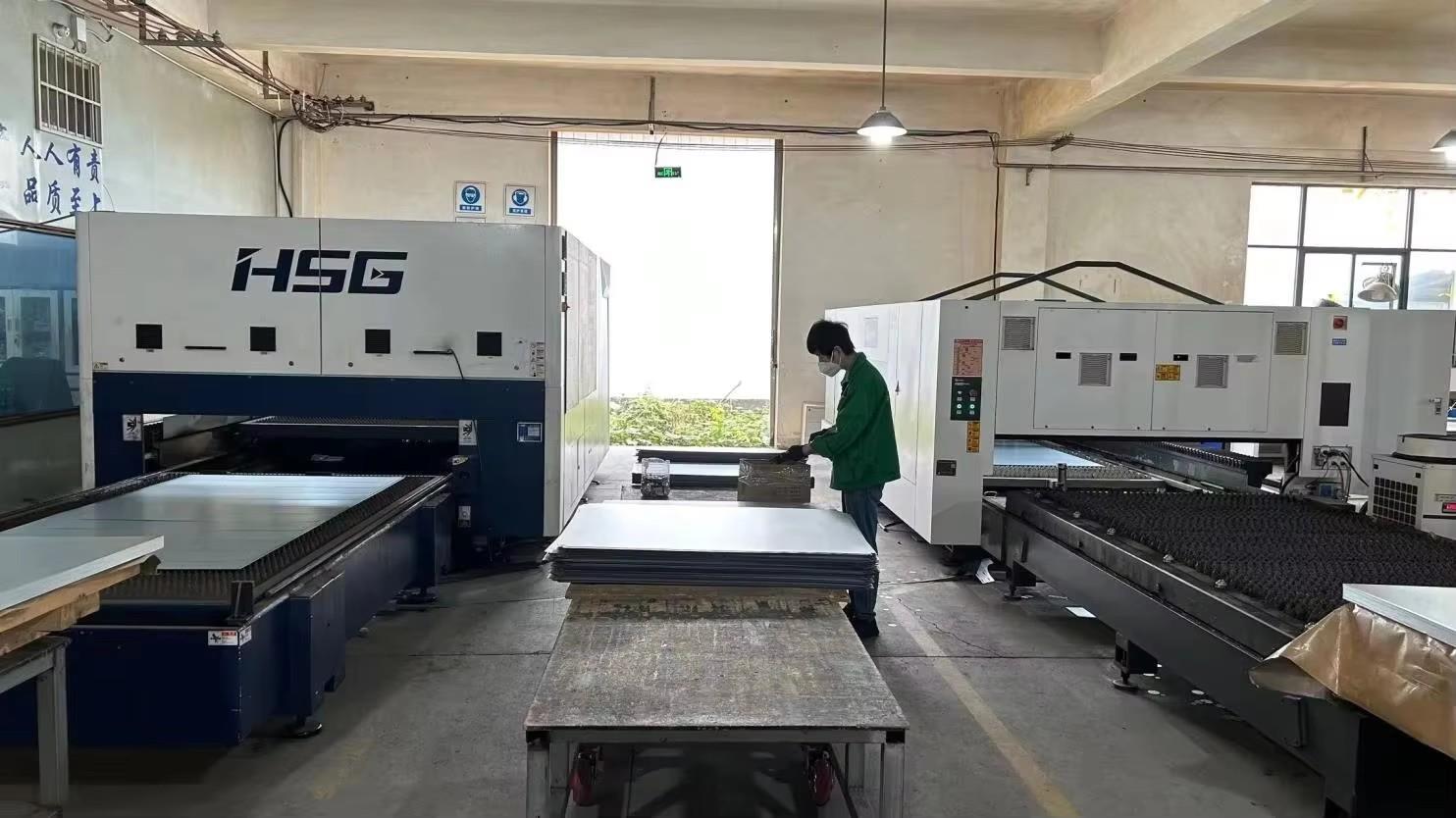
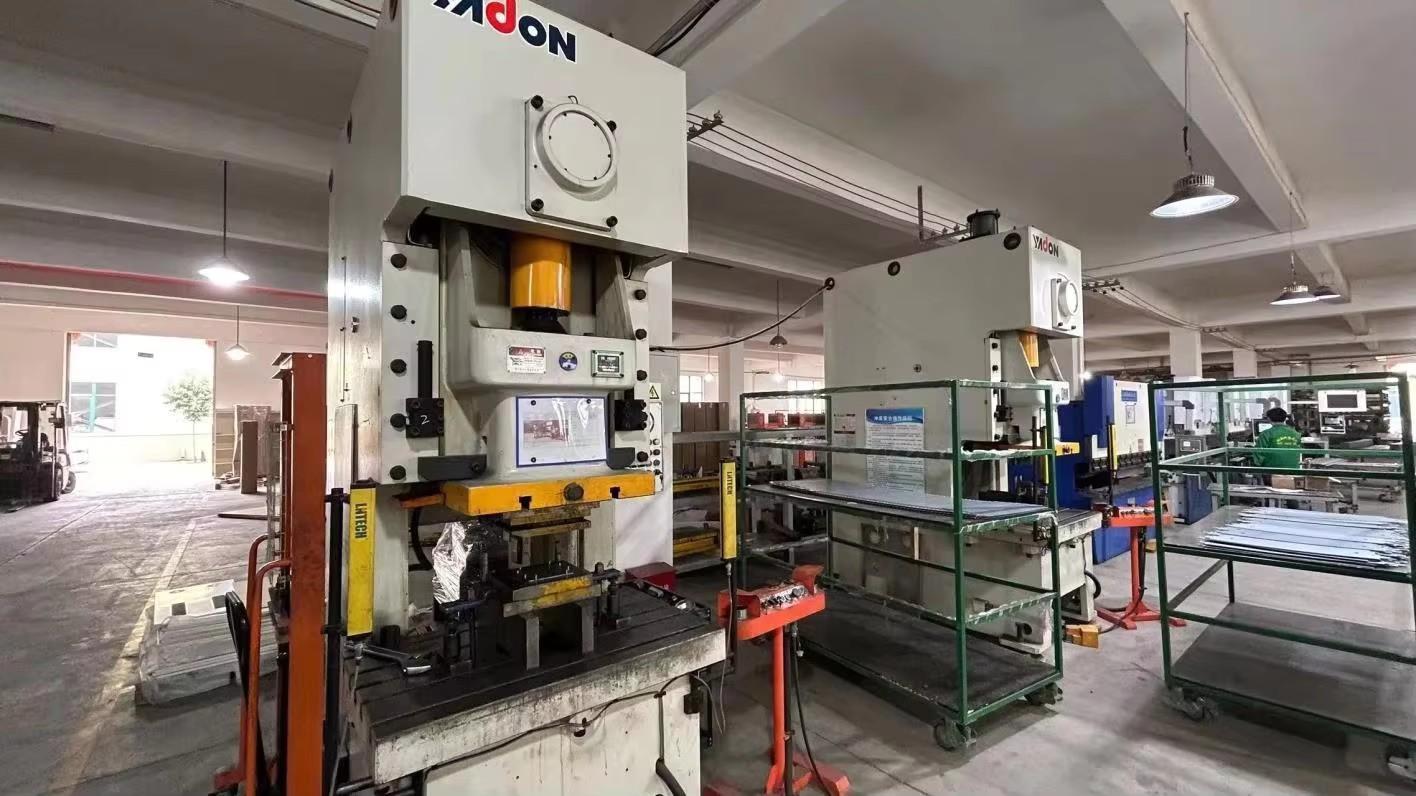
Qingdao Luzz Solar Co., Ltd. is a professional new energy enterprise specializing in the development, manufacturing, and global distribution of photovoltaic (PV) products and integrated energy storage solutions. Located in Qingdao, China, the company benefits from a well-established renewable energy industrial base and advanced manufacturing capabilities.
With the accelerating global transition toward carbon neutrality and sustainable development, Luzz Solar is committed to providing efficient, reliable, and cost-effective clean energy solutions to customers worldwide. Our product portfolio includes high-efficiency solar photovoltaic modules, energy storage systems, and integrated solar application solutions designed for residential, commercial, and utility-scale projects.
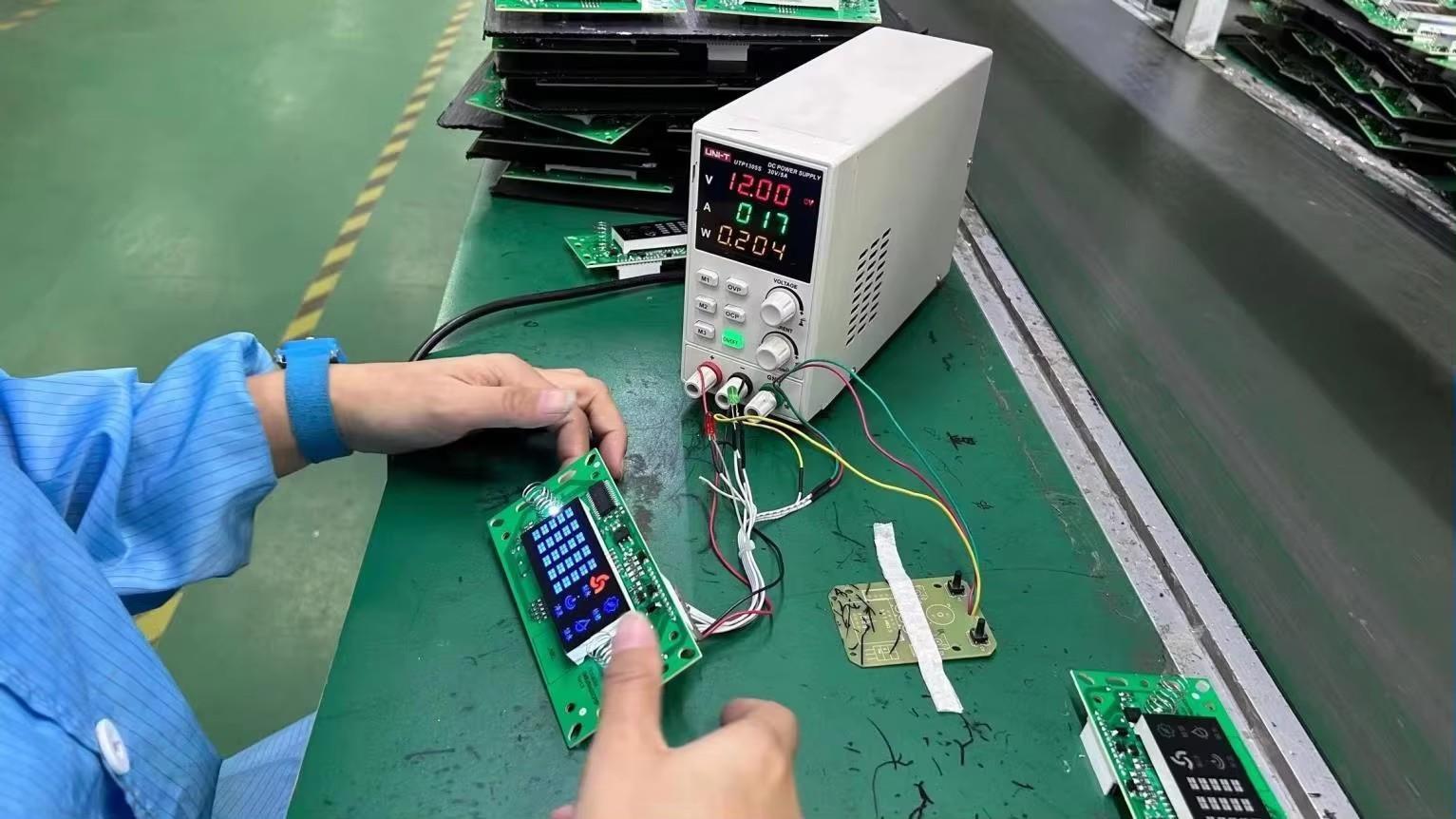
Driven by technological innovation and quality excellence, the company continuously invests in R&D and production optimization to improve product performance, energy conversion efficiency, and system reliability. We strictly adhere to international quality standards and implement rigorous quality control throughout the entire production process to ensure stable and long-term product performance.
Qingdao Luzz Solar actively expands its global market presence, with business coverage across Asia, Europe, the Middle East, Africa, and Latin America. By working closely with international partners, we are committed to delivering tailored energy solutions that meet diverse regional needs and support the global energy transition.
Guided by the core values of integrity, innovation, cooperation, and sustainability, Luzz Solar strives to become a trusted global partner in the new energy industry. We are dedicated to advancing solar technology and contributing to a greener, more sustainable future.
Deploying utility-scale BESS in Mexico requires a thorough understanding of federal safety regulations and power quality parameters.
To successfully connect energy storage systems exceeding 0.5 MW to the Mexican national grid (SEN), systems must strictly align with the guidelines issued by the Comisión Reguladora de Energía (CRE) and the operator CENACE (Centro Nacional de Control de Energía). Failure to comply with power factor parameters or harmonic limits can lead to heavy financial penalties. Our commercial containers are built to help project developers easily meet these regulatory demands.
Essential technical answers regarding containerized energy storage integration in industrial environments.
Heavy-duty industrial batteries, utility containers, and smart-cooling ESS products built to international benchmarks.
 Luzz Solar