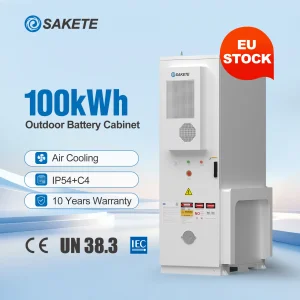
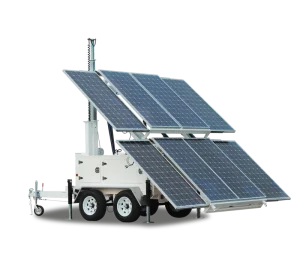
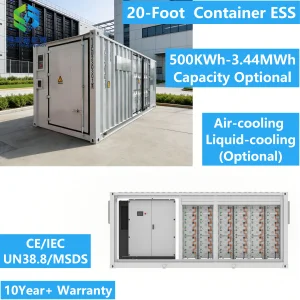
Pre-configured configurations for local industrial load management, peak shaving, and microgrid integrations.
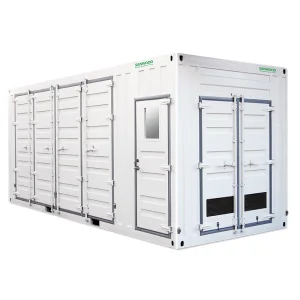
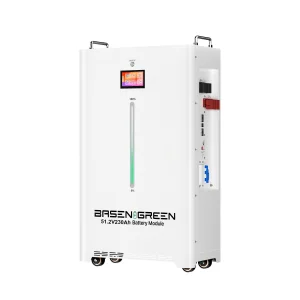
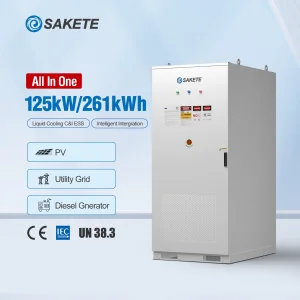
As Ontario accelerates its transition to a decarbonized economy, the Greater Toronto Area (GTA)—the industrial and economic heart of Canada—faces unique electrical grid pressures. The Independent Electricity System Operator (IESO) forecasts substantial growth in electricity demand driven by commercial real estate electrification, industrial expansion, and the rapid adoption of electric vehicles (EVs). For businesses operating in Toronto, Mississauga, Brampton, and Vaughan, this translation means rising electricity rates, localized capacity constraints, and the complex mechanism of the Global Adjustment (GA) charge.
By installing an on-site, utility-scale Containerized Energy Storage System (BESS), Toronto businesses can execute "Peak Shaving" or "Coincident Peak Management." By discharging the stored energy during forecasted grid peaks, companies can artificially lower their PDF to near zero, saving hundreds of thousands of dollars annually in Global Adjustment charges. Additionally, containerized LFP solutions provide robust standby backup power, protecting sophisticated automation processes and cold-storage operations from grid voltage sags or unexpected outages.
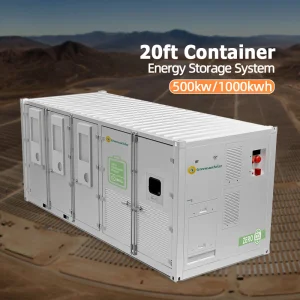
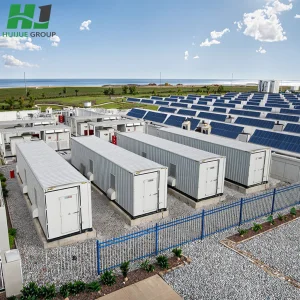
Globally, the transition from traditional fossil-fuel backup generators to advanced electrochemical storage systems is accelerating. Containerized ESS configurations (typically housed in ruggedized 20ft or 40ft ISO shipping containers) have emerged as the global standard for medium-to-large installations. Key market trends driving this shift include:
Procurement departments at multi-national corporations, utilities, and large-scale developers employ strict criteria when sourcing containerized energy storage equipment. To achieve optimal Levelized Cost of Storage (LCOS) and satisfy local Canadian regulators, the following procurement matrix must be satisfied:
The battery modules must deliver a minimum of 6,000 to 8,000 cycles at 0.5C/0.5C charge-discharge rates. Long-term performance guarantees must be backed by Tier-1 LFP cell manufacturers.
Integrated multi-stage fire suppression systems, including aerosol and Novec 1230 gas suppression, combinated with deflagration panels and smart off-gas detection sensors (carbon monoxide/hydrogen detection).
Full system alignment with CSA standards, ESA approval requirements in Ontario, UL 9540 system listings, and standard grid-code compliance for inverter output (e.g., IEEE 1547).
Luzz Solar's custom containerized energy storage solutions are engineered for diverse application matrices throughout Toronto's industrial and urban zones:
Located in the renewable energy cluster of Qingdao, China, Qingdao Luzz Solar Co., Ltd. leverages a highly robust logistics and manufacturing ecosystem. Our factory operates under strict Industry 4.0 protocols, employing automated assembly, precision laser welding, and automated performance testing. By controlling the manufacturing process from raw copper wiring harnesses to multi-megawatt shipping containers, we ensure our global partners receive containerized solutions that are cost-effective, durable, and highly reliable.
Our proximity to the Port of Qingdao allows for streamlined transit routes directly to the Port of Montreal or the Port of Halifax, followed by efficient rail links directly into the Greater Toronto Area. This integrated logistics network mitigates supply chain risks, ensuring on-time delivery for large commercial projects.
Speak with our structural, electrical, and thermal engineers to configure the optimal battery container for your facility.
Send Inquiry Now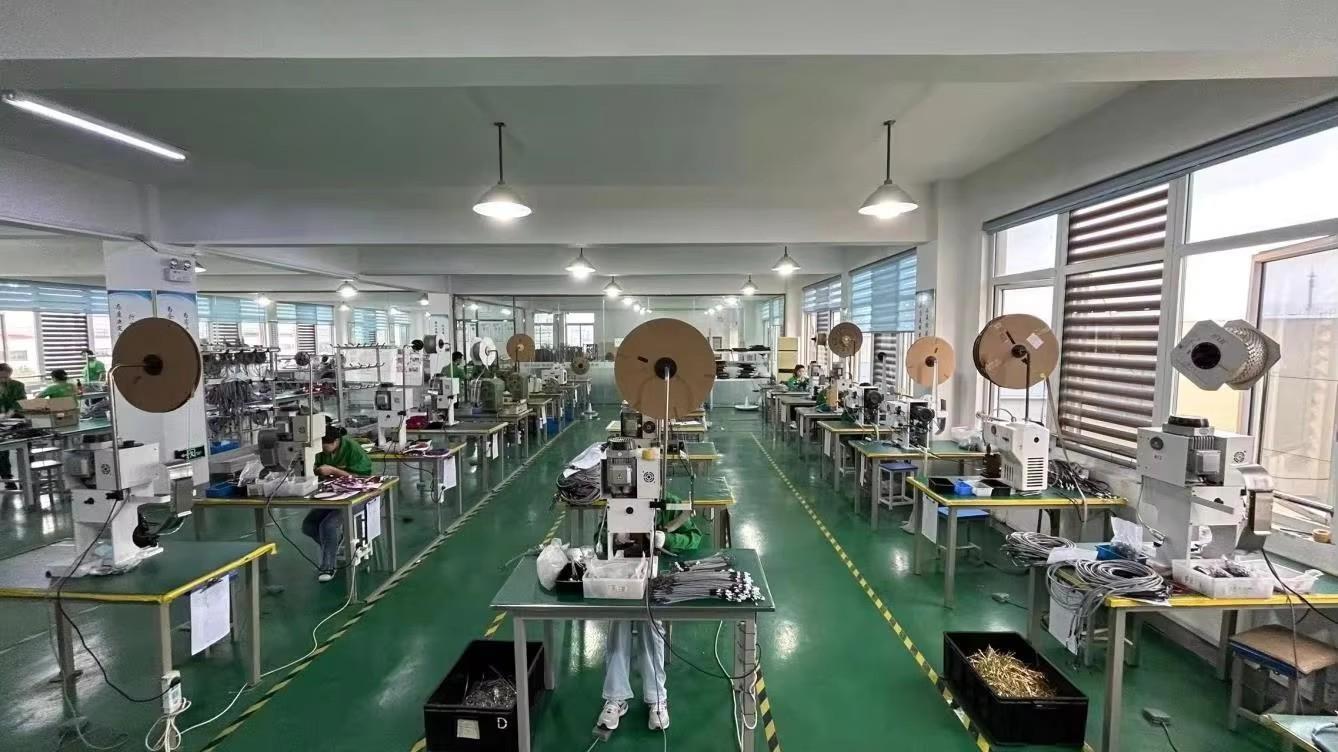 Wiring Harness
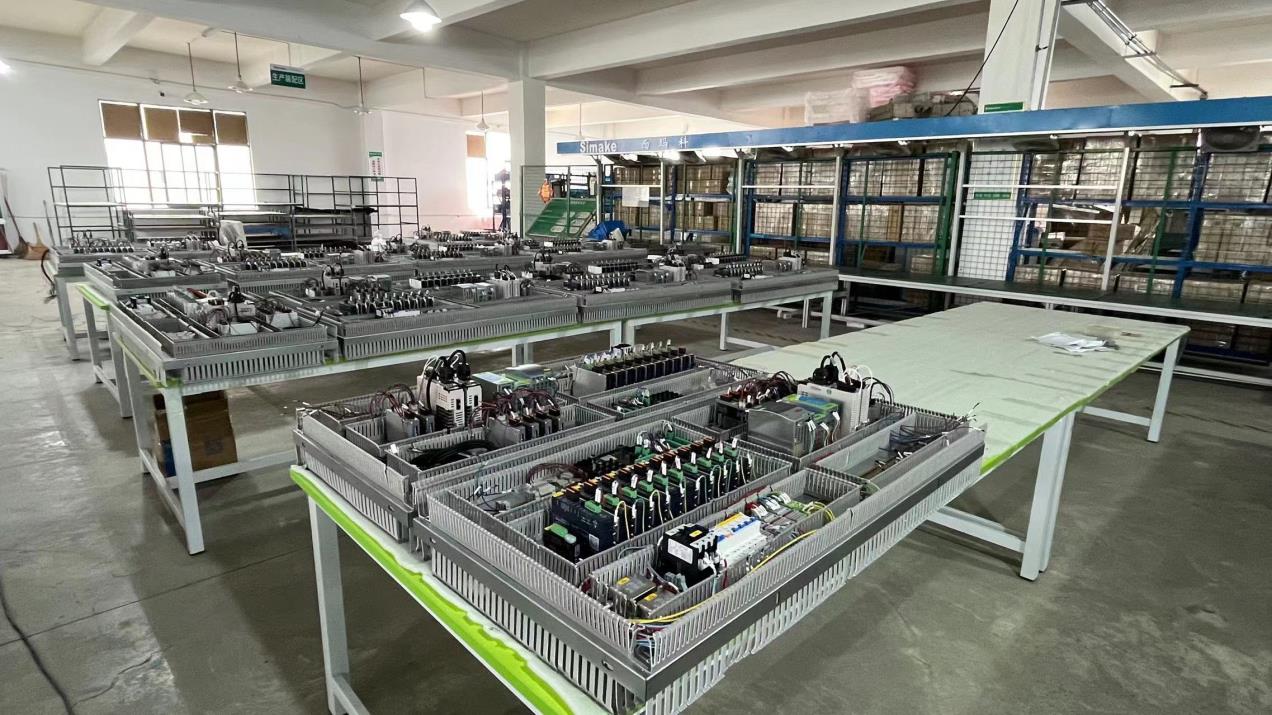 Assembly
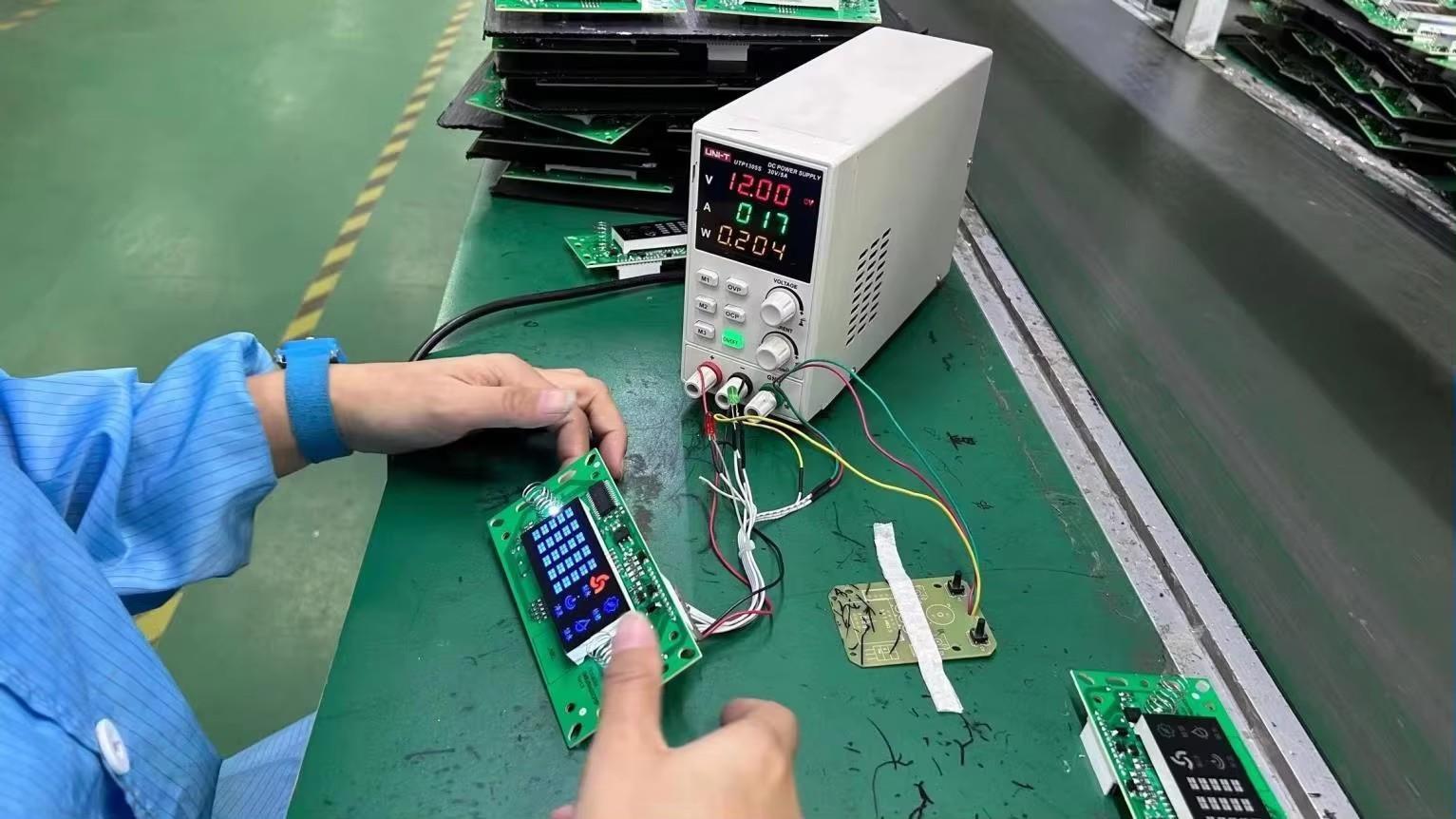 Detection
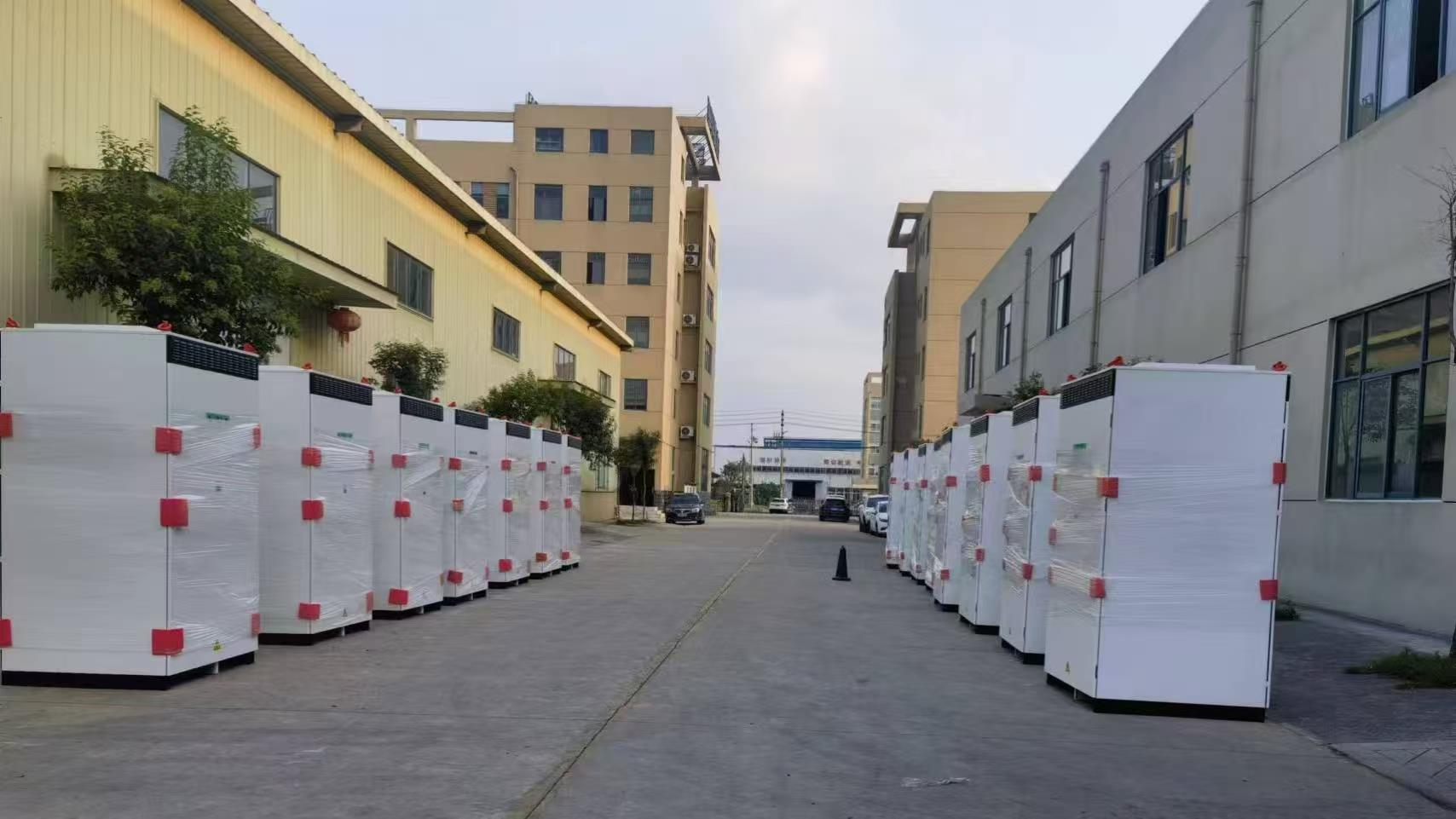 Packing
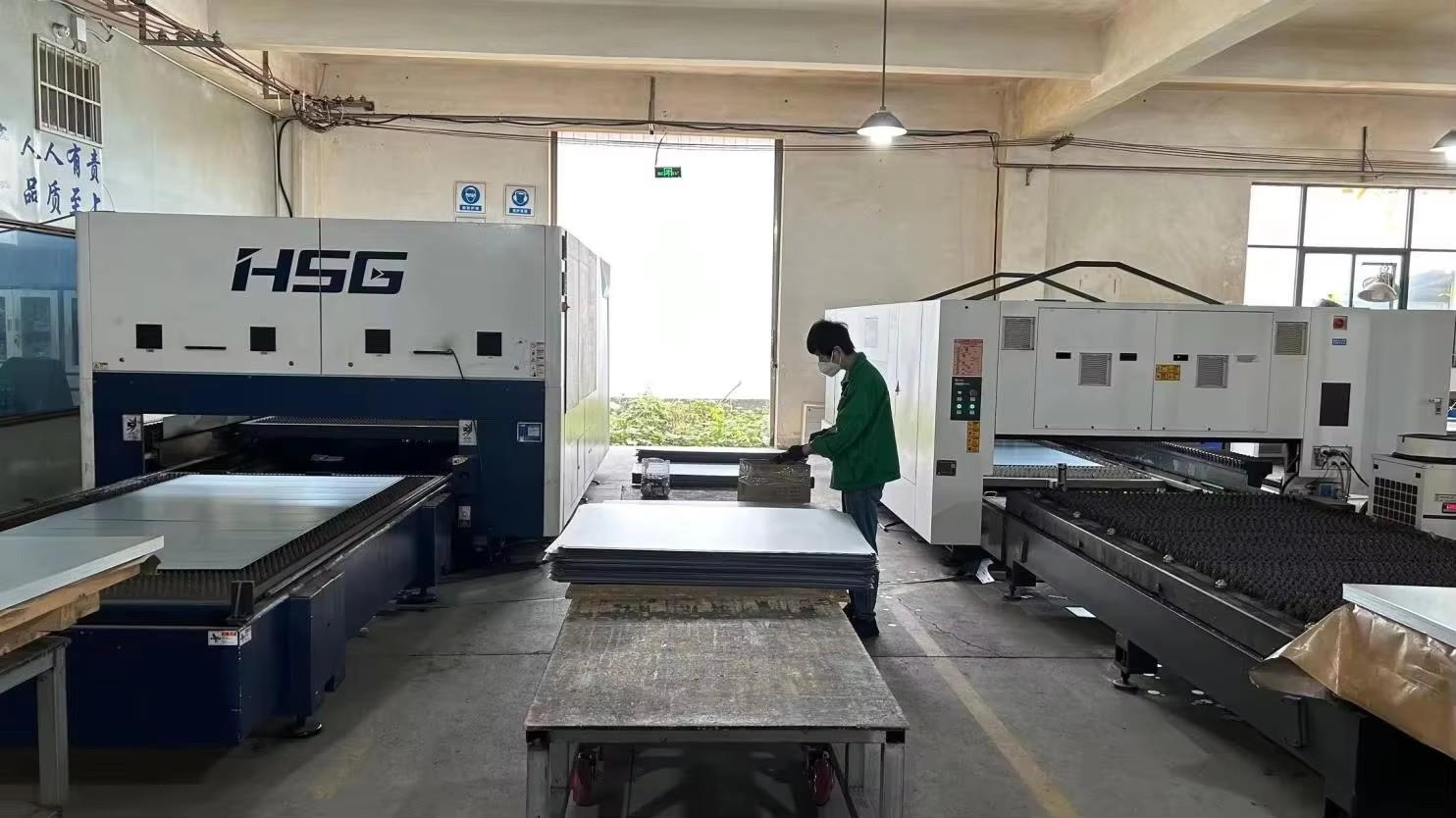 Cutting
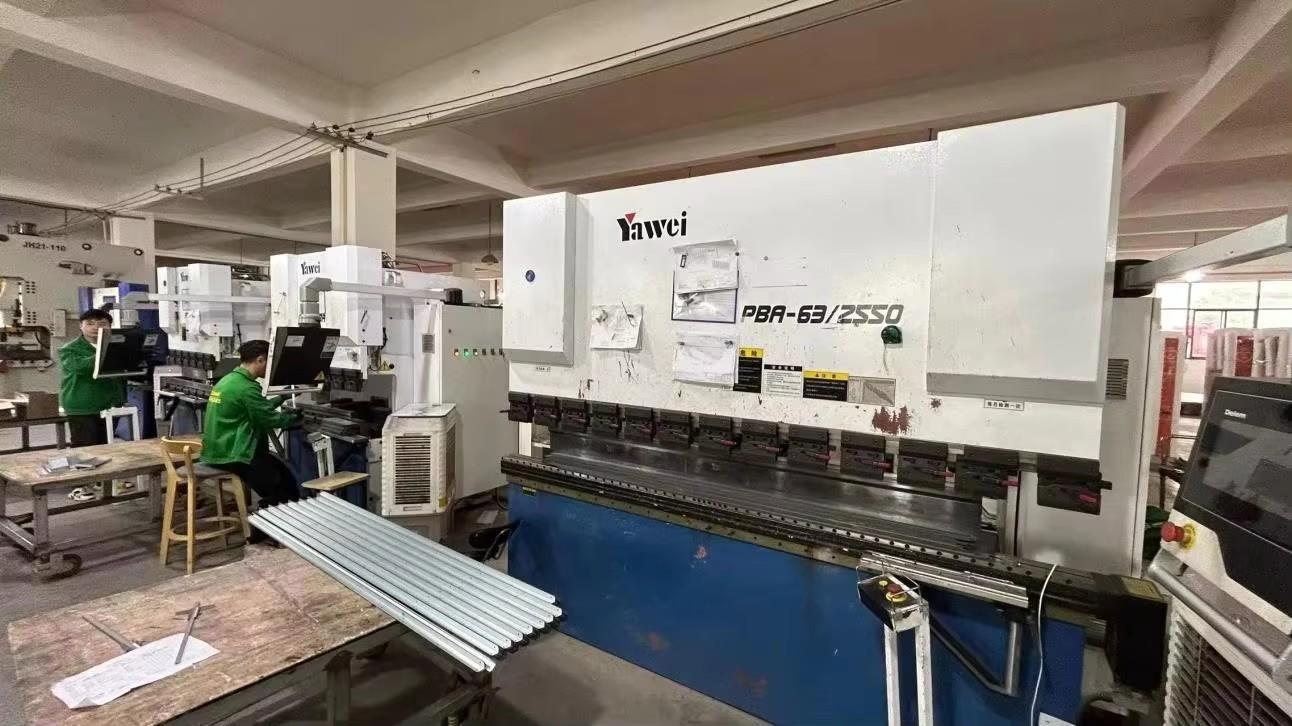 Bending
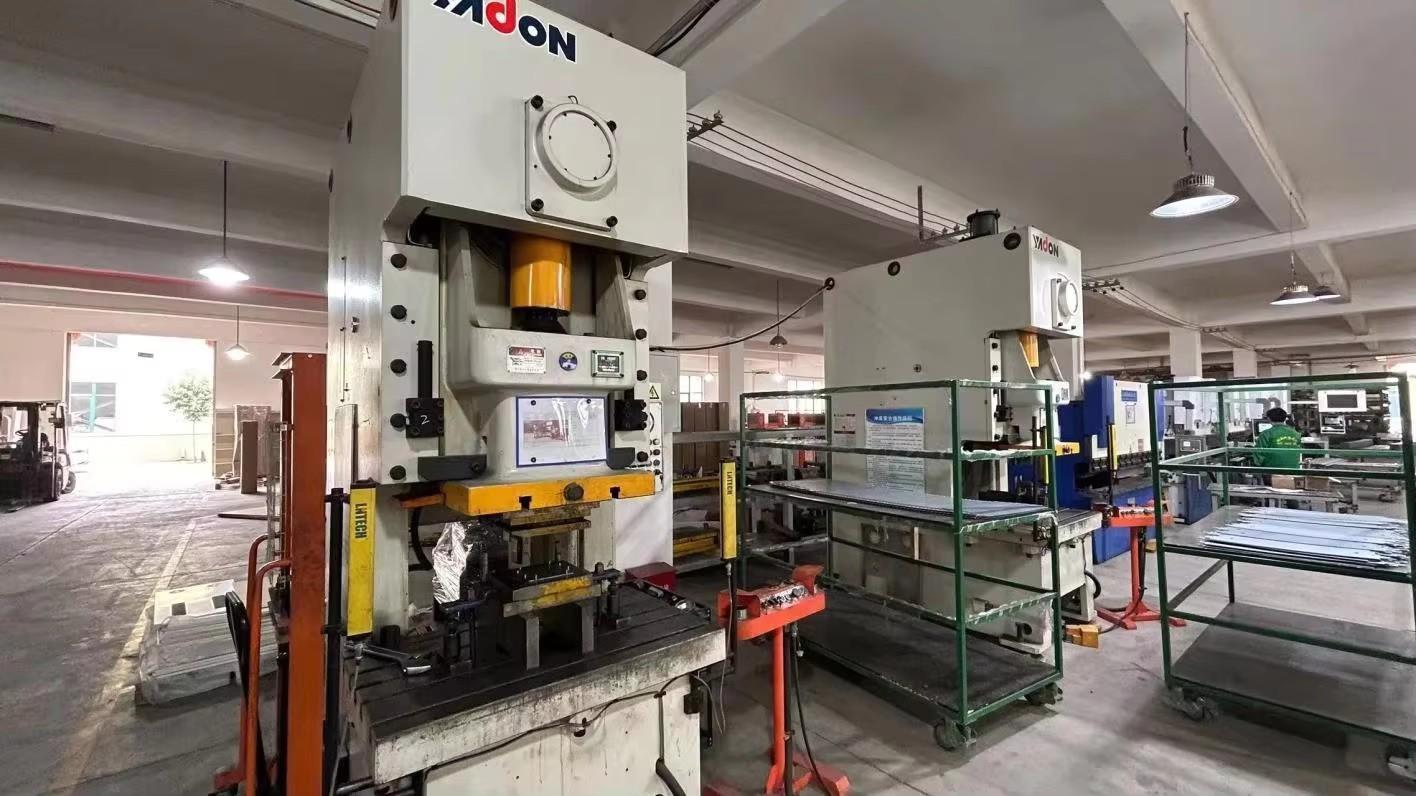 Stamping
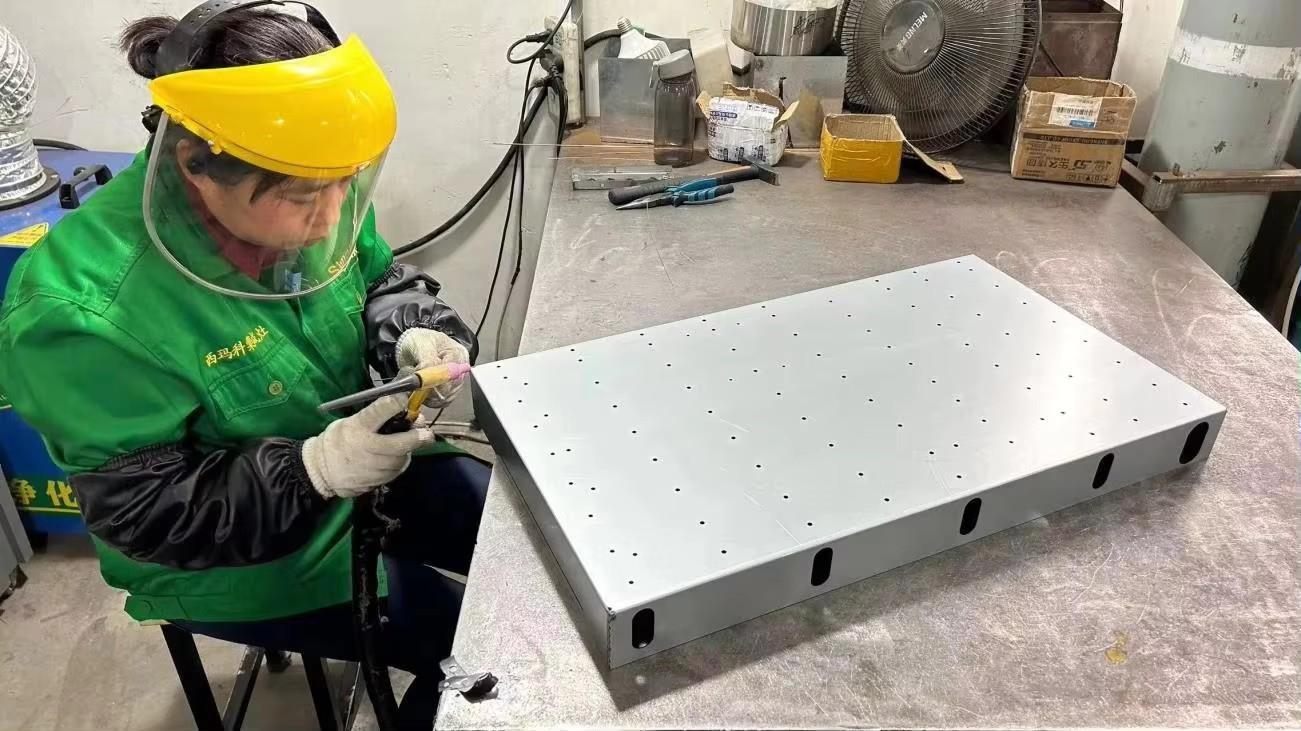 Welding
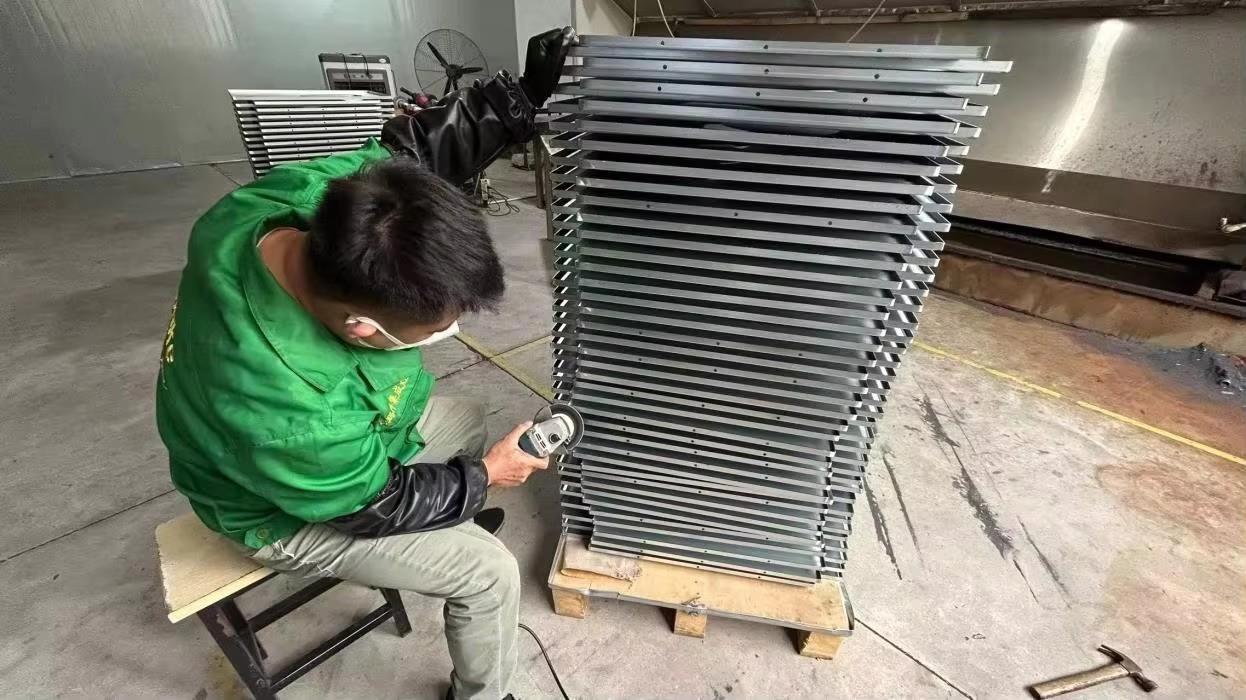 Grinding
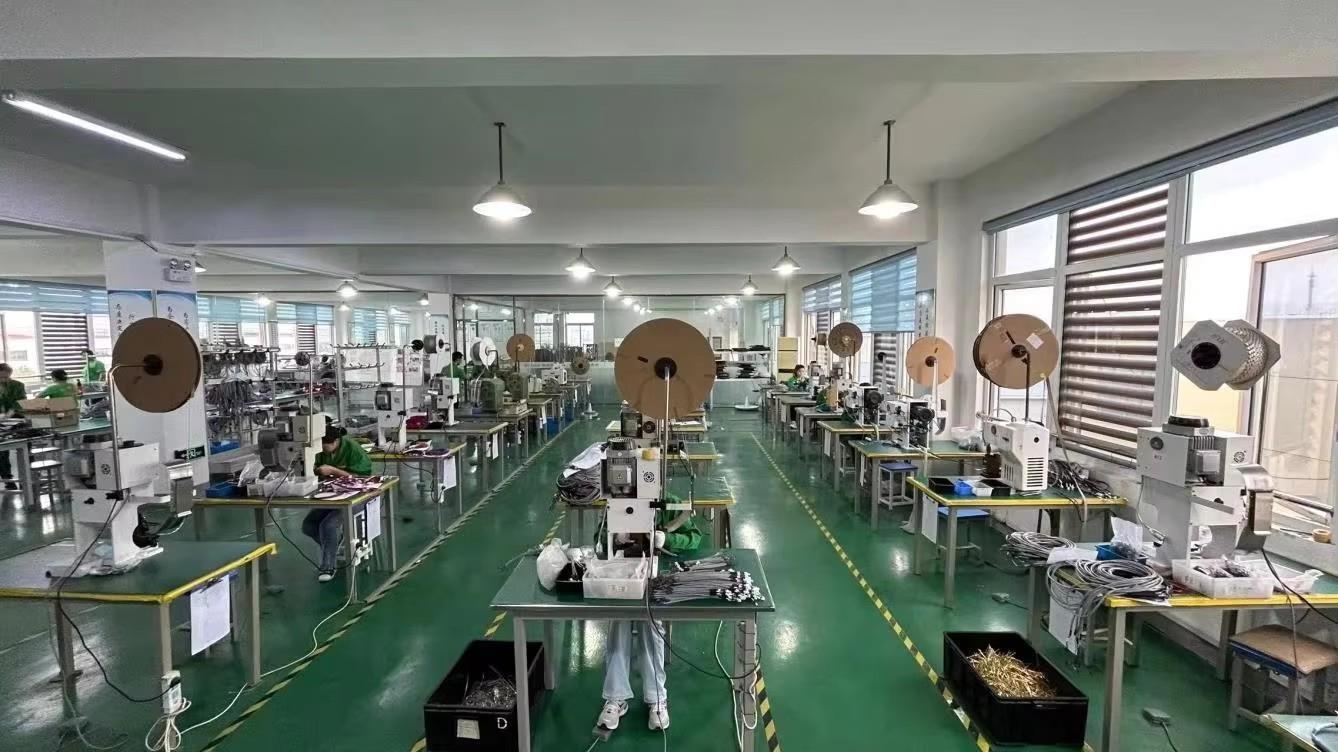 Silent Terminal
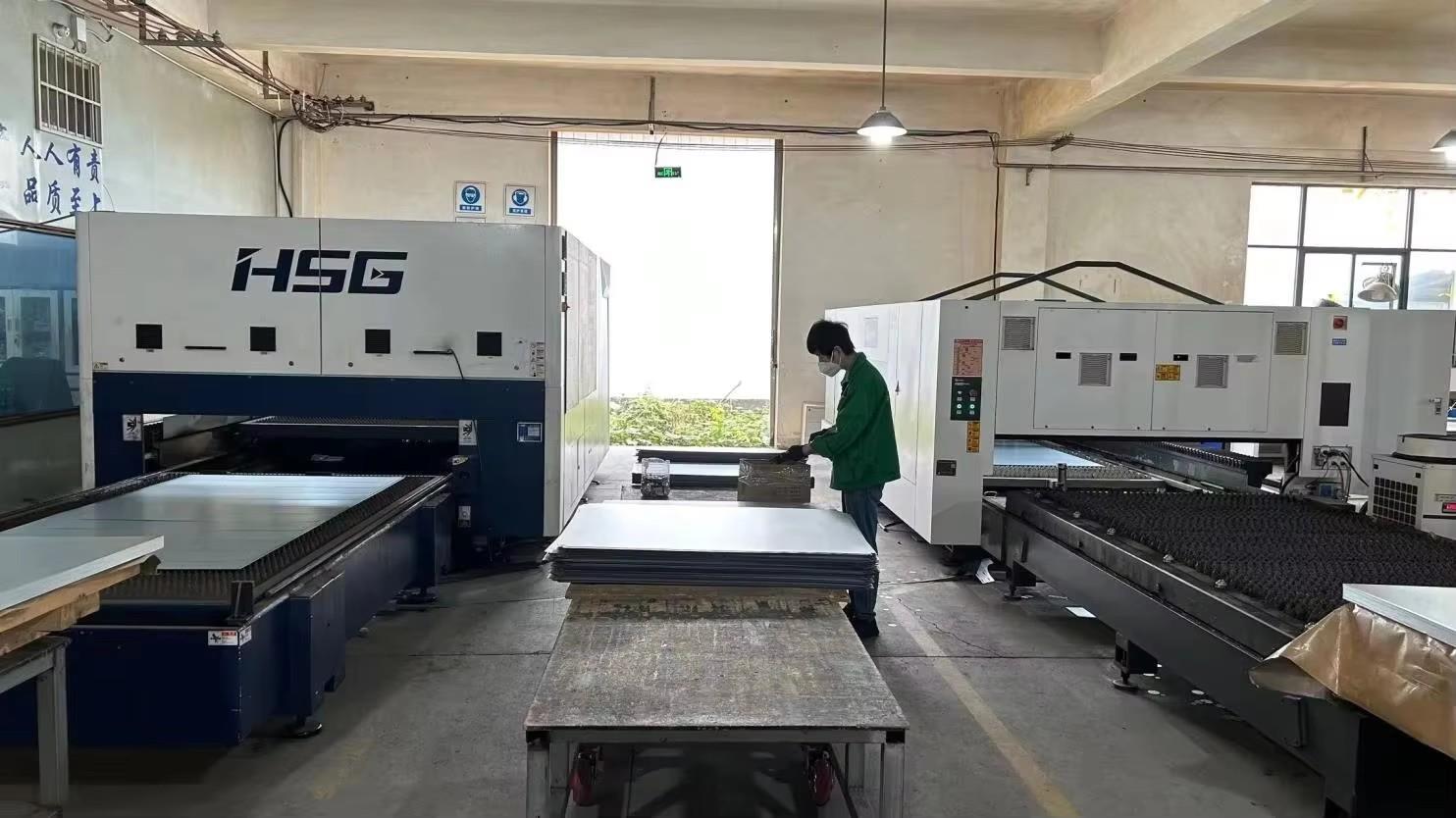 Laser Welding
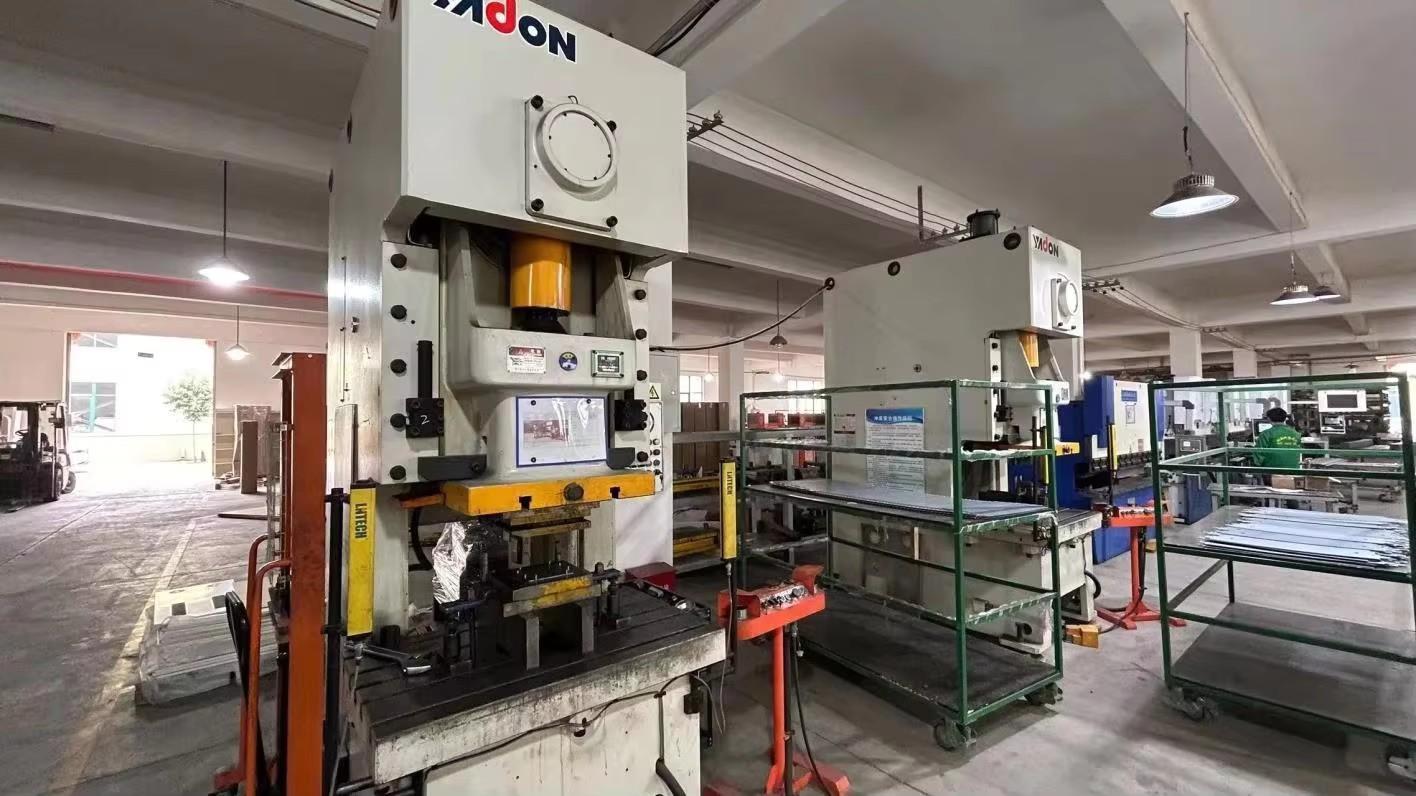 Stamping Mach.
Engineered for integration with Canadian 600V industrial grids and local distribution systems.
Our containerized configurations utilize multi-tier BMS (Battery Management System) structures that monitor voltage, current, and cell temperatures at the module, rack, and container levels. Communication protocols support Modbus TCP, CAN, and IEC 61850 for seamless integration with SCADA systems and local utility dispatch interfaces.
For colder climates like Toronto winters, integrated thermal pre-heating systems ensure LFP battery cells remain within their optimal operating range, avoiding low-temperature lithium plating during charging.
Qingdao Luzz Solar Co., Ltd. is a professional new energy enterprise specializing in the development, manufacturing, and global distribution of photovoltaic (PV) products and integrated energy storage solutions. Located in Qingdao, China, the company benefits from a well-established renewable energy industrial base and advanced manufacturing capabilities.
With the accelerating global transition toward carbon neutrality and sustainable development, Luzz Solar is committed to providing efficient, reliable, and cost-effective clean energy solutions to customers worldwide. Our product portfolio includes high-efficiency solar photovoltaic modules, energy storage systems, and integrated solar application solutions designed for residential, commercial, and utility-scale projects.
Driven by technological innovation and quality excellence, the company continuously invests in R&D and production optimization to improve product performance, energy conversion efficiency, and system reliability. We strictly adhere to international quality standards and implement rigorous quality control throughout the entire production process to ensure stable and long-term product performance.
Qingdao Luzz Solar actively expands its global market presence, with business coverage across Asia, Europe, the Middle East, Africa, and Latin America. By working closely with international partners, we are committed to delivering tailored energy solutions that meet diverse regional needs and support the global energy transition.
Guided by the core values of integrity, innovation, cooperation, and sustainability, Luzz Solar strives to become a trusted global partner in the new energy industry. We are dedicated to advancing solar technology and contributing to a greener, more sustainable future.
Explore our full list of commercial, industrial, and mobile utility-scale energy storage systems.
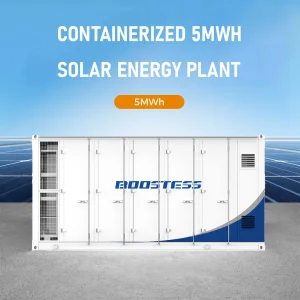
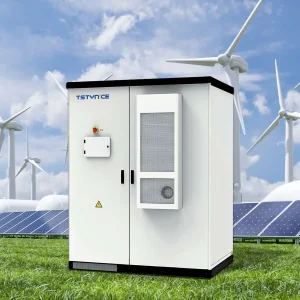
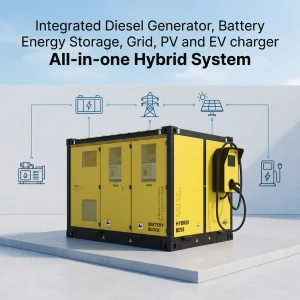
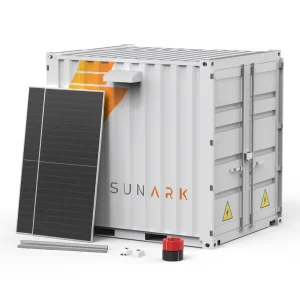
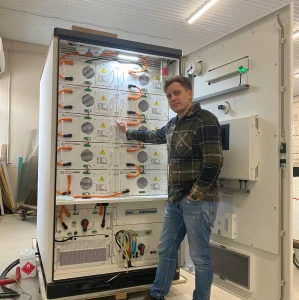
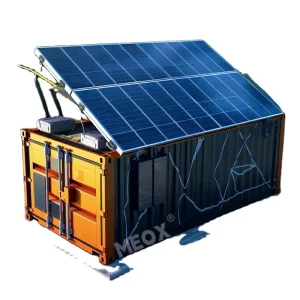
Detailed technical and commercial answers regarding BESS implementation in Toronto & Ontario.
A: The Global Adjustment charge is based on a customer's Peak Demand Factor (PDF), which tracks power consumption during the top 5 peak hours of the Ontario electricity grid. A containerized ESS monitors grid demand via real-time forecast software. When a peak hour is anticipated, the ESS discharges power to support the facility's load, dropping consumption from the grid and drastically lowering the PDF, yielding massive savings on monthly utility bills.
A: Toronto experiences seasonal variations with cold winters and humid summers. Air cooling systems can yield cell temperature variances of up to 5-8°C inside a container, leading to uneven cell degradation. Liquid cooling systems cycle a glycol-water mixture directly through cooling plates on the cells, keeping the variance below 2°C. This maximizes charging efficiency, prolongs system life, and prevents thermal runaway hazards.
A: For interconnection in Ontario (e.g., Toronto Hydro, Hydro One), the system must have field evaluation or listing certifications under CSA C22.2 No. 340, UL 9540, and UL 9540A for thermal runaway performance. The power conversion system (PCS) / inverter must be certified under IEEE 1547 and UL 1741. Electrical safety approval by the Electrical Safety Authority (ESA) of Ontario is mandatory.
A: Our container systems are engineered around high-performance LFP chemistry, offering a life of 8,000 cycles at 80% Depth of Discharge (DoD). This translates to 15-20 years of daily peak shaving operations. We offer standard warranties of up to 10 years on our high-voltage battery storage systems, supported by performance guarantees.
Get in touch with our engineering team today to receive a comprehensive performance simulation and cost estimate tailored to your Ontario electrical connection profile.
Send Inquiry Now (Request Custom Design) Luzz Solar