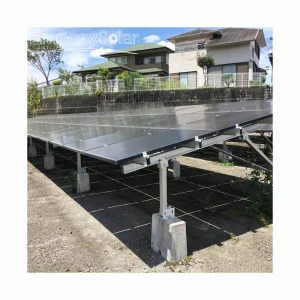
The global energy landscape is transitioning at an unprecedented pace. Advancements in photovoltaic (PV) engineering, combined with aggressive carbon neutrality policies, have transformed solar electricity from an alternative option to the cornerstone of clean industrial expansion. According to global renewable energy reports, the demand for solar PV modules is projected to register a double-digit compound annual growth rate (CAGR) through the coming decade, driven heavily by commercial, industrial (C&I), and utility-scale installations.
A primary technological trend in current solar design is the transition from conventional P-type PERC (Passivated Emitter and Rear Cell) technology to high-efficiency N-type configurations, including TOPCon (Tunnel Oxide Passivated Contact) and HJT (Heterojunction Technology). N-type modules deliver lower power degradation rates, improved temperature coefficients, and superior bifaciality factors, directly lowering the Levelized Cost of Electricity (LCOE) for global developers. This technological shift requires advanced manufacturing capabilities that only highly digitized factories can support.
Higher conversion efficiency (>25%), reduced LID (Light Induced Degradation), and superior performance in low-light conditions compared to legacy P-type panels.
Maximizing megawatt-hour generation per square meter decreases balance-of-system (BOS) costs, optimizing initial capital expenditures (CAPEX).
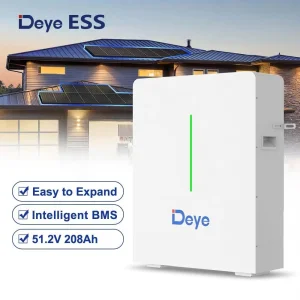
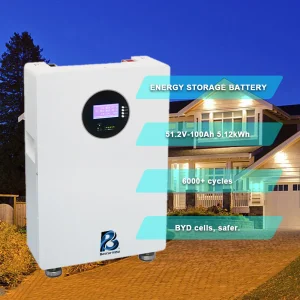
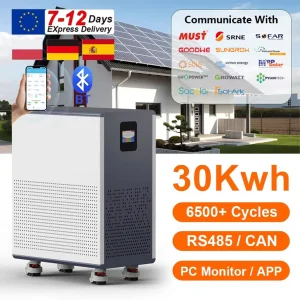
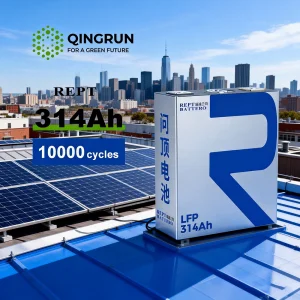
Co-locating photovoltaic generation with robust Lithium Iron Phosphate (LiFePO4) energy storage systems ensures grid stability and allows peak shaving.
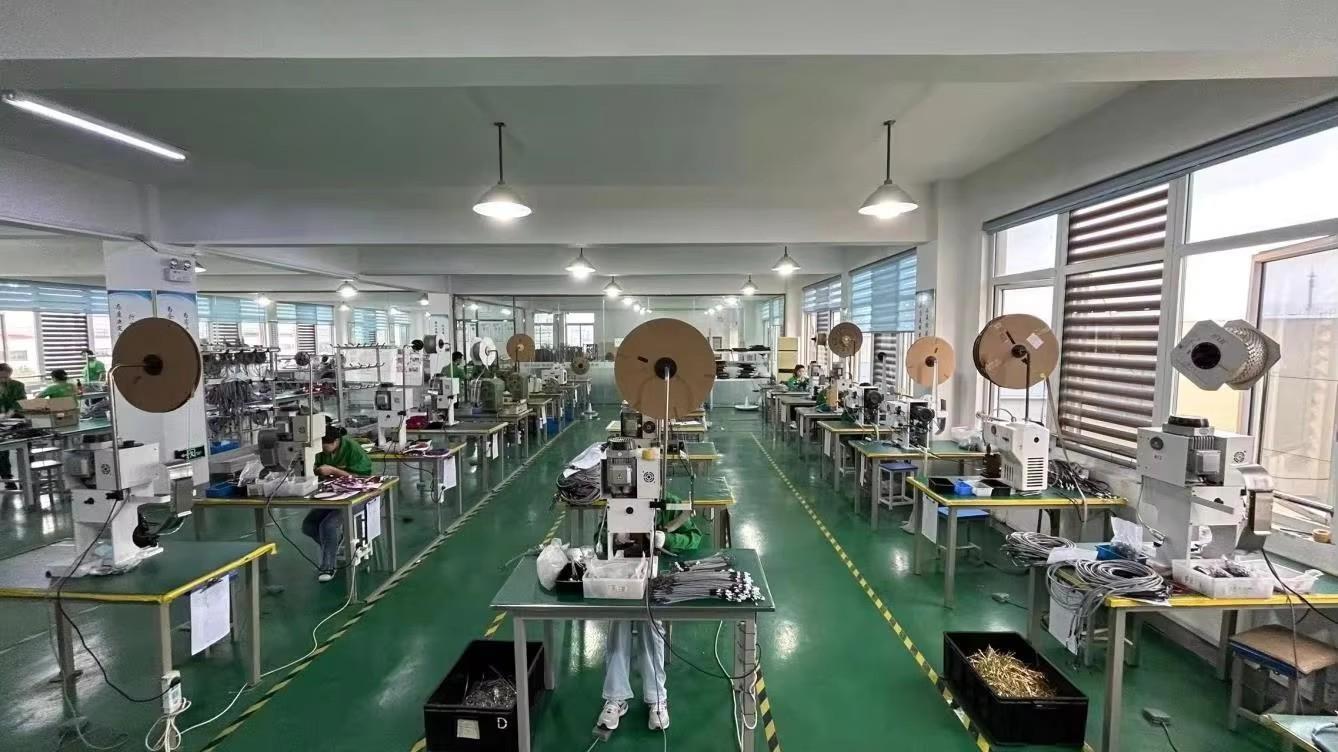
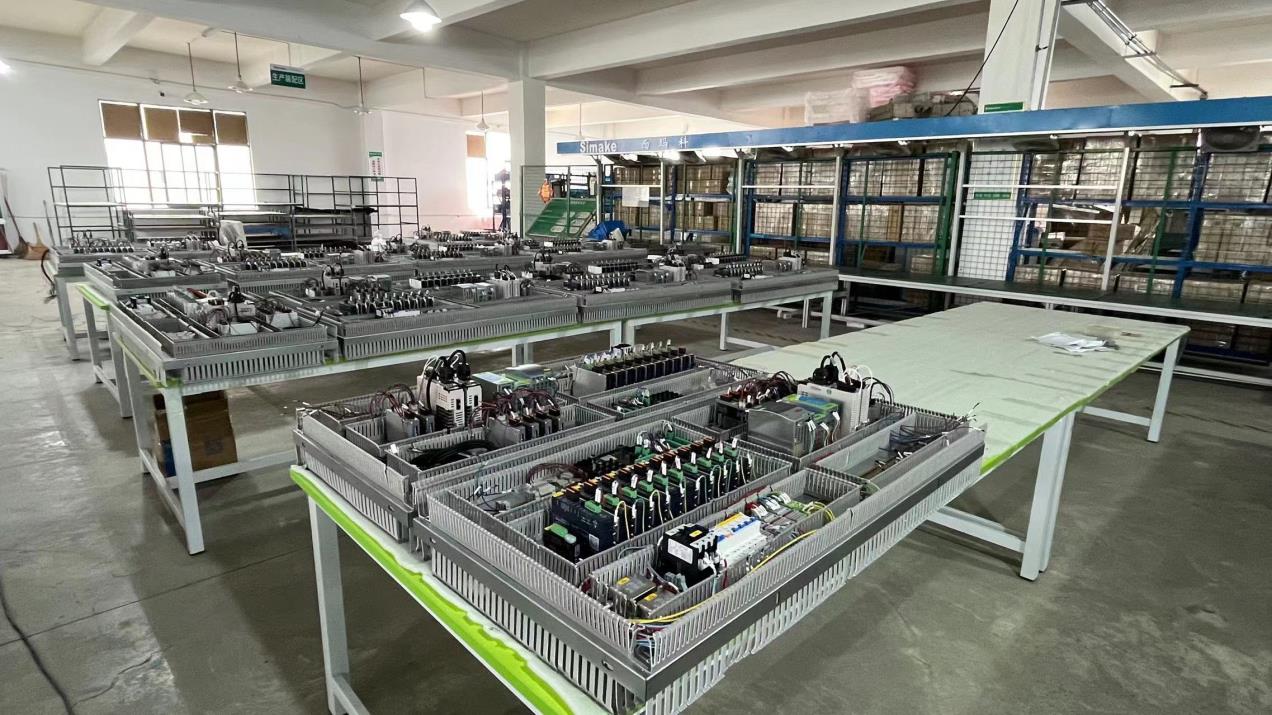
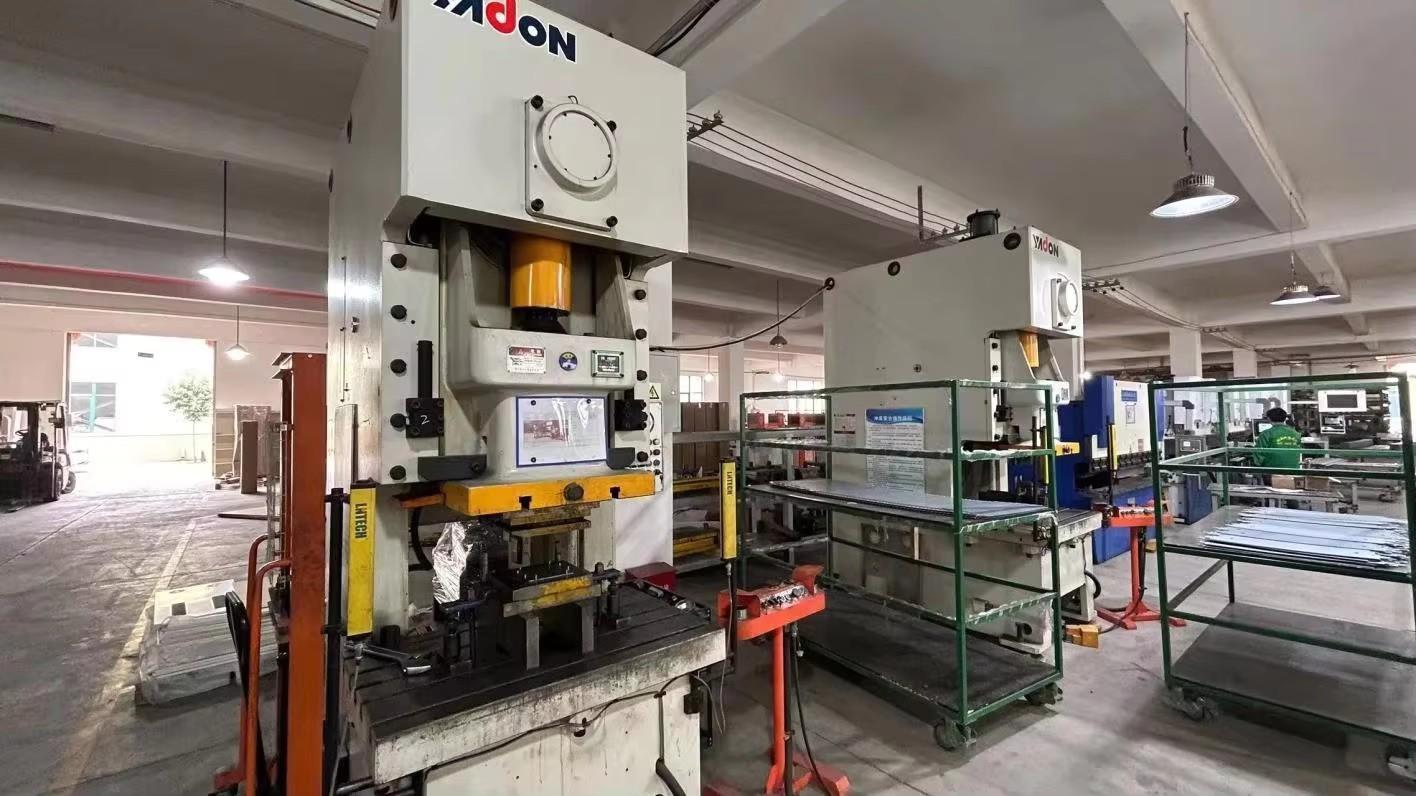
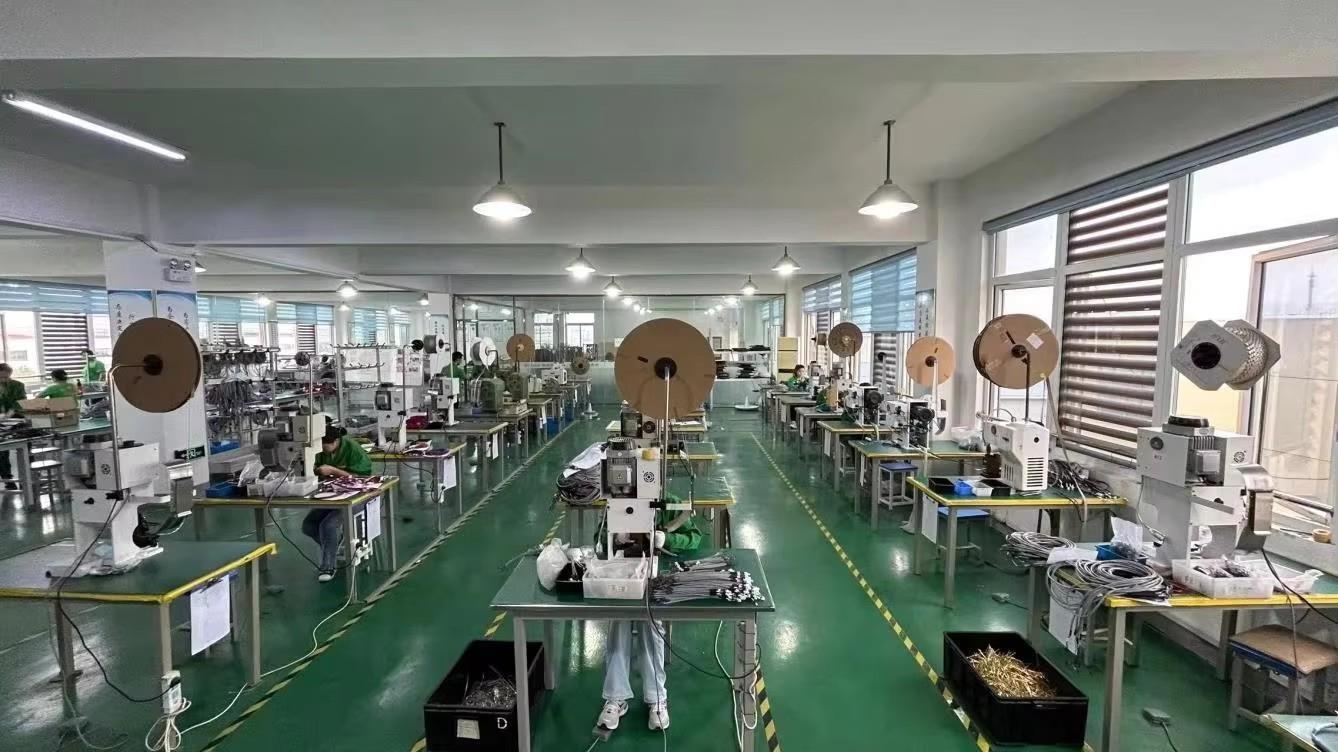
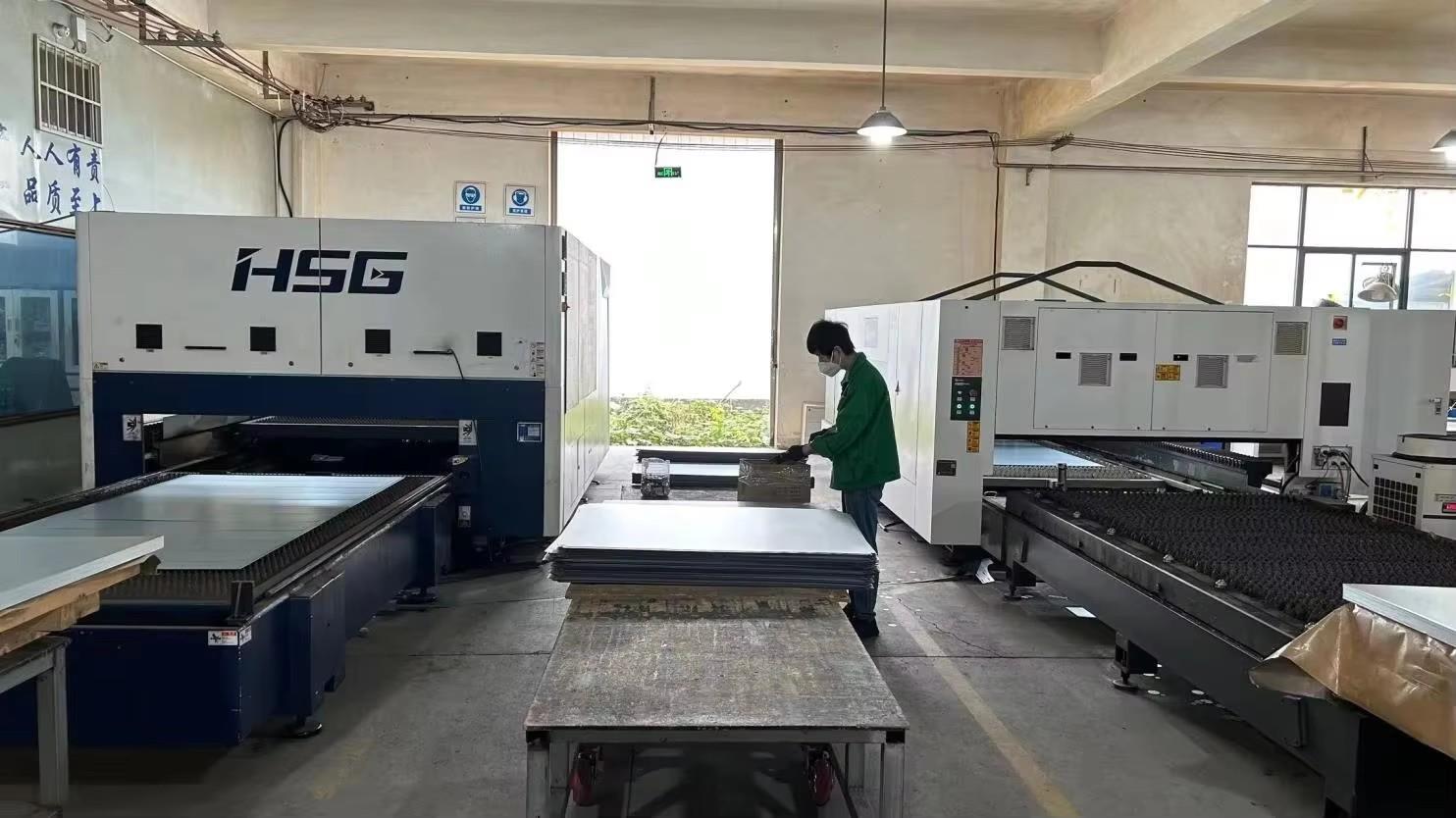
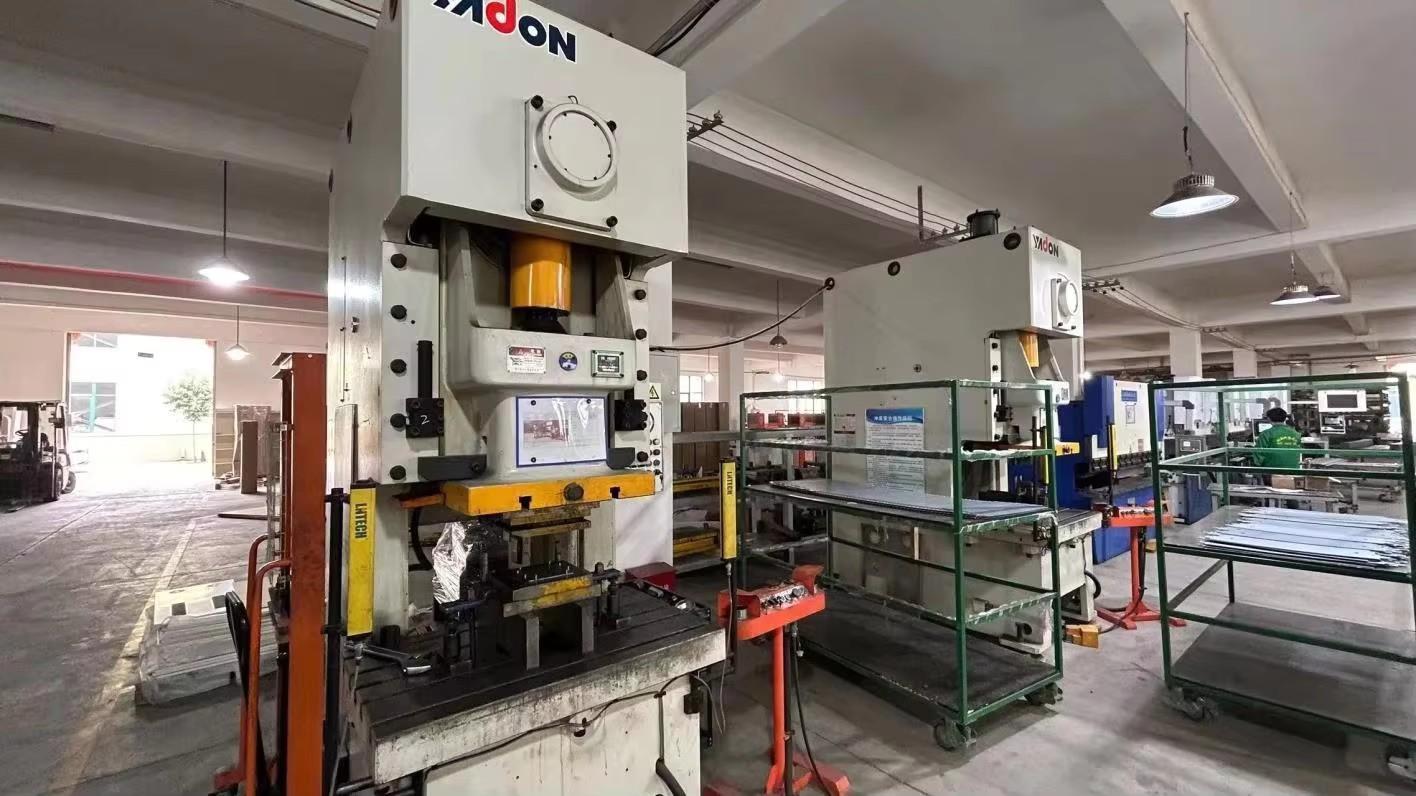
China's photovoltaic factories have transitioned from manual, labor-intensive facilities to benchmark Industry 4.0 smart manufacturing centers. The concentration of the entire PV supply chain—from raw polysilicon purification and ingot pulling to wafer slicing, cell processing, glass manufacturing, and frame extrusion—within specialized clusters creates massive logistics savings and unmatched production speed.
This localized supply chain design acts as a buffer against global transport disruptions. Smart factory platforms integrate automated guided vehicles (AGVs), real-time manufacturing execution systems (MES), and automated optical inspection (AOI) to eliminate human error, guarantee product quality, and scale output dynamically to meet global demand.
Qingdao Luzz Solar Co., Ltd. is a professional new energy enterprise specializing in the development, manufacturing, and global distribution of photovoltaic (PV) products and integrated energy storage solutions. Located in Qingdao, China, the company benefits from a well-established renewable energy industrial base and advanced manufacturing capabilities.
With the accelerating global transition toward carbon neutrality and sustainable development, Luzz Solar is committed to providing efficient, reliable, and cost-effective clean energy solutions to customers worldwide. Our product portfolio includes high-efficiency solar photovoltaic modules, energy storage systems, and integrated solar application solutions designed for residential, commercial, and utility-scale projects.
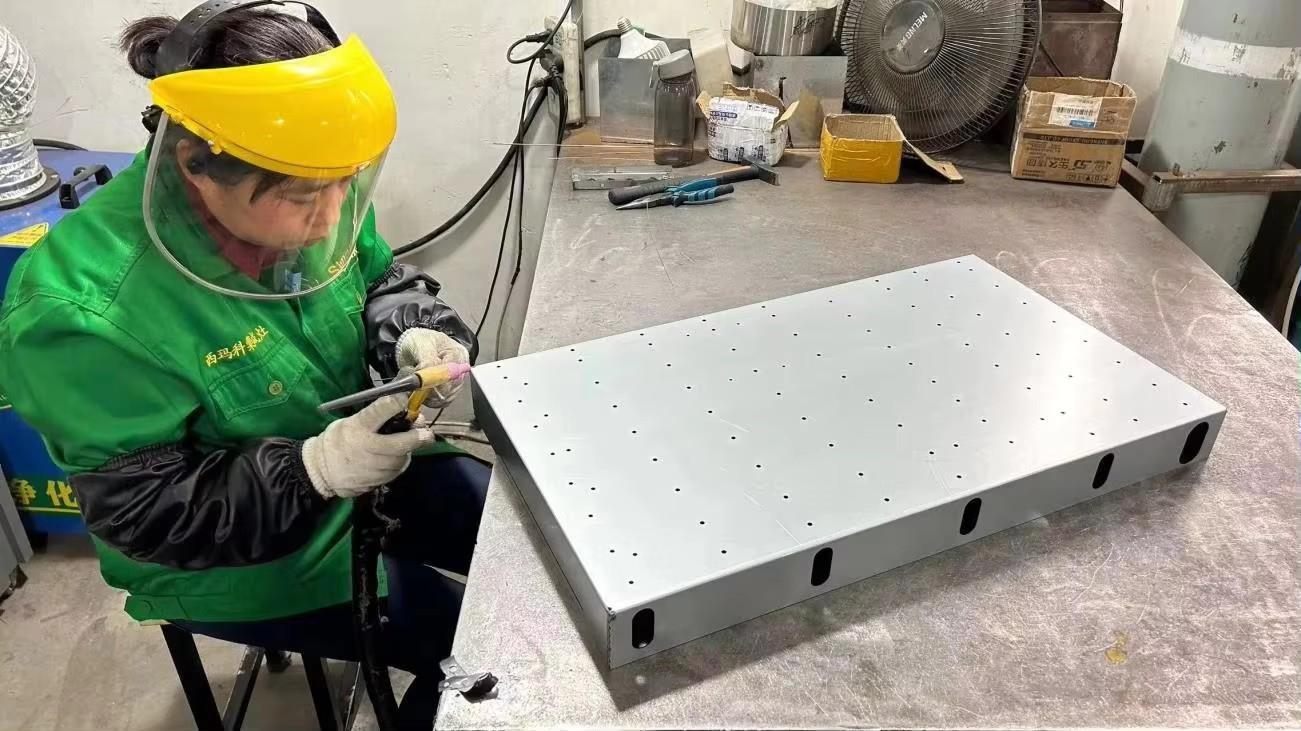
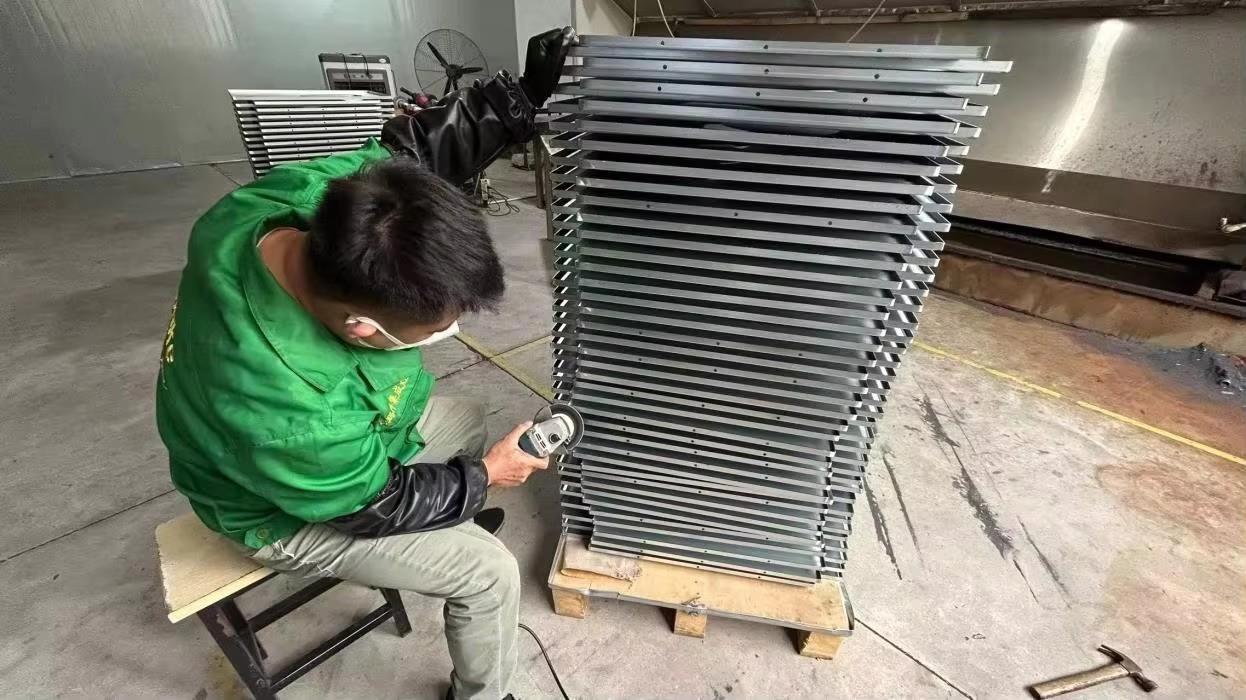
Driven by technological innovation and quality excellence, the company continuously invests in R&D and production optimization to improve product performance, energy conversion efficiency, and system reliability. We strictly adhere to international quality standards and implement rigorous quality control throughout the entire production process to ensure stable and long-term product performance.
Qingdao Luzz Solar actively expands its global market presence, with business coverage across Asia, Europe, the Middle East, Africa, and Latin America. By working closely with international partners, we are committed to delivering tailored energy solutions that meet diverse regional needs and support the global energy transition.
Guided by the core values of integrity, innovation, cooperation, and sustainability, Luzz Solar strives to become a trusted global partner in the new energy industry. We are dedicated to advancing solar technology and contributing to a greener, more sustainable future.
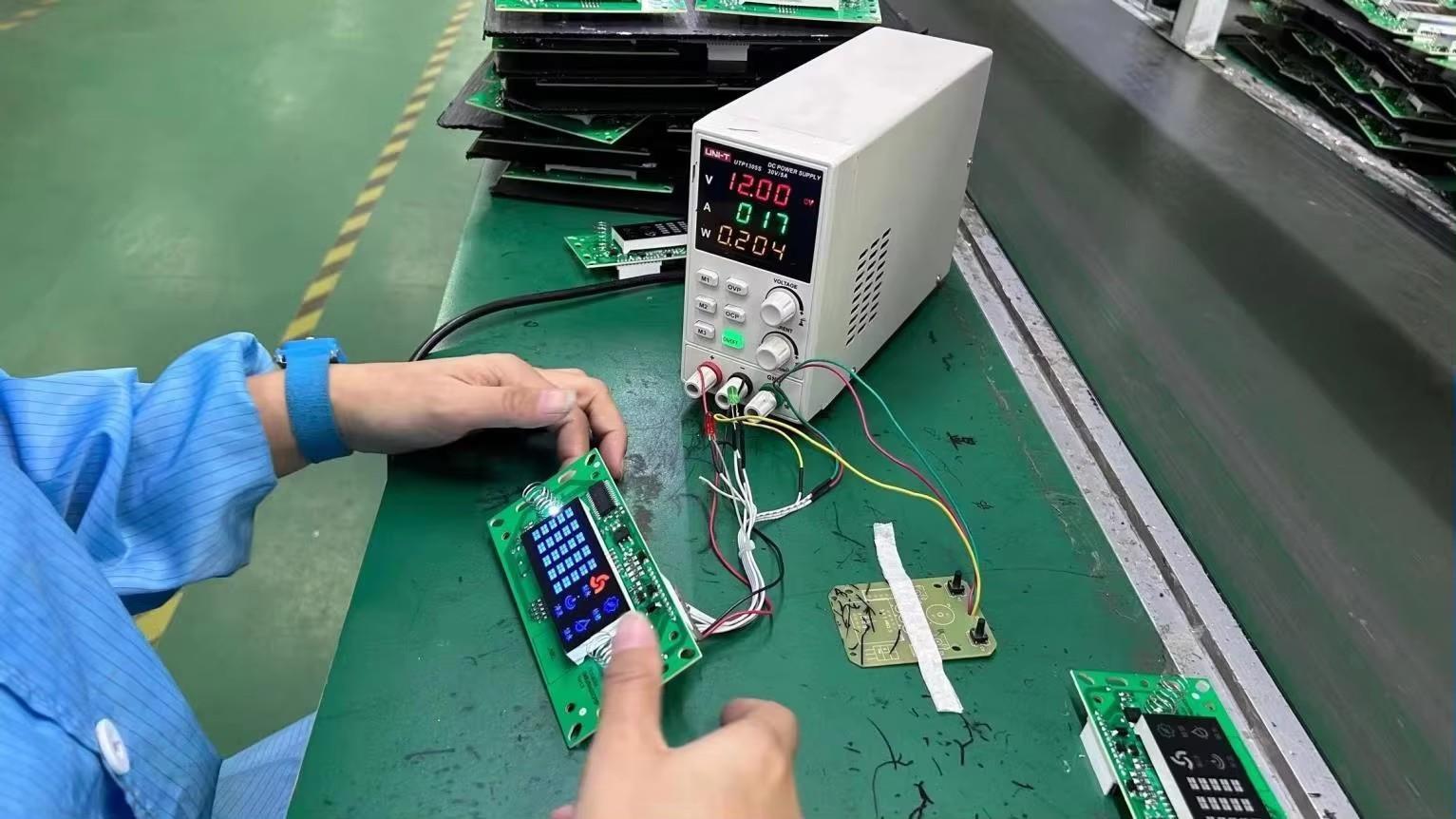
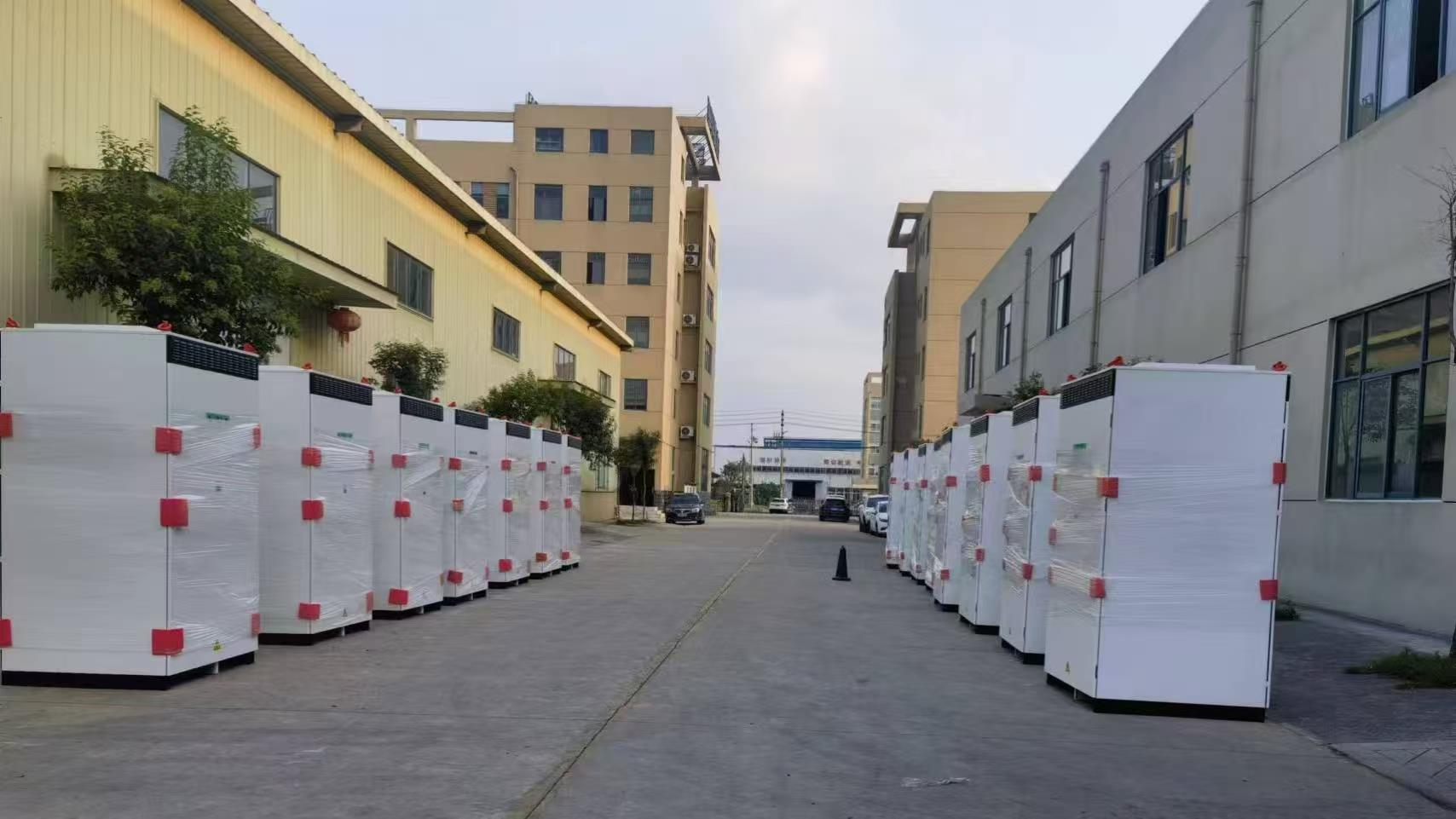
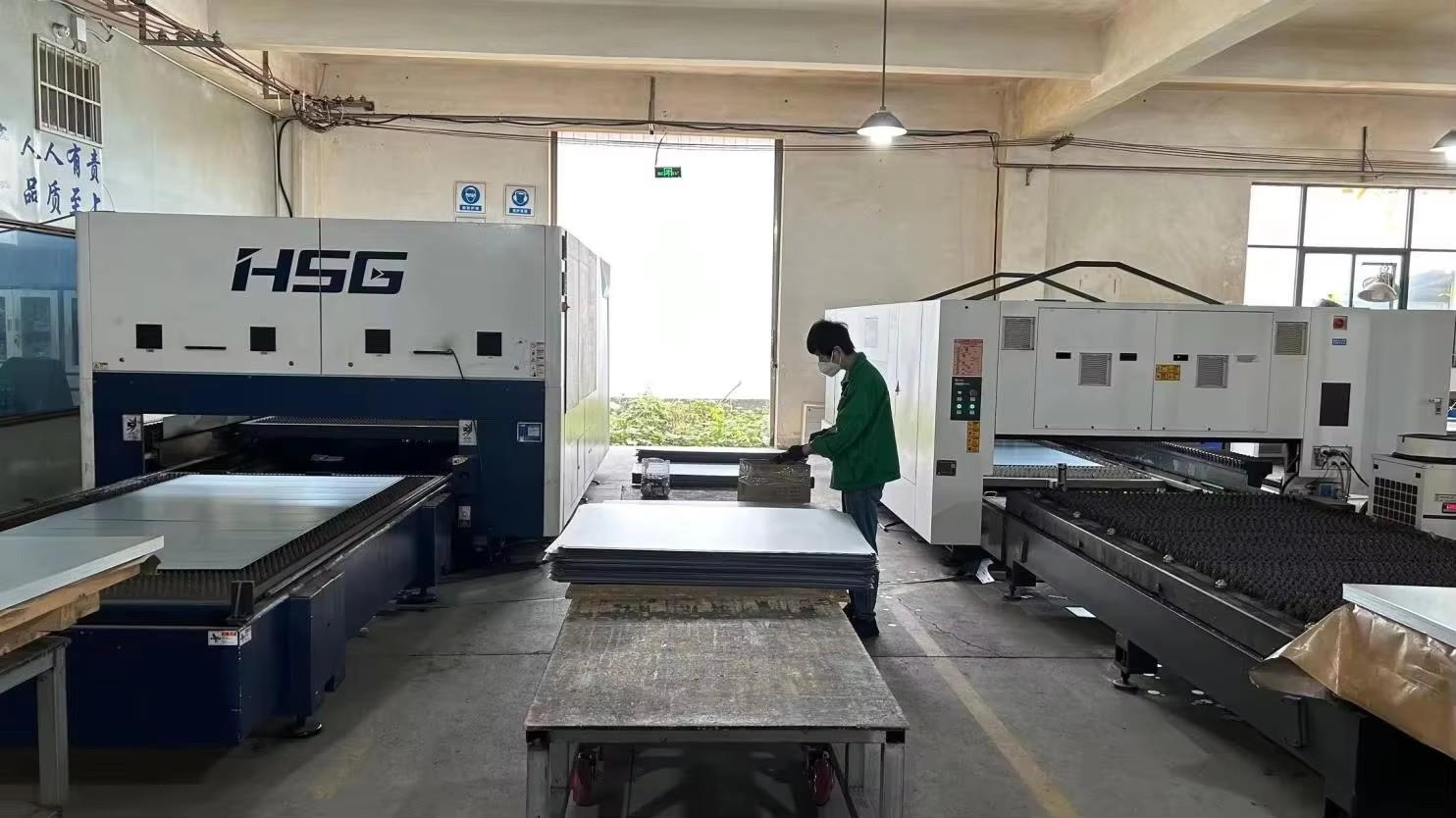
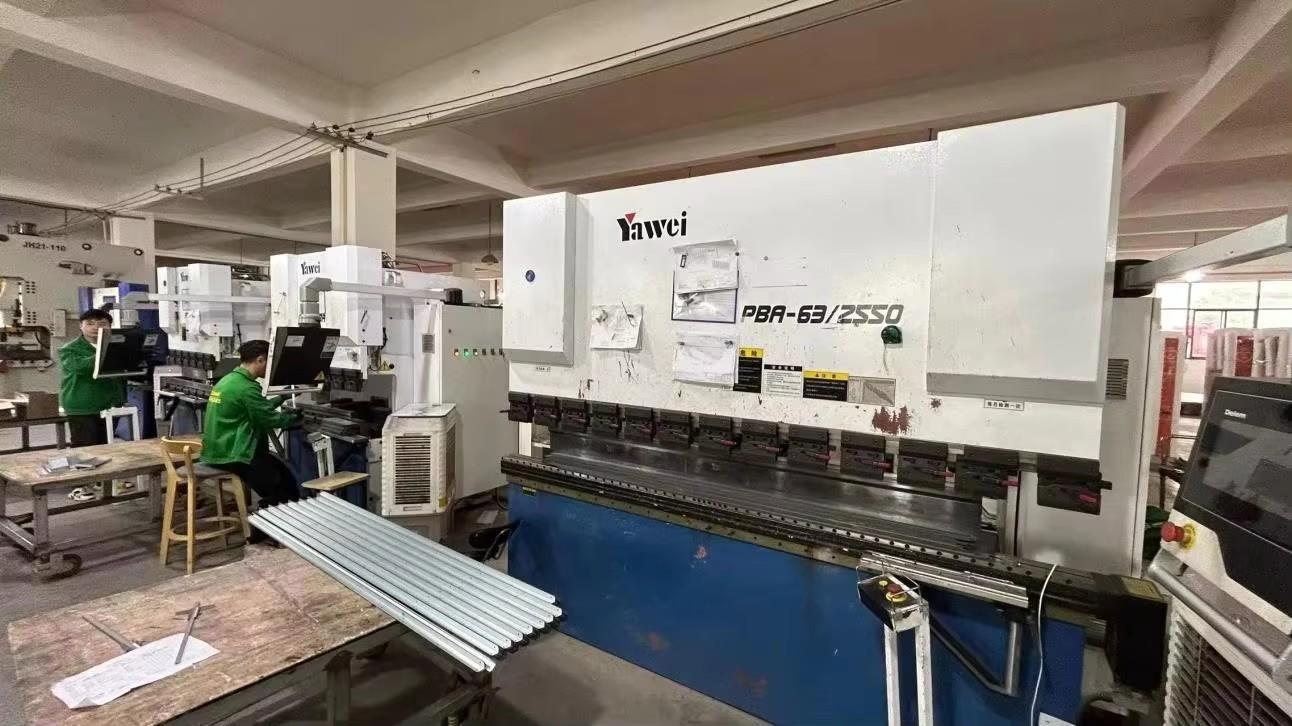
Purchasing components for utility-scale solar generation or regional energy distribution networks requires careful risk mitigation. Global procurement managers focus on balancing capital efficiency with reliable long-term performance. Ensuring compliance with regional grid codes, confirming technical certifications, and analyzing structural load ratings are essential steps when selecting a solar production partner.
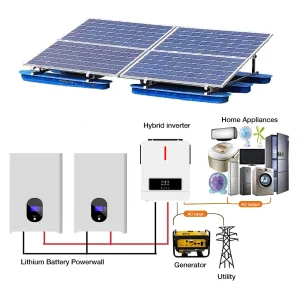
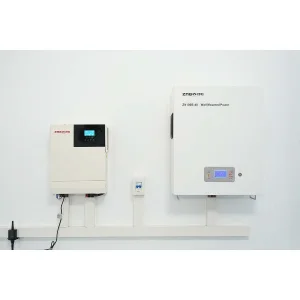
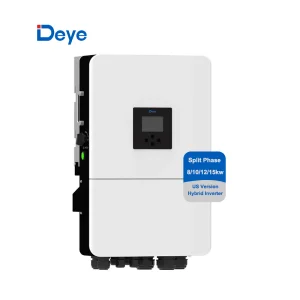
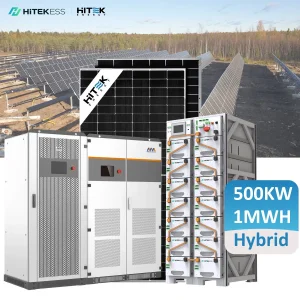
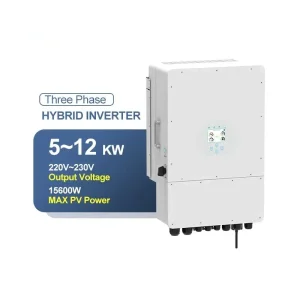
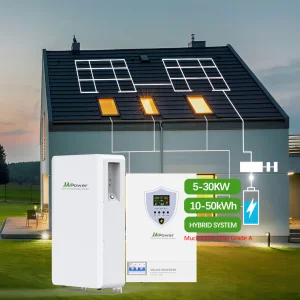
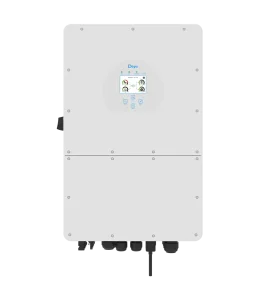
Additionally, modern project developers rarely purchase PV modules in isolation. Most project designs require integrated configurations where high-power panels, smart micro-inverters, and high-capacity battery units (ESS) work together as a unified system. Working with a supplier that offers integrated solutions simplifies system engineering, streamlines installation, and prevents compatibility issues in the field.
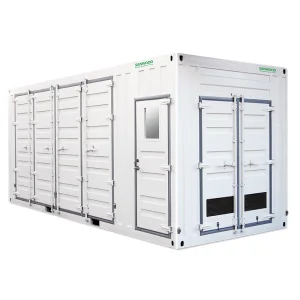
Integrating hybrid solar installations with containerized storage allows factories and distribution centers to run independent peak shaving setups and secure backup power.
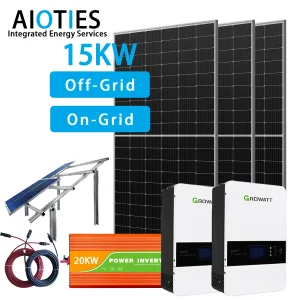
Pre-packaged off-grid setups (ranging from 3kW to 10kW) simplify rural electrification, providing consistent power without requiring extension of the main utility grid.
 Luzz Solar