Explore our highly integrated Tier-1 BESS components and solar configurations engineered for resilient commercial and residential operations.
Modern enterprise procurement teams operating across the commercial, industrial, and utility sectors no longer evaluate solar panel installations solely based on nominal capacity. The modern standard demands rigorous technical specifications that translate directly to minimized Levelized Cost of Energy (LCOE), guaranteed mechanical stability, and comprehensive supply chain traceability.
For custom OEM solutions, multi-national enterprises look for manufacturing partners capable of delivering specialized electrical characteristics (such as custom MPPT compatibility, low voltage coefficients) and unique mechanical configurations. Customized mounting systems must withstand high wind velocities, seismic zones, and corrosive marine or chemical environments. Standard off-the-shelf racking often fails in these environments, necessitating specialized structural fabrication.
"True information gain in solar procurement involves looking beyond the module efficiency to analyze the thermal stability of packaging, the structural integrity of bent and stamped frames, and the integration of battery management systems."
Furthermore, ESG (Environmental, Social, and Governance) targets require complete transparency in material sourcing. Global procurers inspect manufacturing processes from the purity of raw silicon ingot down to the heavy-metal containment structures. Working with a dedicated OEM partner guarantees that the delivered hardware aligns seamlessly with local compliance audits and grid integration policies.
We ensure compliance with global import regulations, trace materials down to the source, and carry structural testing under extreme simulated environmental loads.
Our solutions target a 25-to-30-year operational life with minimal degradation. Highly integrated thermal management avoids early capacity loss in battery storage cells.
Bridge the gap between raw power generation and system efficiency with engineering tailored to high-density commercial frameworks.
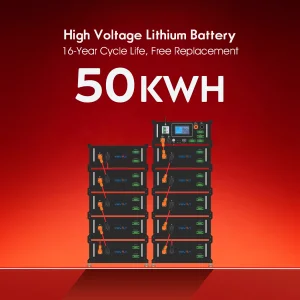
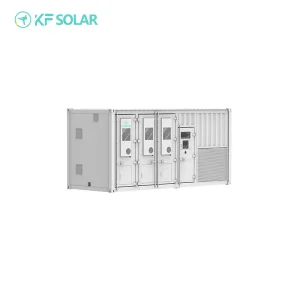
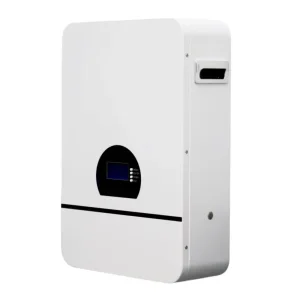
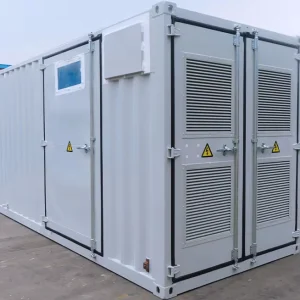
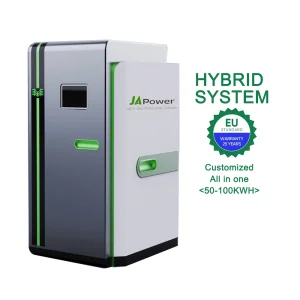
Deploying hybrid PV systems combined with high-voltage LiFePO4 battery storage containers (ranging from 1MWH to 30MWH) to provide constant backup, frequency regulation, and load leveling for power-sensitive industries.
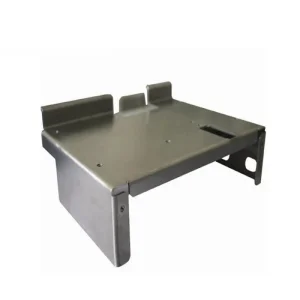
Leveraging specialized manufacturing capabilities to supply bent and stamped stainless steel base sheets, precision brackets, and support components designed to anchor heavy PV installations against mechanical forces.
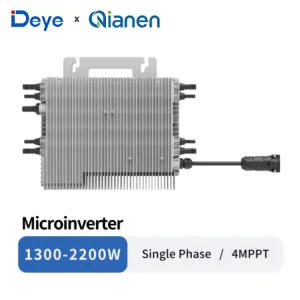
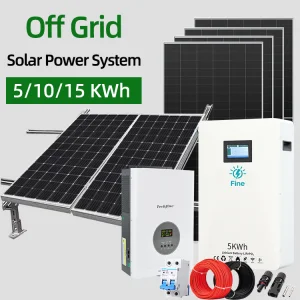
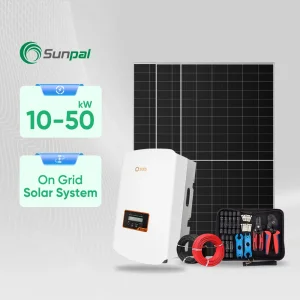
Smart on-grid and off-grid solutions using multi-MPPT microinverters and high-efficiency panels to optimize irregular roof shapes, reducing shading-related capacity losses by up to 20% compared to string systems.
The global PV industry is rapidly moving beyond standard P-type PERC cells. Modern enterprise installations prioritize N-Type Tunnel Oxide Passivated Contact (TOPCon) and Heterojunction (HJT) technologies. These cell architectures exhibit near-zero Light-Induced Degradation (LID) and boast a vastly superior temperature coefficient. In hot regions, such as desert climates, N-type modules generate up to 5-10% more energy over their operating lifetime compared to older configurations.
As grid saturation limits feed-in tariffs worldwide, storing excess solar energy has become essential. Large-scale utility containers utilizing liquid cooling technology represent the peak of safety. Compared to traditional forced-air ventilation systems, liquid-cooled setups achieve a temperature variance of less than 3°C across all battery modules, resulting in uniform cell aging, reduced thermal runway risk, and extended lifecycle counts.
The next decade of solar development will be defined by smart integration. Solar systems are changing from simple power generation arrays to intelligent, dynamic energy hubs capable of adjusting to real-time grid changes.
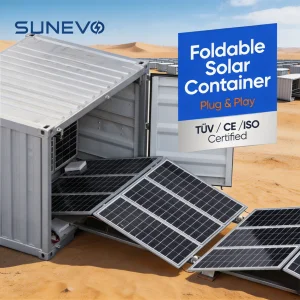
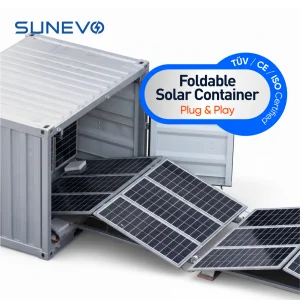
On the structural front, the development of BIPV (Building Integrated Photovoltaics) and foldable containerized solar plants is reshaping modular energy deployment. Foldable solar configurations allow for rapid setup and relocation, serving military, remote mining, and disaster relief purposes. Combined with localized plug-and-play microgrids, these systems deliver instant clean energy without the need for complex, long-term engineering construction.
Looking ahead, we anticipate the commercial viability of perovskite-silicon tandem cells, pushing practical efficiency boundaries past 30%. In parallel, the transition to software-defined energy storage will utilize machine learning algorithms to predict load fluctuations, charge batteries at optimal pricing intervals, and execute automated grid arbitrage operations.
Understanding regional energy demands, structural requirements, and local policy frameworks.
Driven by strict safety mandates (NEC rapid shutdown compliance) and local content incentives (Inflation Reduction Act). Grid connections require UL and IEEE certified energy storage systems coupled with robust structural certifications for high wind loads and snow loads.
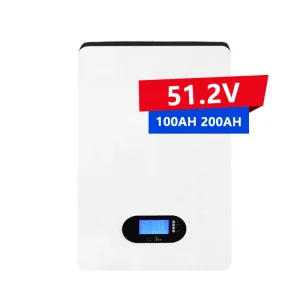
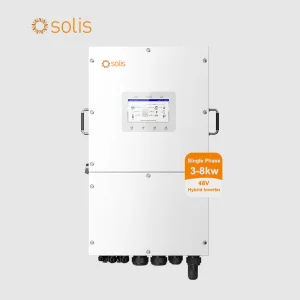
Focusing heavily on localized grid support, RePowerEU mandates, and localized distribution networks. Fast response, EN-certified hybrid inverters and low-voltage residential batteries are critical for grid stability amidst unpredictable winter generation drops.
Characterized by extreme temperatures, high dust levels, and remote utility challenges. Projects require highly insulated, liquid-cooled battery containers and solar modules with low thermal degradation coefficients and robust structural stamping bases.
Qingdao Luzz Solar Co., Ltd.
Qingdao Luzz Solar Co., Ltd. is a professional new energy enterprise specializing in the development, manufacturing, and global distribution of photovoltaic (PV) products and integrated energy storage solutions. Located in Qingdao, China, the company benefits from a well-established renewable energy industrial base and advanced manufacturing capabilities.
With the accelerating global transition toward carbon neutrality and sustainable development, Luzz Solar is committed to providing efficient, reliable, and cost-effective clean energy solutions to customers worldwide. Our product portfolio includes high-efficiency solar photovoltaic modules, energy storage systems, and integrated solar application solutions designed for residential, commercial, and utility-scale projects.
Driven by technological innovation and quality excellence, the company continuously invests in R&D and production optimization to improve product performance, energy conversion efficiency, and system reliability. We strictly adhere to international quality standards and implement rigorous quality control throughout the entire production process to ensure stable and long-term product performance.
Qingdao Luzz Solar actively expands its global market presence, with business coverage across Asia, Europe, the Middle East, Africa, and Latin America. By working closely with international partners, we are committed to delivering tailored energy solutions that meet diverse regional needs and support the global energy transition.
Guided by the core values of integrity, innovation, cooperation, and sustainability, Luzz Solar strives to become a trusted global partner in the new energy industry. We are dedicated to advancing solar technology and contributing to a greener, more sustainable future.
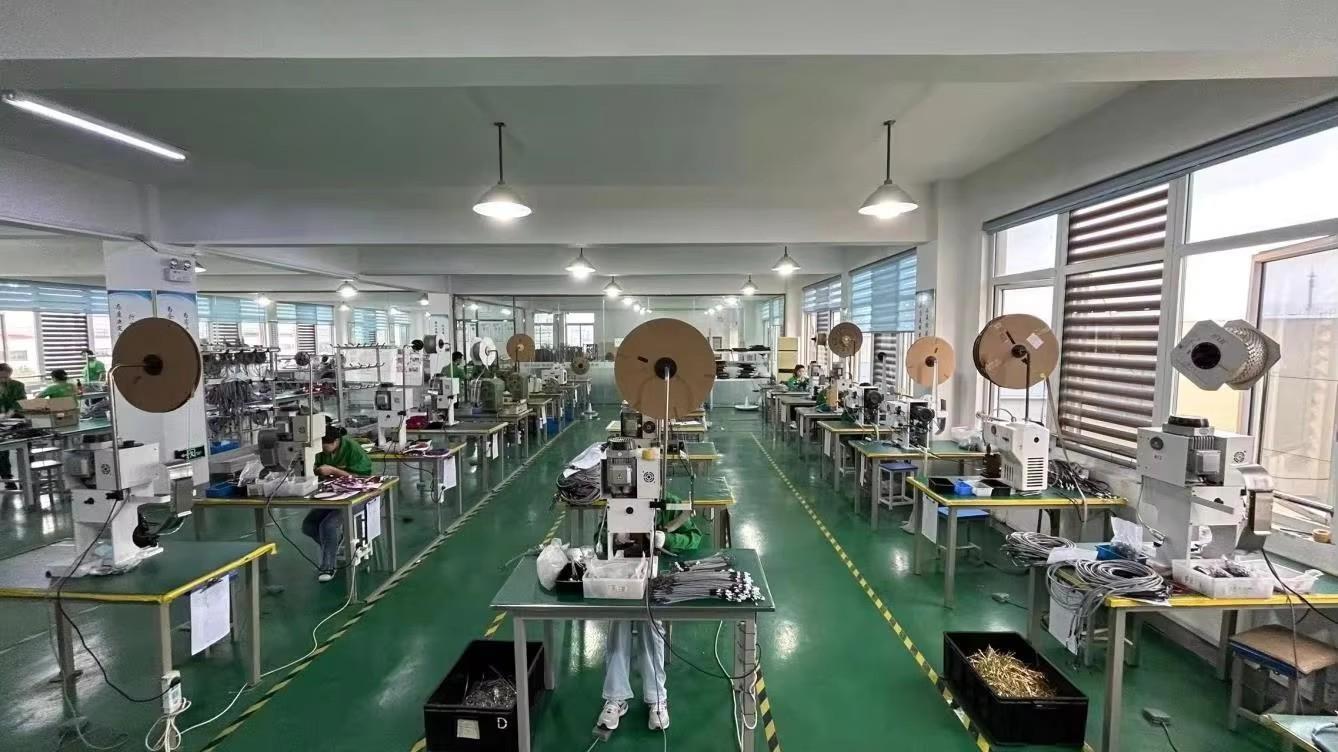
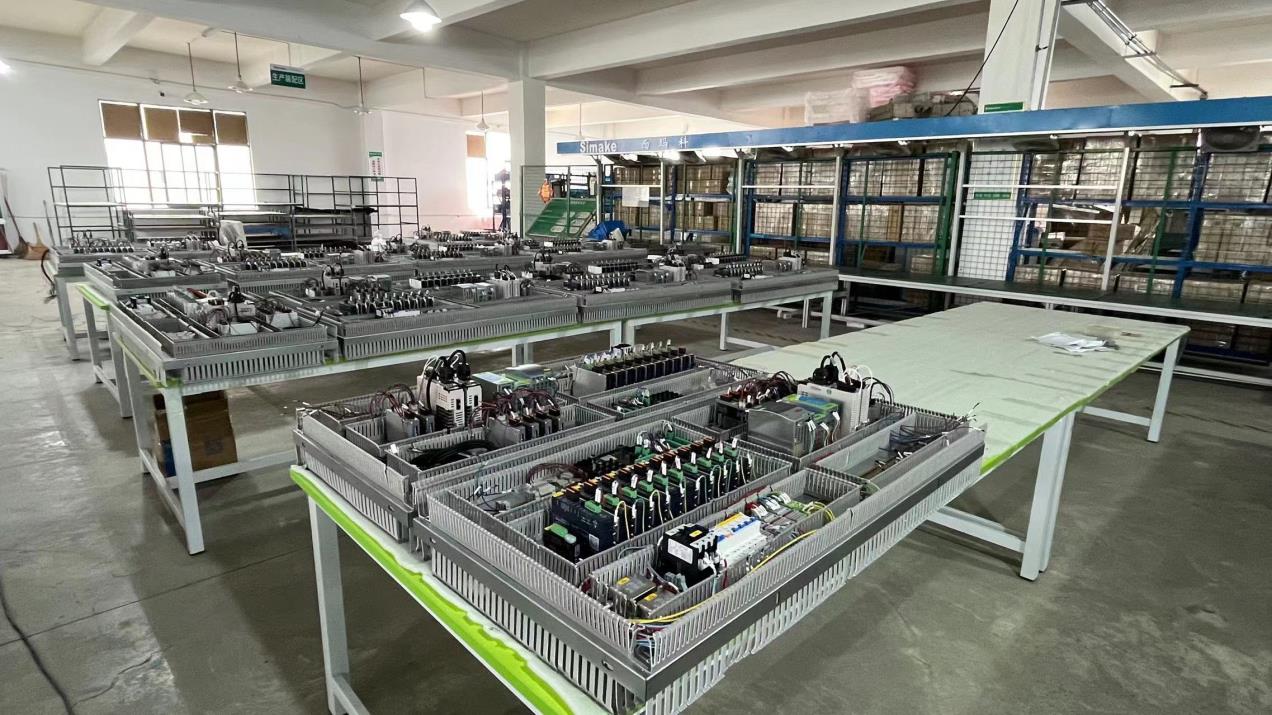
Take a look inside our state-of-the-art manufacturing pipeline, where raw components are transformed into certified solar and BESS units under strict quality control.
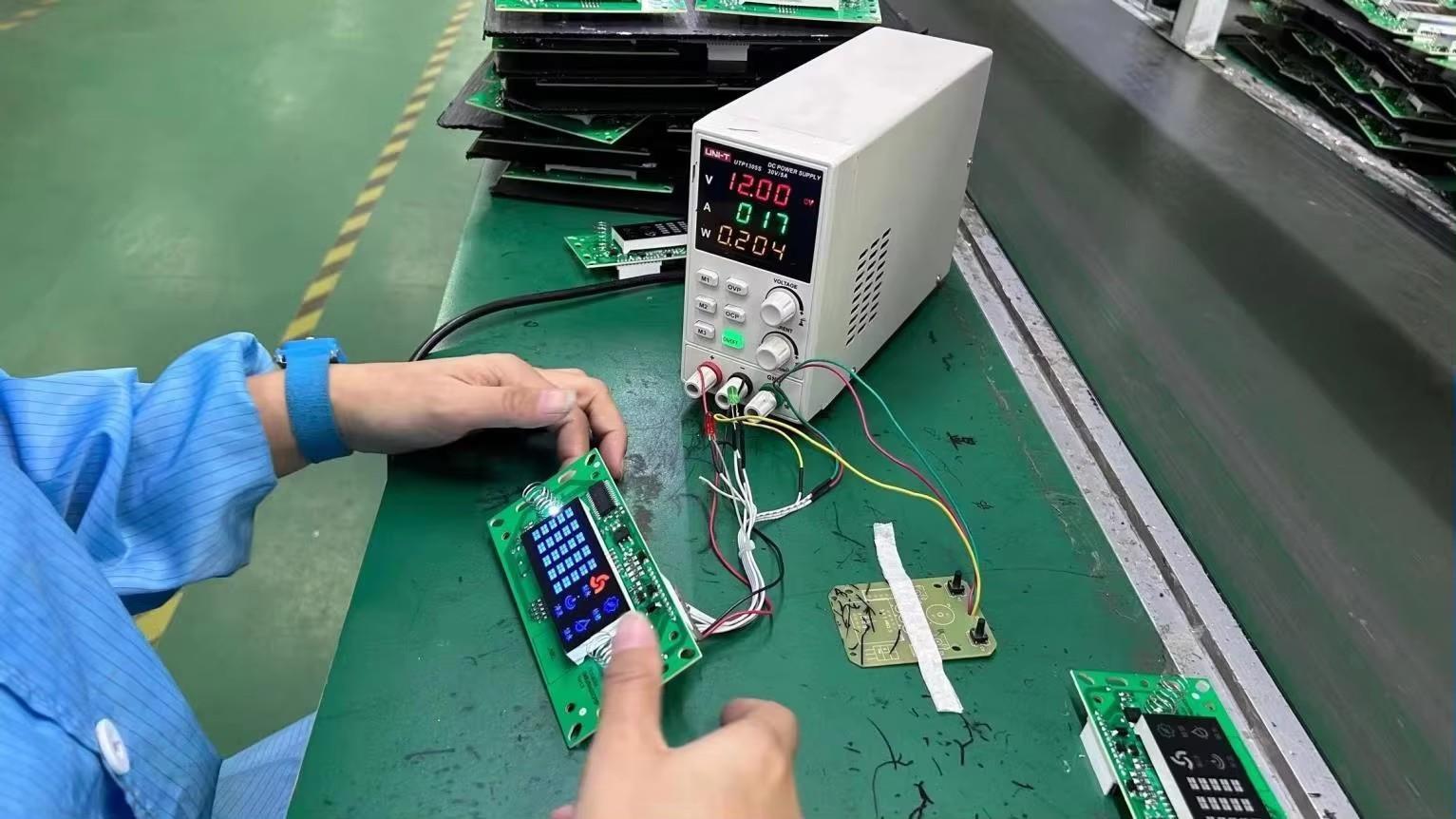
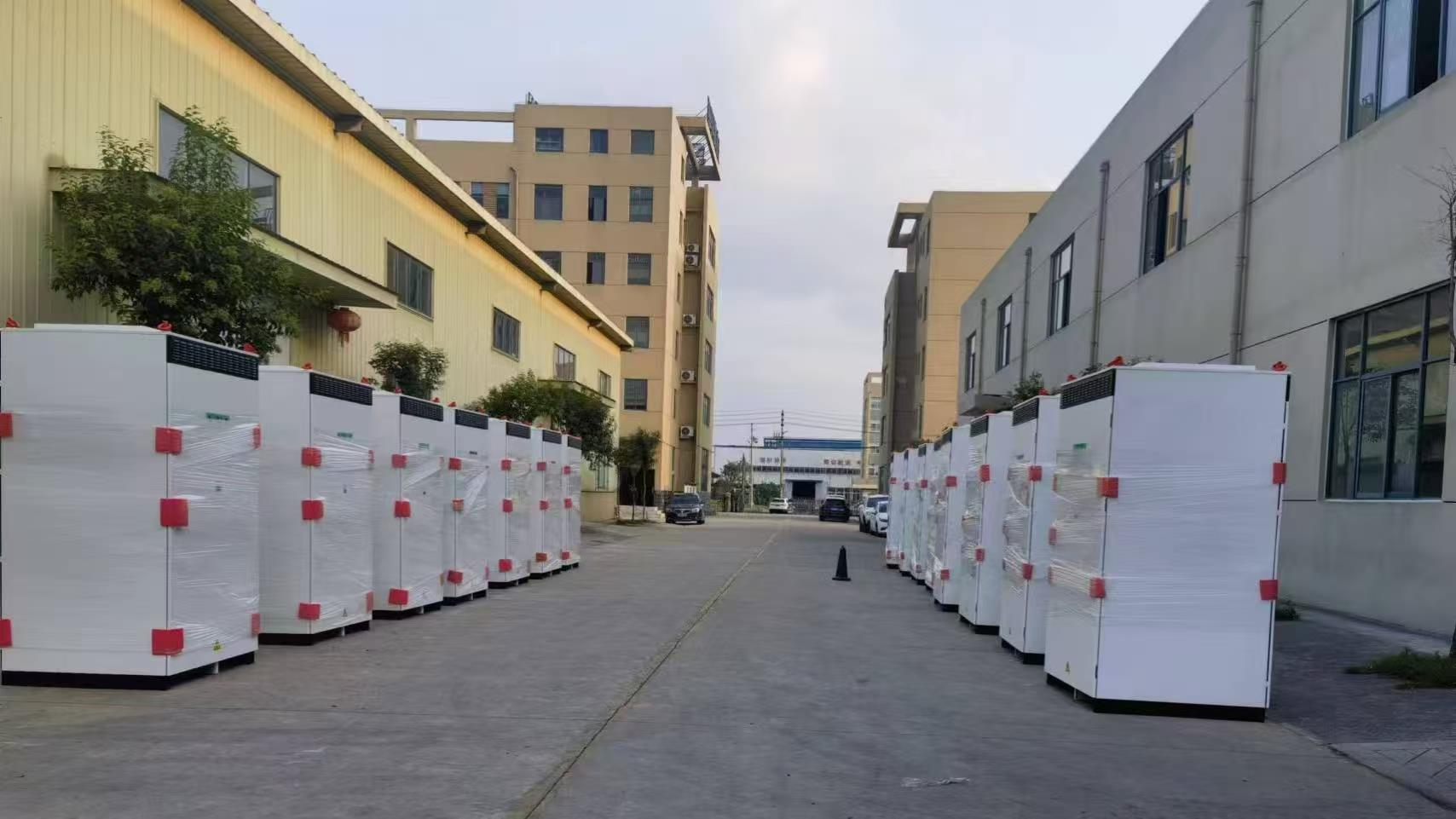
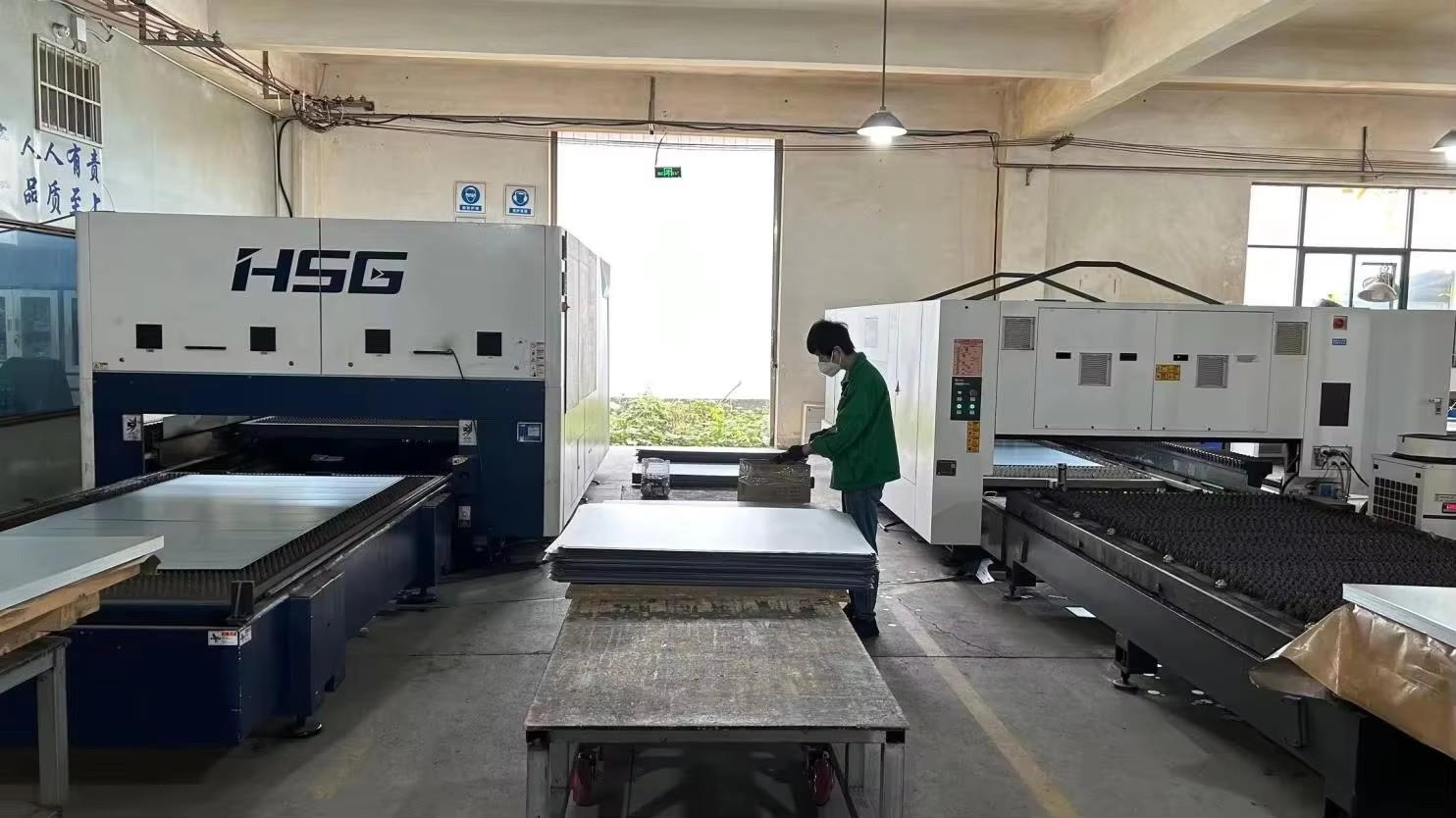
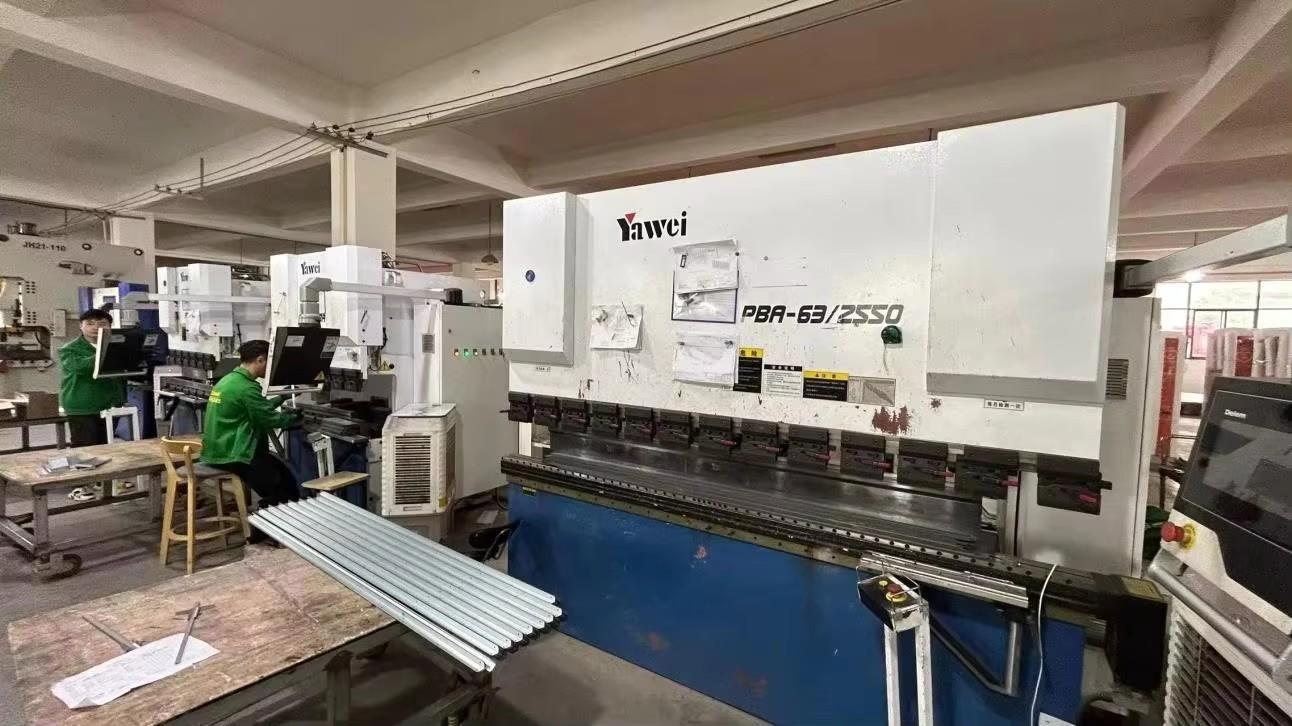
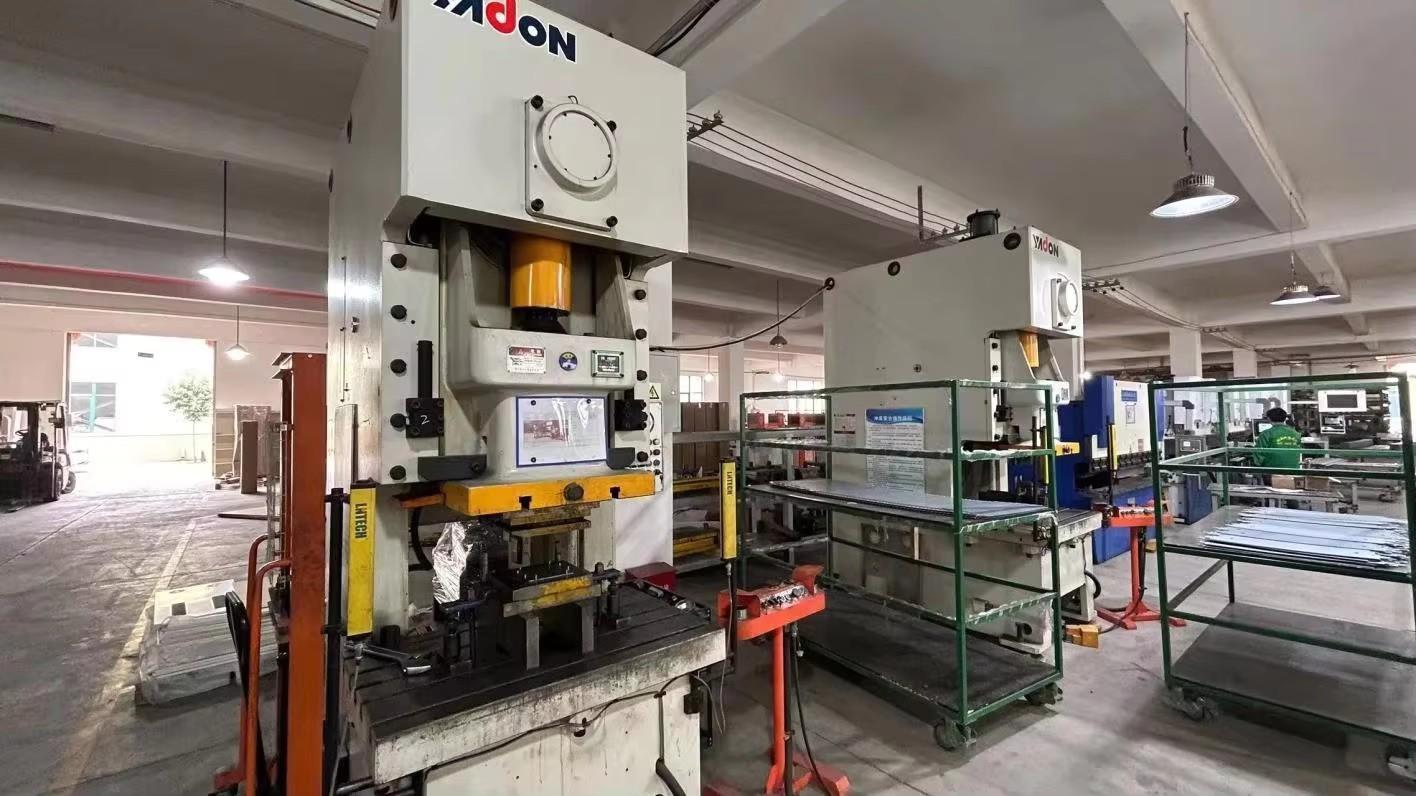
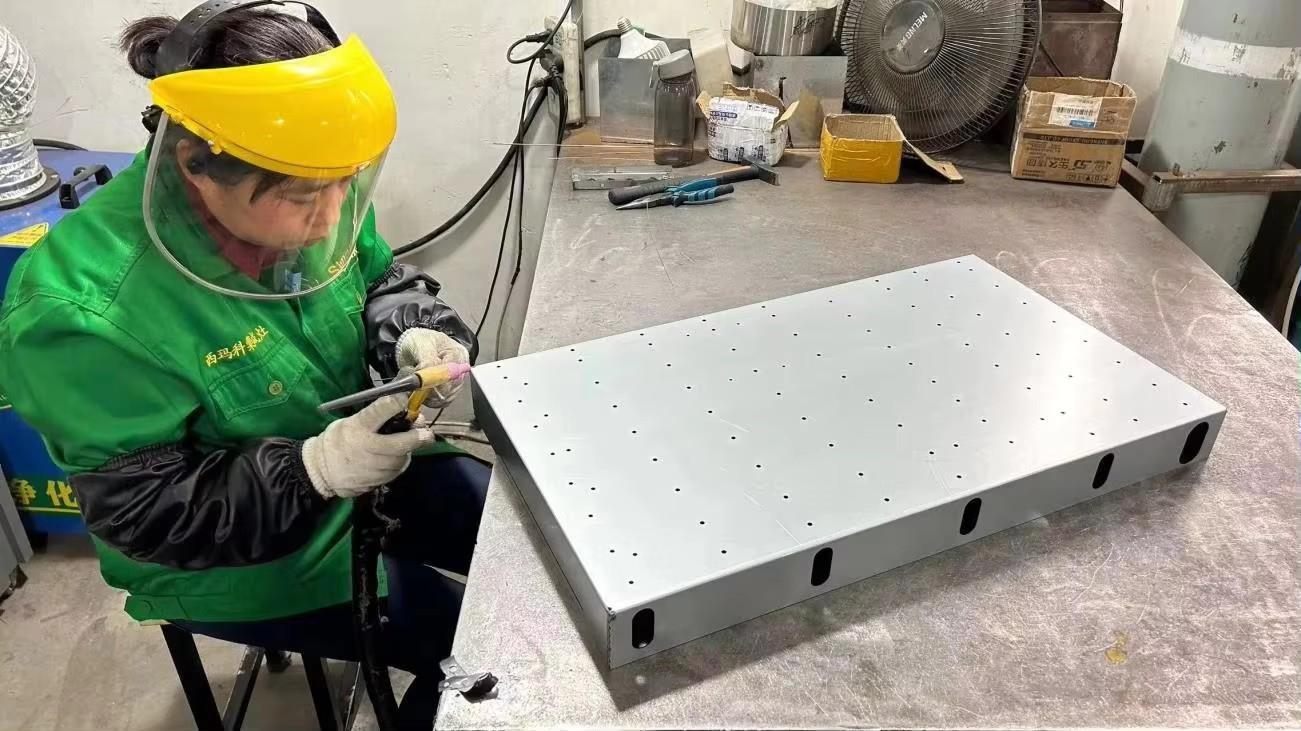
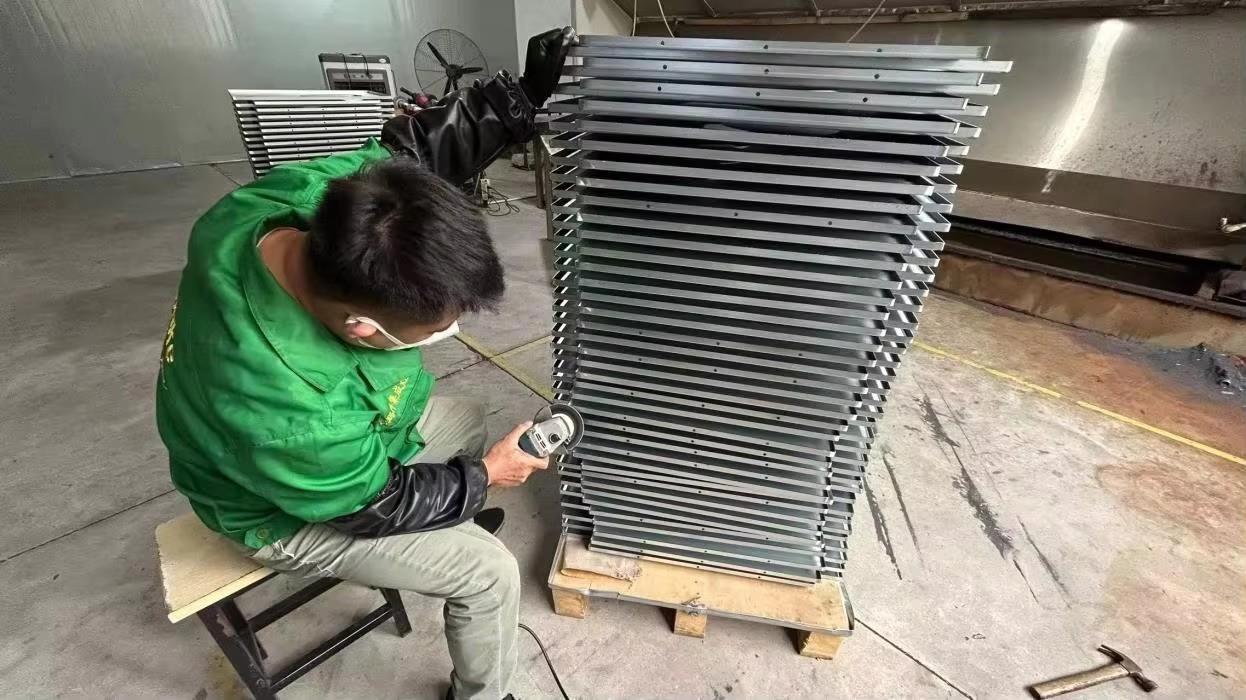
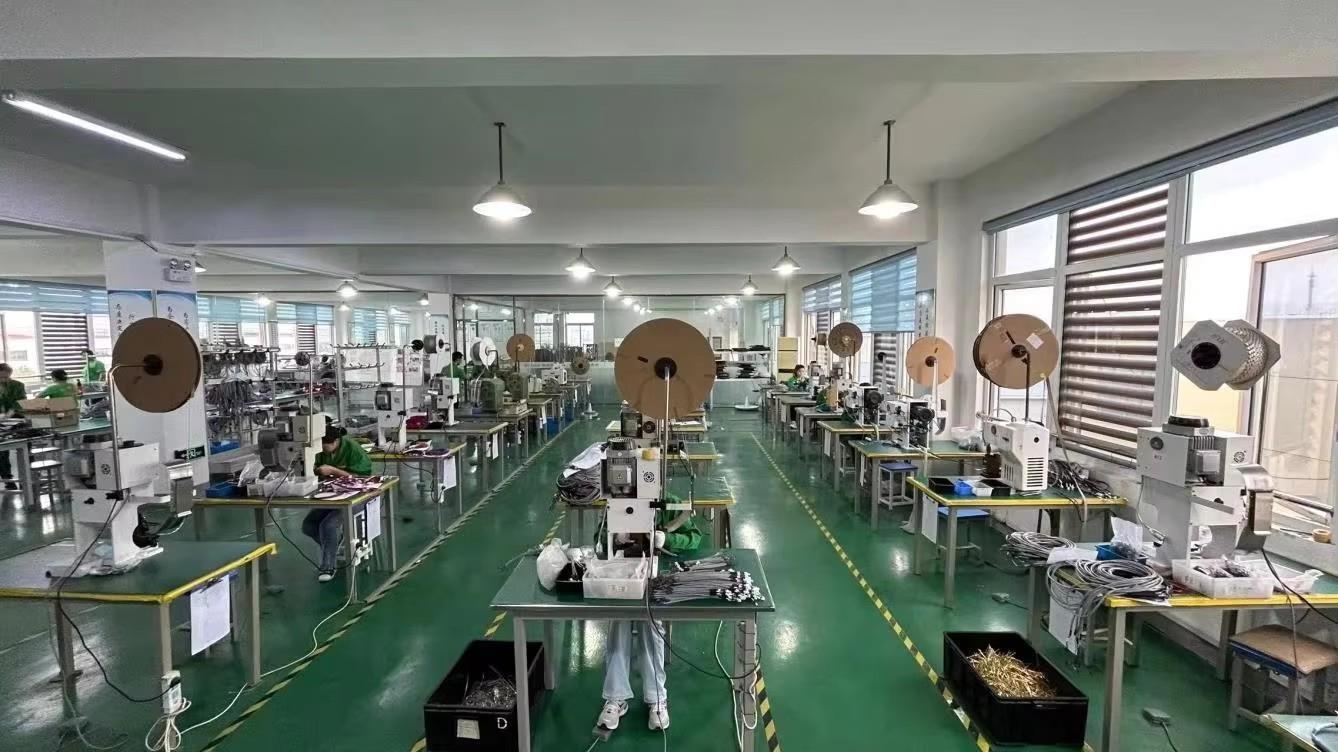
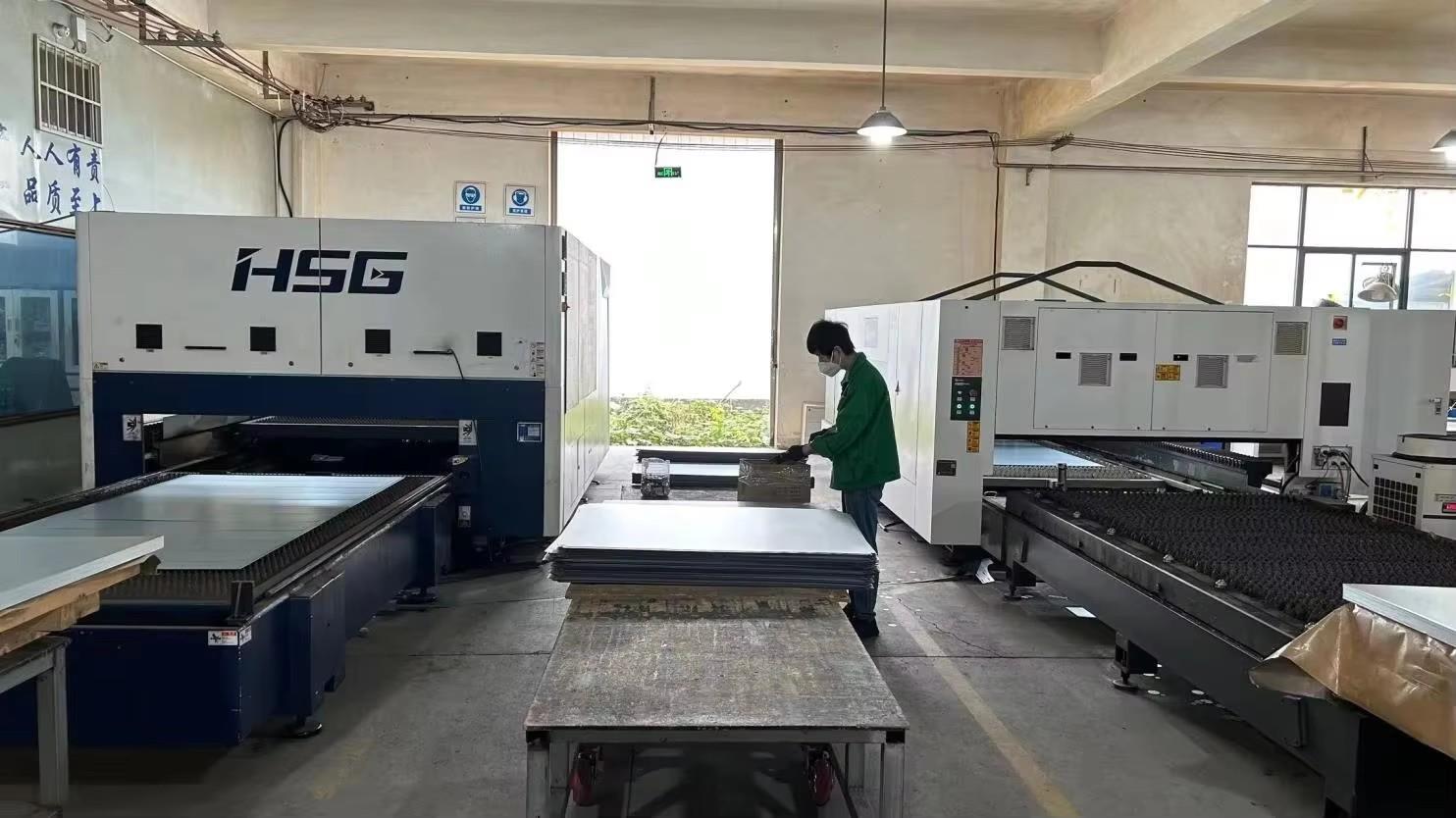
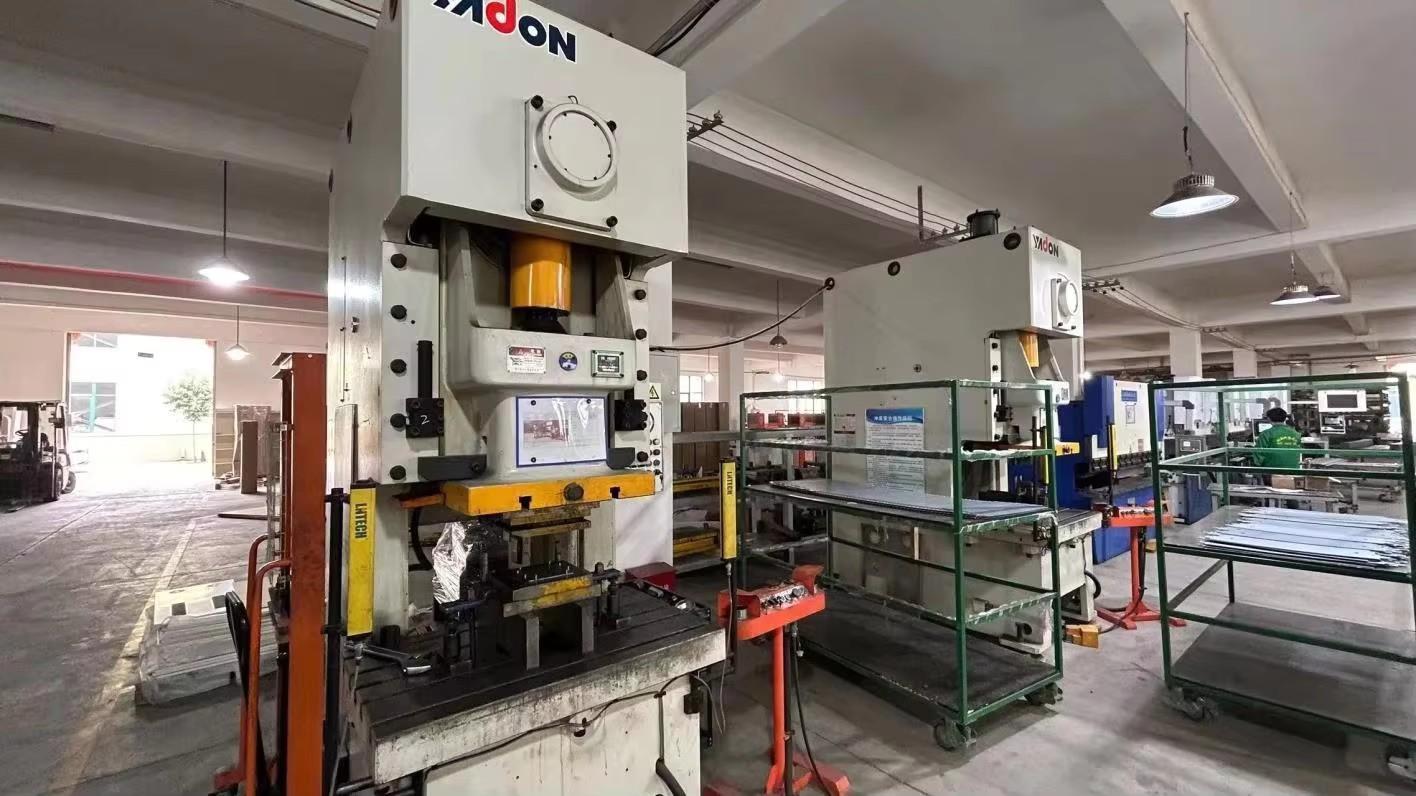
Navigating the complexity of grid connections requires a partner who understands international regulatory landscapes. At Luzz Solar, we build compliance directly into our engineering design cycle. We verify that each product line meets the necessary local standards, ensuring smooth site approvals and reducing project lead times.
Our global support framework covers technical documentation, product liability insurance, and localization support. We offer certified engineering layouts for seismic zones, wind loading validations, and electrical protection design. This guarantees that your installation remains fully compliant with regional requirements throughout its lifecycle.
Our solar systems and inverters meet national grid codes, including low-voltage ride-through (LVRT) capabilities and harmonic distortion limits, supporting seamless utility connections.
We provide full transparency reports on our raw materials, supporting clear supply chain compliance for international trade regulations.
Addressing the technical, operational, and procurement queries of global commercial enterprises.
Liquid cooling systems use fluid tubes running throughout the battery array to absorb heat directly, maintaining a temperature variance below 3°C between cells. In contrast, air cooling relies on forced ventilation, which can lead to variance levels of up to 10°C in high ambient temperatures. This temperature variance causes uneven cell degradation, reducing overall system lifetime. Liquid cooling allows for tighter cell packaging, saving up to 40% of physical site footprint.
We analyze site-specific wind speeds, soil parameters, and corrosion levels. Utilizing advanced stamping, bending, and laser cutting machines, we manufacture brackets, rails, and structural bases from marine-grade stainless steel or hot-dip galvanized steel. This customized structural approach ensures long-term durability and mechanical safety across commercial rooftop and utility-scale installations.
High-voltage battery storage systems (e.g., 200V–800V+) reduce current flow for the same power output compared to 48V setups. Lower current results in reduced resistive losses (I²R losses) along the cabling, improving round-trip efficiency. High-voltage architectures also align more closely with grid-tied inverter DC input requirements, eliminating the need for step-up DC-DC converters and lowering system complexity.
Standard string systems rely on the lowest-performing panel to determine the output of the entire string. If shading, dust, or structural angles block light from one module, the performance of the entire loop decreases. Microinverters provide Maximum Power Point Tracking (MPPT) at the individual panel level, ensuring each module performs independently. This design prevents system-wide losses, maximizing generation on complex or partially shaded commercial roofs.
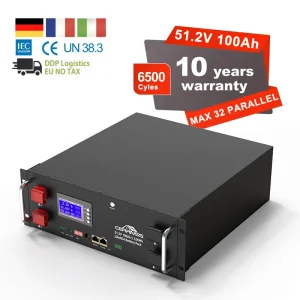
Our battery packs utilize premium Lithium Iron Phosphate (LiFePO4) chemistry, which has a higher thermal runaway threshold compared to NMC options. The integrated Battery Management System (BMS) monitors voltage, temperature, and current at the cell level. In the event of an anomaly, the system automatically isolates the affected module and communicates with the system controller, ensuring reliable operation under varying conditions.
Browse our advanced microinverters, off-grid kits, and industrial components designed to complete and support your solar installations.
 Luzz Solar