Deploy our tier-1 components and integrated solar-plus-storage platforms engineered to maximize return on investment and bolster system resilience.
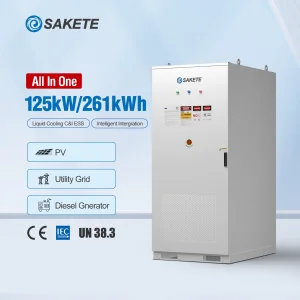
The global transition toward a decentralized, decarbonized energy matrix is accelerating at an unprecedented pace. Commercial and Industrial (C&I) energy consumers are confronting volatile energy pricing, grid instability, and increasingly strict environmental, social, and governance (ESG) mandates. In response, Battery Energy Storage Systems (BESS) have transformed from a niche technology for backup power into a critical economic asset for global industries.
Across Europe, North America, and parts of the Asia-Pacific region, grid operator dynamics have changed. Demands on national grids have triggered peak-demand charges and penalization systems for poor power factor and distribution loading. C&I energy storage solutions solve this bottleneck. By implementing high-capacity systems, enterprises can leverage energy arbitrage—charging batteries during off-peak windows when renewable generation is abundant and discharging during maximum demand intervals. This dynamic is rewriting the operational cost structures of manufacturing hubs, data centers, cold storage warehouses, and large institutional sites.
Additionally, the transition to smarter power systems is driven by policy. Incentives such as the Inflation Reduction Act (IRA) in the US and the European Green Deal emphasize local resilience and decarbonization. Modern energy storage is no longer just about buying batteries—it requires complex system integration. Operators demand full stack coordination, integrating PV, grid-forming inverters, battery management systems (BMS), and advanced energy management systems (EMS) to interact with smart grids and participate in virtual power plants (VPP).
China produces more than 75% of the world’s lithium-ion battery packs and holds deep upstream integration across raw mineral refinement, cathode/anode production, cell manufacturing, and mechanical assembly. This complete supply chain is why global companies partner with Chinese manufacturers to deploy commercial-scale energy storage. The proximity of tier-1 cell suppliers (such as CATL, EVE, and REPT) directly to advanced integration hubs like Qingdao means faster turnaround times, strict quality control, and unparalleled cost-to-performance ratios.
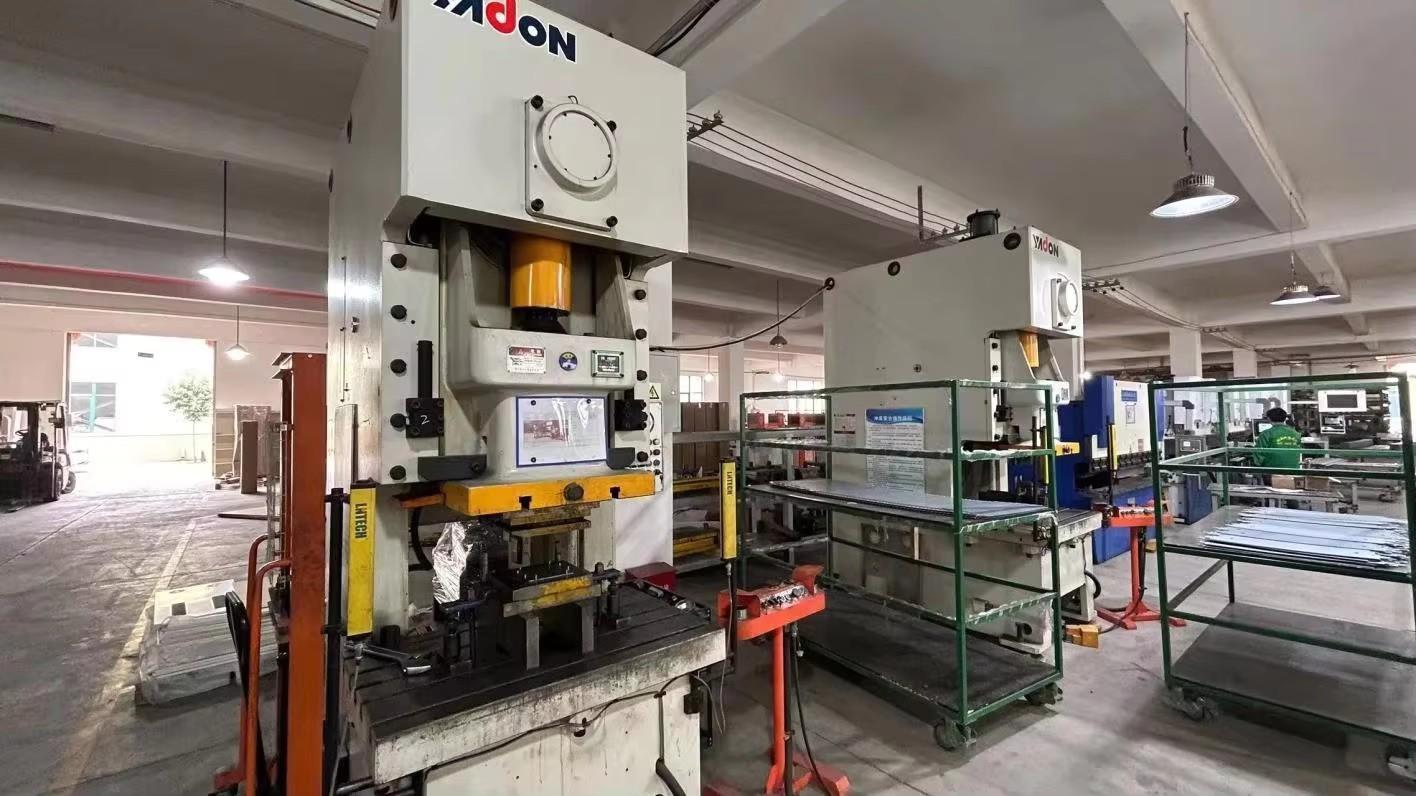
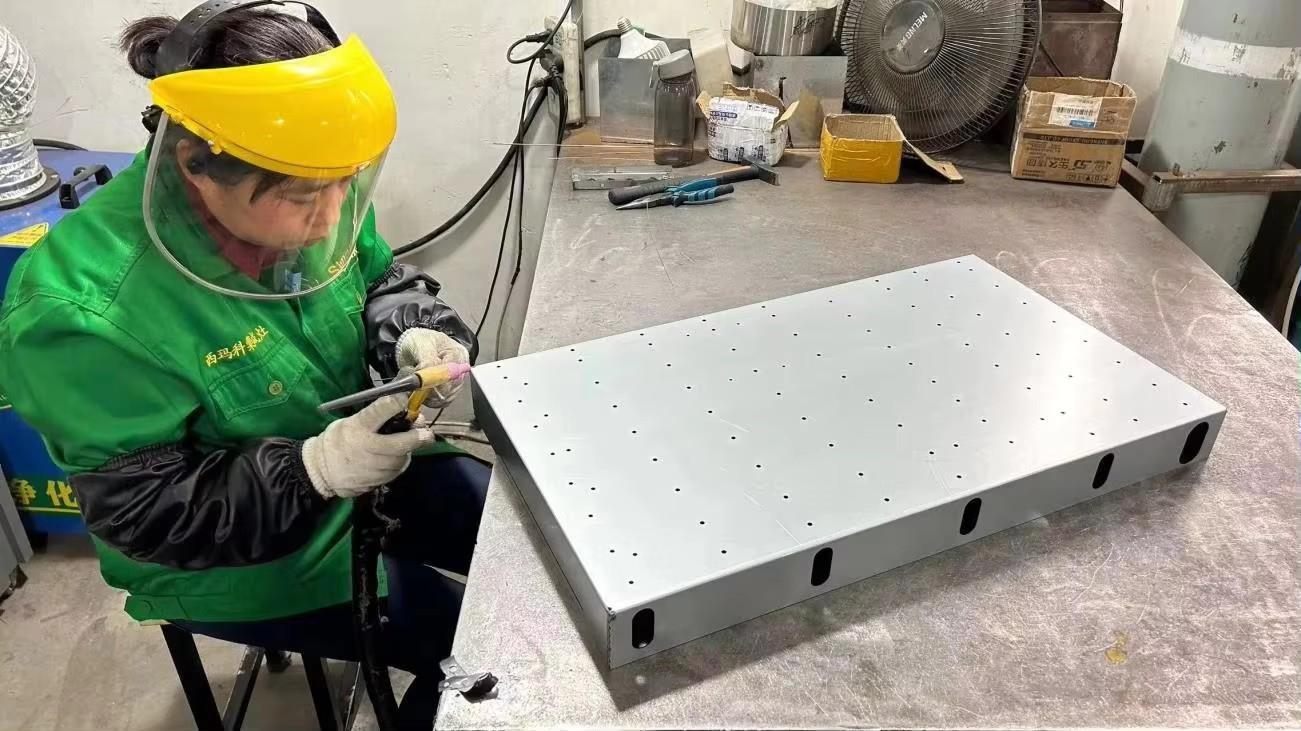
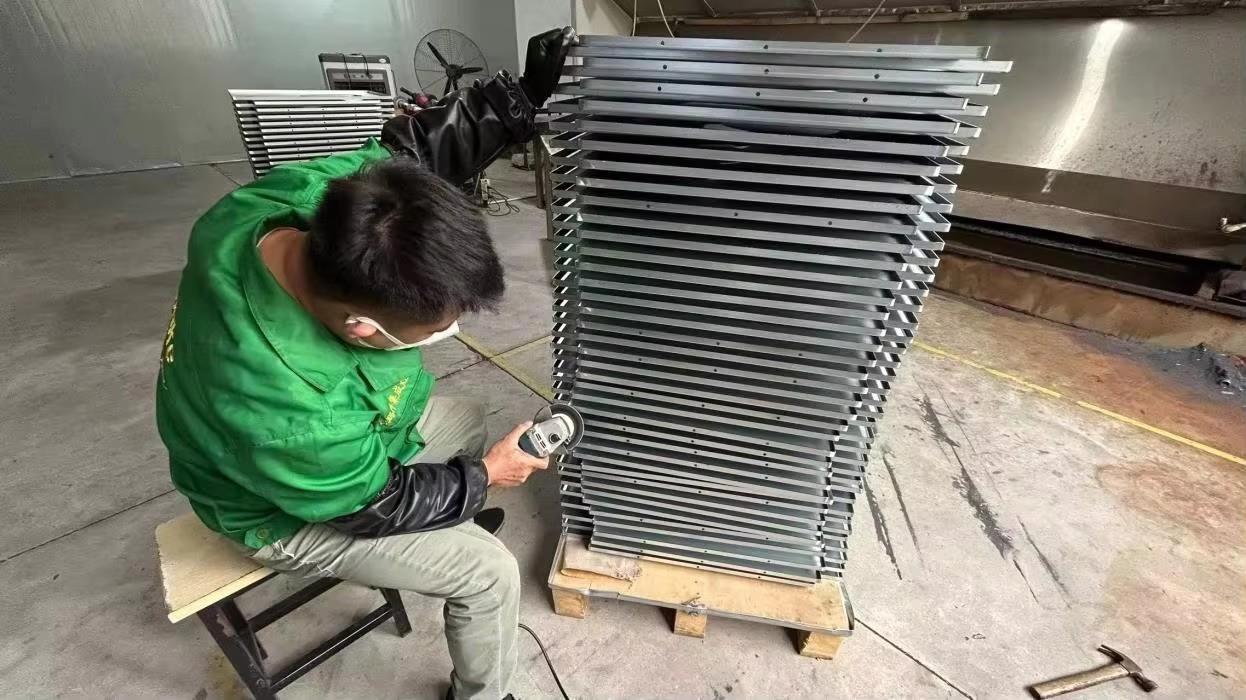
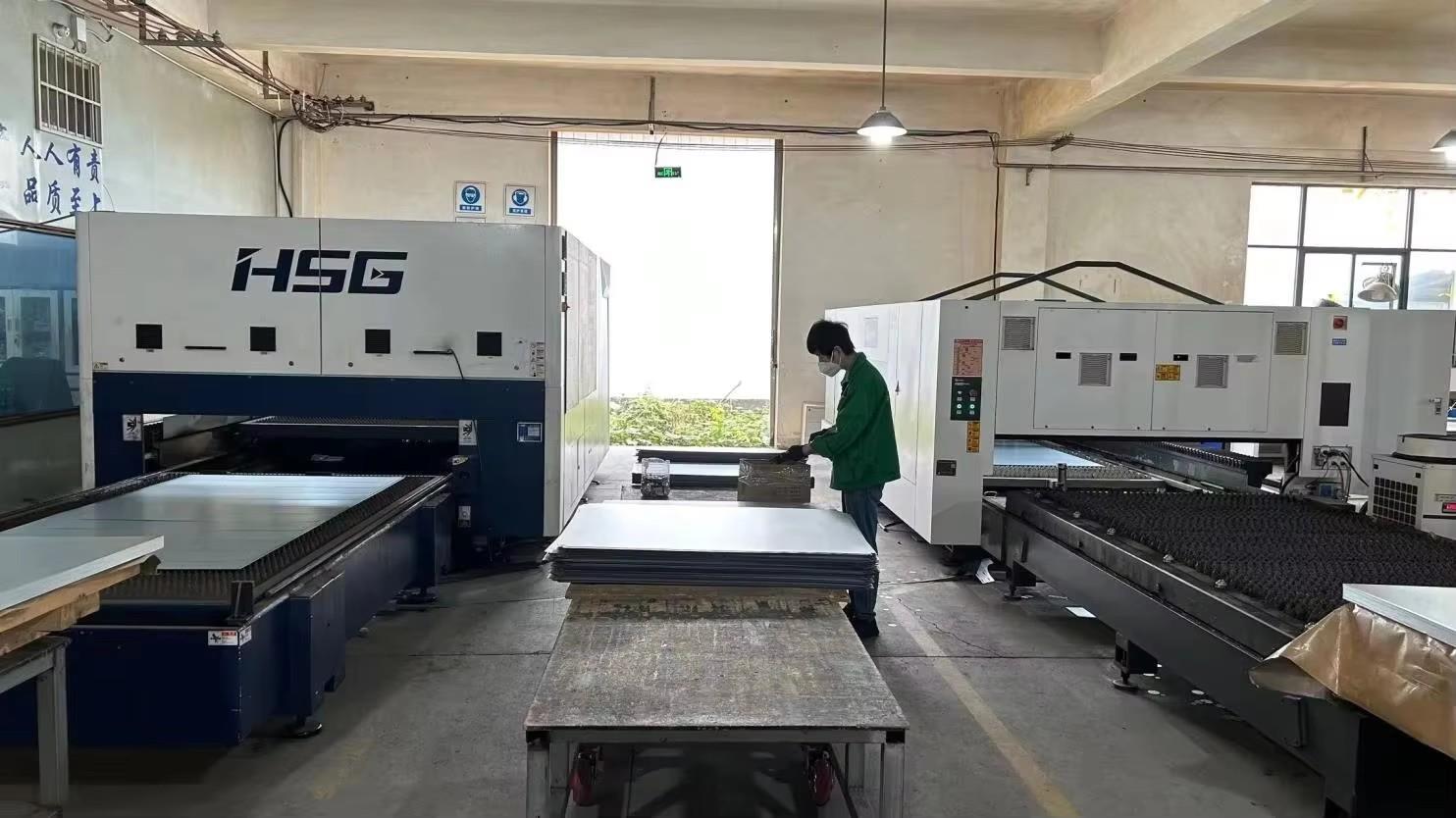
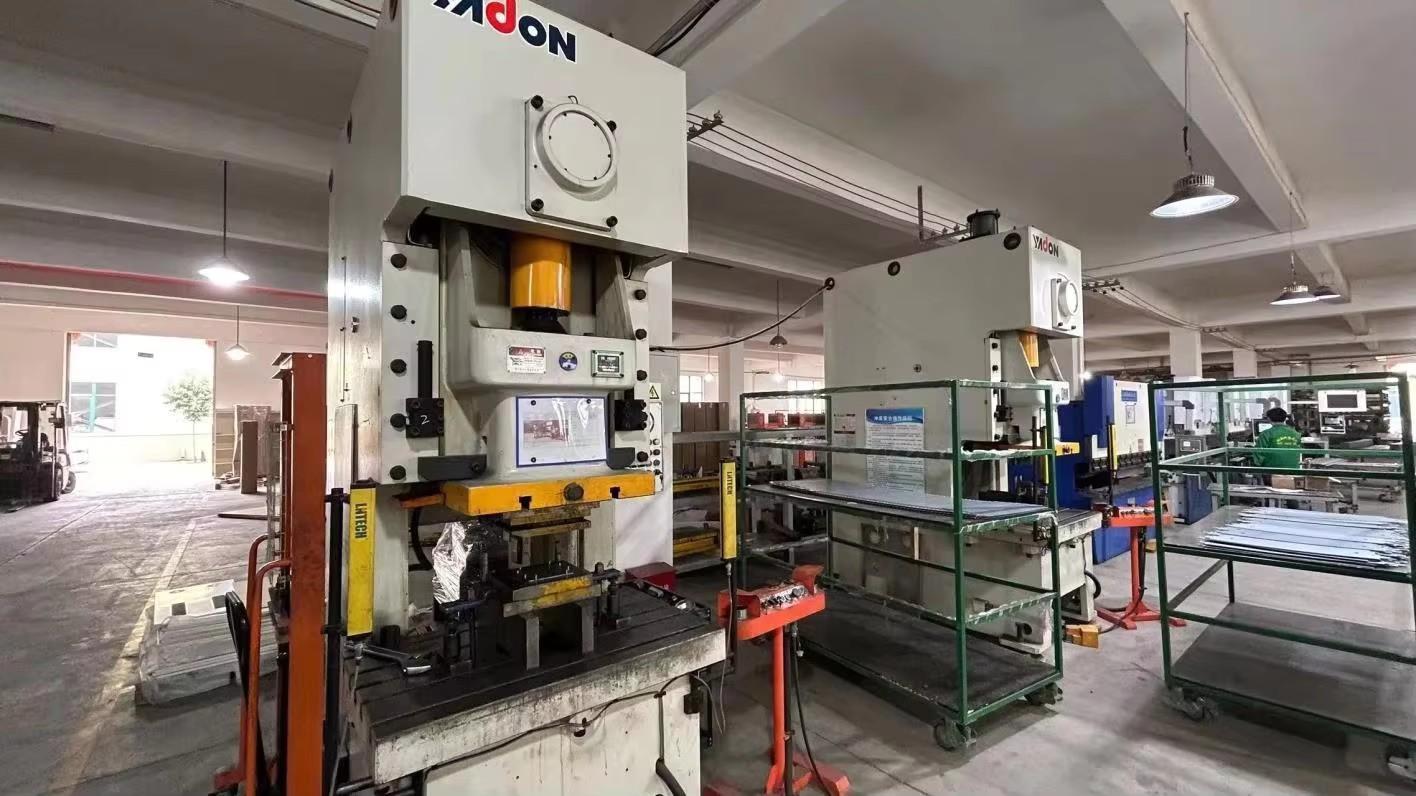
At Qingdao Luzz Solar Co., Ltd., our state-of-the-art facility utilizes advanced, automated manufacturing techniques. From precision cutting to structural robotic welding and terminal testing, we control the entire assembly line. This horizontal and vertical integration guarantees that our finished containerized systems—whether a 215kWh cabinet or a multi-megawatt outdoor container—withstand harsh environmental conditions while delivering high round-trip efficiency (RTE).
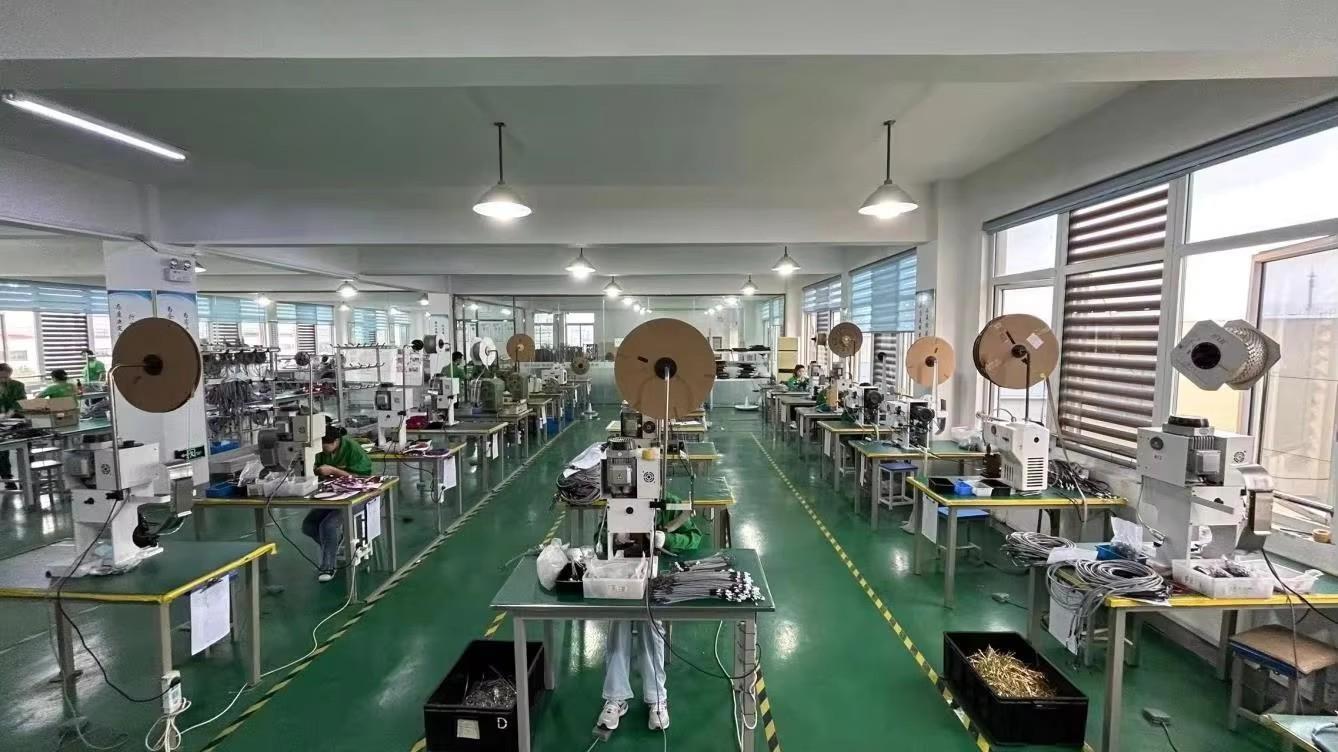
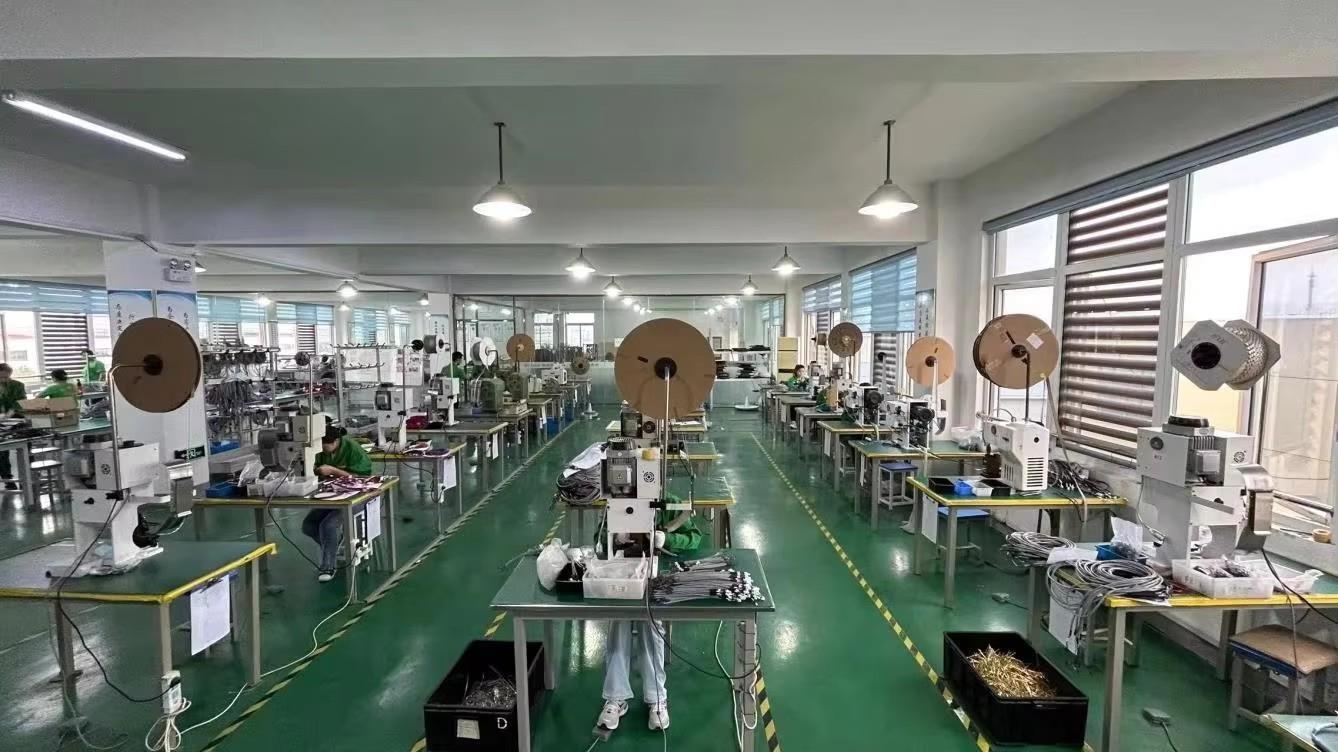
From cell matching and sorting using high-precision internal resistance testers to custom wire harness configuration, we ensure zero performance degradation in high-voltage strings.
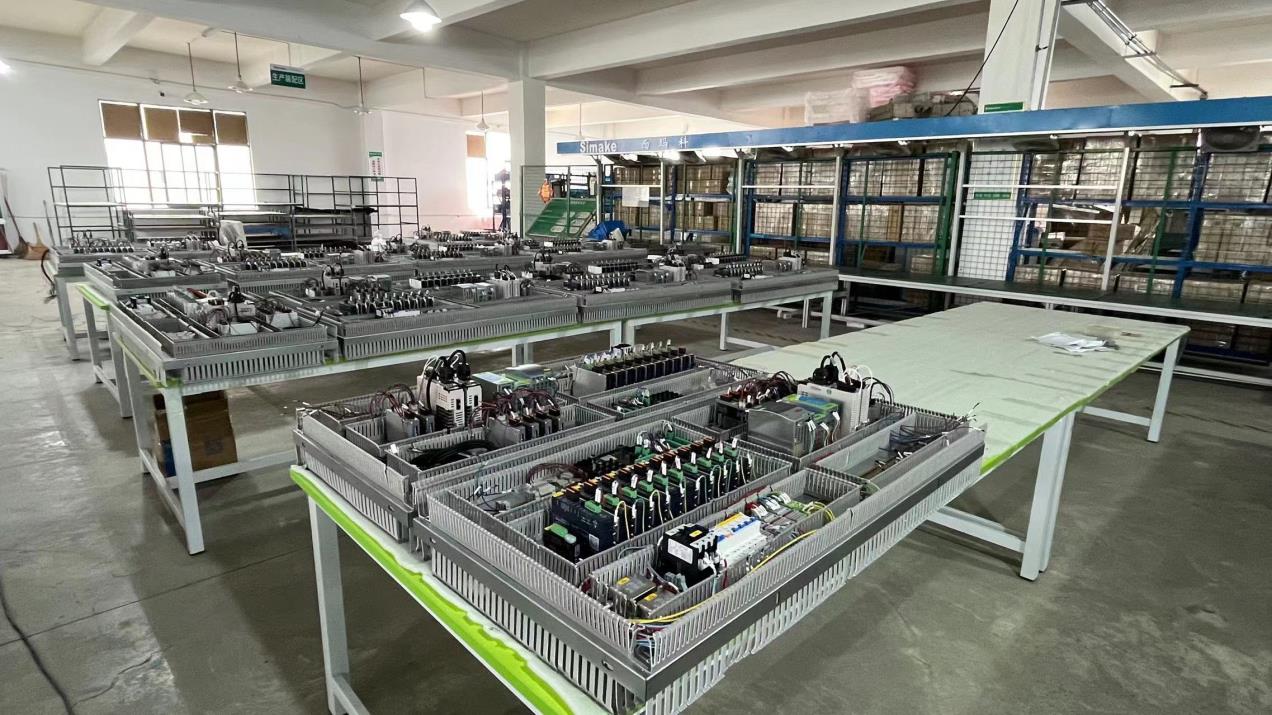
Each cell and pack undergoes cycling, temperature chamber stress testing, insulation testing, and factory acceptance test (FAT) trials before final loading and shipping.
Our containerized systems use a modular design. We combine standardized modular racks to scale systems from 100kW up to multiple megawatts quickly.
Qingdao Luzz Solar Co., Ltd. is a professional new energy enterprise specializing in the development, manufacturing, and global distribution of photovoltaic (PV) products and integrated energy storage solutions. Located in Qingdao, China, the company benefits from a well-established renewable energy industrial base and advanced manufacturing capabilities.
With the accelerating global transition toward carbon neutrality and sustainable development, Luzz Solar is committed to providing efficient, reliable, and cost-effective clean energy solutions to customers worldwide. Our product portfolio includes high-efficiency solar photovoltaic modules, energy storage systems, and integrated solar application solutions designed for residential, commercial, and utility-scale projects.
Driven by technological innovation and quality excellence, the company continuously invests in R&D and production optimization to improve product performance, energy conversion efficiency, and system reliability. We strictly adhere to international quality standards and implement rigorous quality control throughout the entire production process to ensure stable and long-term product performance.
Qingdao Luzz Solar actively expands its global market presence, with business coverage across Asia, Europe, the Middle East, Africa, and Latin America. By working closely with international partners, we are committed to delivering tailored energy solutions that meet diverse regional needs and support the global energy transition.
Guided by the core values of integrity, innovation, cooperation, and sustainability, Luzz Solar strives to become a trusted global partner in the new energy industry. We are dedicated to advancing solar technology and contributing to a greener, more sustainable future.
Take a look inside our ISO-certified production lines in Qingdao, where we employ strict testing protocols to guarantee field reliability and compliance with global grid standards.
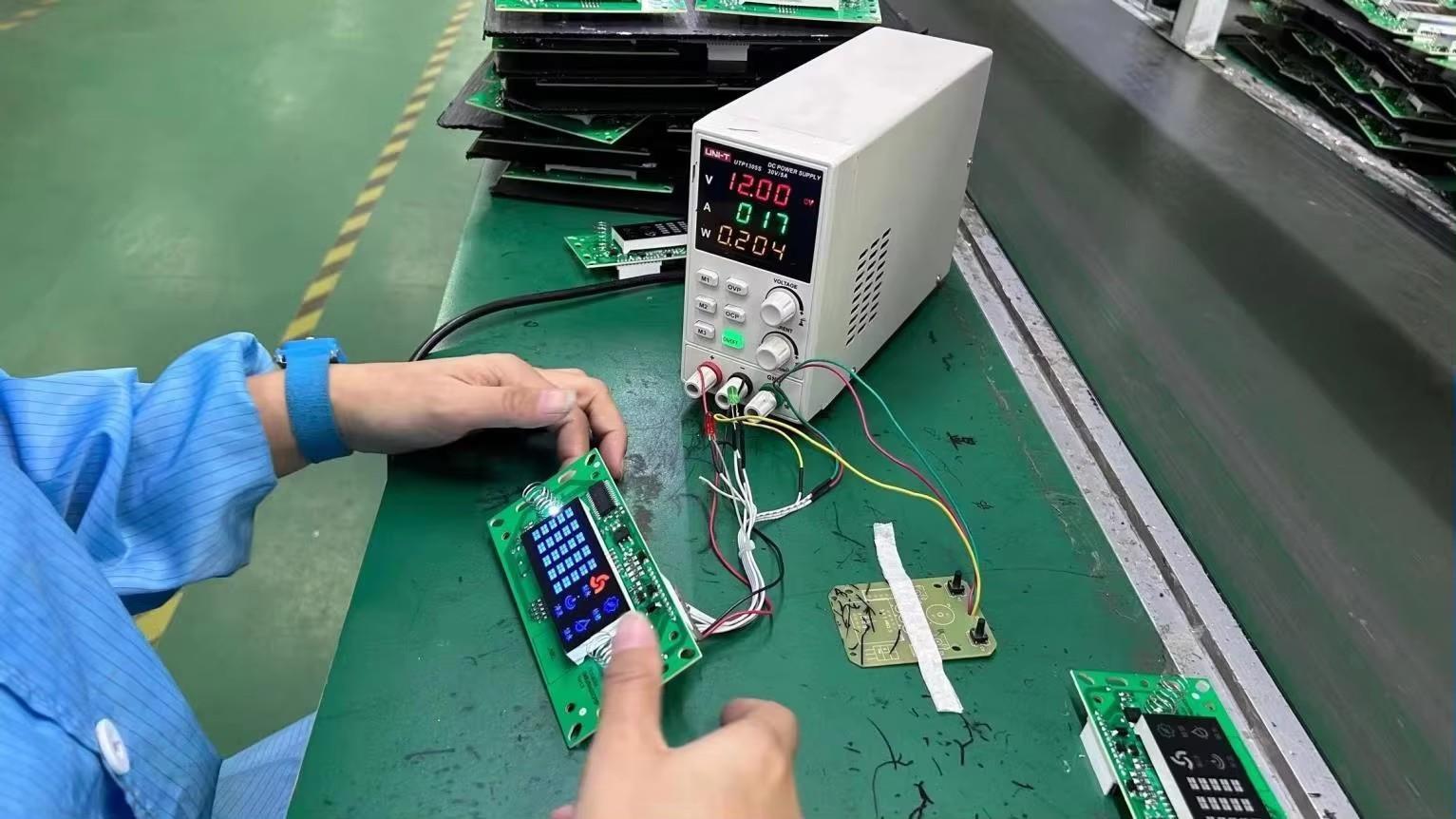
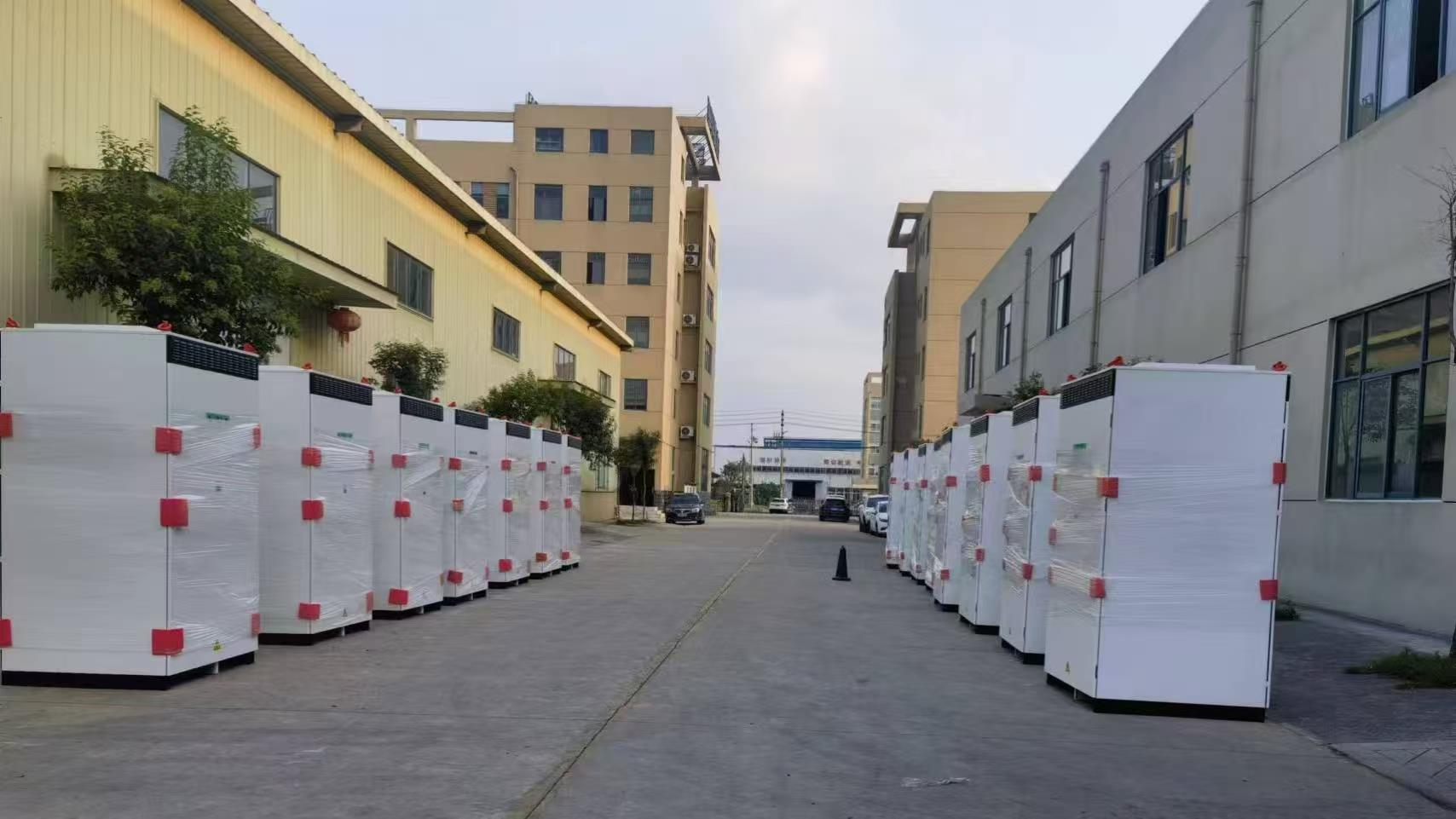
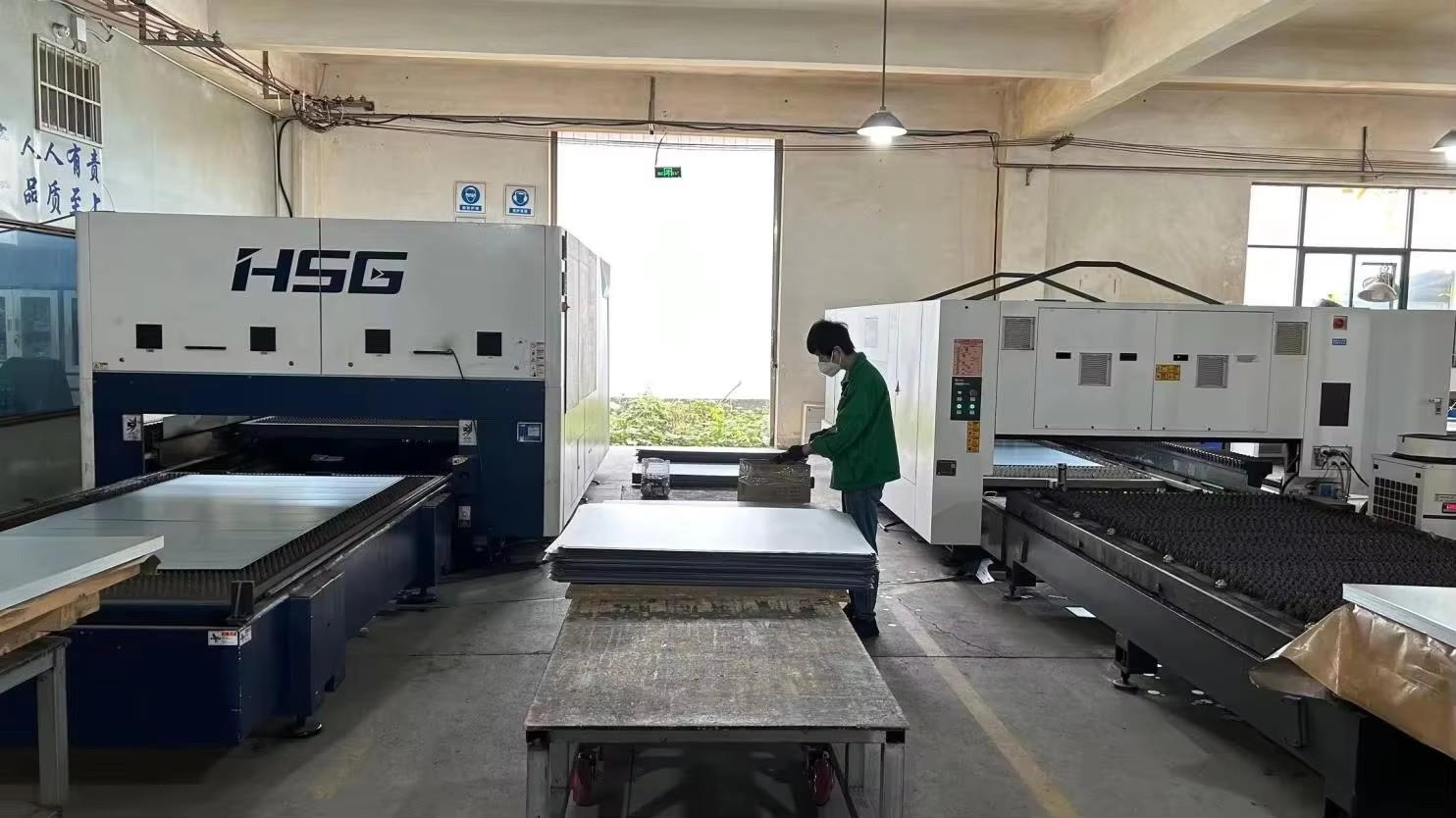
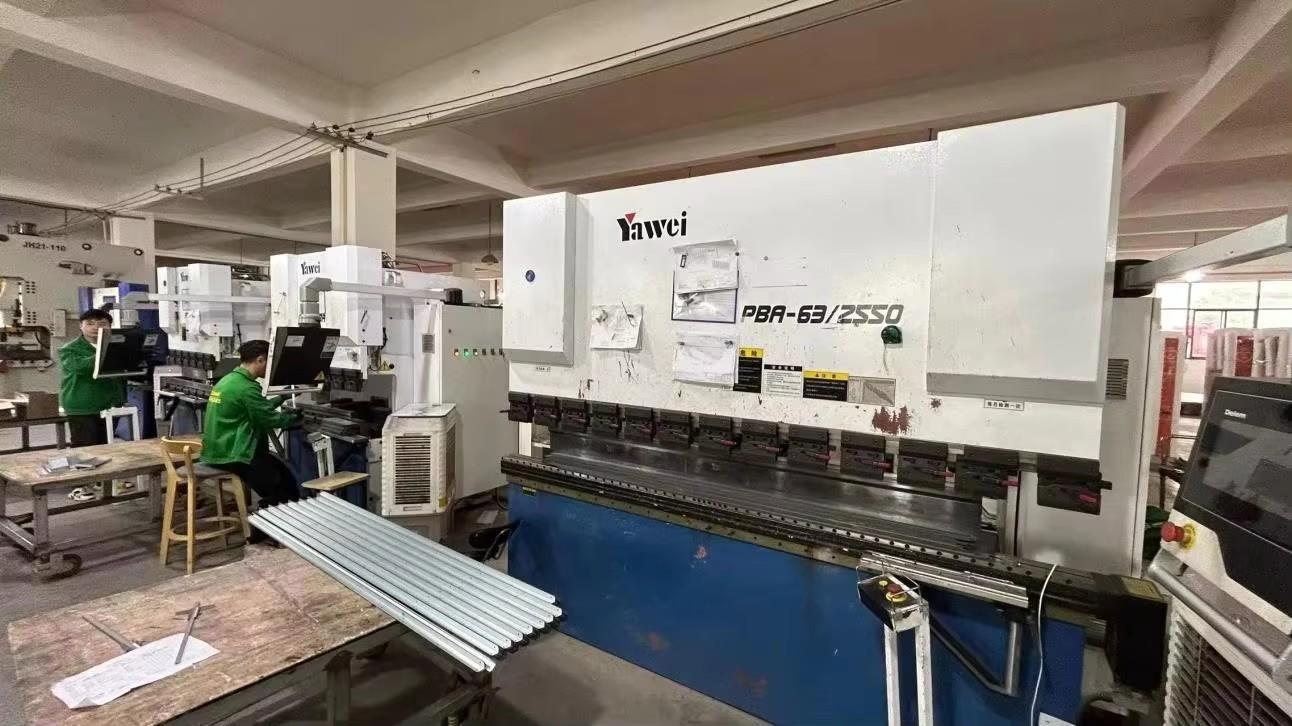
Commercial battery storage offers flexibility across many applications. Below are the primary ways our customers configure these systems to optimize operations.
In regions with dynamic electricity pricing, commercial energy storage systems charge during off-peak hours and discharge during peak demand. This helps lower grid draw charges and reduces monthly demand utility fees.
Hospitals, medical campuses, and data laboratories require uninterrupted power. Our heavy-duty containerized LFP storage units operate alongside microgrids, providing milliseconds-level UPS backup and clean sine-wave output.
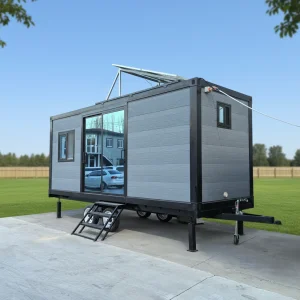
For mining, remote labor camps, and disaster relief zones, our custom ESS containers pair with modular housing, container clinics, and solar PV. This provides a clean alternative to diesel generator microgrids.
The C&I energy storage sector is transitioning to higher voltages and safer, denser chemical designs. Key technological trends currently driving the industry include:
LFP remains the industry standard due to its thermal stability, safety profile, and long cycle life (over 6,000–8,000 cycles). Simultaneously, Sodium-ion technology is emerging as a cost-effective alternative for cold-weather climates and stationary applications where energy density is less critical.
Moving from traditional 1000V air-cooled systems to 1500V liquid-cooled designs improves system energy density by over 30% and reduces auxiliary power consumption. This architecture helps keep cell-to-cell temperature variations under 3°C, extending overall battery life.
Modern Energy Management Systems (EMS) use machine learning to predict factory loads, solar generation curve models, and local weather patterns. This allows BESS systems to auto-optimize charge cycles and bid directly into ancillary services markets.
For EPC companies, developers, and corporate procurement teams, sourcing commercial-grade energy storage systems from China requires verifying strict safety compliance and financial viability.
Ensure your supplier provides systems certified to UL 1973 (battery packs), UL 9540A (thermal runaway propagation testing), CE, IEC 62619, and UN 38.3 for global logistics safety.
Specify Grade-A cells with verifiable factory reports containing QR codes. Sourcing tier-1 brands (like EVE, CATL, or BYD) helps ensure project bankability with major project financiers.
Verify performance warranty structures (typically 5 to 10 years, specifying minimum remaining capacity of 70%) and check availability of remote diagnostics or localized service partners.
Get answers to technical and procurement questions about commercial-scale battery energy storage systems.
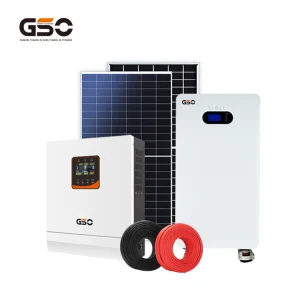
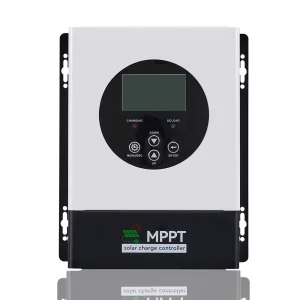
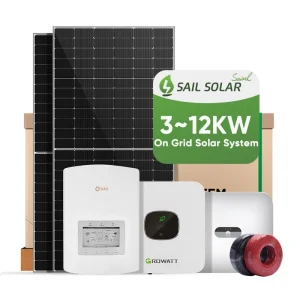
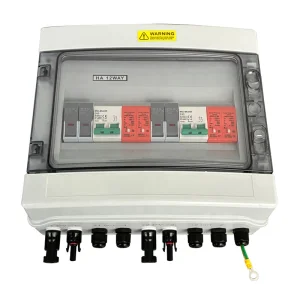
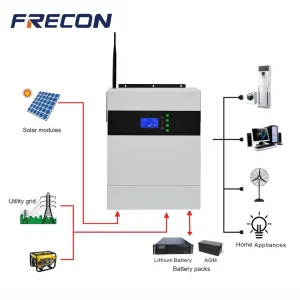
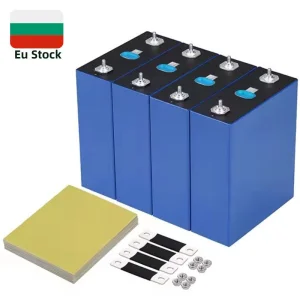
Complete your power generation and grid control installations with our range of complementary equipment and hybrid system configurations.
 Luzz Solar