Engineered for seamless integration, high-capacity stacking, and extreme weather resilience in Hamburg's unique maritime environment.
As Northern Germany accelerates its transition toward 100% renewable energy, Hamburg stands as a critical metropolitan epicenter for decentralized energy storage systems. Backed by the Hamburg Climate Plan (Hamburger Klimaplan), which mandates strict carbon reduction targets, residential property owners face a dual challenge: rising electricity grid tariffs and decreasing feed-in remunerations under the EEG (Erneuerbare-Energien-Gesetz).
Stackable Battery Energy Storage Systems (BESS) represent the optimal response. By storing surplus electricity generated during peak solar hours and releasing it during evening consumption surges, BESS systems allow Hamburg households to achieve up to 85% self-sufficiency (Autarkiegrad). This localization of power generation and storage dramatically reduces stress on local distribution networks managed by Stromnetz Hamburg GmbH, ensuring grid stability in high-wind, high-PV density zones.
Furthermore, because spatial efficiency is highly valued in metropolitan Hamburg, modular stackable BESS architectures have quickly surpassed monolithic wall-mounted batteries. Customers require flexible footprints that fit seamlessly into compact utility rooms or garage environments, maintaining structural durability against northern Germany's damp, coastal climate.
Understanding the core engineering shifts powering the next generation of residential and small commercial energy storage.
Lithium Iron Phosphate (LFP) remains the gold standard for residential storage due to thermal stability, zero cobalt content, and an outstanding lifetime exceeding 6,000 charge cycles at 90% Depth of Discharge (DoD). R&D is rapidly paving the way for semi-solid state stackable modules that increase volumetric energy density by 30%.
Transitioning from traditional 48V low-voltage battery banks to series-connected high-voltage systems (ranging from 200V to 800V). High-voltage configurations reduce transmission losses, maximize round-trip efficiency (RTE) up to 96.5%, and allow direct DC-coupling with modern European hybrid inverters.
Integrated Energy Management Systems (EMS) are migrating to cloud-native platforms capable of processing weather forecasts and spot market pricing data (such as EPEX Spot). This enables predictive charging cycles, peak shaving, and automatic participation in local virtual power plant networks.
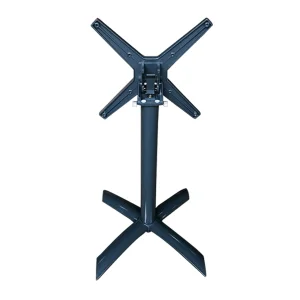
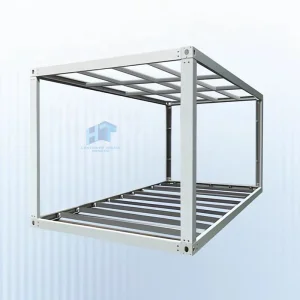
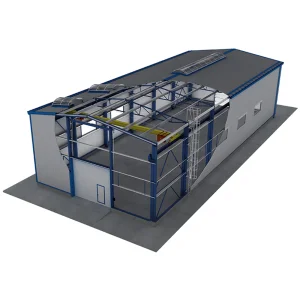
Specialized physical supports and housings designed to secure stackable battery configurations under industrial and residential conditions.
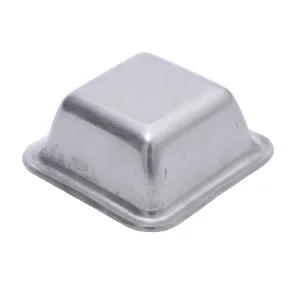
Our modular systems are prepared to scale from single household self-consumption installations to localized energy cooperatives and municipal distribution buffers.
Decentralized energy storage systems do not operate in a vacuum. To fully extract value from localized PV-BESS deployments, developers must adopt a macro-level perspective that interfaces the battery stacks with regional grid topologies. By implementing standardized Modbus TCP/RTU interfaces alongside RESTful control APIs, our stackable products support seamless interaction with modern smart home automation systems and commercial energy aggregators.
In high-density European residential settings, property managers leverage centralized battery stacks located in utility basements to distribute power across multi-family residential complexes. This model, known as Mieterstrom (Tenant Electricity) under German law, reduces the levelized cost of energy (LCOE) for consumers while guaranteeing grid operators a highly predictable base load profile.
For grid networks, these aggregate BESS installations serve as frequency regulation assets, mitigating voltage fluctuations resulting from solar intermittency. The fast millisecond response time of LiFePO4 cells allows stackable installations to act as primary control reserves, protecting local transformer sub-stations in metropolitan Hamburg.
Aligning manufacturing capabilities with Germany's strict safety standards and structural building regulations.
In Germany, grid-connected battery systems must comply with the strict VDE-AR-N 4105 standard. Our integrated inverter-BESS packages undergo third-party testing to secure grid connection compliance. Battery management systems (BMS) are designed to exceed the thermal propagation and fault containment requirements of the VDE 2510-50 standard.
By establishing streamlined customs clearances and partnering with Hamburg-based logistics networks, we guarantee direct freight and reliable delivery times. This mitigates supply chain lag for local installers and residential projects looking for prompt supply line fulfillment.
Our localized support structure guarantees technical support and quick spare-parts delivery. Certified local engineering firms in Germany coordinate installation guidance, grid commissioning assistance, and standard warranty management, offering peace of mind to developers.
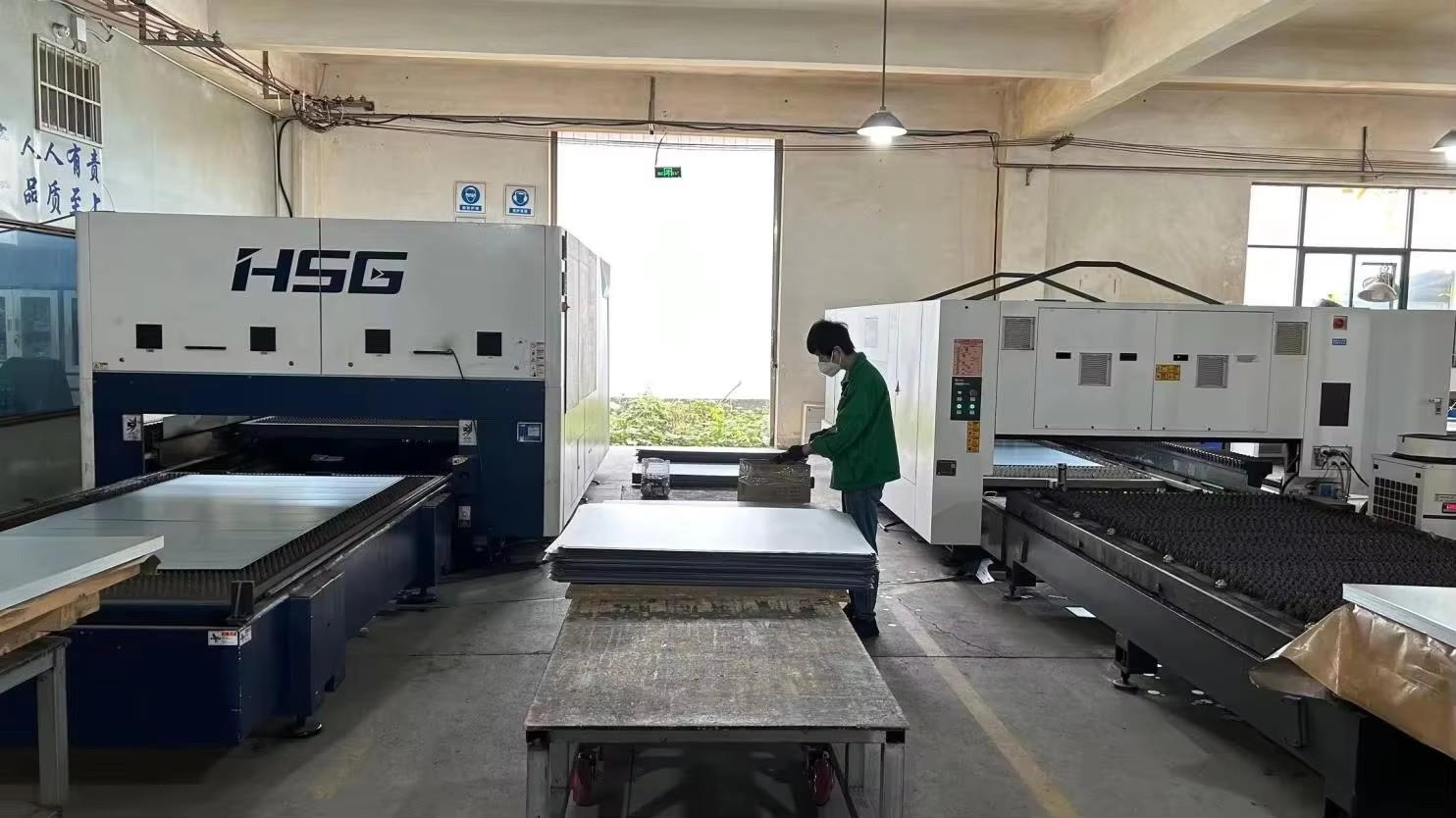
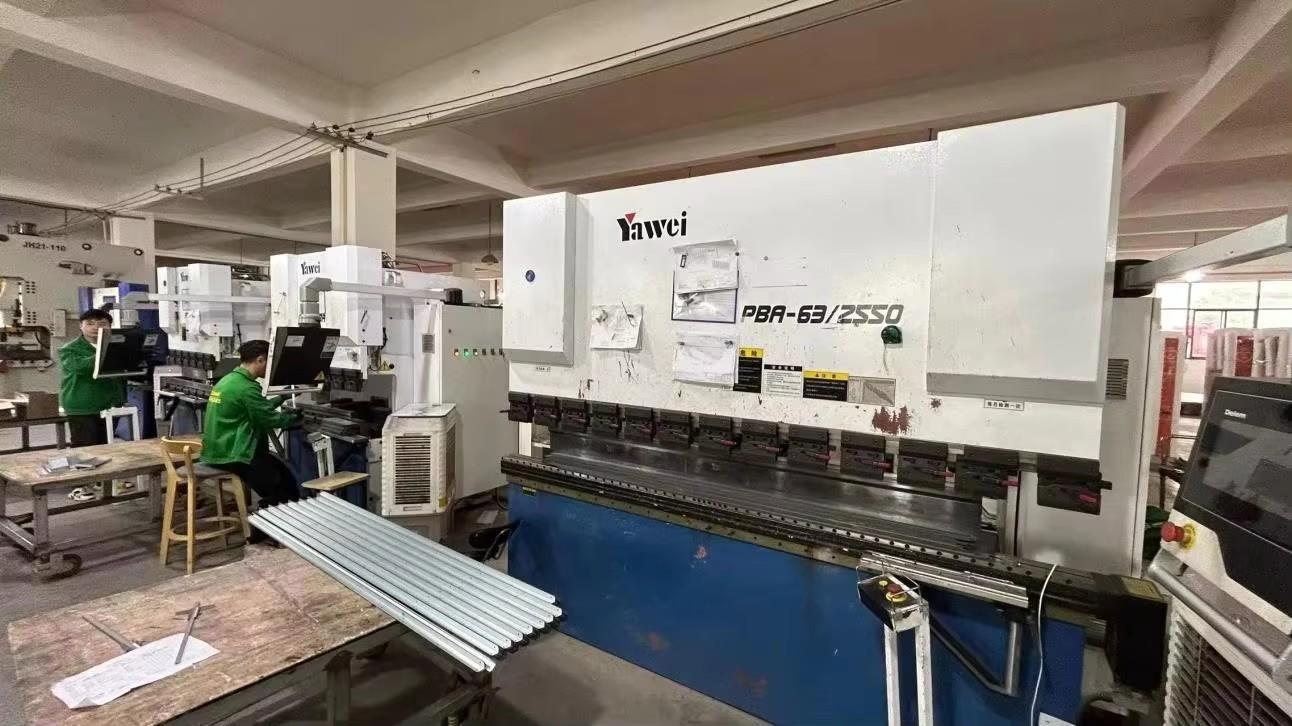
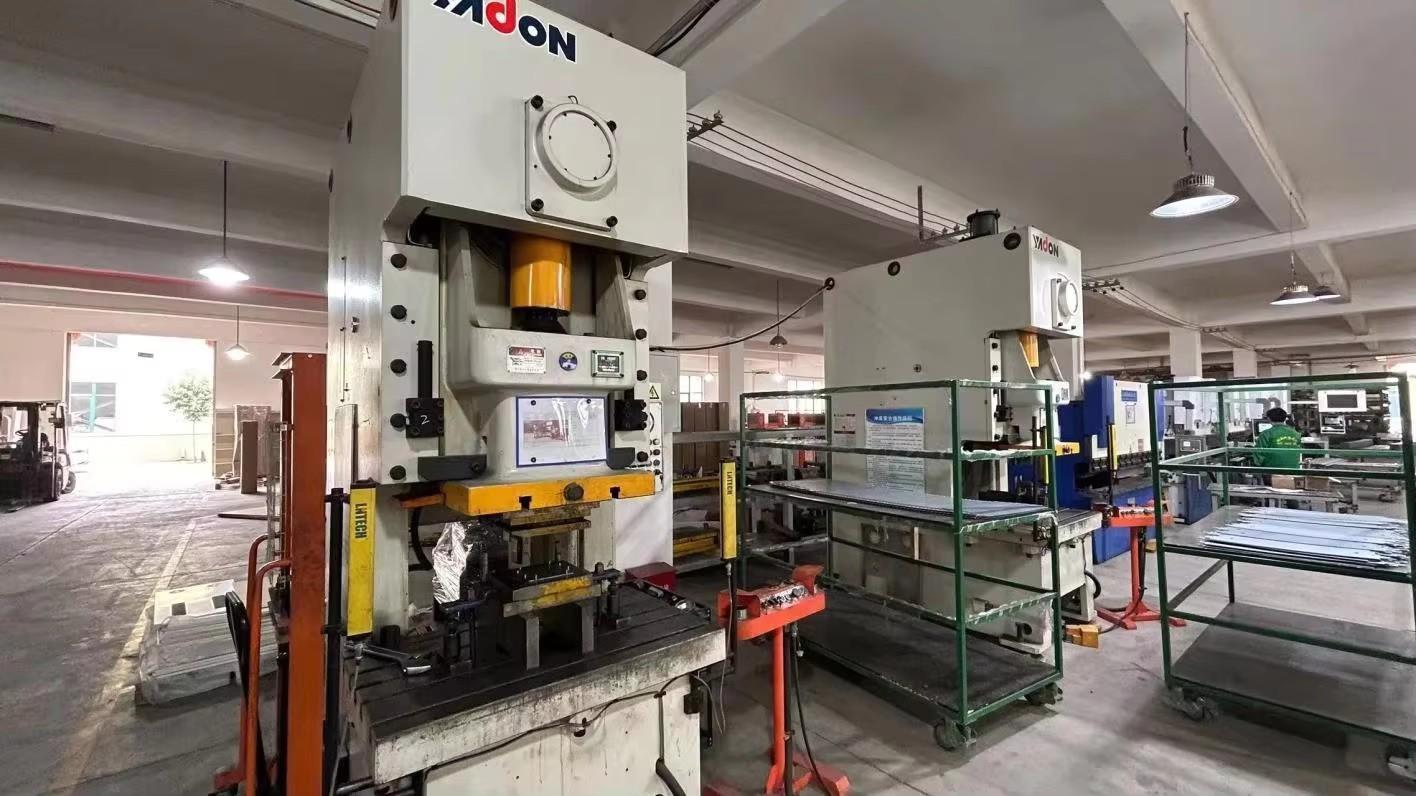
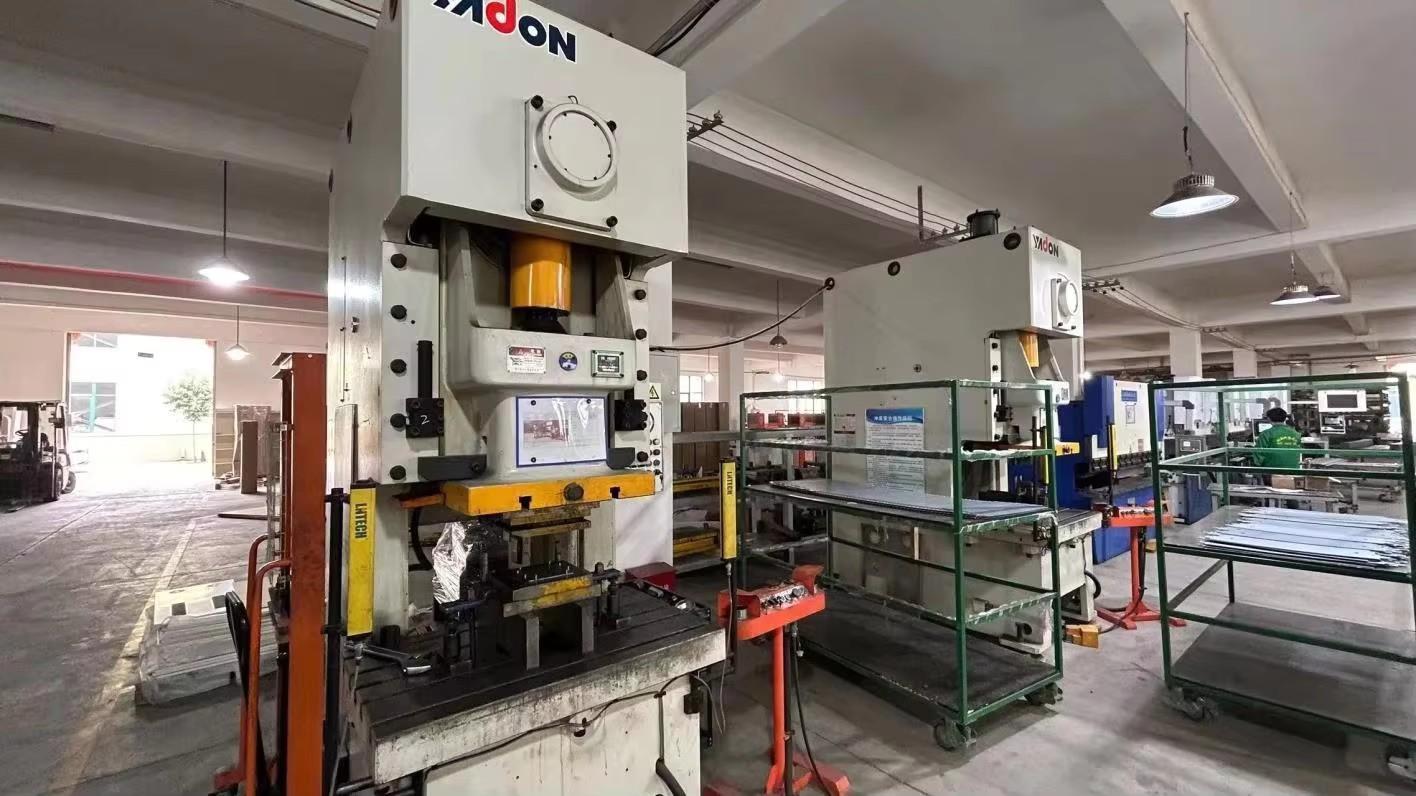
Combining advanced smart-factory automation with rigorous testing to ship robust BESS hardware directly from Qingdao's logistics hub.
Qingdao Luzz Solar Co., Ltd. is a professional new energy enterprise specializing in the development, manufacturing, and global distribution of photovoltaic (PV) products and integrated energy storage solutions. Located in Qingdao, China, the company benefits from a well-established renewable energy industrial base and advanced manufacturing capabilities.
With the accelerating global transition toward carbon neutrality and sustainable development, Luzz Solar is committed to providing efficient, reliable, and cost-effective clean energy solutions to customers worldwide. Our product portfolio includes high-efficiency solar photovoltaic modules, energy storage systems, and integrated solar application solutions designed for residential, commercial, and utility-scale projects.
Driven by technological innovation and quality excellence, the company continuously invests in R&D and production optimization to improve product performance, energy conversion efficiency, and system reliability. We strictly adhere to international quality standards and implement rigorous quality control throughout the entire production process to ensure stable and long-term product performance.
Qingdao Luzz Solar actively expands its global market presence, with business coverage across Asia, Europe, the Middle East, Africa, and Latin America. By working closely with international partners, we are committed to delivering tailored energy solutions that meet diverse regional needs and support the global energy transition.
Guided by the core values of integrity, innovation, cooperation, and sustainability, Luzz Solar strives to become a trusted global partner in the new energy industry. We are dedicated to advancing solar technology and contributing to a greener, more sustainable future.
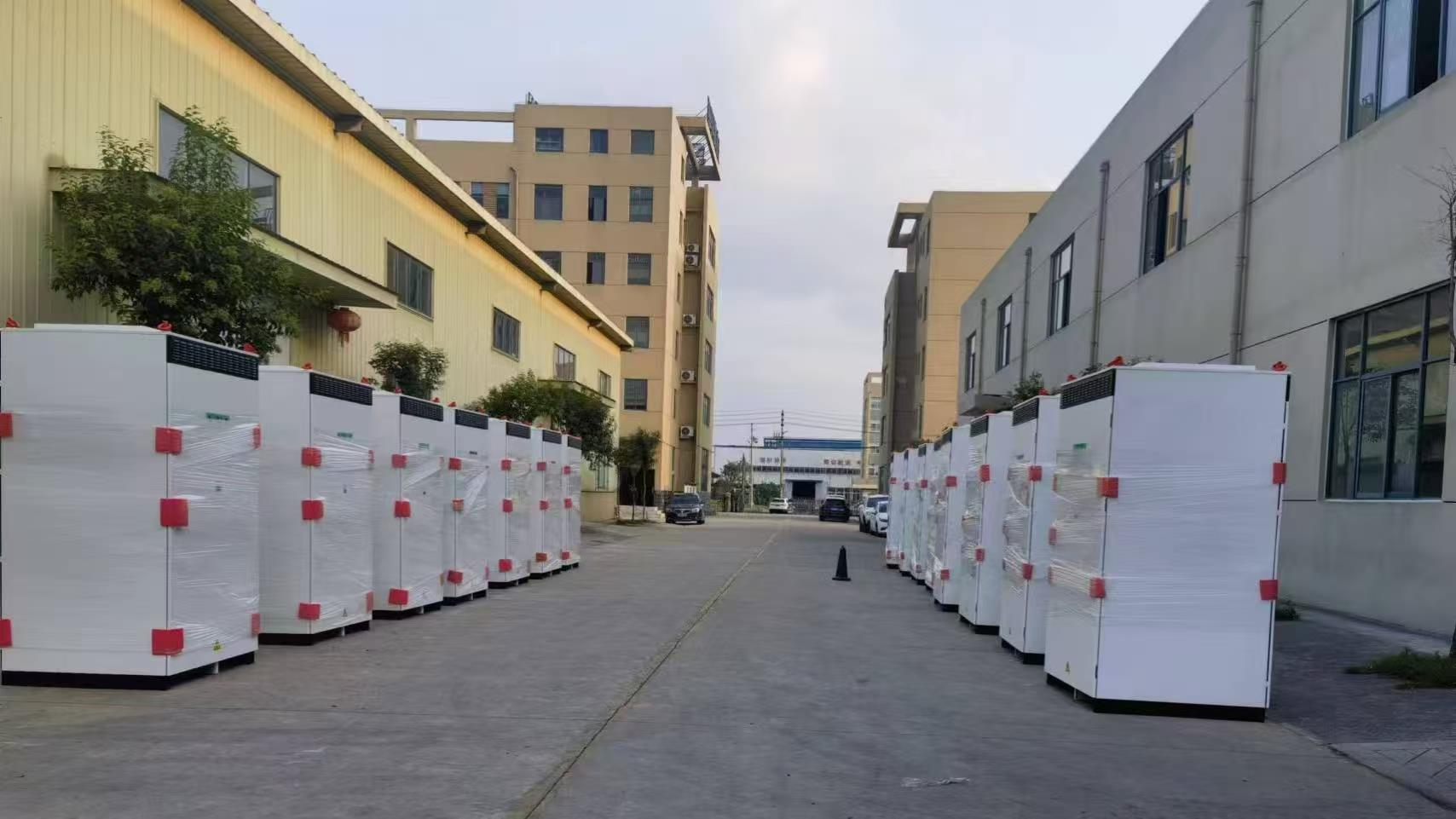
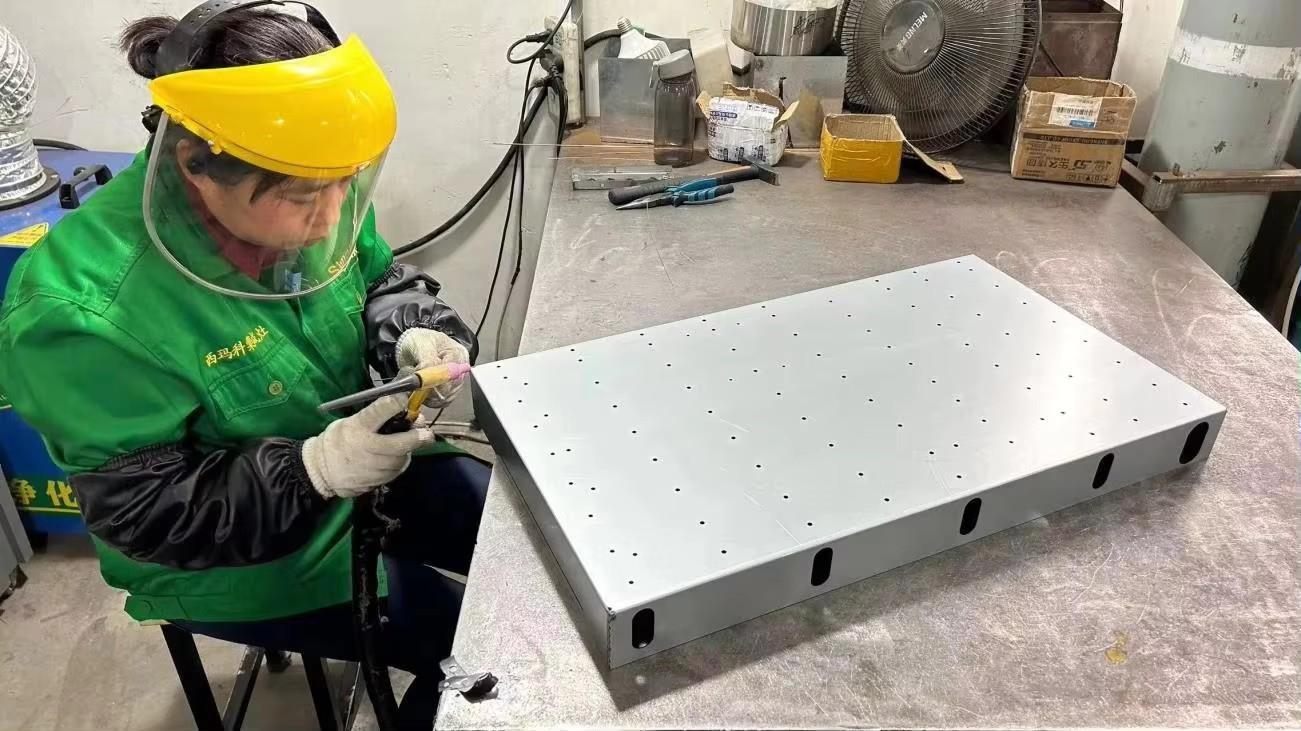
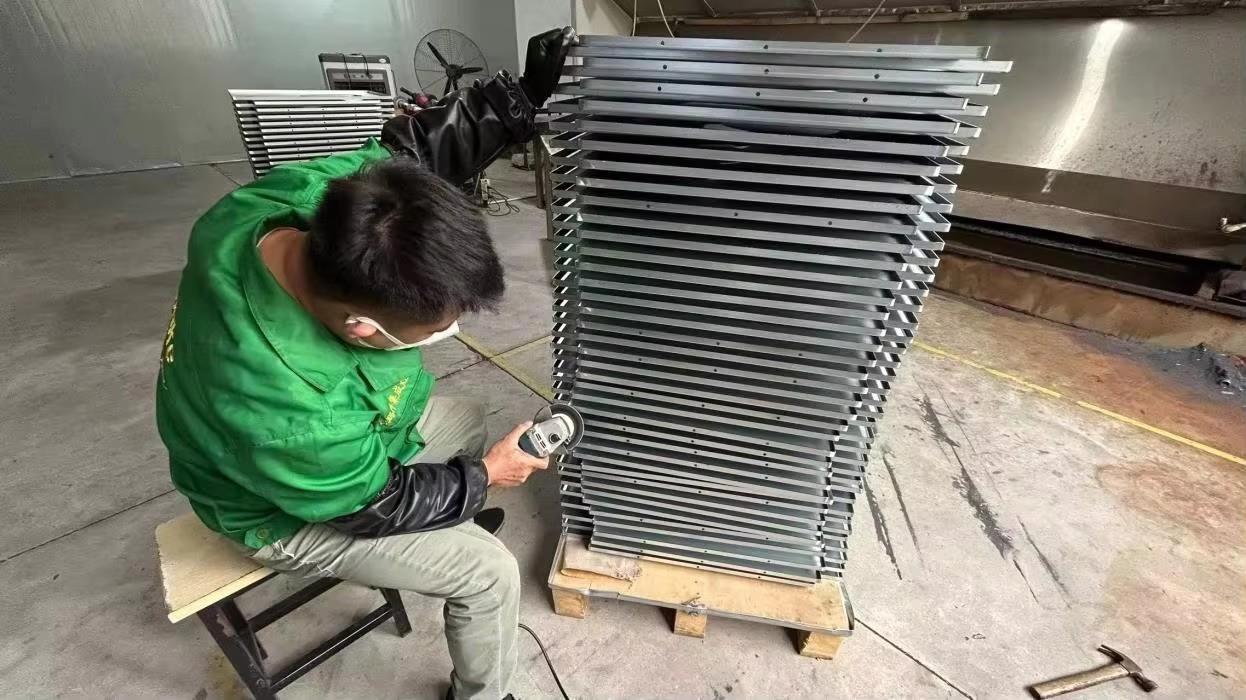
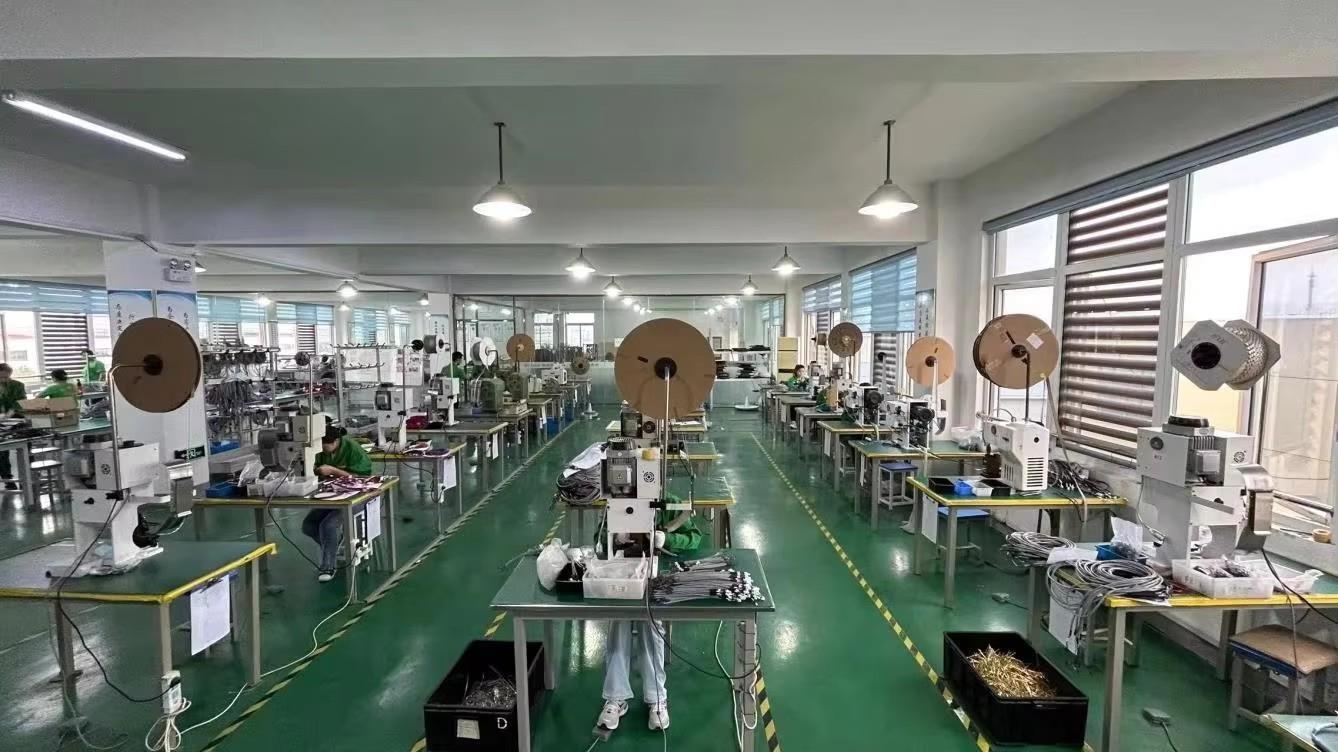
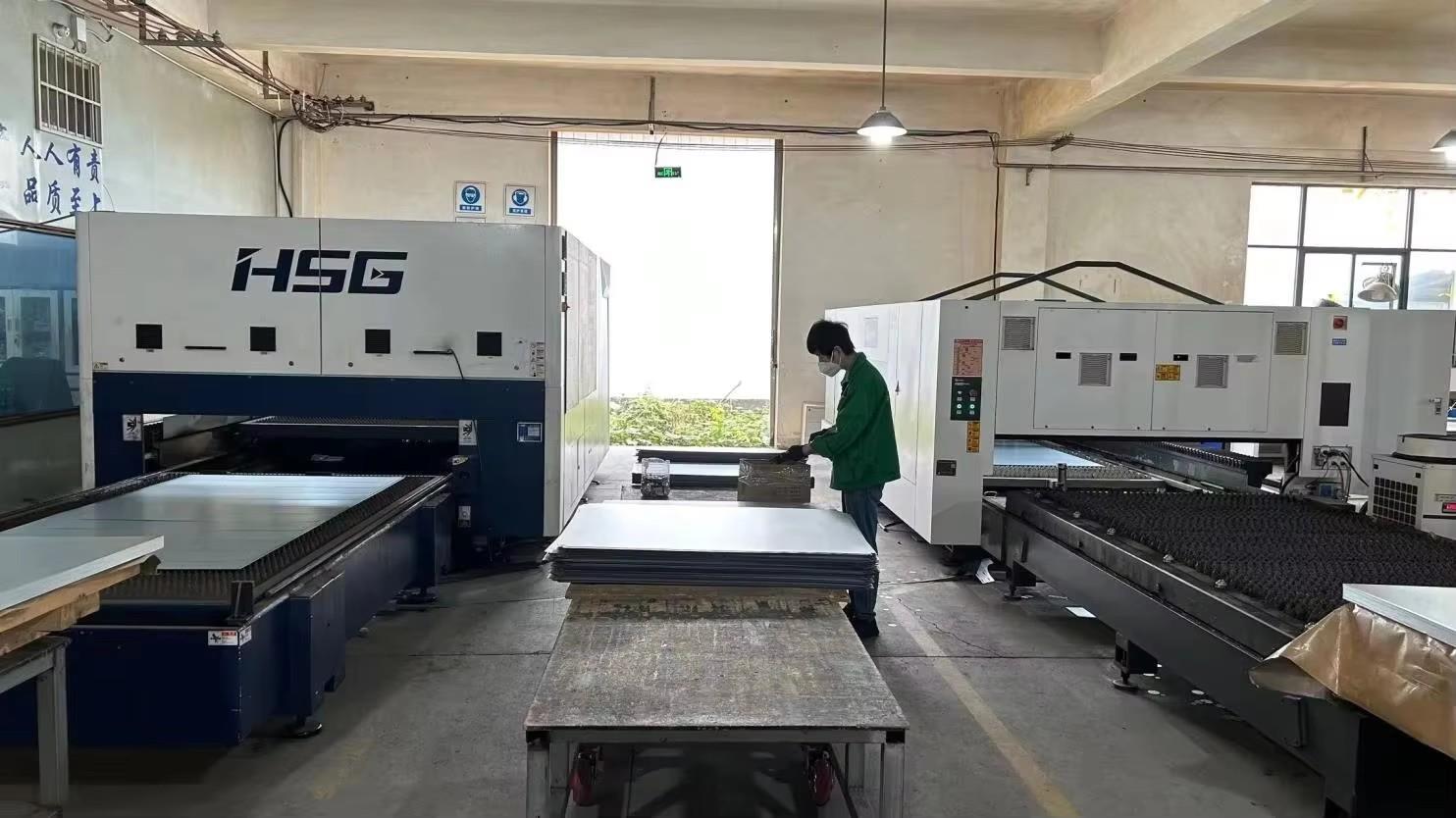
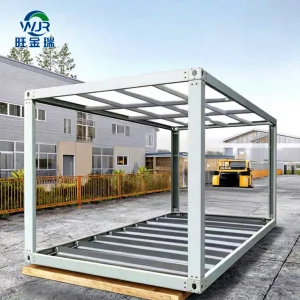
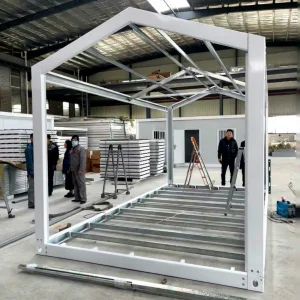
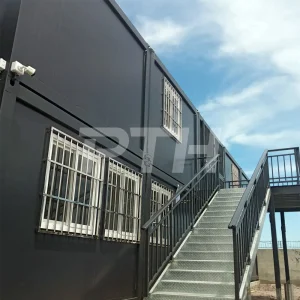
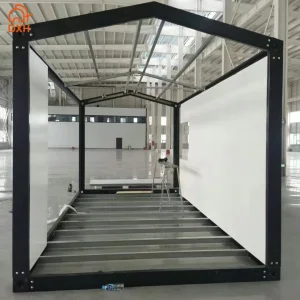
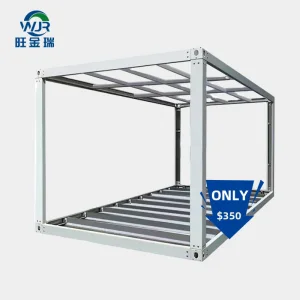
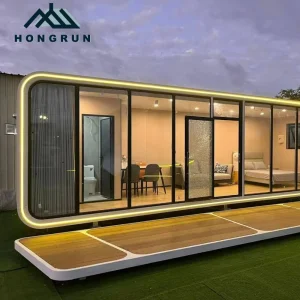
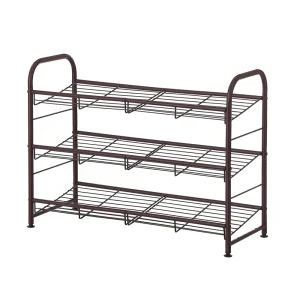
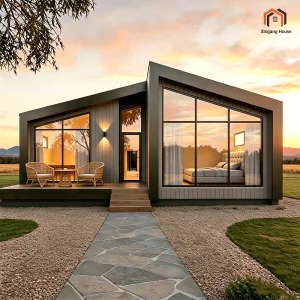
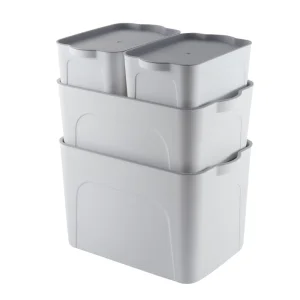
Comprehensive structures, protective enclosures, and specialized storage components engineered to scale up BESS deployments.
Expert answers targeting the key technical, regulatory, and logistics queries for German energy system planners.
Stackable designs offer high structural modularity and ease of capacity upgrades. Unlike monolithic wall-mounted batteries that require fixed wall anchoring and have limited capacity expansion potential, stackable systems use plug-and-play modules that stack vertically on a reinforced floor base plate. This design eliminates complex wiring, reduces field installation time, and allows users to scale capacity incrementally as domestic electricity demand increases (e.g., when adding an EV charger or heat pump).
Any BESS connected to the low-voltage grid in Hamburg must comply with the grid code VDE-AR-N 4105. Additionally, safety tests based on VDE 2510-50, CE conformity, UN38.3 (for safe transportation of lithium cells), and IEC 62619 (safety for industrial and stationary battery applications) are highly mandatory. Our supply chain implements thorough testing procedures to align with these regulatory frameworks, guaranteeing grid acceptance by local utilities.
Hamburg's environment features elevated humidity and saline air, which can accelerate the corrosion of metal components. For outdoor BESS enclosures, we utilize high-durability structures with specialized anti-rust coatings (such as C4/C5 grade industrial corrosion protection) and minimum IP65/IP66 ingress protection ratings. These measures safeguard internal electronics and battery modules from water and dust ingress, maintaining stable operating temperature ranges and maximizing service life.
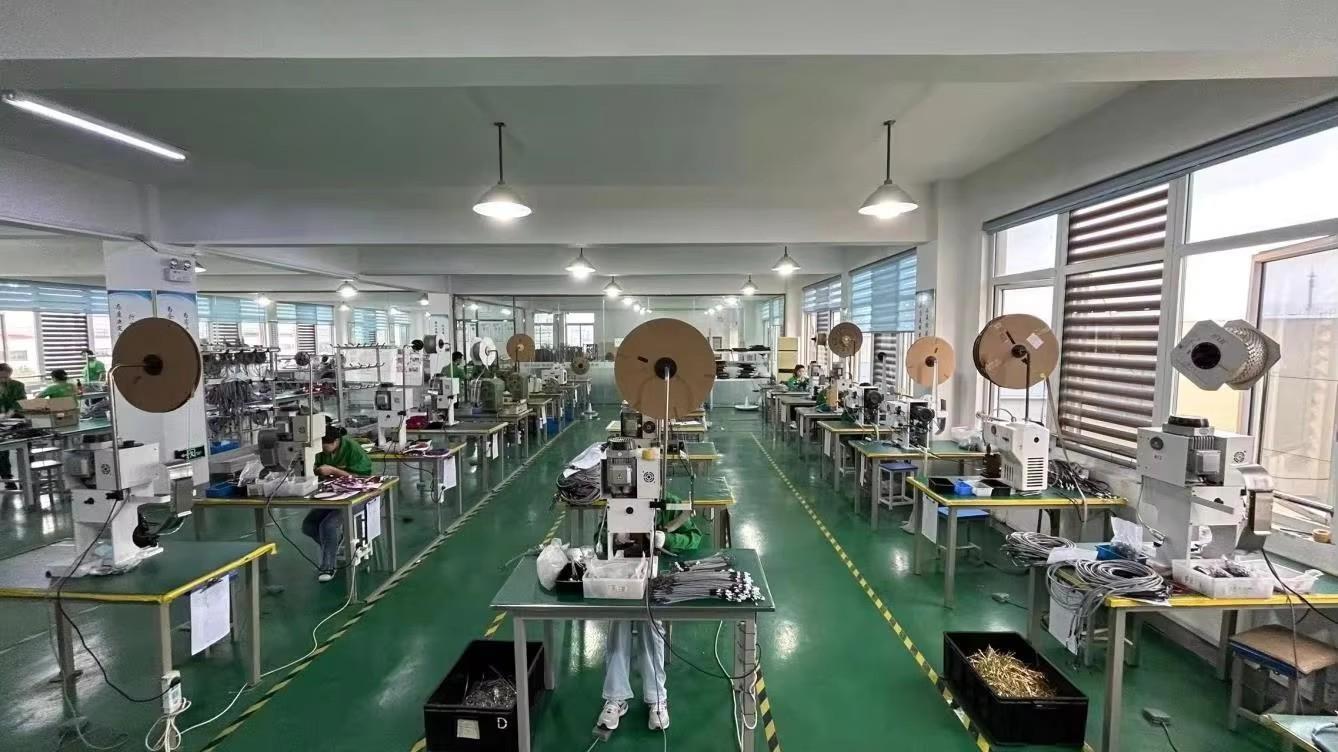
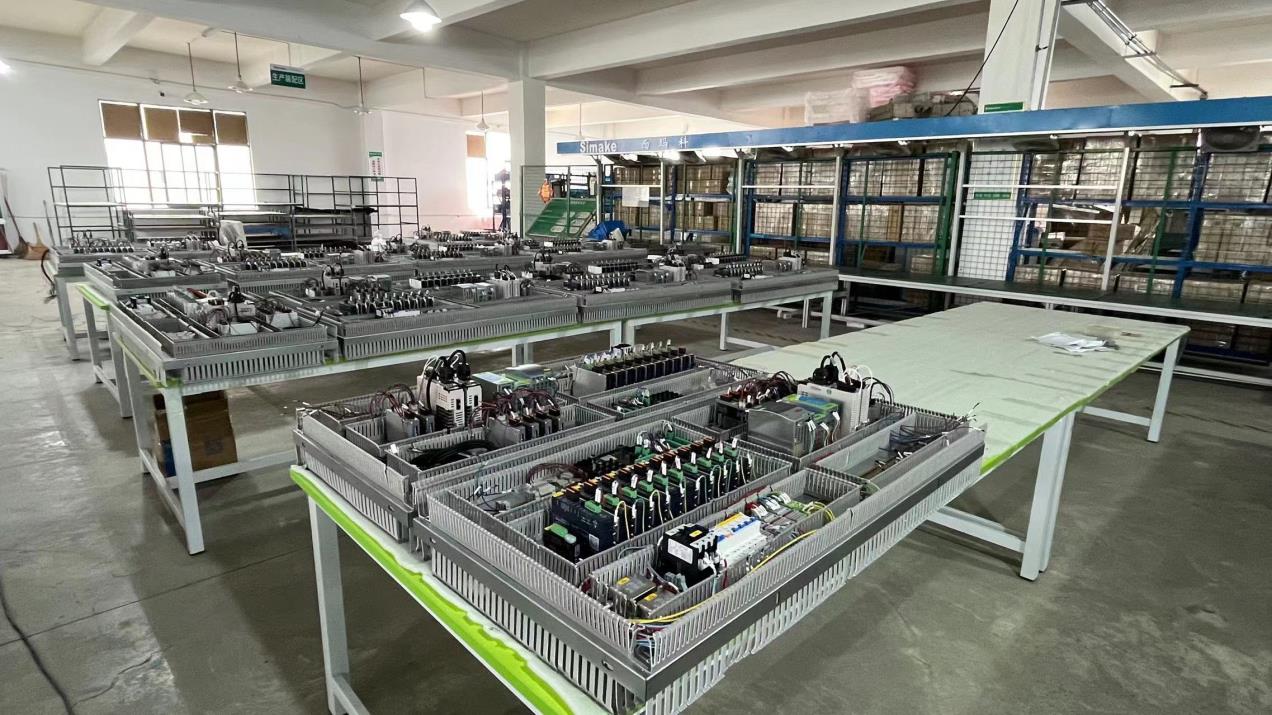
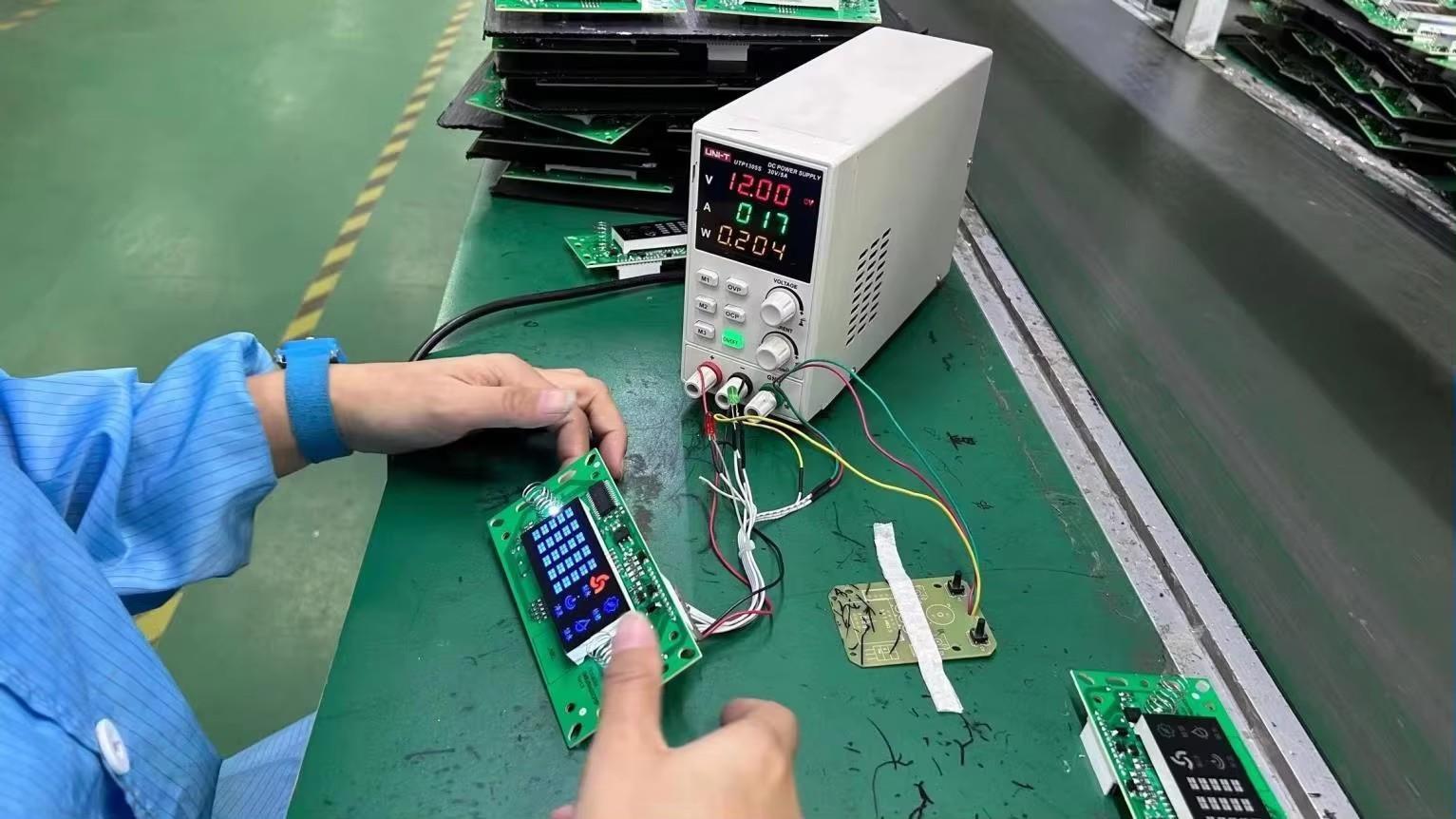
Our China Factory 4.0 integrates automated laser welding, computerized wire harness assembly, and computerized charge-discharge testing across all production steps. Prior to packaging, battery systems undergo high-precision testing to verify internal resistance, thermal behavior, and communication protocol integrity. By shipping out of Qingdao, we secure direct maritime logistics paths to Hamburg, maintaining consistent supply chains for residential solar projects.
Our residential BESS solutions use Grade-A LFP cells designed for a operational lifespan exceeding 10 years, offering more than 6,000 deep cycles. Our metal and support structures, including galvanized frames and stackable bases, are engineered to sustain heavy load loads and structural pressure for decades, aligning with the lifespan requirements of residential photovoltaic systems.
 Luzz Solar