Luzz Solar
1. Introduction to Stackable Residential BESS Technology
The global energy paradigm is shifting rapidly from centralized carbon-heavy generation to localized, decarbonized micro-generation. At the heart of this transition is the Battery Energy Storage System (BESS). Among the various architectural configurations available for residential properties, Stackable Residential BESS has emerged as the premier technological standard for sophisticated markets like Belgium.
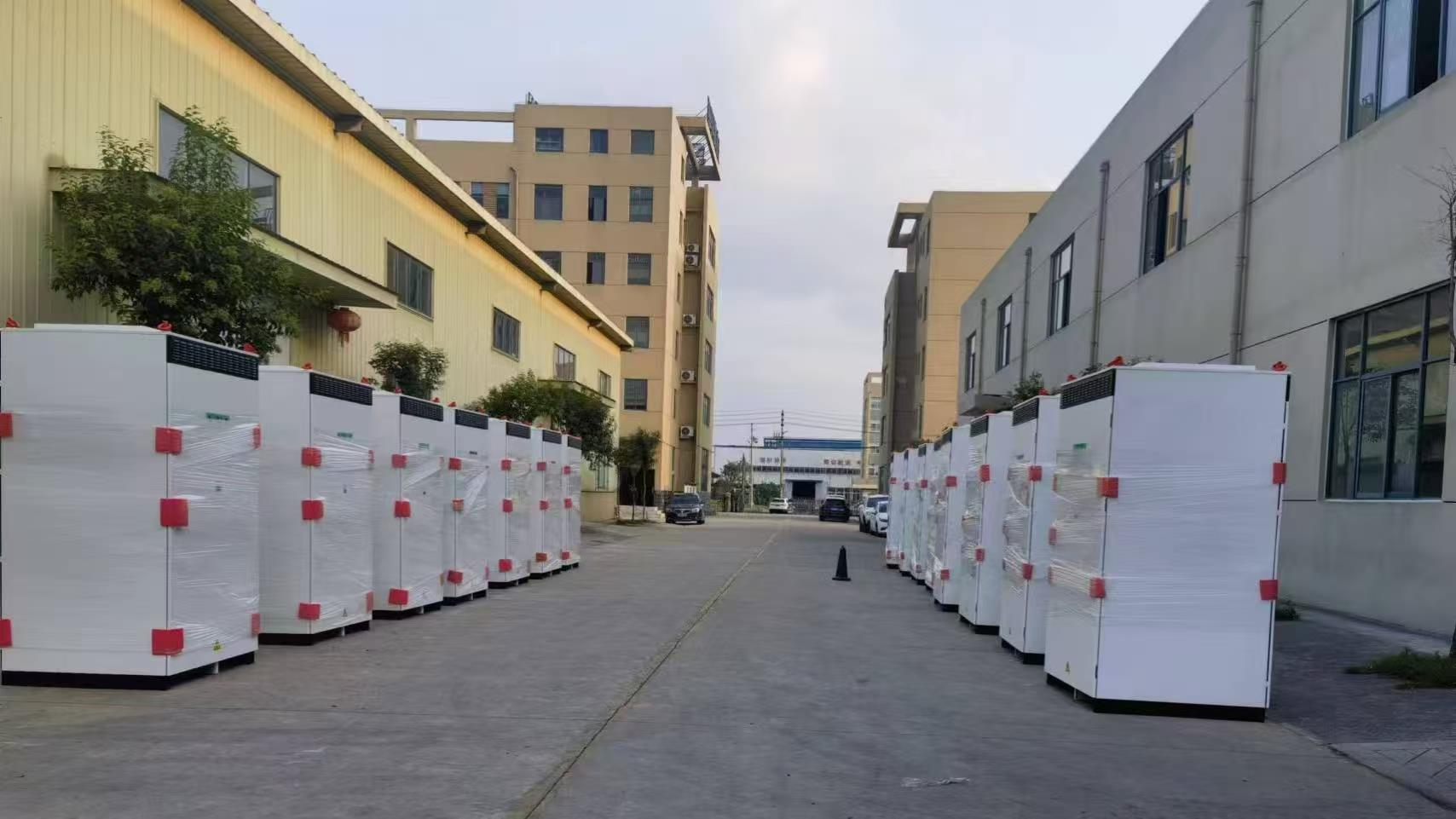
Unlike traditional wall-mounted, fixed-capacity storage units, stackable systems utilize modular battery units that connect vertically or horizontally without external wiring. This plug-and-play design offers unparalleled flexibility. It allows homeowners and energy developers to scale power capacity gradually, optimizing upfront capital investments (CAPEX) while keeping future expansion options open. Typically based on safe, long-lasting Lithium Iron Phosphate (LiFePO4) chemistry, stackable systems represent the pinnacle of reliability, integration speed, and space efficiency.
Expert Insight: The Shift to High Voltage (HV) Stackable Tech
Modern residential energy storage is pivoting towards high-voltage (HV) stacked architectures (ranging from 150V to over 500V DC). High-voltage stackable systems reduce current levels, lowering thermal stress, minimizing transmission losses, and ensuring superior round-trip efficiency when paired with modern hybrid grid-tied inverters.
2. The Belgian Residential Energy Landscape: Driving Forces for BESS
Belgium is currently one of Europe’s most dynamic and challenging residential energy markets. The country's regulatory policies, coupled with fluctuating grid dynamics, have created a highly receptive environment for decentralized residential storage solutions.
2.1 The Flemish Capacity Tariff (Capaciteitstarief)
In Flanders, the introduction of the Capaciteitstarief (Capacity Tariff) has changed how household energy consumption is calculated. Rather than charging residents solely based on total kWh consumed, network operators now bill a portion of grid costs based on peak average demand (measured in kW over 15-minute intervals). A single high-demand event—such as running an EV charger, heat pump, and induction oven simultaneously—can significantly increase a homeowner's monthly grid tariff.
A stackable residential BESS serves as an automated buffer for peak shaving. When local power draw exceeds a set threshold, the smart Energy Management System (EMS) discharges the battery to cover the excess load, keeping grid import peaks minimal and directly reducing utility bills.
2.2 Phase-Out of Net Metering (Terugdraaiende Teller)
With the gradual phasing out of traditional net metering schemes across Flanders, Wallonia, and Brussels, the economic returns of simply exporting surplus solar energy back to the grid have declined. Under the new billing structures, feed-in tariffs (injection rates) are significantly lower than grid consumption tariffs. Therefore, the financial viability of residential solar relies on maximizing self-consumption. A modular stackable BESS allows homeowners to store up to 90% of their generated PV energy for use during peak evening hours rather than selling it to the grid at low rates.
3. Technical Specifications Comparison
When selecting a stackable residential BESS for exporting to Belgium or specifying for projects, evaluating core electrical and thermal parameters is crucial. Below is an overview comparing typical stackable battery specifications suitable for the Belgian market:
| Feature / Parameter | Low-Voltage Modular (48V / 51.2V) | High-Voltage Stacked (>200V) | Belgian Grid Compliance Requirement |
|---|---|---|---|
| Module Configuration | Parallel stackable up to 8 units | Series stackable (3 to 10 units) | Synergistic with single/three-phase systems |
| Cell Chemistry | LiFePO4 (LFP) | LiFePO4 (LFP) | CE, UN38.3, IEC 62619 Certified |
| Round-Trip Efficiency | ~88% - 92% | ~95% - 97% | High efficiency maximizes ROI |
| Typical Capacity Range | 5.12 kWh to 40.96 kWh | 7.5 kWh to 30.0 kWh | Scalable to match heat-pump configurations |
| Grid Interaction | Slow dynamic response | Ultra-fast dynamic response | Synergistic with Belgian peak-shaving needs |
4. Global & European BESS Market Trends
Globally, the residential BESS market is expanding rapidly, driven by the decarbonization of heating systems and the rise of electric vehicles. In Europe, the REPowerEU plan aims to accelerate clean energy adoption, reducing reliance on external gas supplies. In this framework, distributed energy storage is viewed as a vital resource for grid stabilization.
Furthermore, Virtual Power Plants (VPPs) are gaining traction in Western Europe. Aggregators are building networks of residential BESS assets to provide frequency response services (such as FCR and aFRR) to transmission system operators (TSOs) like Elia in Belgium. A fast-responding, high-voltage stackable battery allows homeowners to monetize their stored energy by participating in grid stabilization schemes, turning a passive asset into a recurring source of revenue.
5. China Manufacturing and Supply Chain Excellence
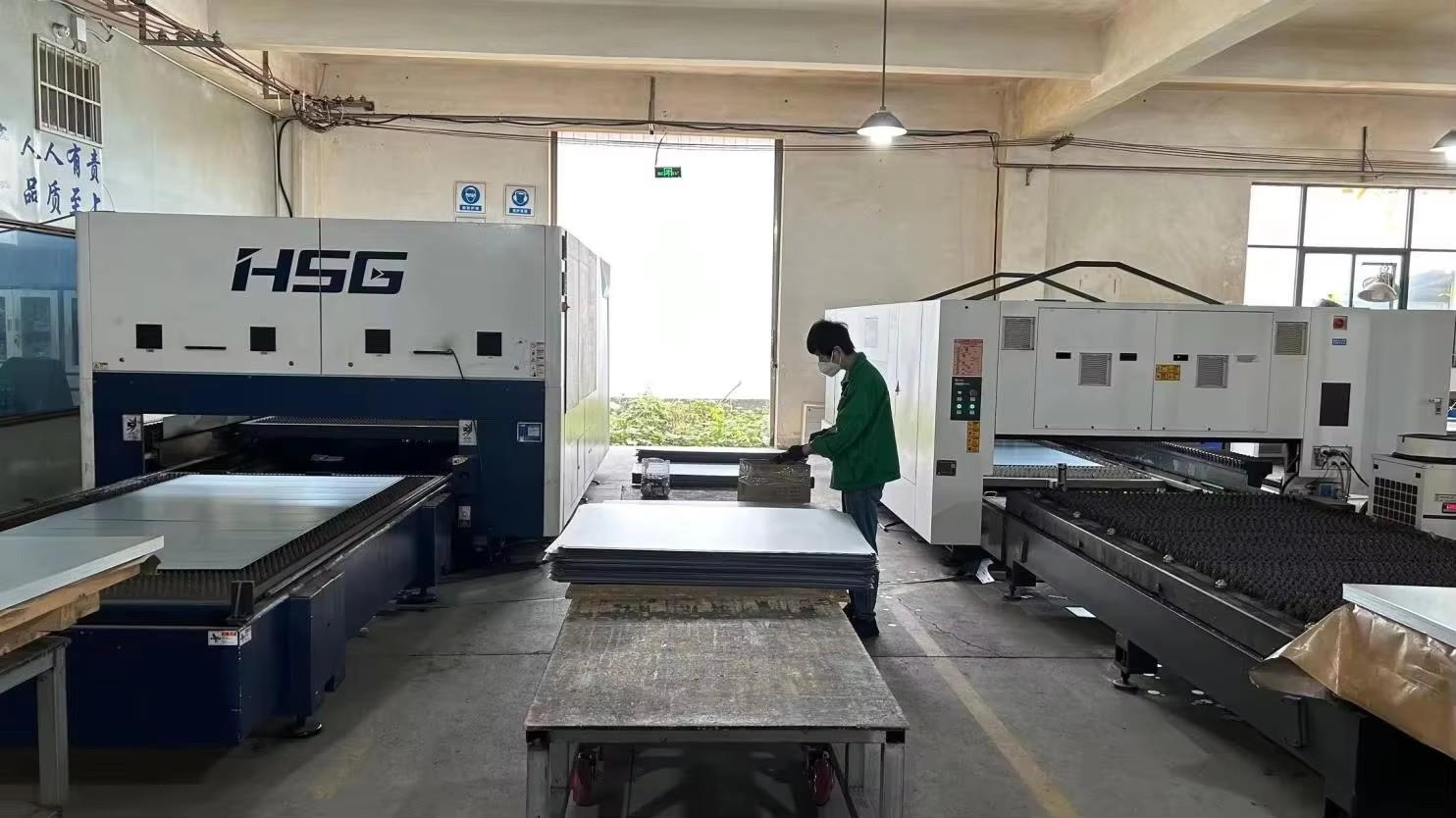
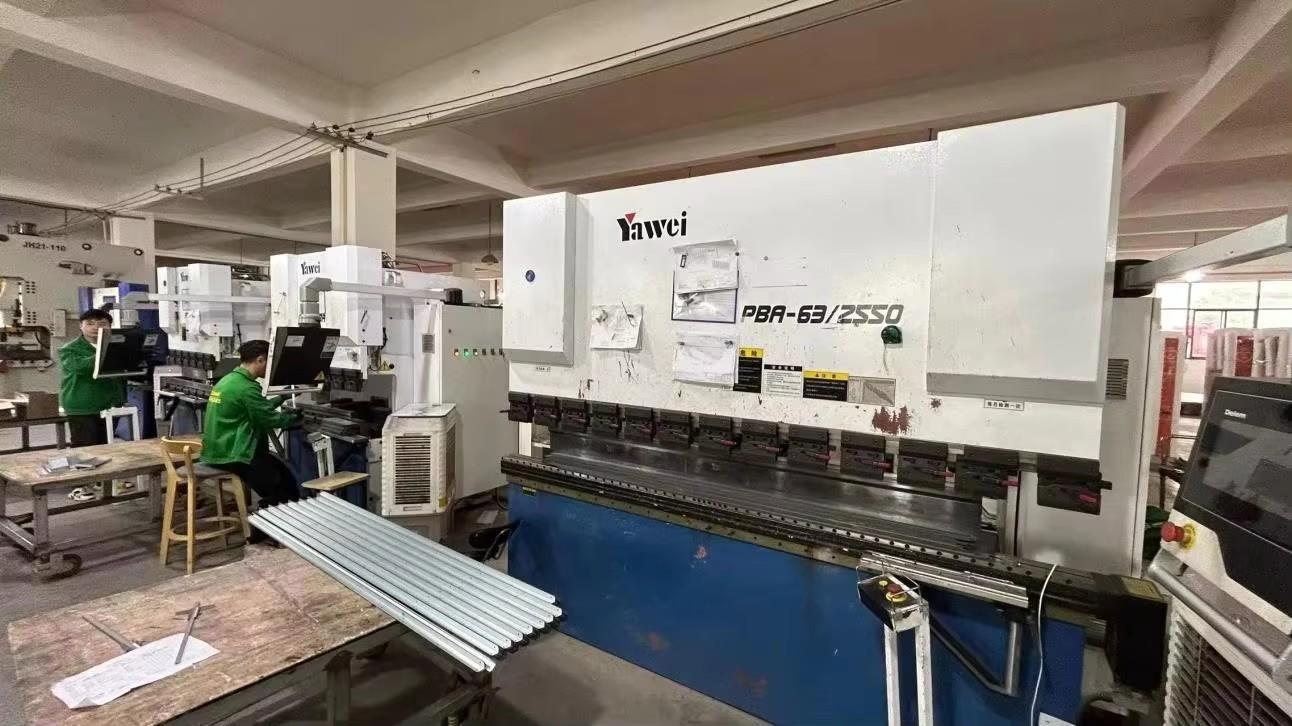
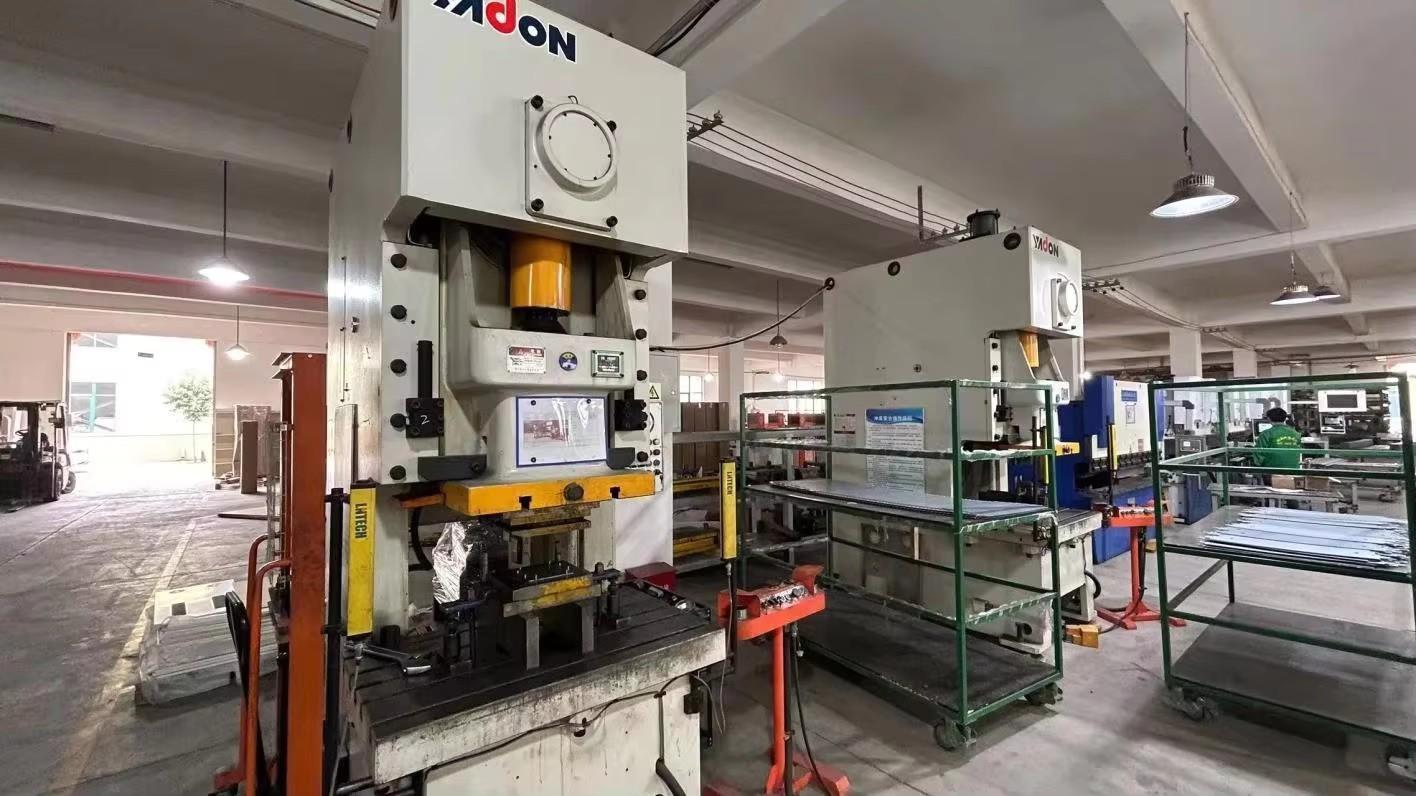
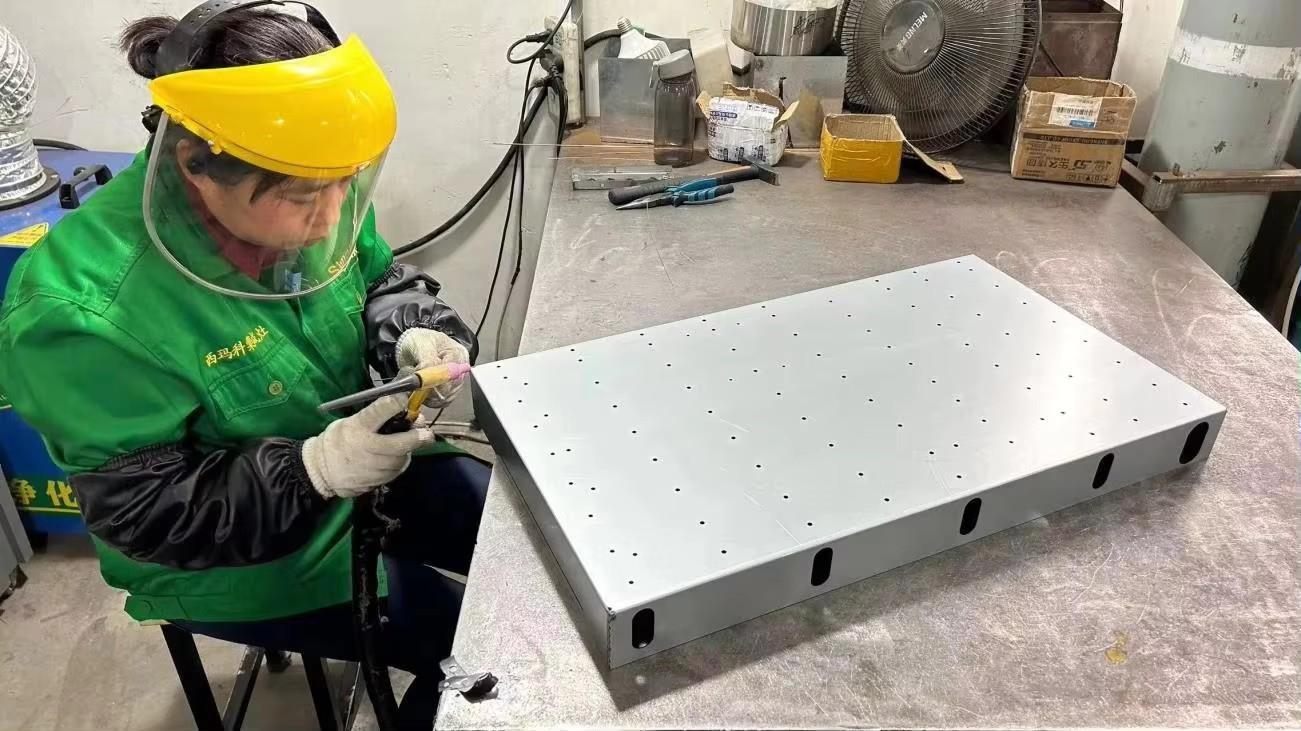
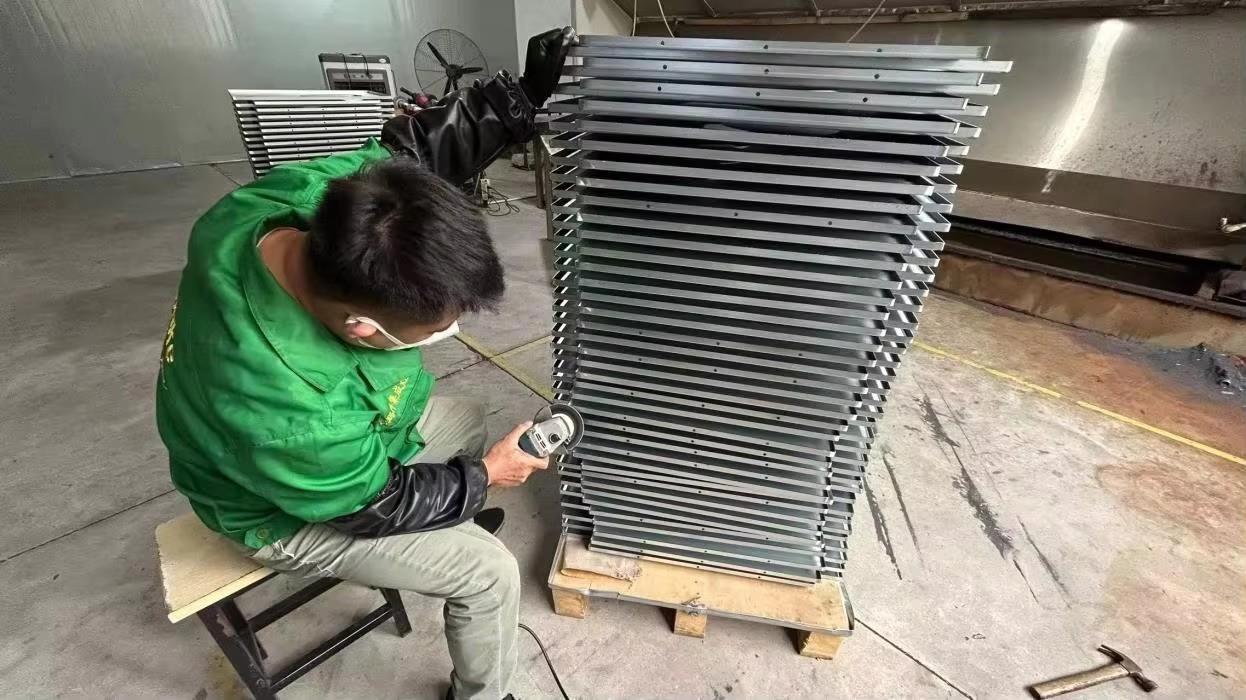
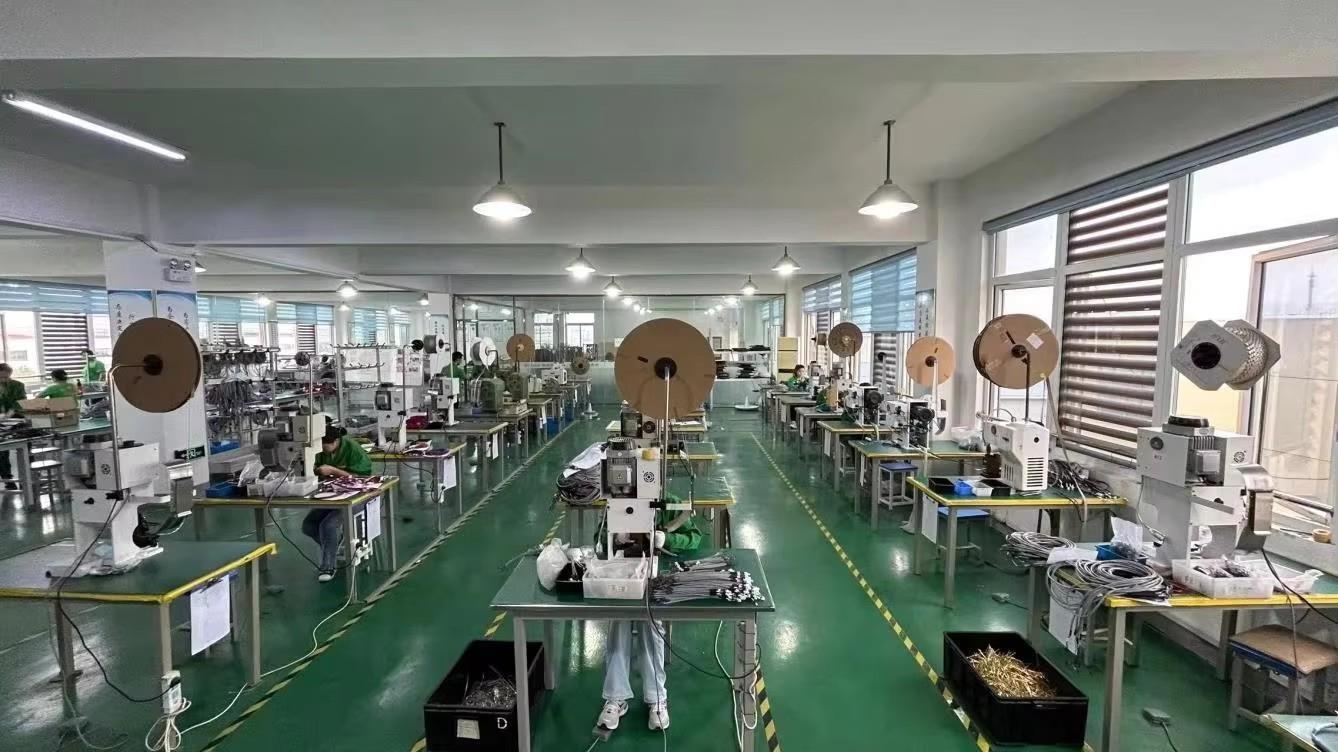
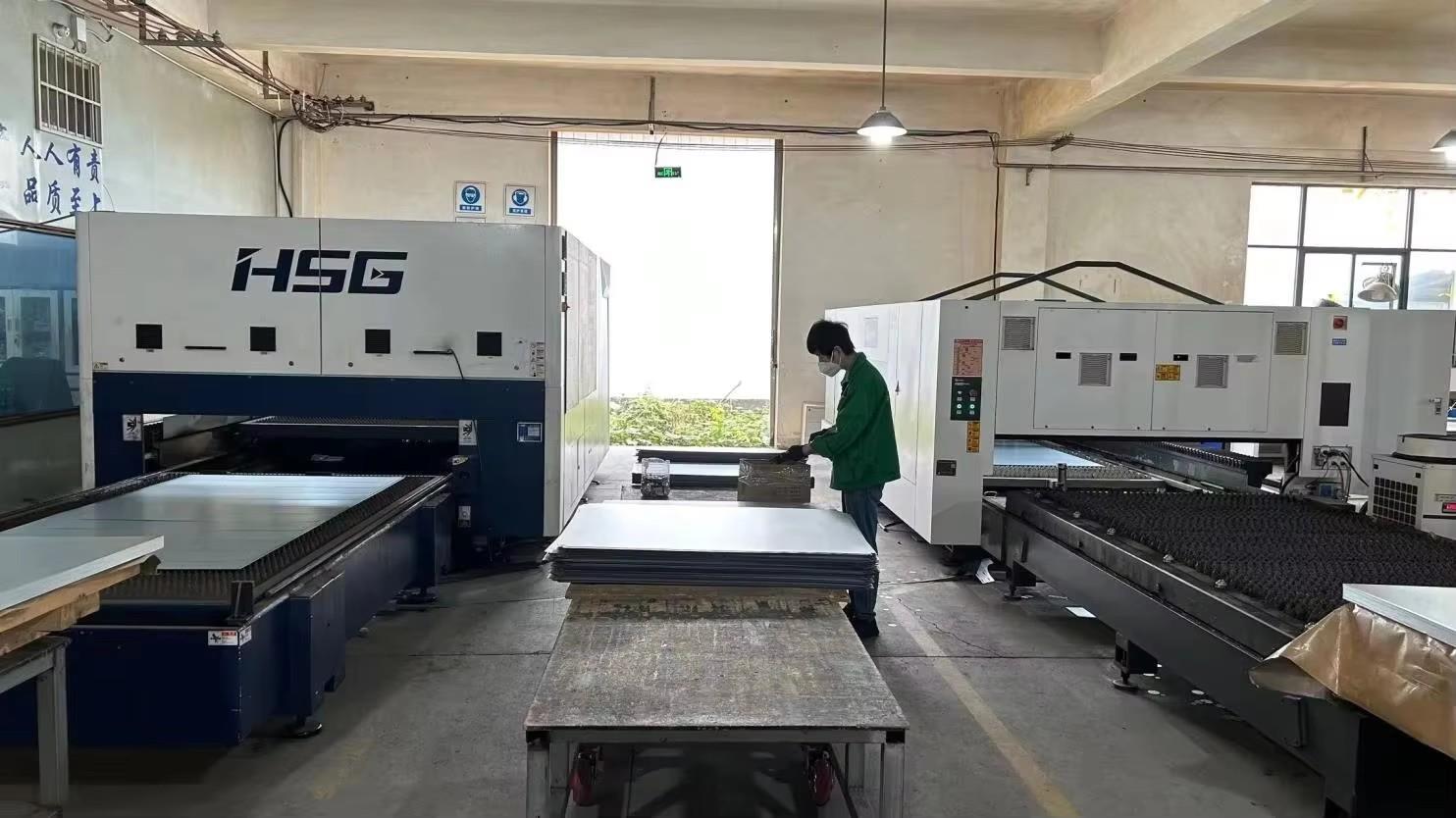
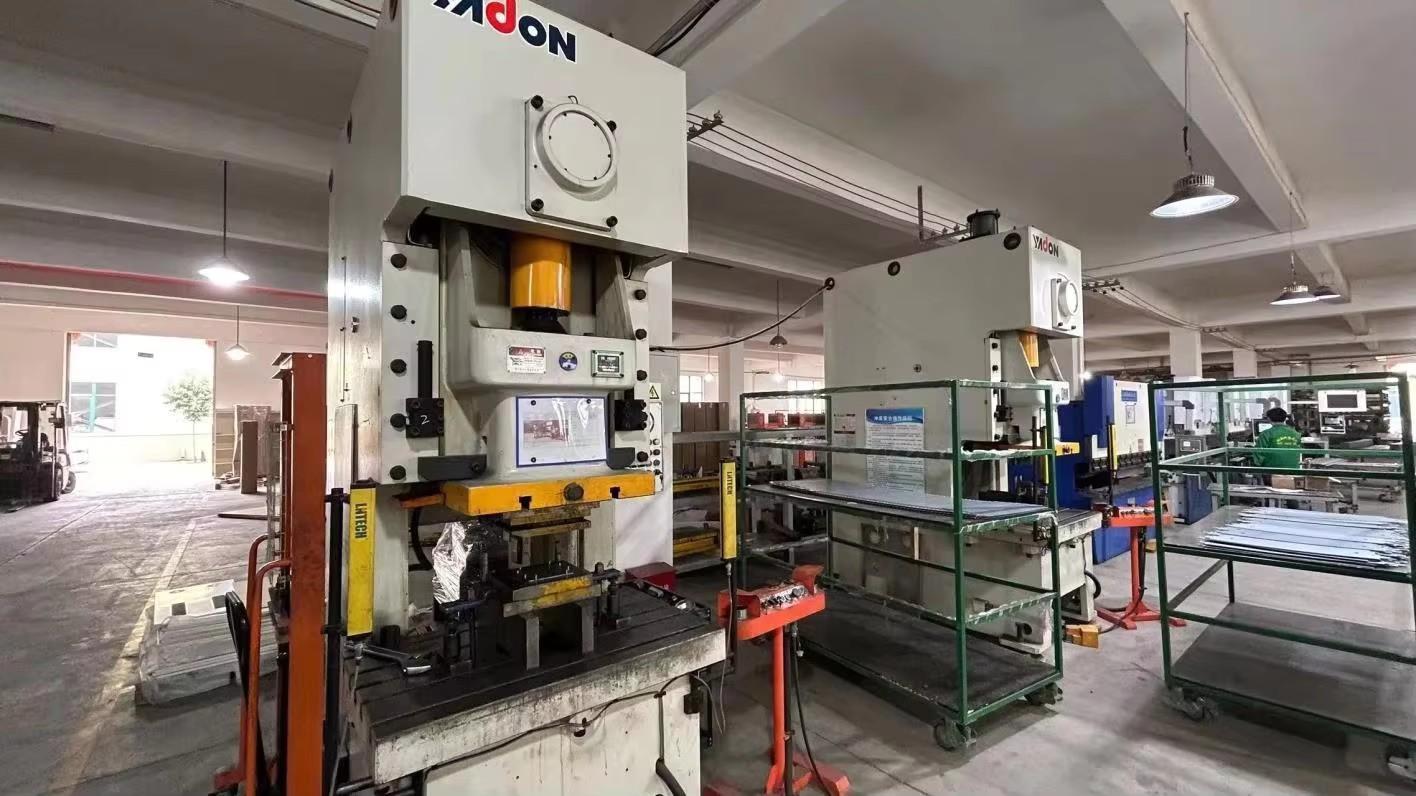
As a leading exporter of new energy technologies, China is the heart of the global battery value chain. The country manages the raw processing of lithium iron phosphate, cell manufacturing, BMS development, and final housing production. The Chinese manufacturing ecosystem delivers significant advantages in terms of cost efficiency, quality control, and rapid adaptation of design changes.
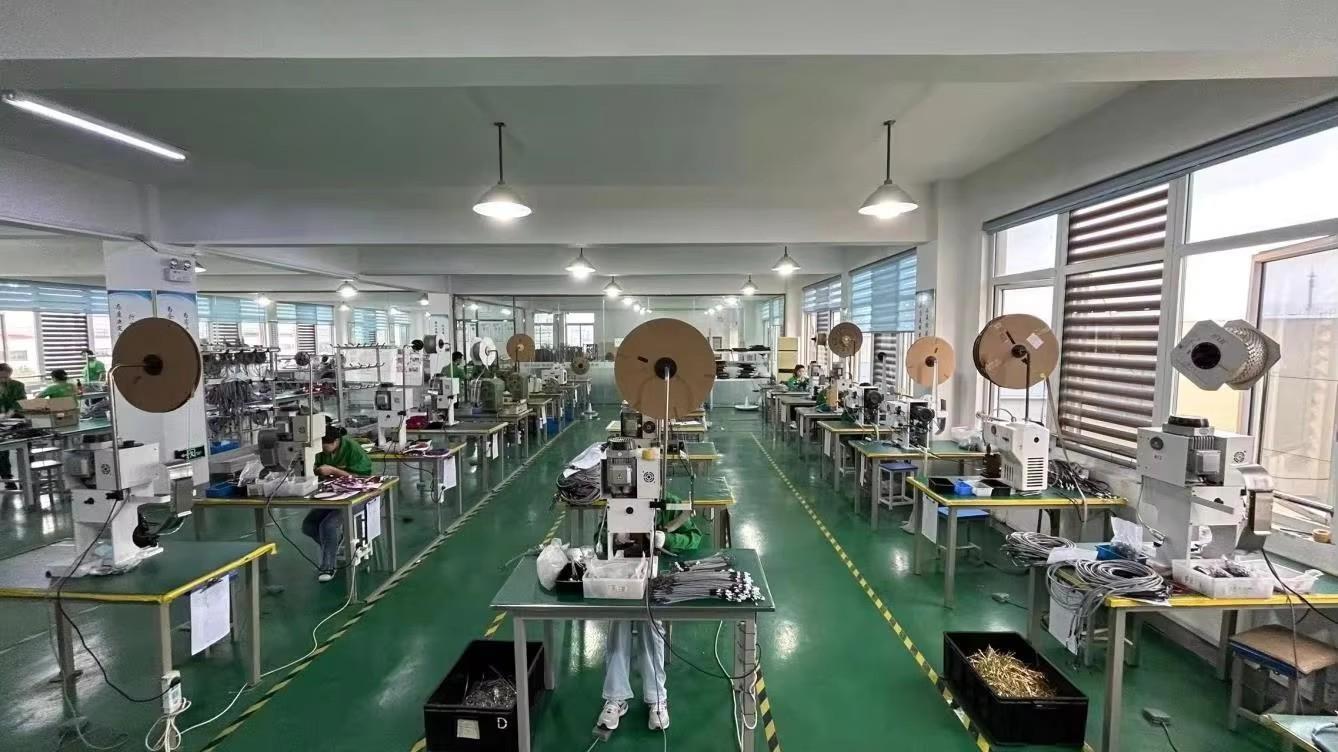
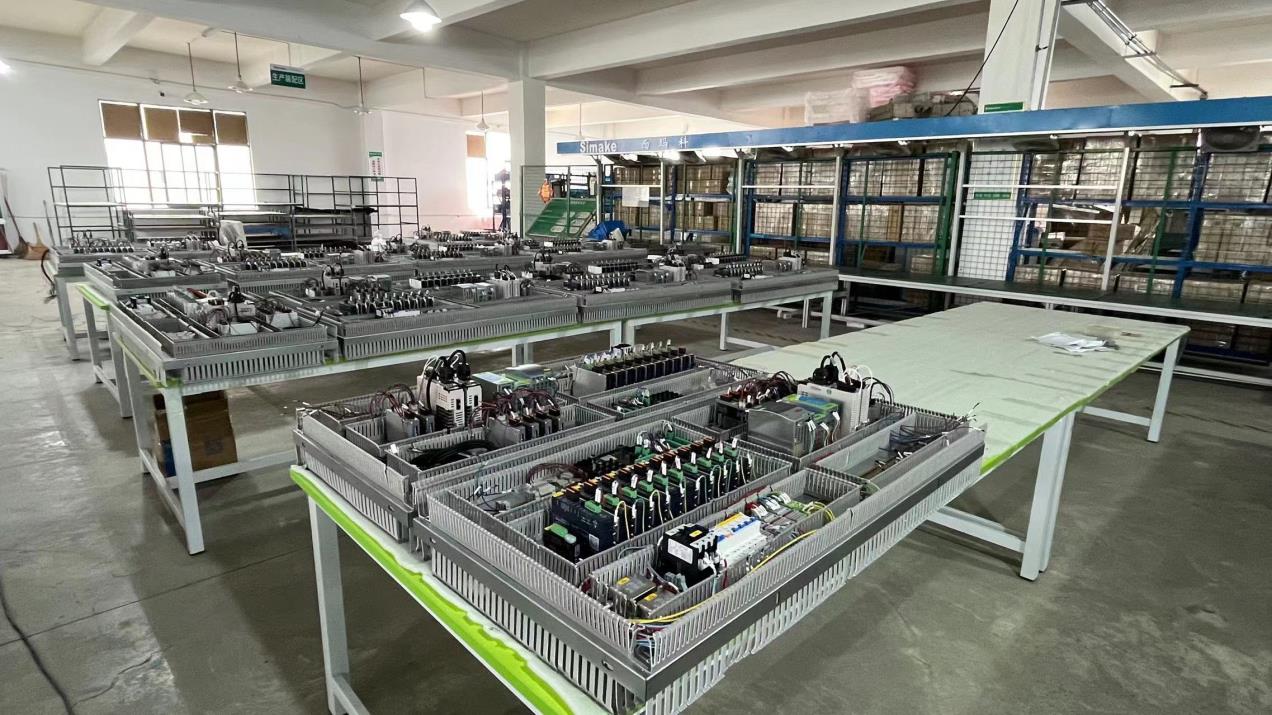
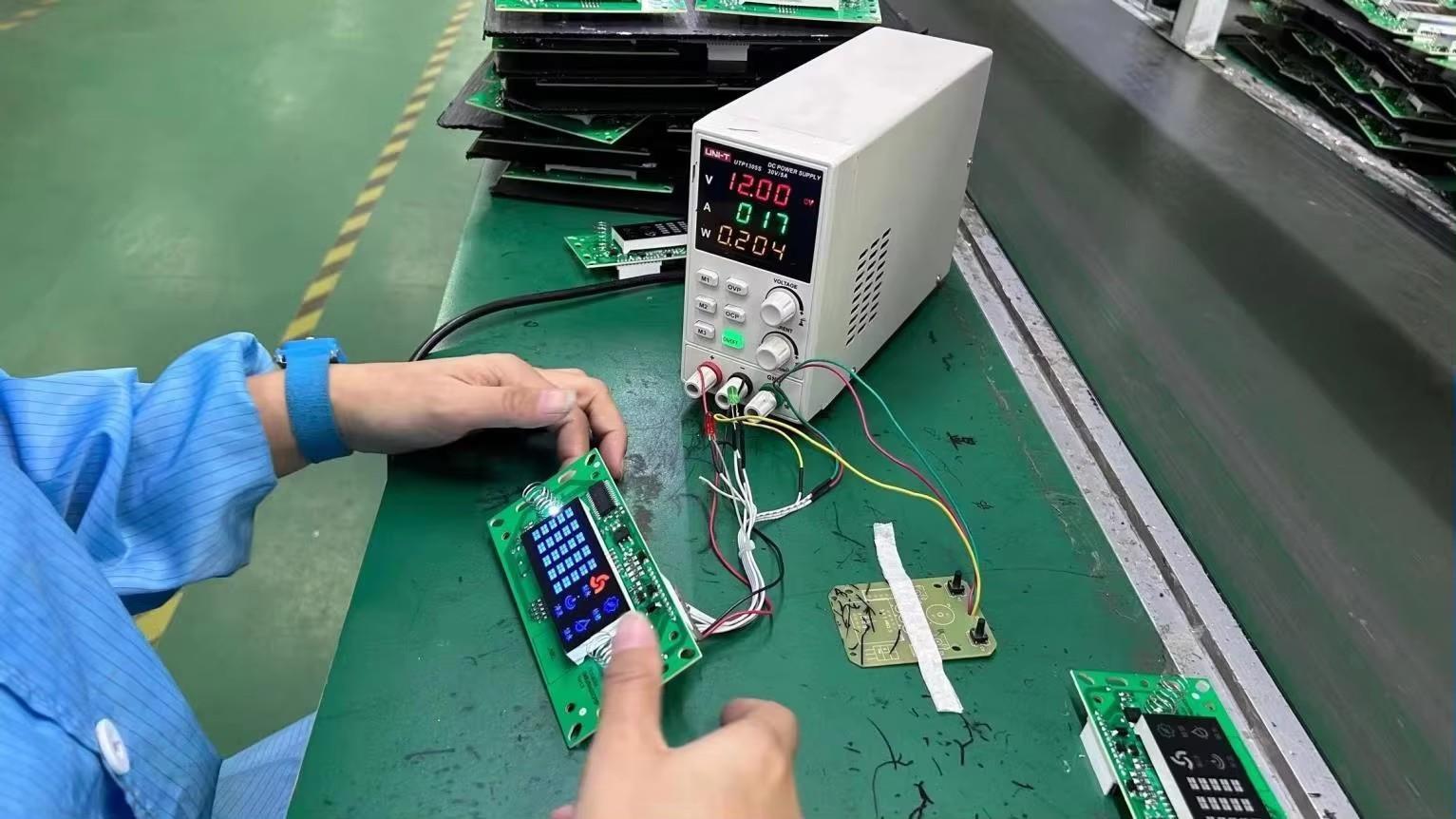
By integrating automated laser welding, computerized wire harness assembly, and multi-stage testing, top Chinese exporters like Qingdao Luzz Solar Co., Ltd. can offer highly reliable systems that comply with strict European grid safety standards, including IEC 62619, CE, and Synergrid registration in Belgium.
6. Belgium Localized Application Scenarios
- 3-Phase Delta Grids (3x230V): Unlike many European regions, parts of Belgium (especially older neighborhoods in Brussels and Flanders) utilize 3-phase systems without a neutral wire. BESS suppliers must customize their hybrid inverters and balancing systems to operate safely on these legacy grids.
- Heat Pump & EV Charger Syncing: Integrating a stackable battery with an EV charger allows the system to direct excess solar power into the vehicle first, then into the home battery, and finally to the thermal load via heat pumps. This strategy prevents overloading domestic grid connections.
- Historic Urban Off-Grid/Hybrid Setup: For urban renovations in historic areas where grid expansion is restricted, modular stackable storage units fit easily into tight cellars or utility closets, offering reliable backup power without requiring massive spatial alterations.