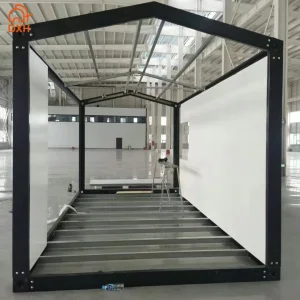
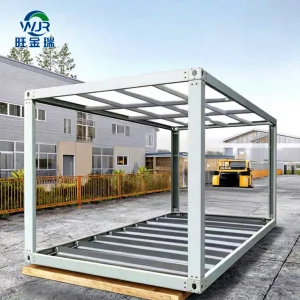
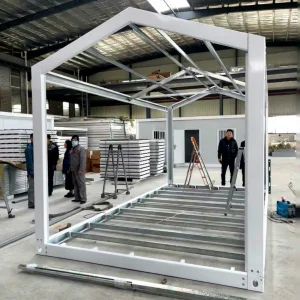
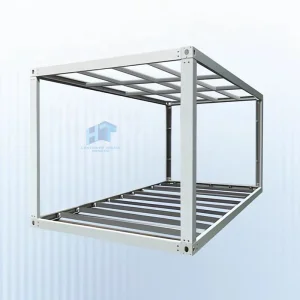
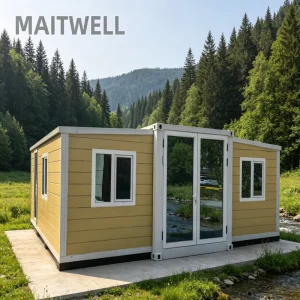
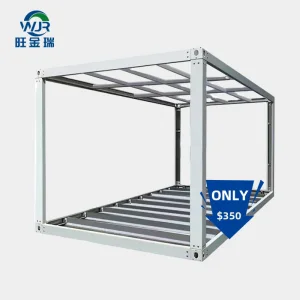
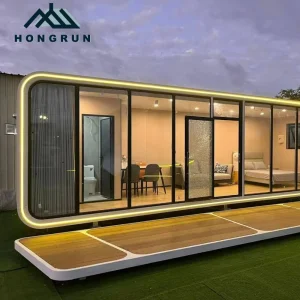
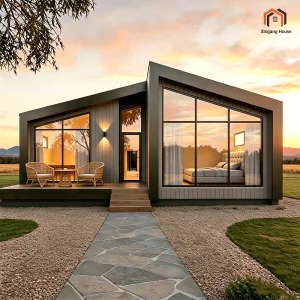
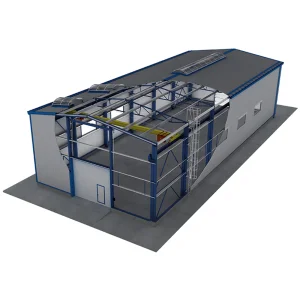
Engineered structural platforms designed to house next-generation stackable residential BESS layouts, offering coastal grade protection and thermal barrier isolation.
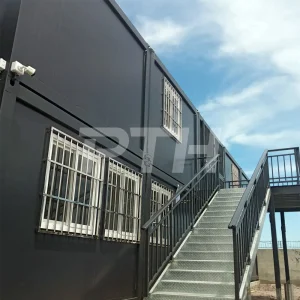
A Technical Assessment of Stackable Lithium Iron Phosphate (LiFePO4) Battery Energy Storage Systems (BESS) for Microgrids and Coastal Residential Infrastructures.
Antigua and Barbuda, situated in the eastern arc of the Leeward Islands, represents a paradigm shift for decentralized solar power infrastructure. Historically reliant on imported Heavy Fuel Oil (HFO) for power generation, the twin-island state has struggled with retail electrical tariffs ranging between $0.35 and $0.45 per kWh—some of the highest costs in the Caribbean. The Antigua Public Utilities Authority (APUA) faces persistent grid stability issues induced by thermal generation decay, distributed load surges, and the rising penetration of intermittent utility-scale PV plants.
Under the mandate of the Antigua and Barbuda National Energy Transition Plan, the government has set a target of achieving 86% renewable energy generation by 2030. However, executing this strategy without robust localized storage will compromise grid frequency dynamics. Large-scale battery integration is crucial, but behind-the-meter (BTM) residential solutions provide the ultimate form of grid relief and storm mitigation. With the threat of Category 5 hurricanes (e.g., Hurricanes Irma and Maria) looming annually, modular, stackable residential BESS systems offer localized energy autonomy, safeguarding critical power during utility blackouts and storm-damaged distribution grids.
Stackable BESS installations serve a dual purpose in small island grids: peak shaving during high-temperature cooling periods (noon to 4:00 PM) and high-current backup systems capable of operating fully disconnected from APUA infrastructure when coastal high winds trigger automated grid de-energization.
Residential BESS configurations have progressed from lead-acid batteries to wall-mounted lithium-ion modules, and finally to modern stackable high-voltage structures. The architectural choice of stackable design directly benefits Caribbean installations through several distinct technical features:
China's solar-plus-storage industrial ecosystem has established global benchmarks for lithium iron phosphate (LiFePO4) cell synthesis and battery management system (BMS) integration. As a major supplier in this sector, Qingdao Luzz Solar Co., Ltd. leverages a highly vertically integrated manufacturing process. Chinese factory production lines optimize every stage of the BESS lifecycle:
The integration of residential stackable battery storage in Antigua and Barbuda covers several scenarios that extend beyond basic backup systems.
Scenario A: Eco-Luxury Hospitality & Off-Grid Resorts. Boutique eco-resorts and luxury villas in locations like Jumby Bay require silent, emissions-free backup power. Conventional diesel generators conflict with high-end guest experiences and sustainability goals. Stackable BESS configurations (30kWh stacks coupled with 15kWp PV arrays) provide seamless power for HVAC loads, pool filtration, and lighting during grid outages, preserving the natural environment.
Scenario B: Grid-Tied Solar Peak Shaving and TOU Optimization. APUA may transition toward Time-of-Use (TOU) billing or impose limits on net metering feeds. Homeowners can use a stackable BESS to store excess midday solar energy and discharge it during peak tariff windows (6:00 PM - 10:00 PM), reducing utility dependency and accelerating the return on solar investments.
Scenario C: Telecom Base Station & Critical Infrastructure Microgrids. Remote coastal cell towers in Barbuda demand uninterrupted power. Stackable BESS modules can be deployed alongside small hybrid wind/solar installations to provide 48-hour autonomous operational cycles. This capability maintains communications even if utility poles are compromised during storm events.
International purchasing departments, EPC contractors, and electrical distributors in the Caribbean require reliable compliance and logistics support when sourcing storage equipment. Critical parameters for sourcing residential BESS systems include:
Industrial Capabilities & Precision Production Processing for Global Renewables Distribution
Qingdao Luzz Solar Co., Ltd. is a professional new energy enterprise specializing in the development, manufacturing, and global distribution of photovoltaic (PV) products and integrated energy storage solutions. Located in Qingdao, China, the company benefits from a well-established renewable energy industrial base and advanced manufacturing capabilities.
With the accelerating global transition toward carbon neutrality and sustainable development, Luzz Solar is committed to providing efficient, reliable, and cost-effective clean energy solutions to customers worldwide. Our product portfolio includes high-efficiency solar photovoltaic modules, energy storage systems, and integrated solar application solutions designed for residential, commercial, and utility-scale projects.
Driven by technological innovation and quality excellence, the company continuously invests in R&D and production optimization to improve product performance, energy conversion efficiency, and system reliability. We strictly adhere to international quality standards and implement rigorous quality control throughout the entire production process to ensure stable and long-term product performance.
Qingdao Luzz Solar actively expands its global market presence, with business coverage across Asia, Europe, the Middle East, Africa, and Latin America. By working closely with international partners, we are committed to delivering tailored energy solutions that meet diverse regional needs and support the global energy transition. Guided by the core values of integrity, innovation, cooperation, and sustainability, Luzz Solar strives to become a trusted global partner in the new energy industry.
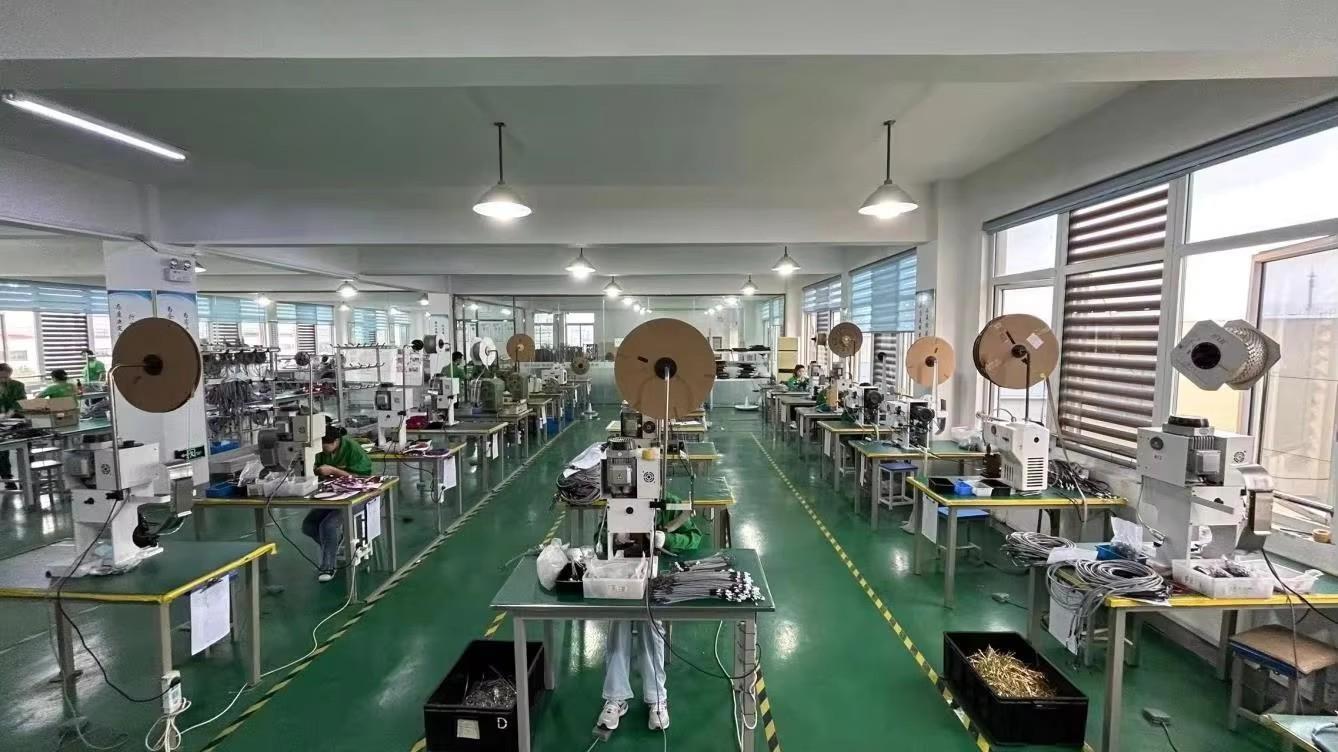
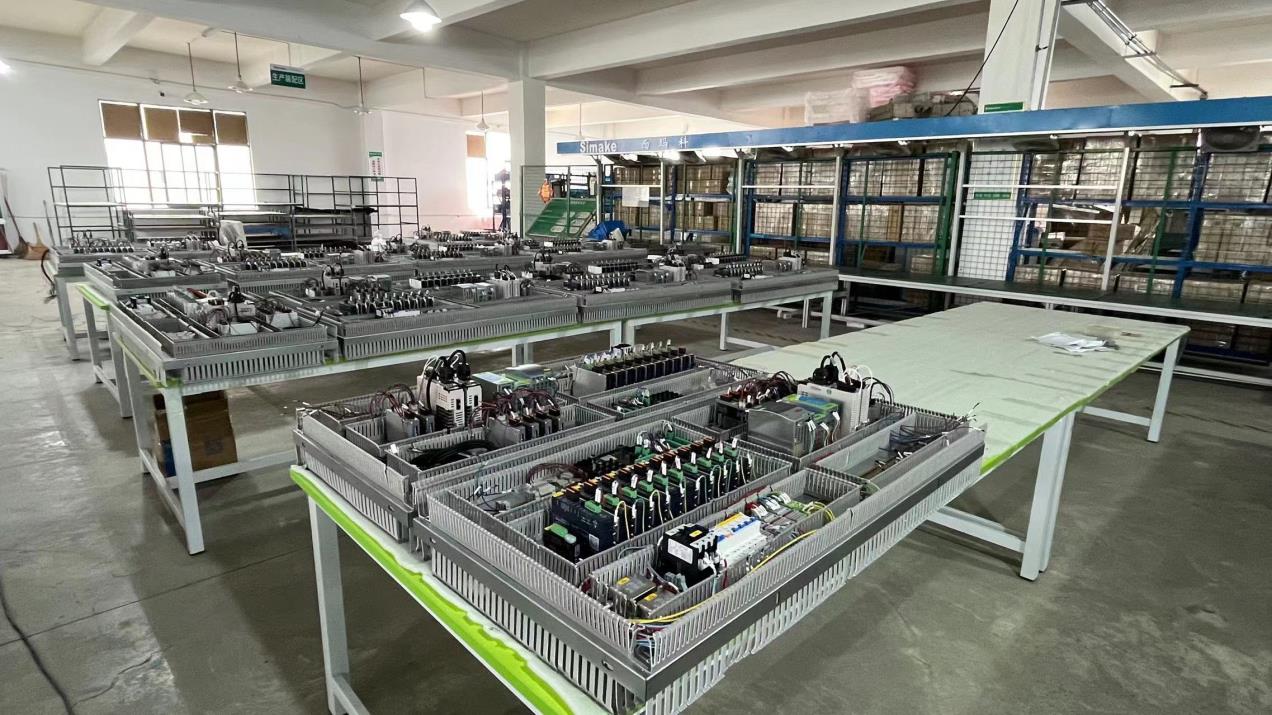
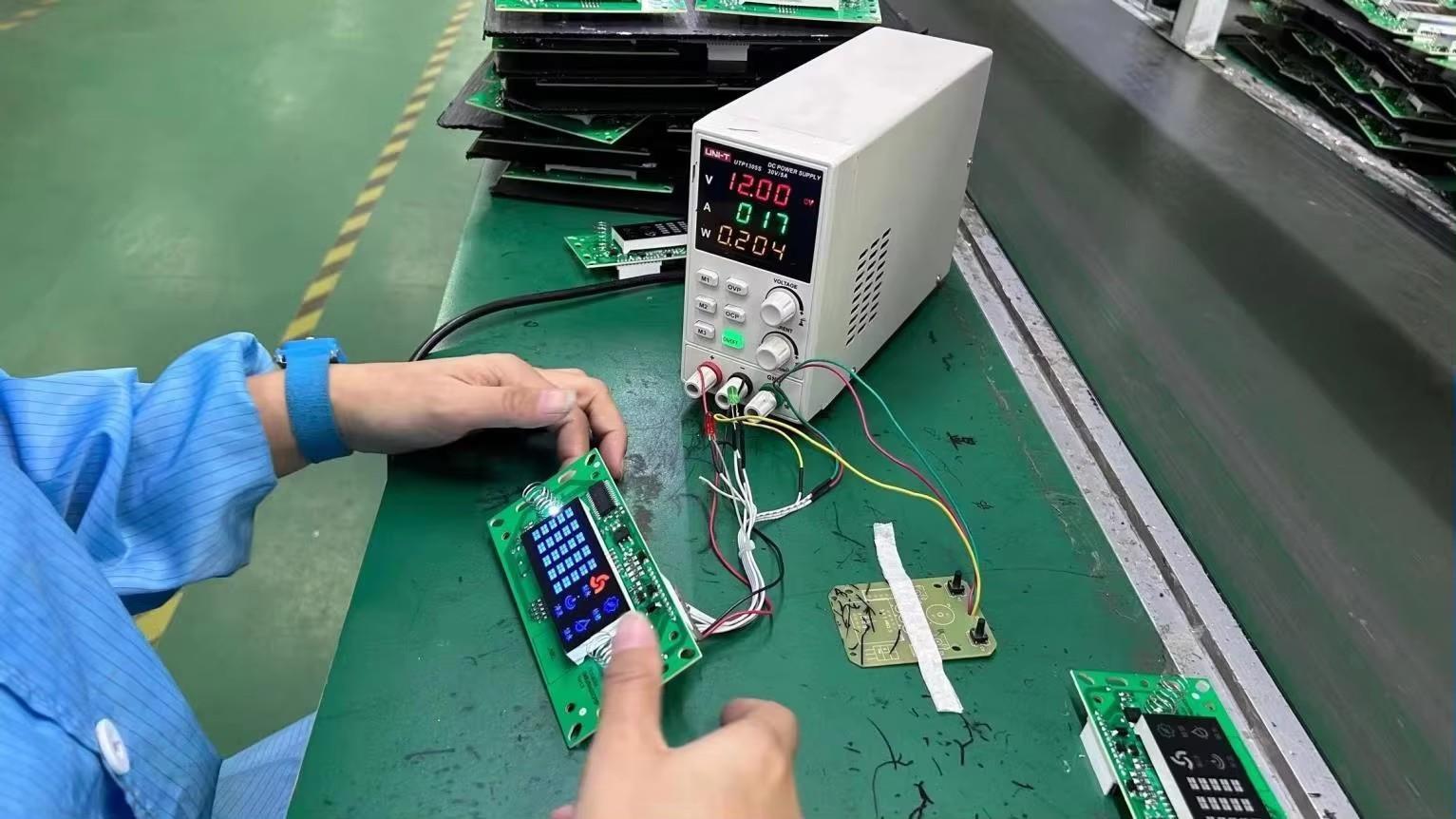
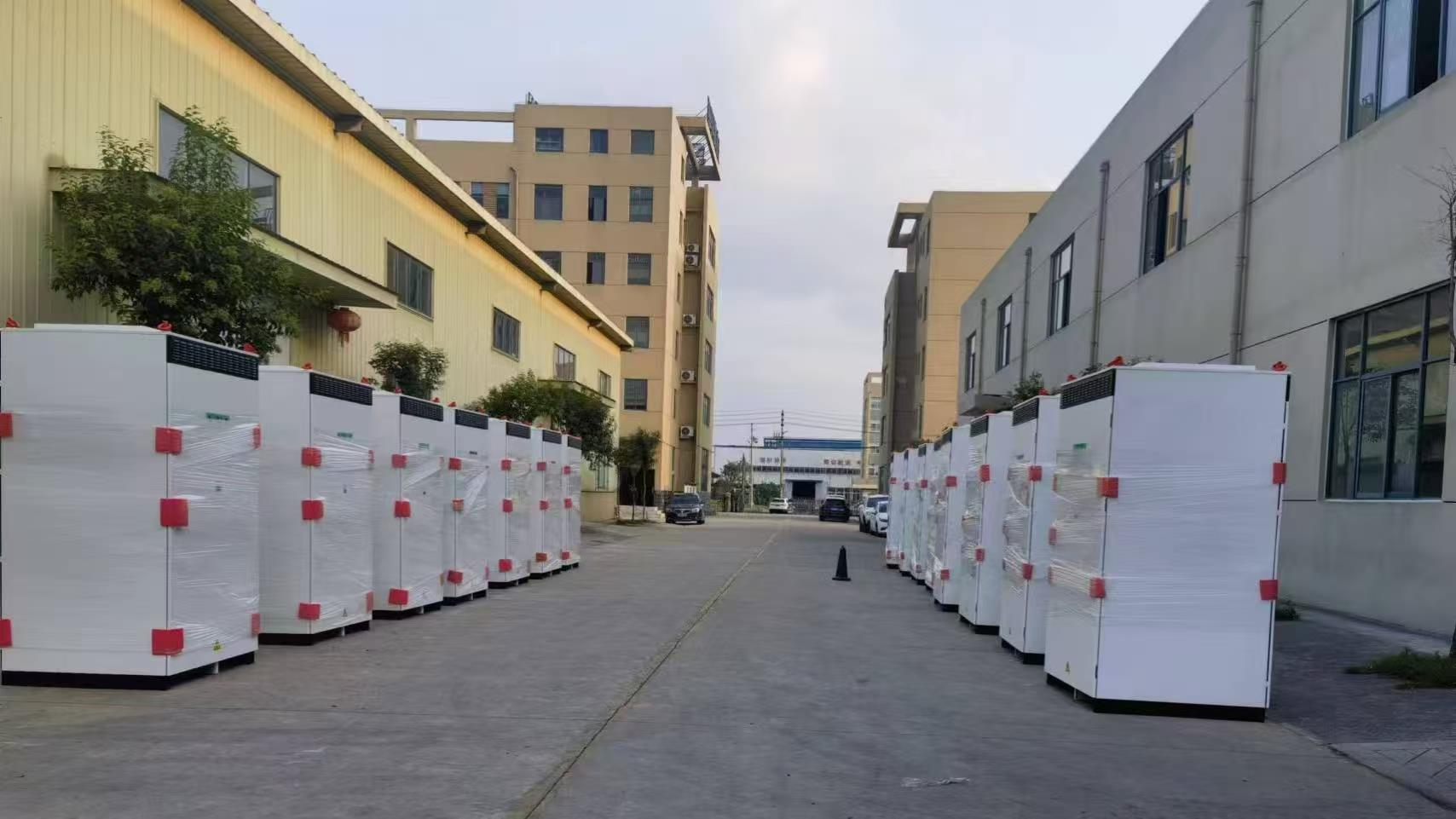
We apply strict quality management system controls, utilizing automated assembly lines, high-frequency laser welding, and high-precision testing instruments to meet international standards.
A transparent look inside our modern facility showing steps from raw metal bending to electronic diagnostics
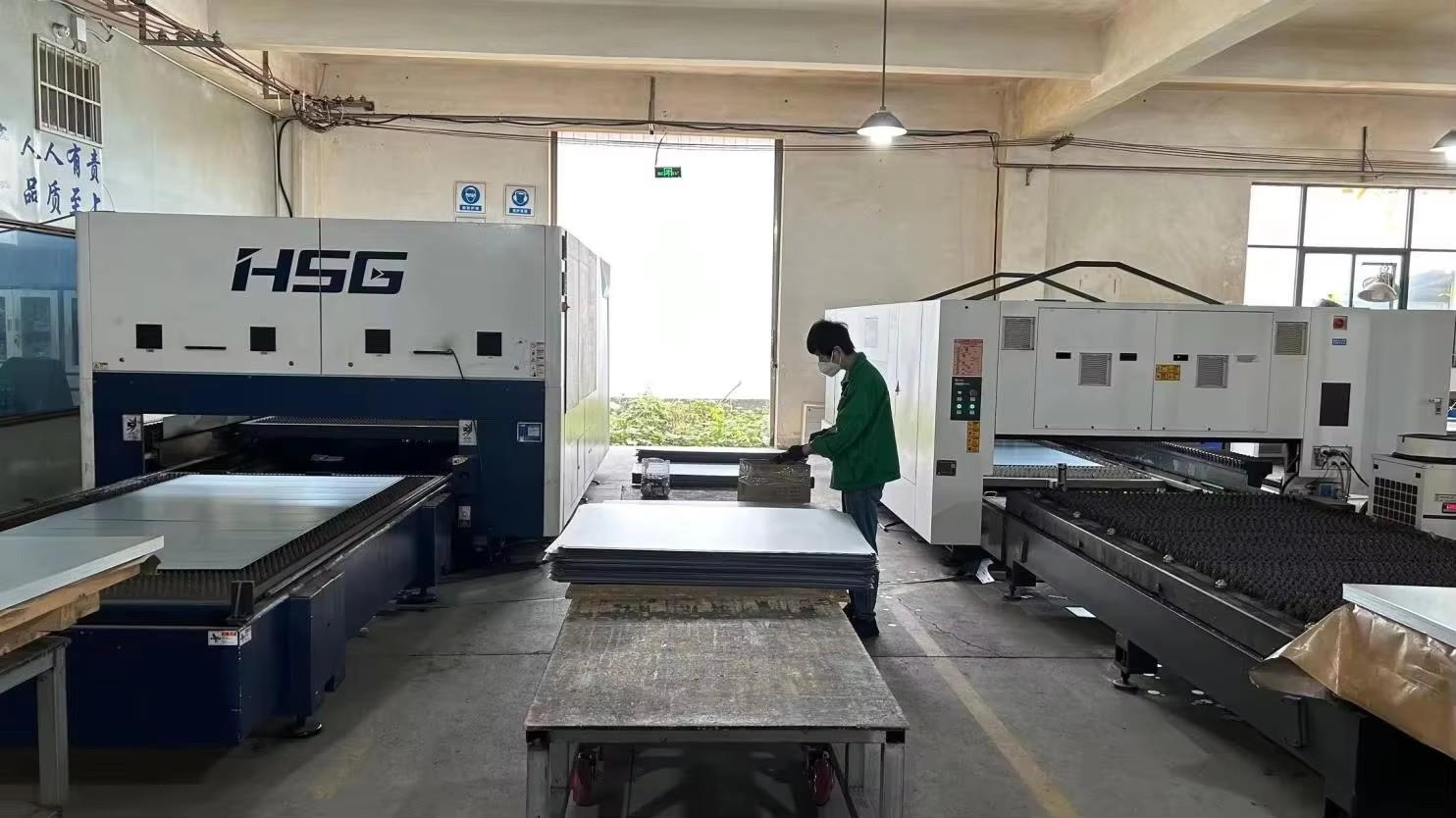
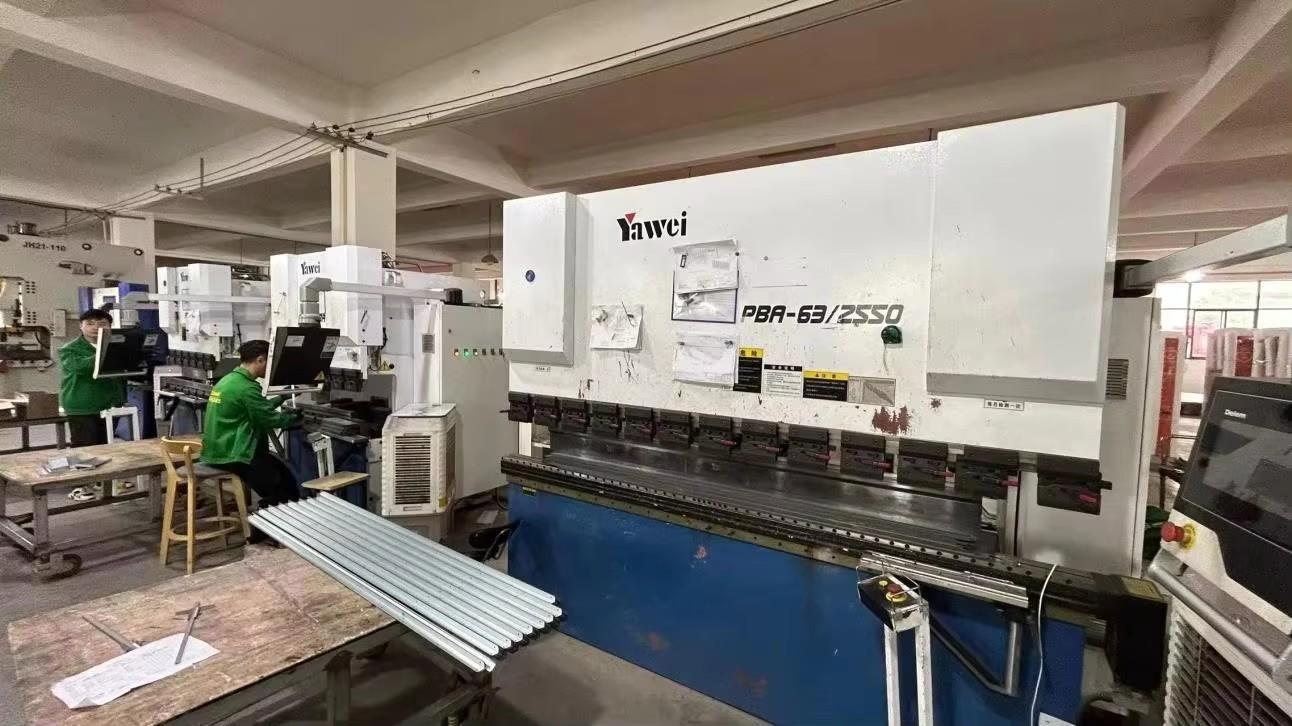
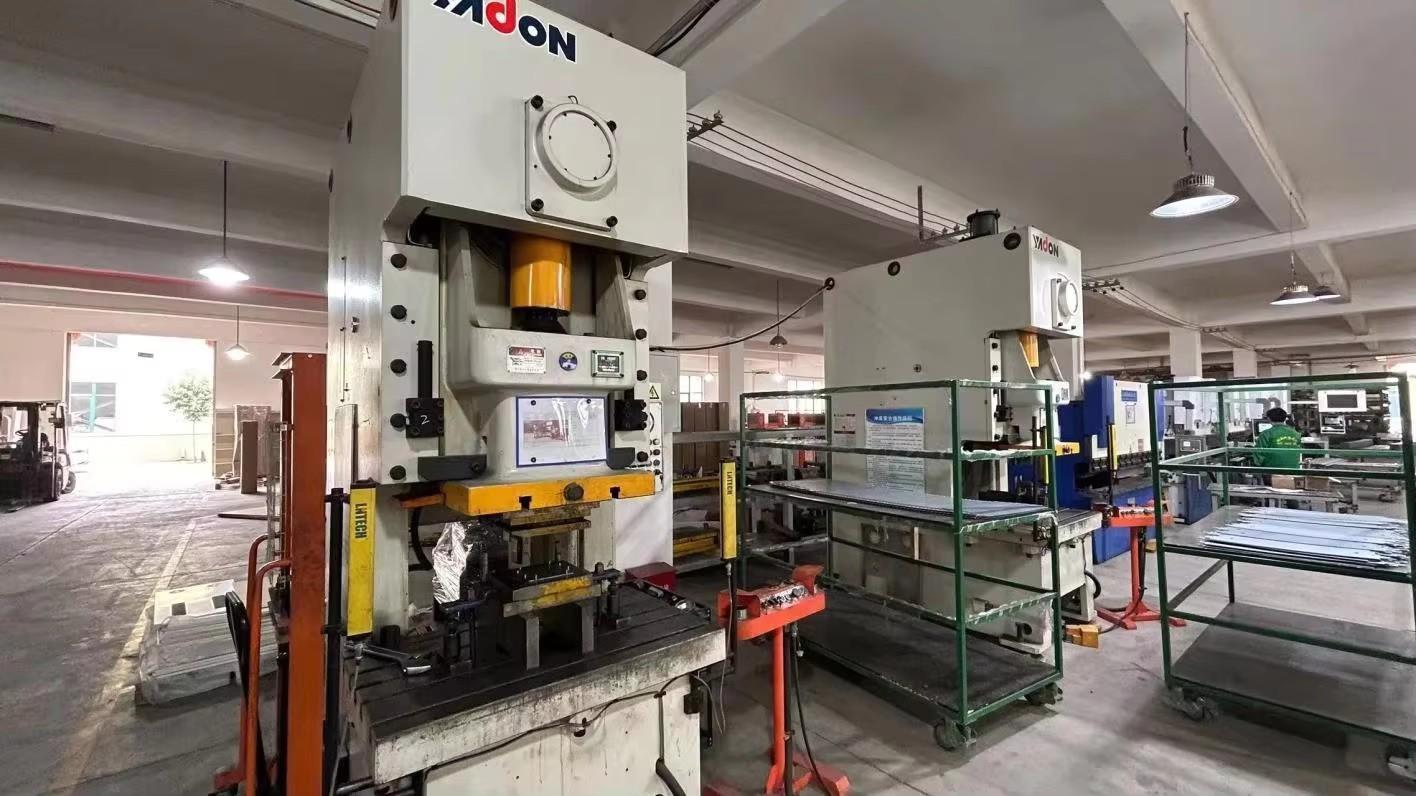
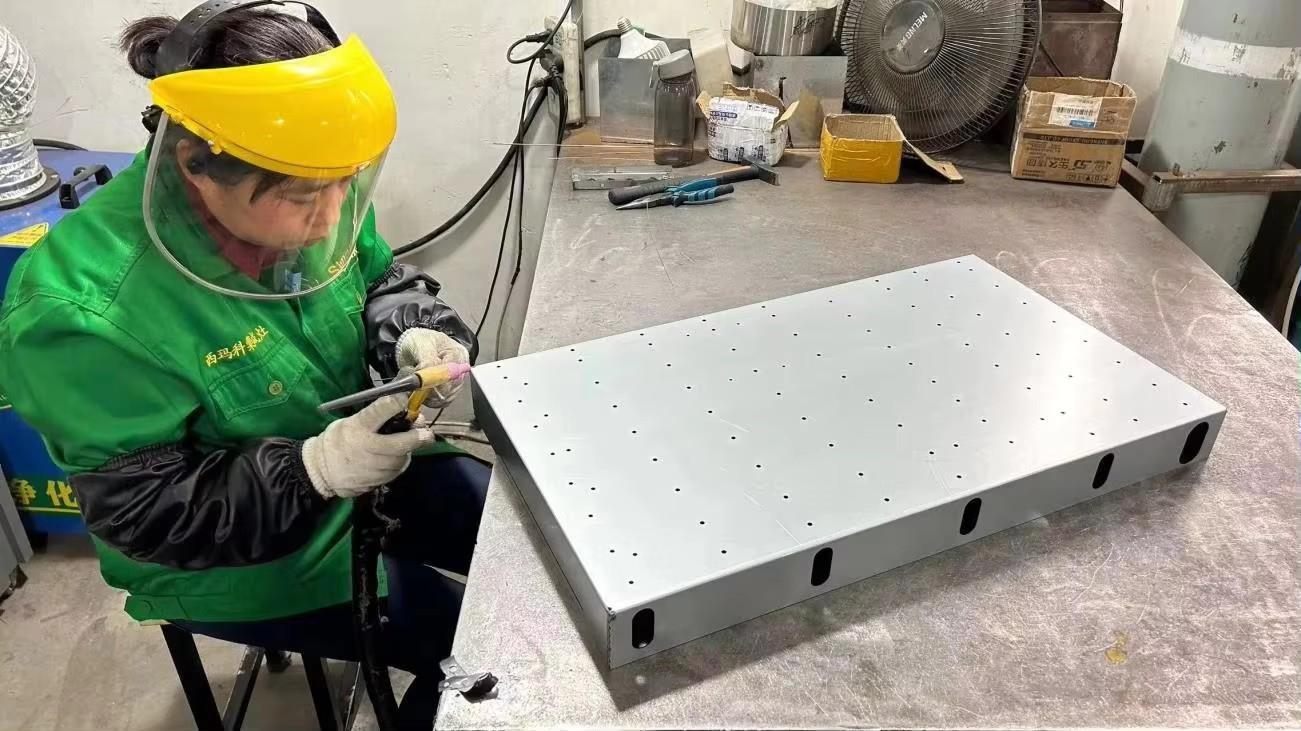
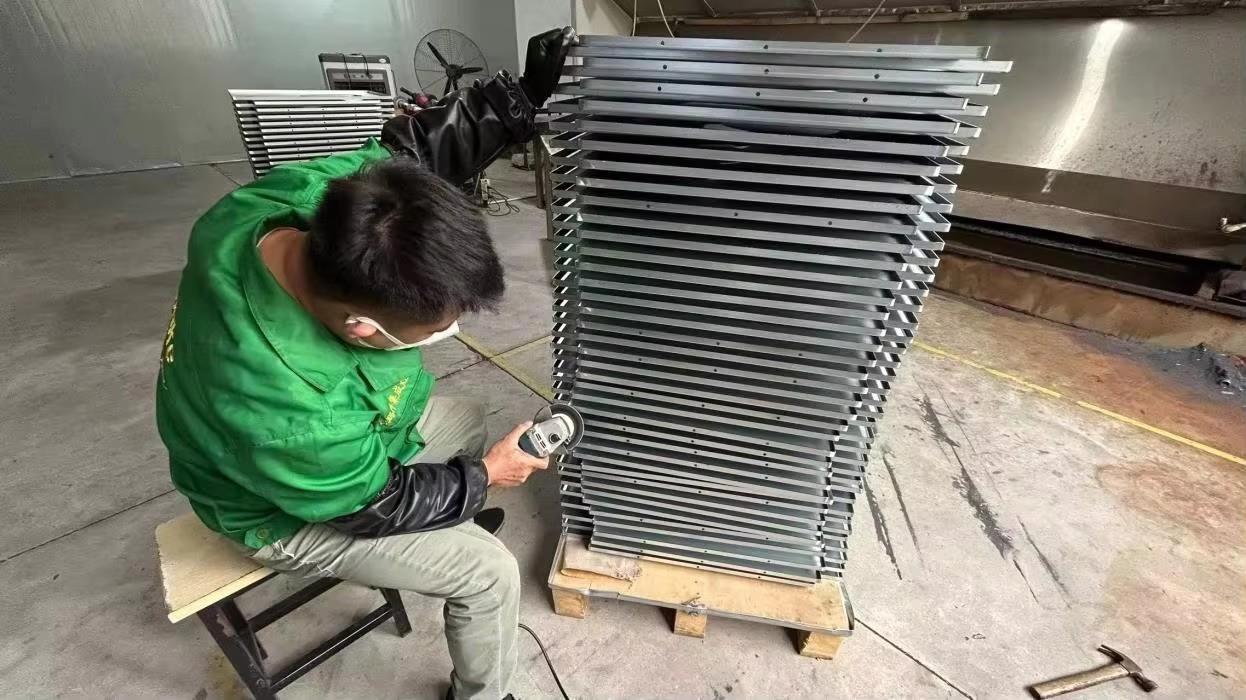
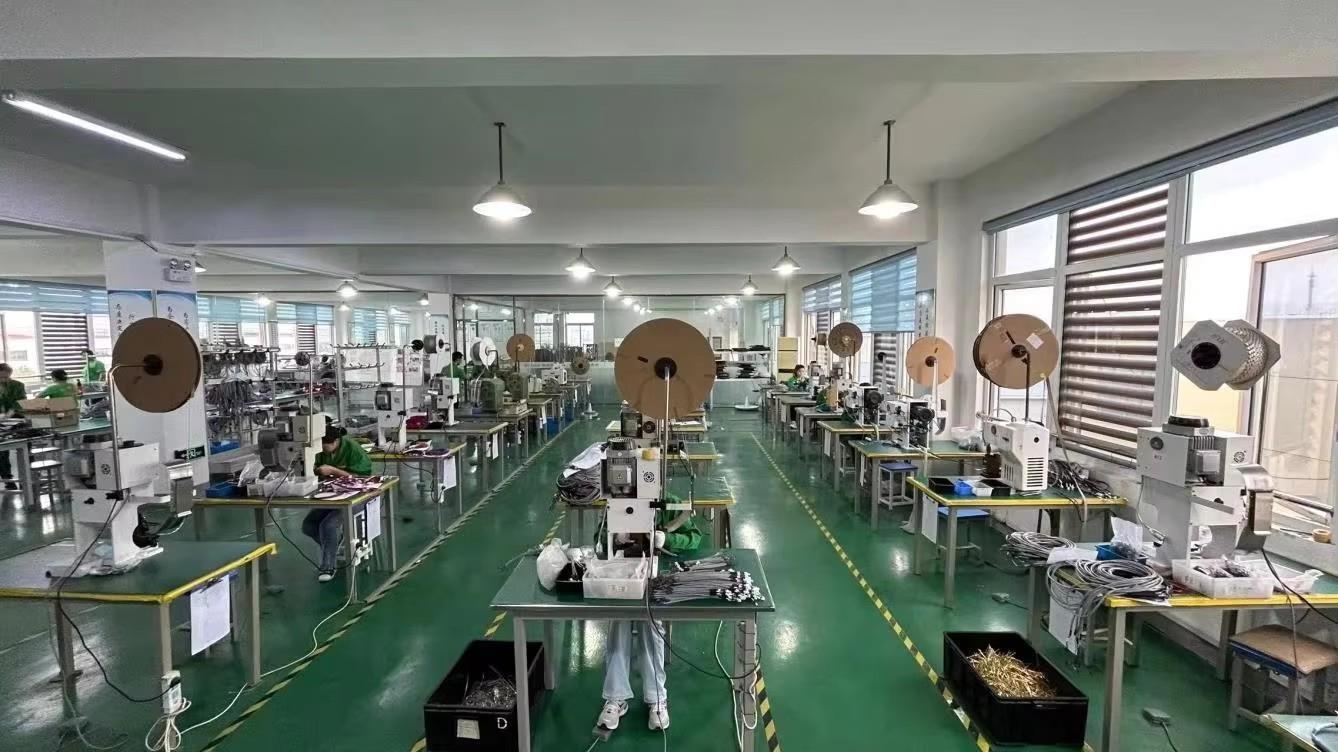
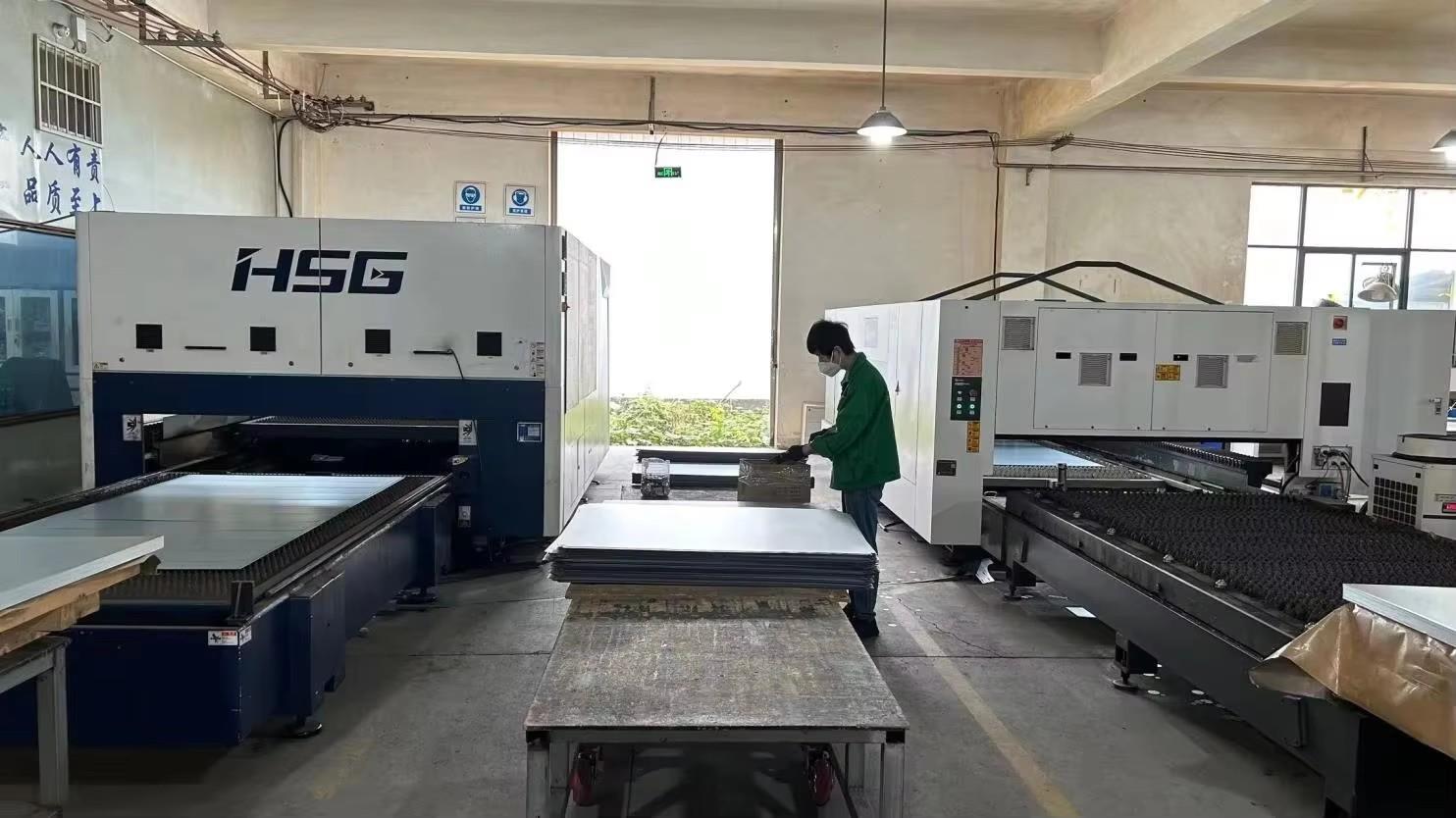
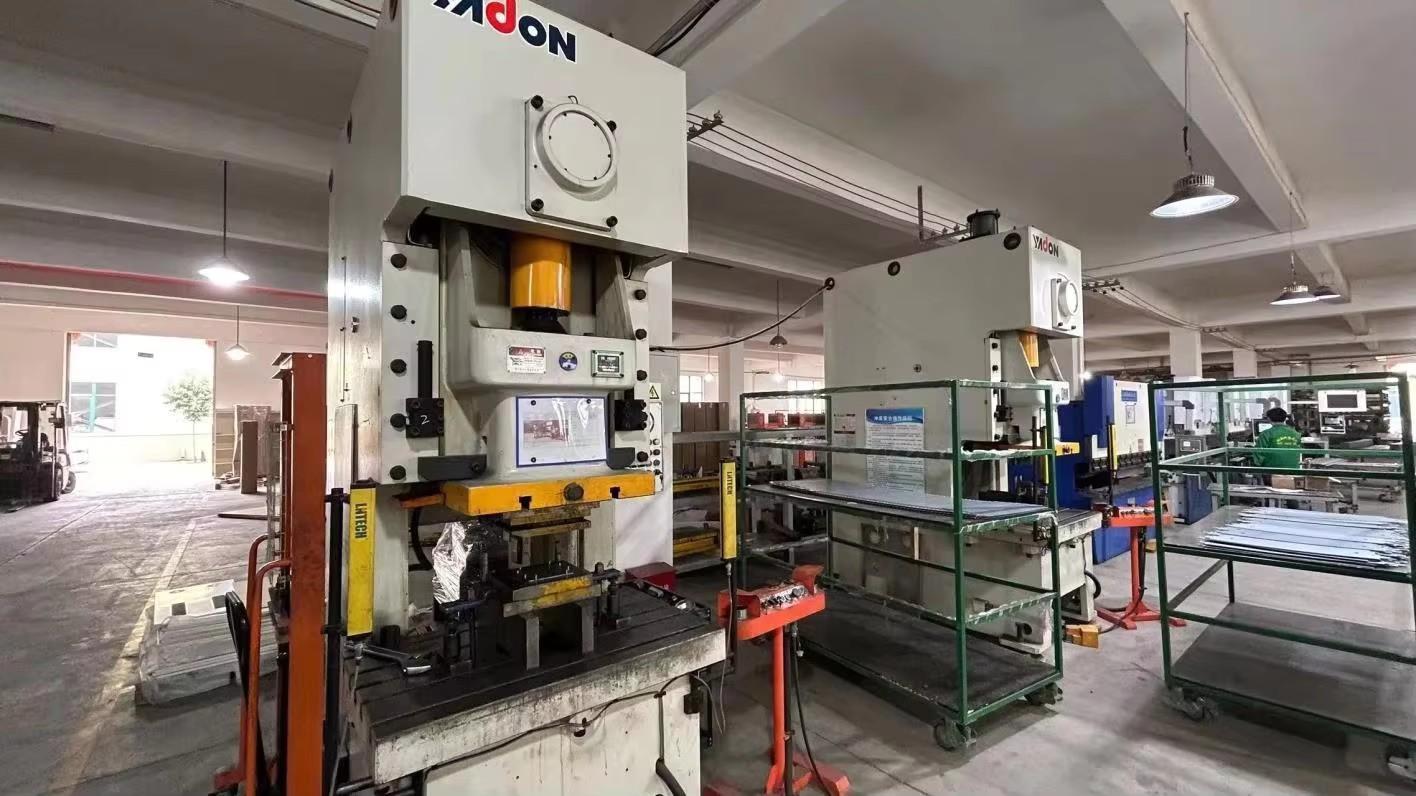
Detailed technical answers for engineering professionals and global procurement officers.
Yes. The enclosures utilize galvanized SGCC steel panels with anti-corrosion powder coating, passing 1000-hour salt spray testing. The inner modules are IP65 rated to prevent salty sea air from inducing PCB decay or tracking faults on terminals.
Absolutely. Our systems interface with hybrid inverters complying with IEEE 1547 and UL 1741 standards. This allows for clean integration, anti-islanding protection, and dynamic grid support configurations required by the Antigua Public Utilities Authority.
High-voltage systems operate with reduced current profiles, which decreases copper cable gauge requirements, reduces heat generation, and optimizes overall round-trip efficiency by up to 5% compared to 48V setups.
We manage international logistics under UN3480 directives (lithium-ion batteries). The units are packaged in heavy-duty hazardous materials carton boxes, shipped in climate-controlled seafreight reefers or specialized containers, and supplied with full MSDS documentation for clearance at St. John's Port.
The integrated BMS monitors cell-level voltage and temperature, regulating currents during anomalies. The LiFePO4 chemistry has a high thermal threshold, and optional internal aerosol fire suppression blocks are available for added protection.
Yes. The plug-and-play stackable design allows users to add new modules to the stack without rewiring. The master BMS automatically detects the new modules and recalibrates the state of charge (SoC) balance across the unit.
Connect with our senior application engineers to receive custom configurations, compliance data sheets, and competitive direct-factory pricing.
Send Inquiry NowExplore structural components, stackable assemblies, and modular housing solutions optimized for clean energy distribution networks.
 Luzz Solar