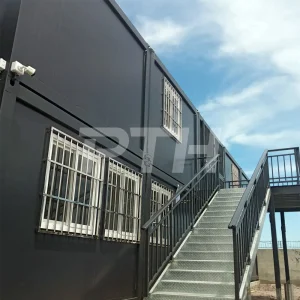
Engineered to support remote power modules, shelter enclosures, and hybrid solar BESS structural configurations in demanding tropical environments.
An in-depth analysis of grid dynamics, tariff challenges, and geographical characteristics that make decentralized battery storage a necessity in the Philippines.
The Philippines experiences some of the most complex power grid issues in Southeast Asia. Due to its status as an archipelago comprising over 7,600 islands, developing a centralized, stable electrical grid is a monumental geological and financial hurdle. Major electricity distributors, such as the Manila Electric Company (Meralco), grapple with volatile wholesale spot market costs, transmission bottle-necks, and the recurring damage inflicted by seasonal super typhoons.
Philippine households face retail electricity rates that are significantly higher than the global average, often exceeding ₱10-₱14 per kilowatt-hour ($0.18–$0.25 USD/kWh). Furthermore, regional cooperatives in Visayas and Mindanao struggle to maintain uninterrupted service, exposing domestic consumers and local commercial enterprises to frequent rolling blackouts (known locally as "brownouts").
A residential Stackable Battery Energy Storage System (BESS) mitigates these disruptions by enabling local solar storage during high-yield afternoon hours and deploying this energy during premium peak-rate evening periods. By leveraging load shifting and peak shaving mechanisms, stackable energy storage systems yield immediate ROI on initial installation expenses.
Under the Philippine Renewable Energy Act (RA 9513), the Net Metering program allows homeowners to export excess solar energy back to the grid for credits. However, distributed micro-generation often causes grid volatility, forcing local distribution utilities (DUs) to enforce strict limits. A hybrid residential BESS ensures compliance by maximizing self-consumption and stabilizing export surges, positioning modern households as active, reliable participants in the clean energy transition.
Analyzing the paradigm shift from lead-acid batteries to high-voltage, modular LiFePO4 chemistry.
Traditional wall-mounted battery systems require complex wiring and dedicated installation space. Stackable BESS configurations utilize plug-and-play connections, enabling seamless expansion from 5kWh up to 30kWh without complex external rewiring.
Lithium Iron Phosphate (LFP) is the safest electrochemical option for residential use. LFP exhibits superior thermal stability, boasts a life cycle of over 6,000 charges at 90% Depth of Discharge (DoD), and contains no toxic heavy metals like cobalt.
Modern stackable BESS units feature built-in smart Energy Management Systems (EMS) that sync directly with smartphone applications, allowing live optimization based on local utility pricing models and weather forecasts.
Globally, residential solar-plus-storage has shifted from a luxury backup option to a primary infrastructural investment. In Germany, Japan, and the United States, regulations require battery systems to comply with stringent safety codes such as UL 9540A and IEC 62619. As a global exporter, our systems meet or exceed these international guidelines, ensuring safety for Philippine homeowners.
Qingdao Luzz Solar Co., Ltd. combines advanced Chinese manufacturing speed, precise automation, and international testing protocols to deliver exceptional quality.
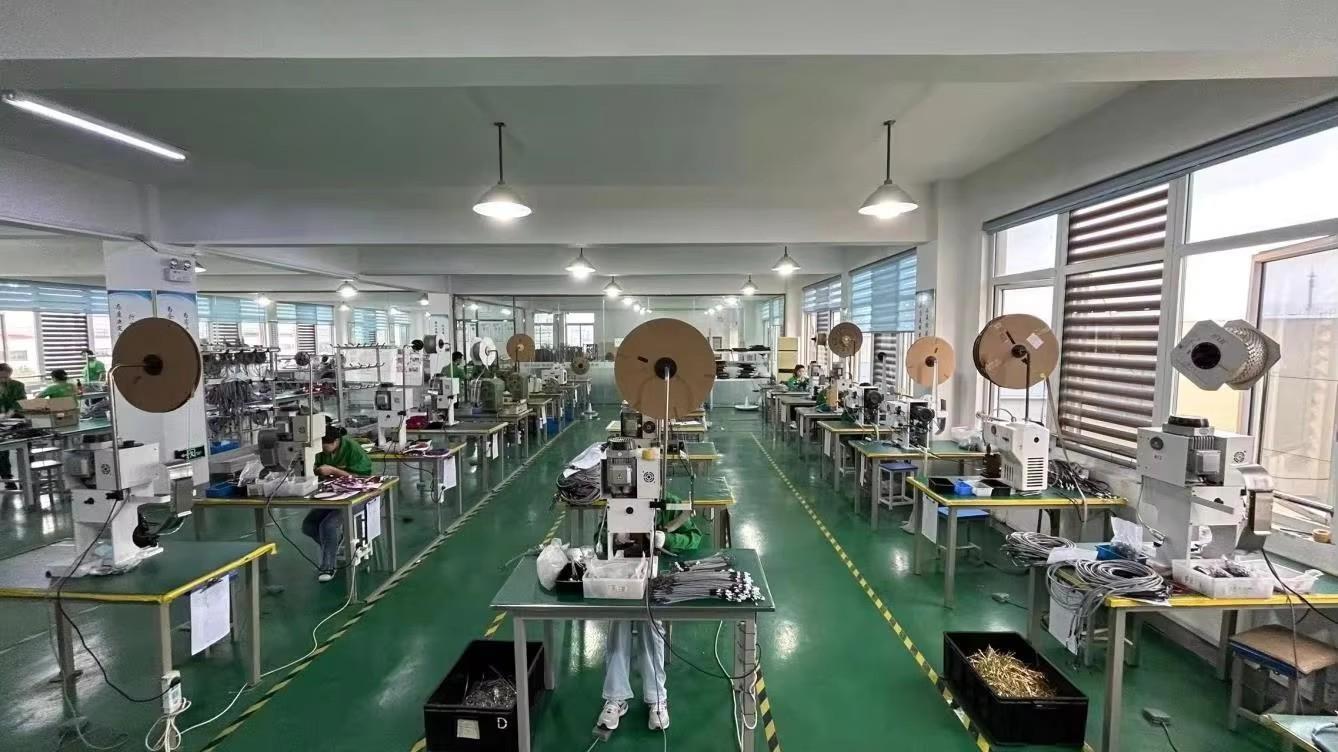
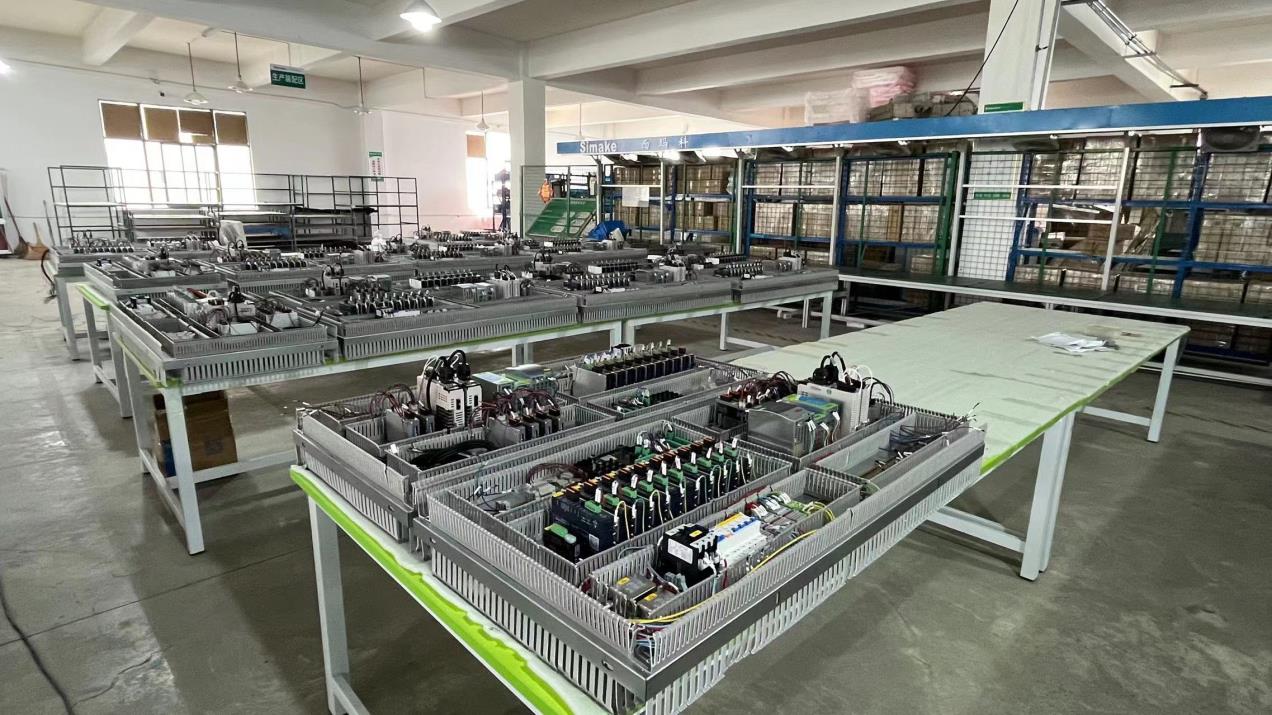
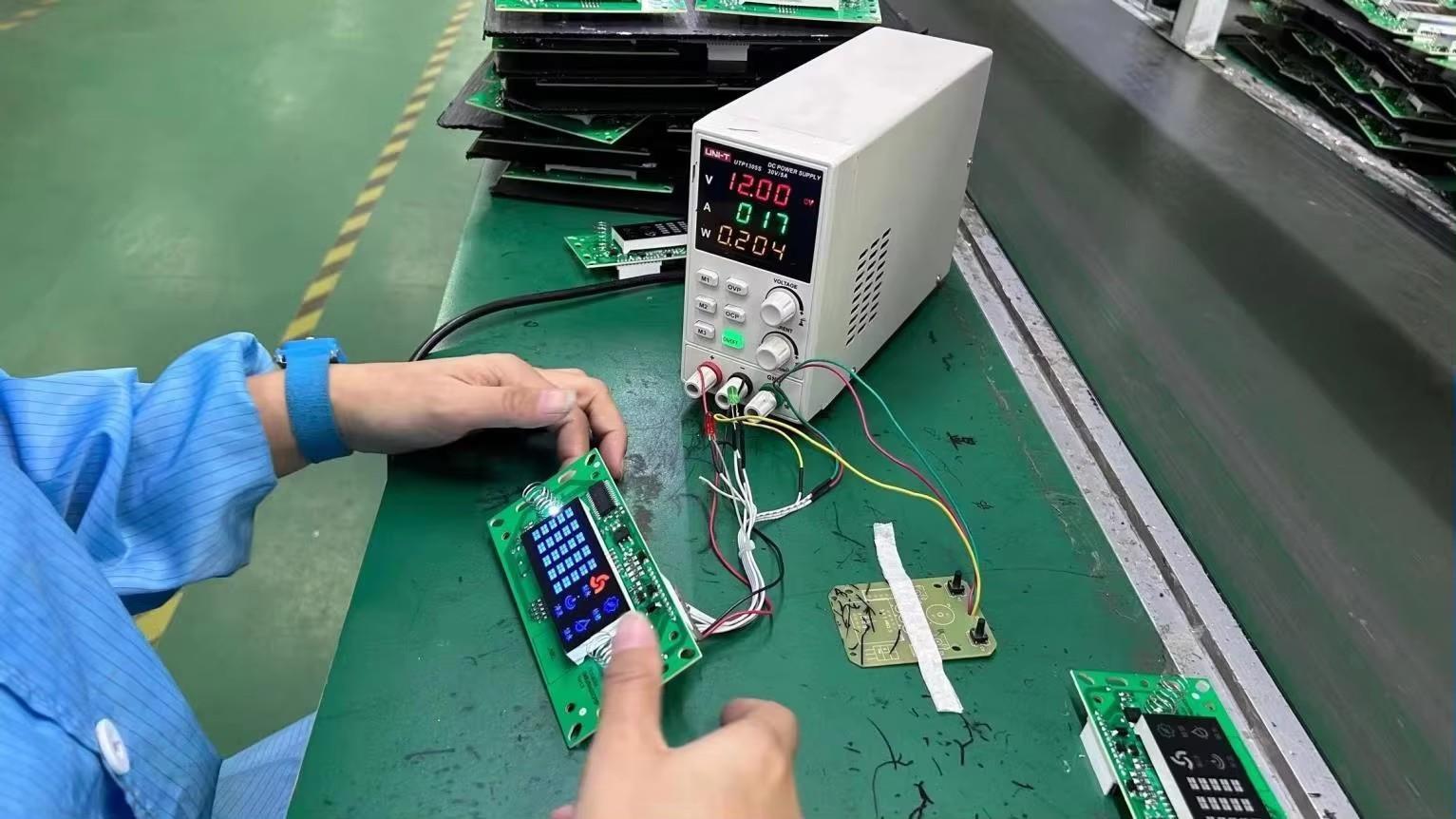
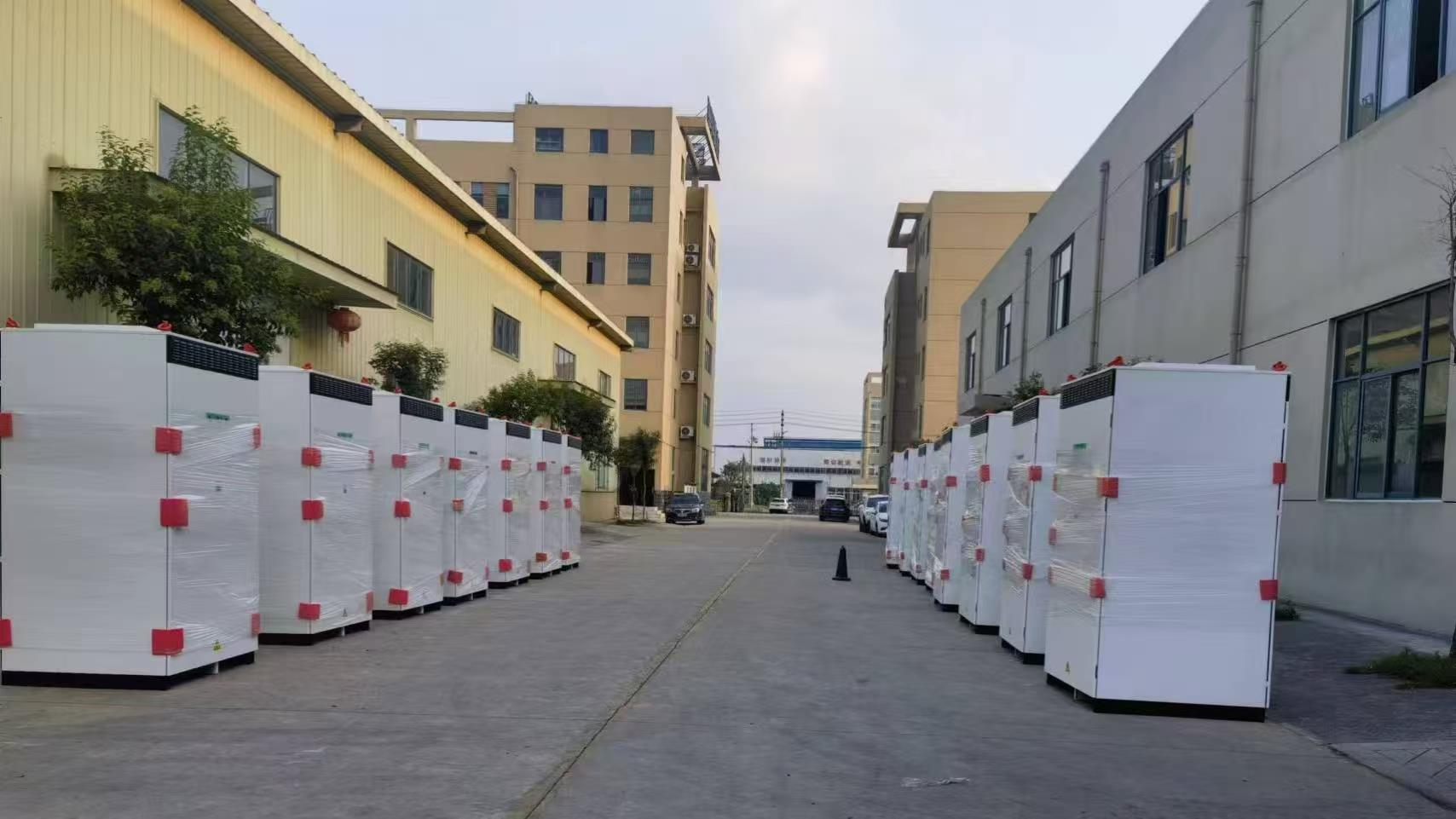
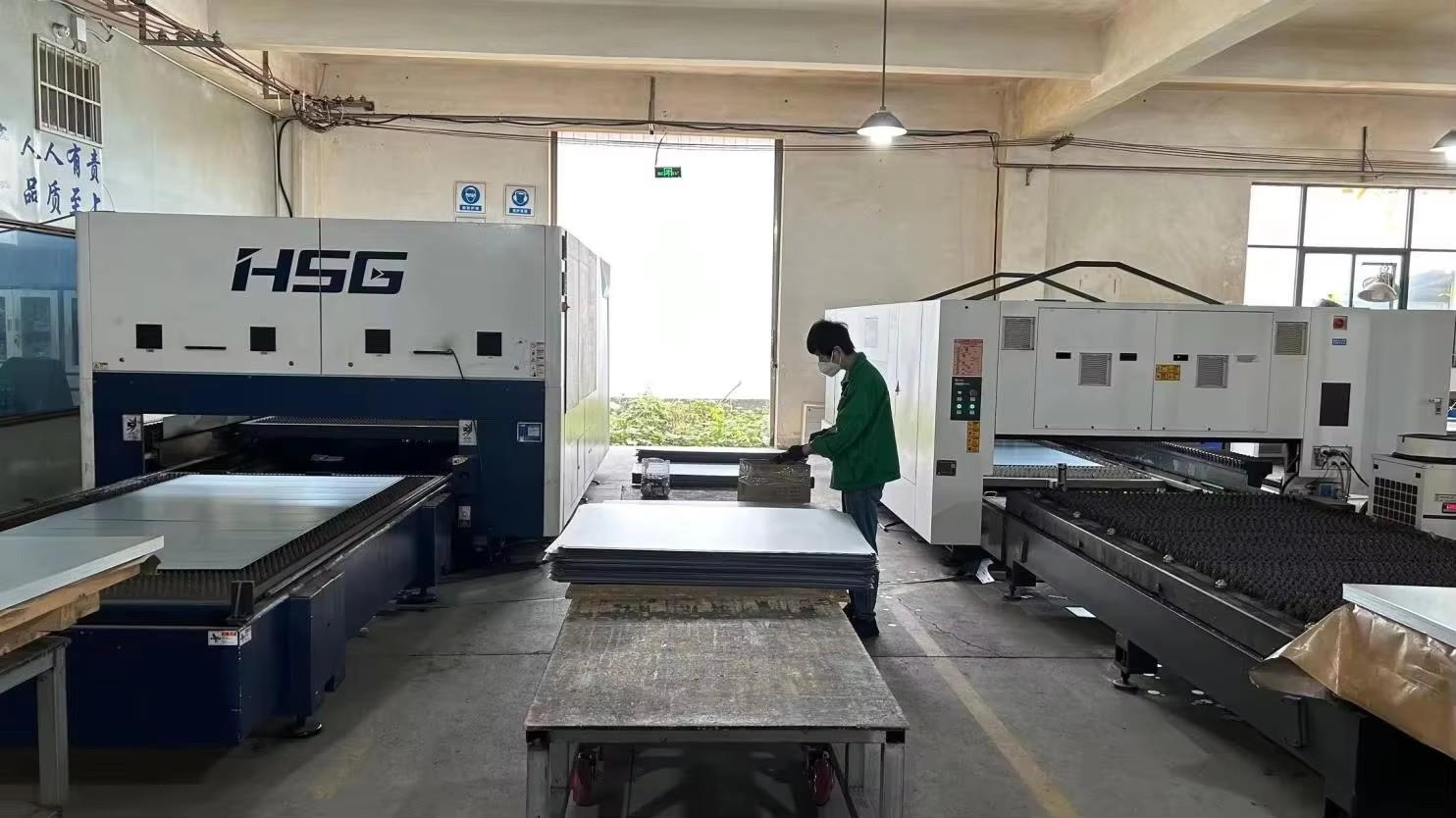
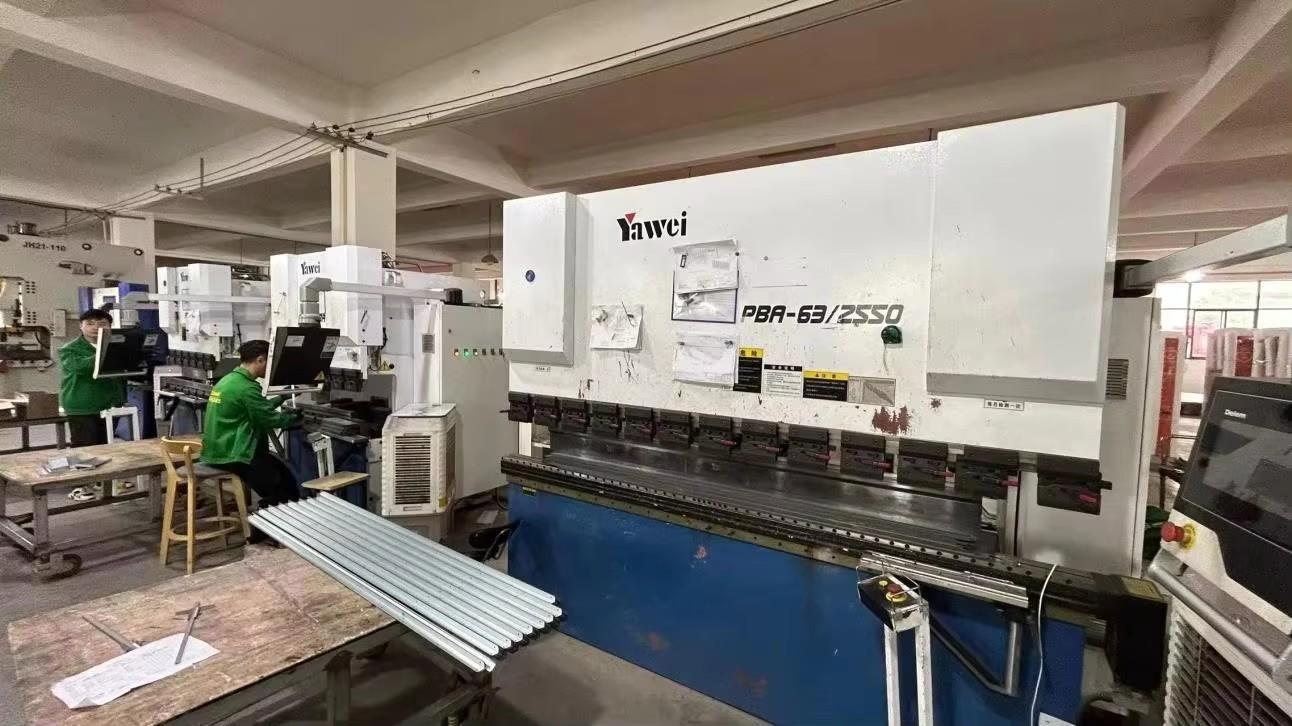
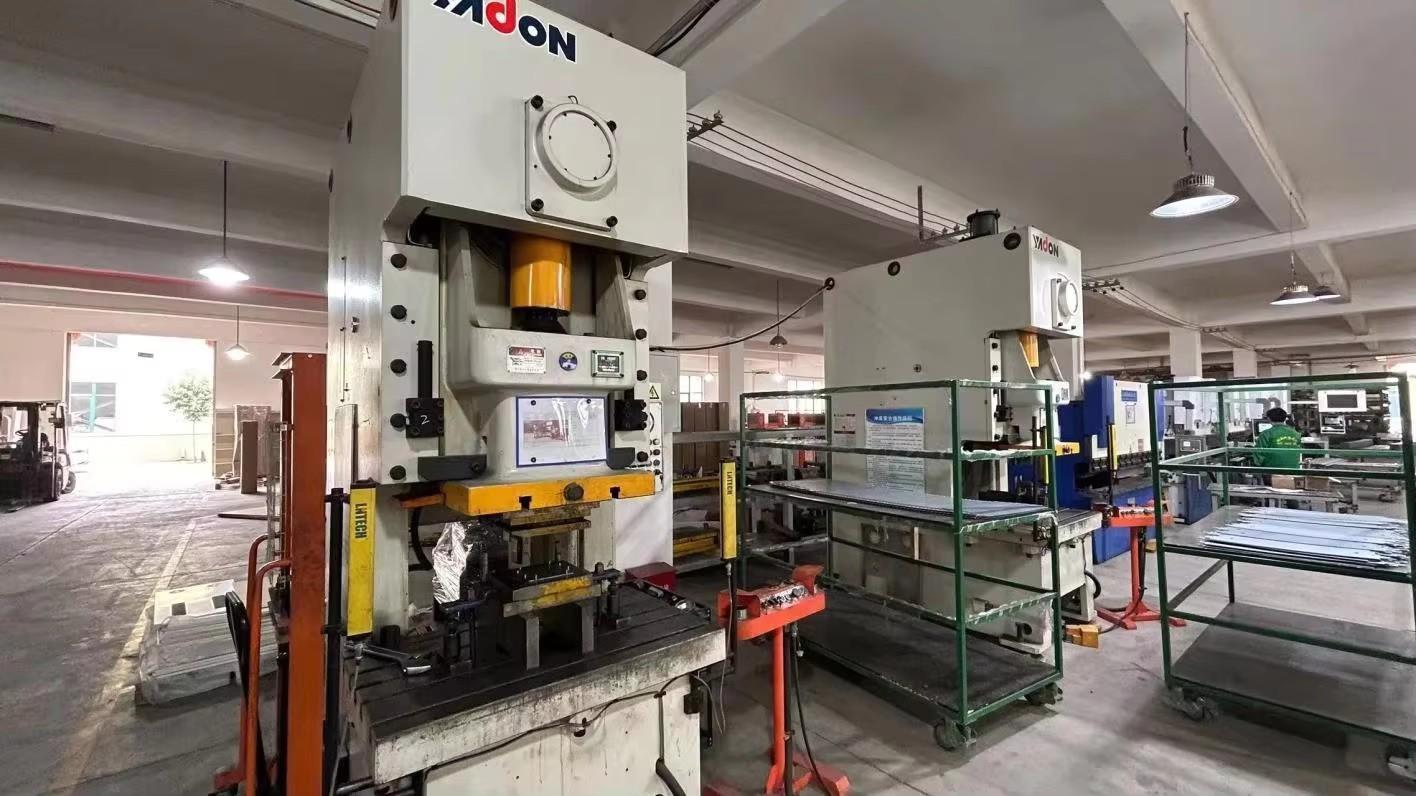
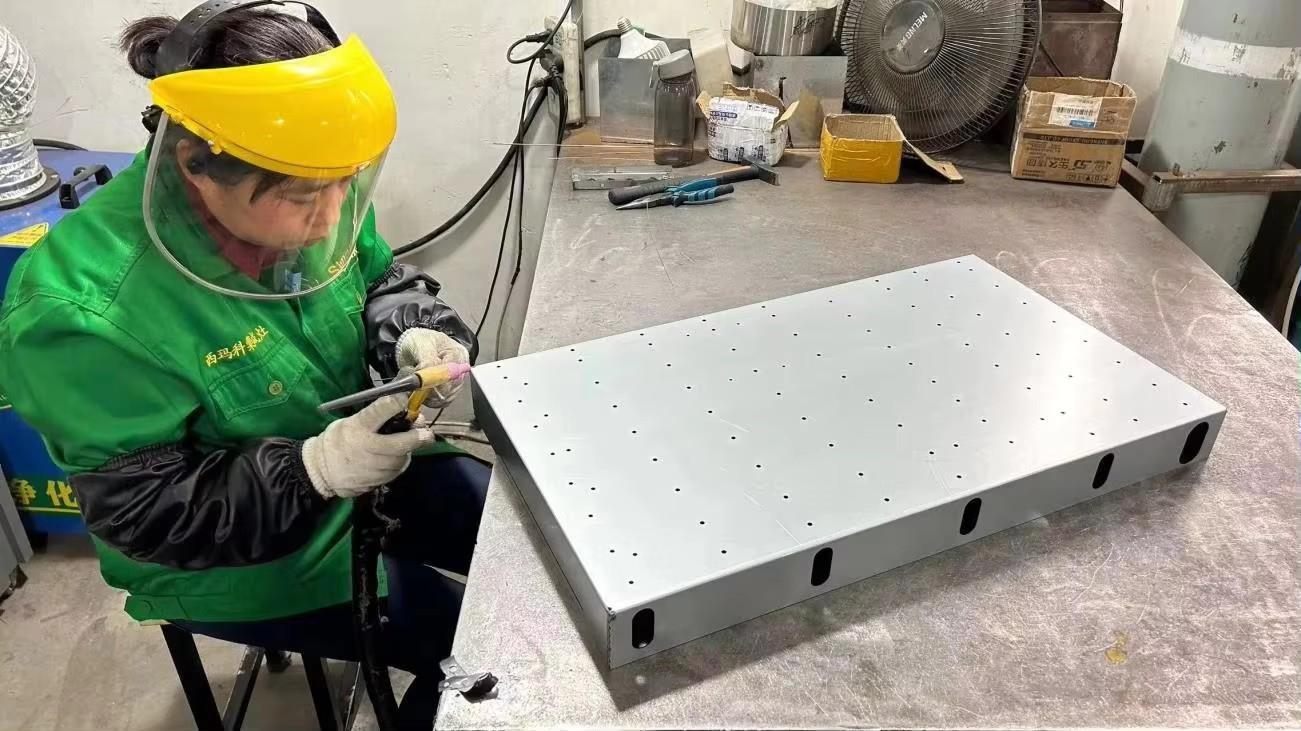
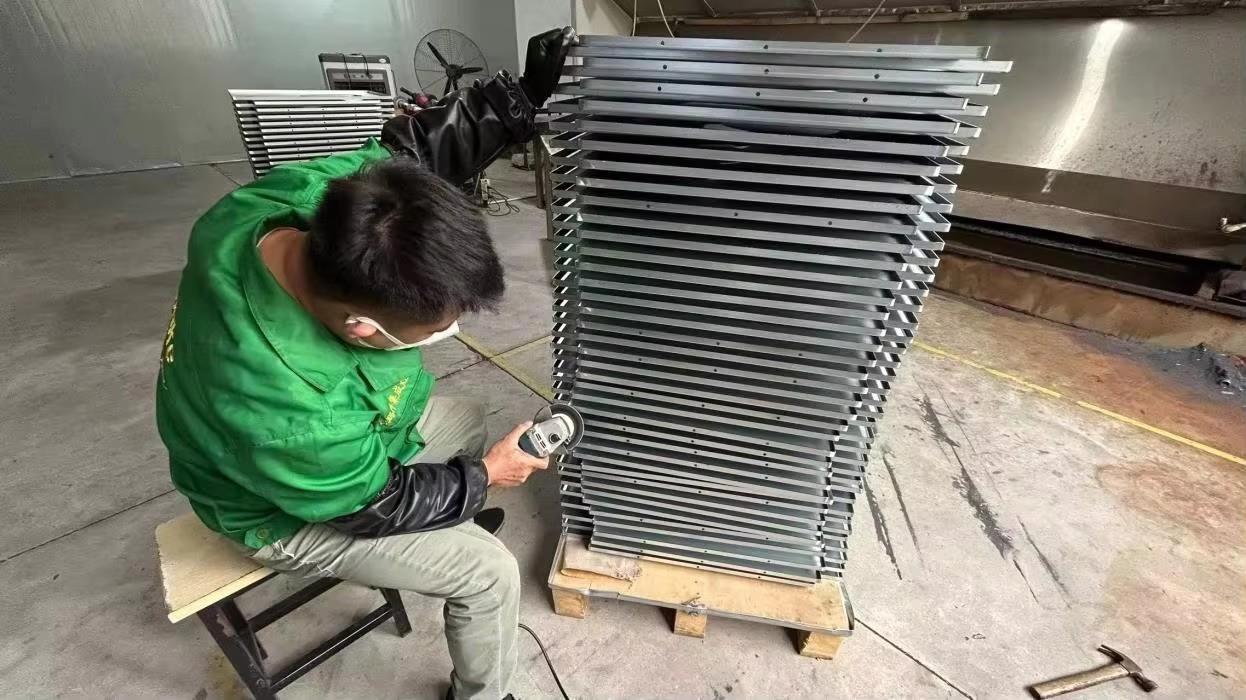
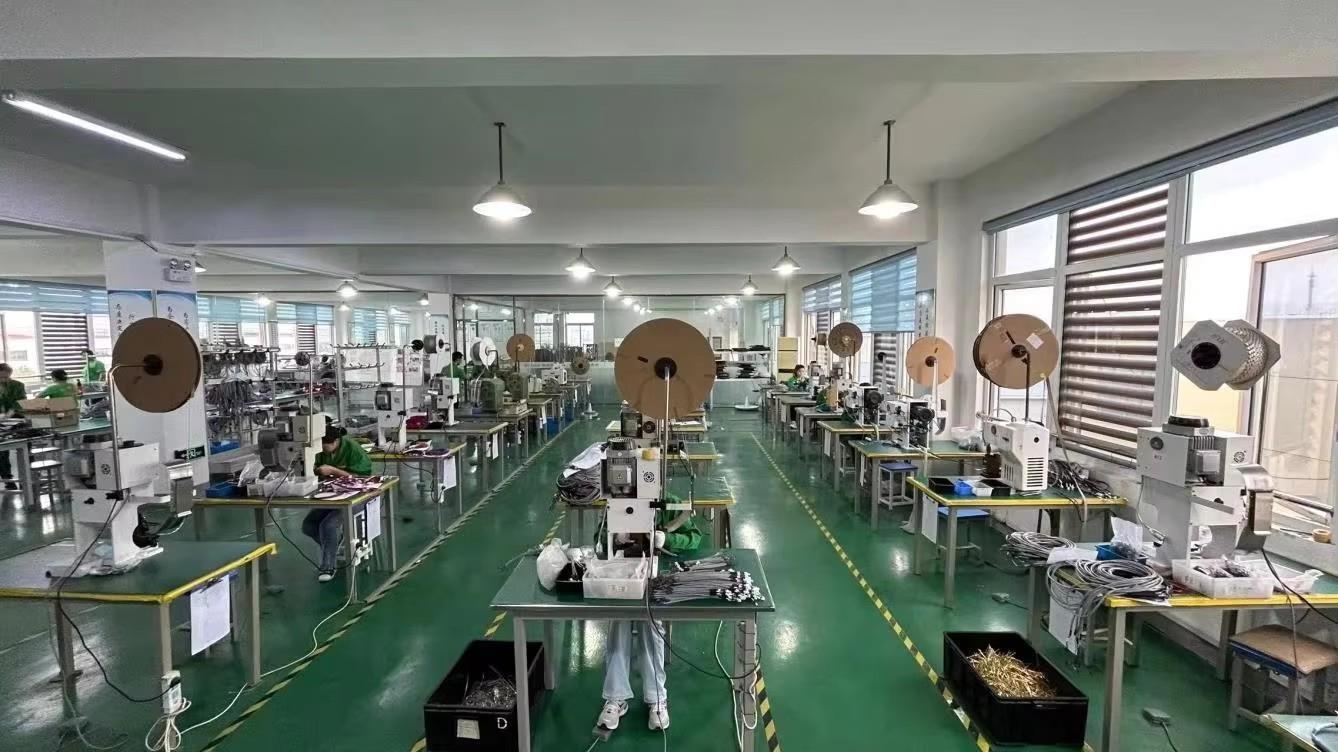
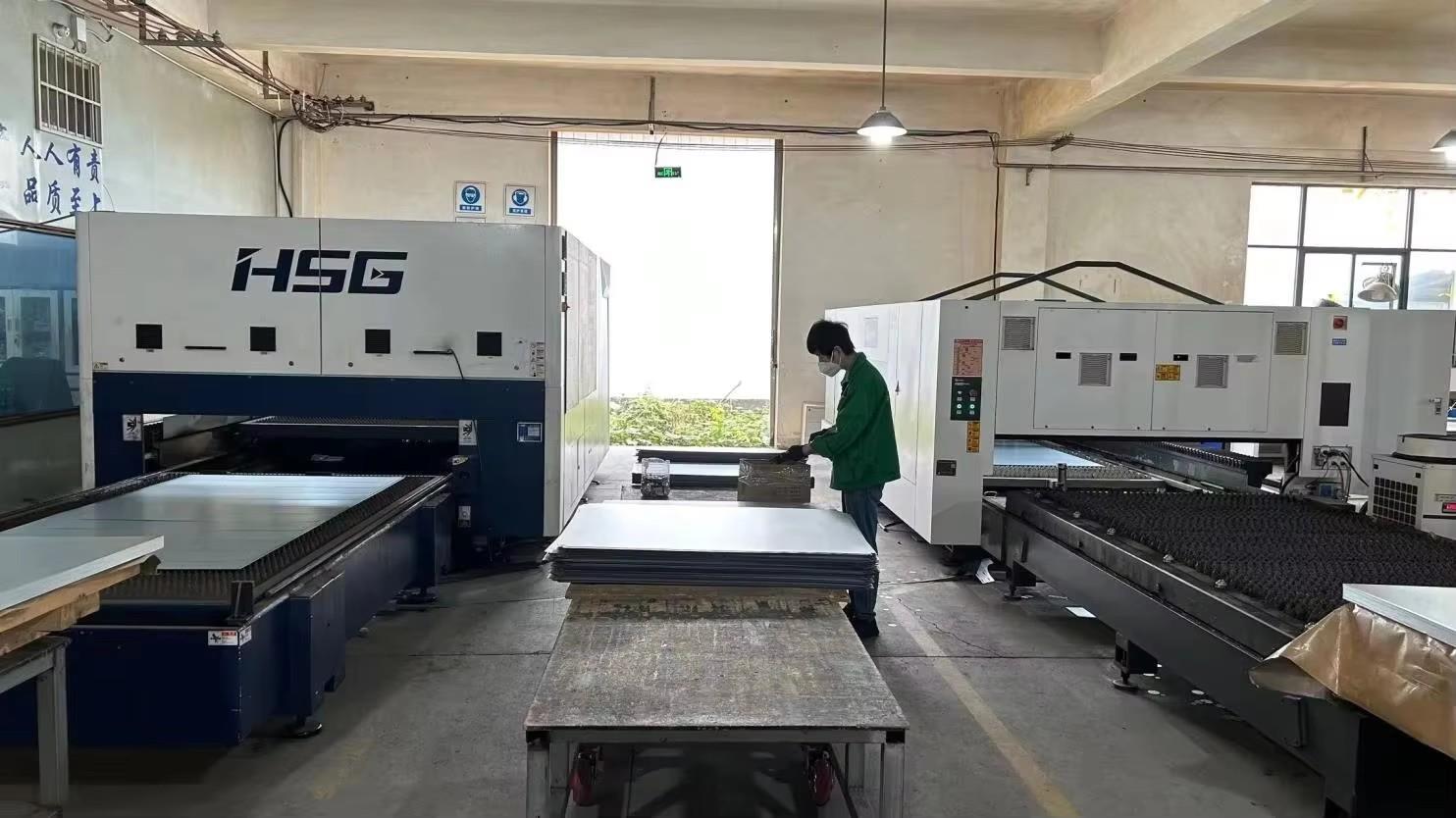
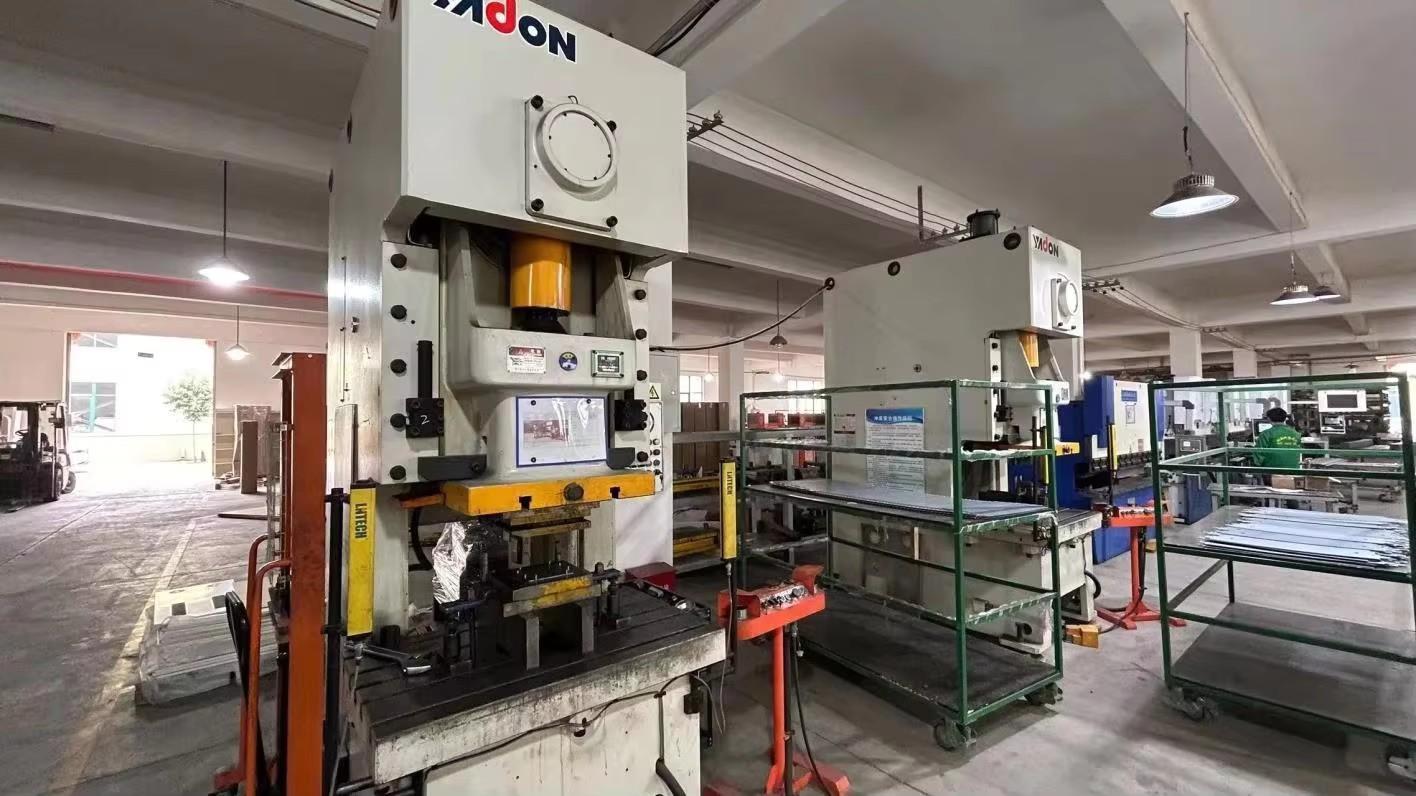
Located in the industrial hub of Qingdao, China, our manufacturing facility benefits from a complete supply chain, cutting-edge automated assembly lines, and high-precision testing instruments. By leveraging automated robotic laser welding, intelligent stamping machines, and comprehensive wiring harness detection, we ensure that every stackable BESS system we produce is built to last.
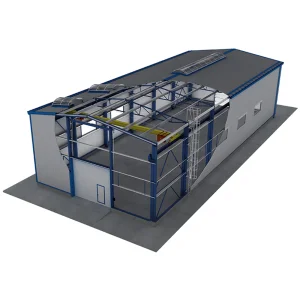
Our production line combines high-precision metal fabrication with rigorous cell sorting and BMS calibration. This ensures consistent capacity matching and thermal balance across all stacked modules. Here is a look inside our state-of-the-art production plant:
Real-world scenarios where stackable battery systems solve critical energy challenges in the Philippines.
During severe tropical storms, utility power grids in Eastern Visayas and Luzon can remain offline for weeks. A stackable BESS system preserves critical power for water filtration, refrigeration, medical devices, and local communications.
Island destinations like Palawan, Boracay, and Siargao rely heavily on expensive, noisy diesel generators. Integrating modular solar systems with stackable batteries offers a silent, cost-efficient, and eco-friendly energy solution.
Urban areas experience high mid-day and early evening electricity rates. Modern stackable batteries store energy during low-demand hours or charge via solar arrays, releasing power during peak times to reduce utility bills.
Essential technical criteria for project developers, EPC contractors, and BESS distributors in the Philippines.
When purchasing stackable residential BESS systems at scale from Chinese manufacturers, procurement managers must evaluate several technical benchmarks to ensure product reliability and compatibility with local codes:
Expert answers regarding the deployment, installation, and optimization of Stackable Residential BESS in the Philippines.
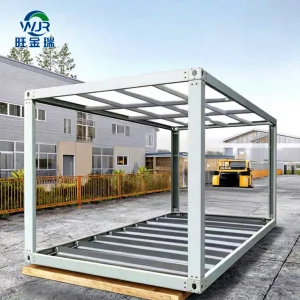
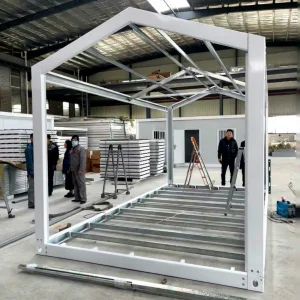
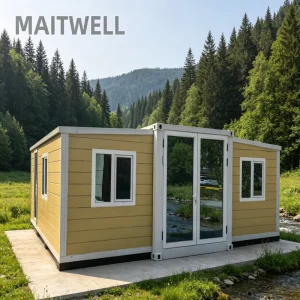
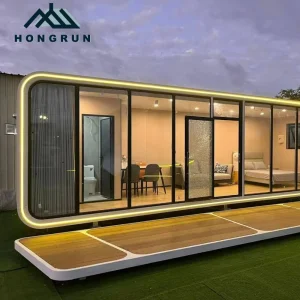
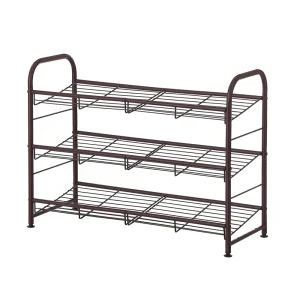
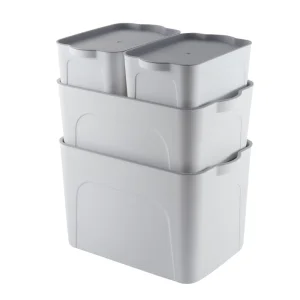
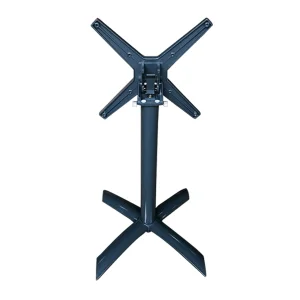
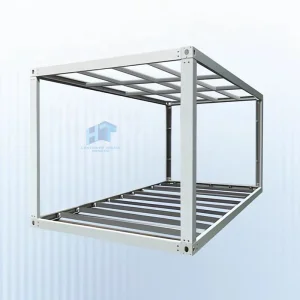
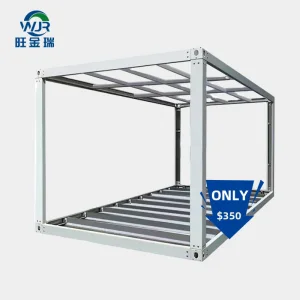
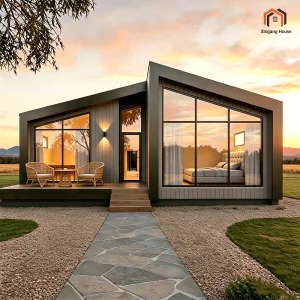
Complementary structural components, modular frames, and versatile base units engineered to support high-performance solar and battery storage systems.
 Luzz Solar