High-reliability products engineered to optimize energy yield, structural integrity, and distribution safety.

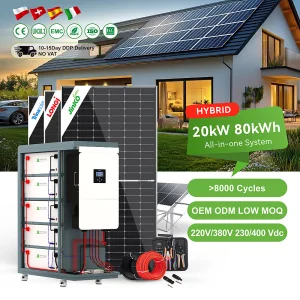
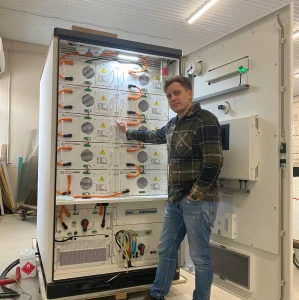
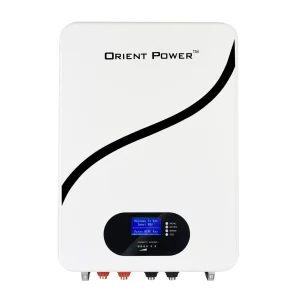
The global transition toward carbon neutrality has accelerated the adoption of Module-Level Power Electronics (MLPE), positioning microinverter systems as a foundational technology in high-performance solar configurations. Unlike traditional central or string inverter architectures, where modules are series-connected to a single power conversion unit, microinverters operate independently at the individual panel level. This decentralization addresses the fundamental limitations of string inverters—specifically shading losses, module mismatch, and single-point system vulnerabilities.
From a technological standpoint, modern microinverter design utilizes Wide Bandgap (WBG) semiconductors, primarily Silicon Carbide (SiC) and Gallium Nitride (GaN). These materials possess higher critical breakdown electric fields and thermal conductivity compared to legacy silicon. By integrating SiC and GaN transistors, manufacturers have pushed switching frequencies beyond 100 kHz, drastically reducing the physical footprint of magnetic components and capacitors. The result is a dramatic increase in conversion efficiencies, with peak CEC (California Energy Commission) ratings routinely exceeding 97.5% and static MPPT tracking efficiency reaching 99.8%.
Furthermore, safety regulations globally—such as NEC 2017/2020 Section 690.12 in North America and equivalent MLPE regulations in the European Union—mandate module-level rapid shutdown to protect emergency first responders from high-voltage DC hazards. Traditional string setups maintain high-voltage DC lines (often up to 1000V or 1500V) spanning across the roof structure. Microinverters eliminate this risk entirely by performing DC-to-AC conversion directly at the module boundary, ensuring the rooftop DC circuit is limited to the open-circuit voltage of a single solar panel (typically under 60V DC).
Qingdao Luzz Solar Co., Ltd. is a tier-one renewable energy enterprise specializing in the research, development, precision manufacturing, and international distribution of advanced photovoltaic systems and smart energy storage solutions. Strategically situated in the coastal industrial hub of Qingdao, China, the company leverages a highly integrated manufacturing base, world-class port logistics, and a robust domestic supply chain to deliver cost-effective and highly reliable clean energy architectures worldwide.
Driven by a commitment to technical innovation and rigorous quality assurance, Luzz Solar has built a diversified product portfolio that ranges from high-efficiency PV modules to integrated grid-tied and hybrid power systems. Our core engineering focus centers on enhancing system reliability and optimizing Levelized Cost of Energy (LCOE). Our industrial manufacturing facilities operate under stringent ISO 9001, ISO 14001, and OHSAS 18001 management protocols, ensuring that every product complies with international performance and safety standards, including TÜV, CE, UL, VDE, and AS/NZS certifications.
Luzz Solar is dedicated to addressing the global shift toward decentralized grid architectures. By investing heavily in R&D, we continually refine our hardware and software solutions, ensuring compatibility with state-of-the-art power electronics, advanced energy storage batteries, and complex commercial/industrial microgrids. Guided by the values of integrity, technological excellence, and sustainable partnership, Luzz Solar actively supports EPCs, distributors, and developers across Europe, the Americas, Asia-Pacific, and emerging markets in building resilient energy infrastructures.
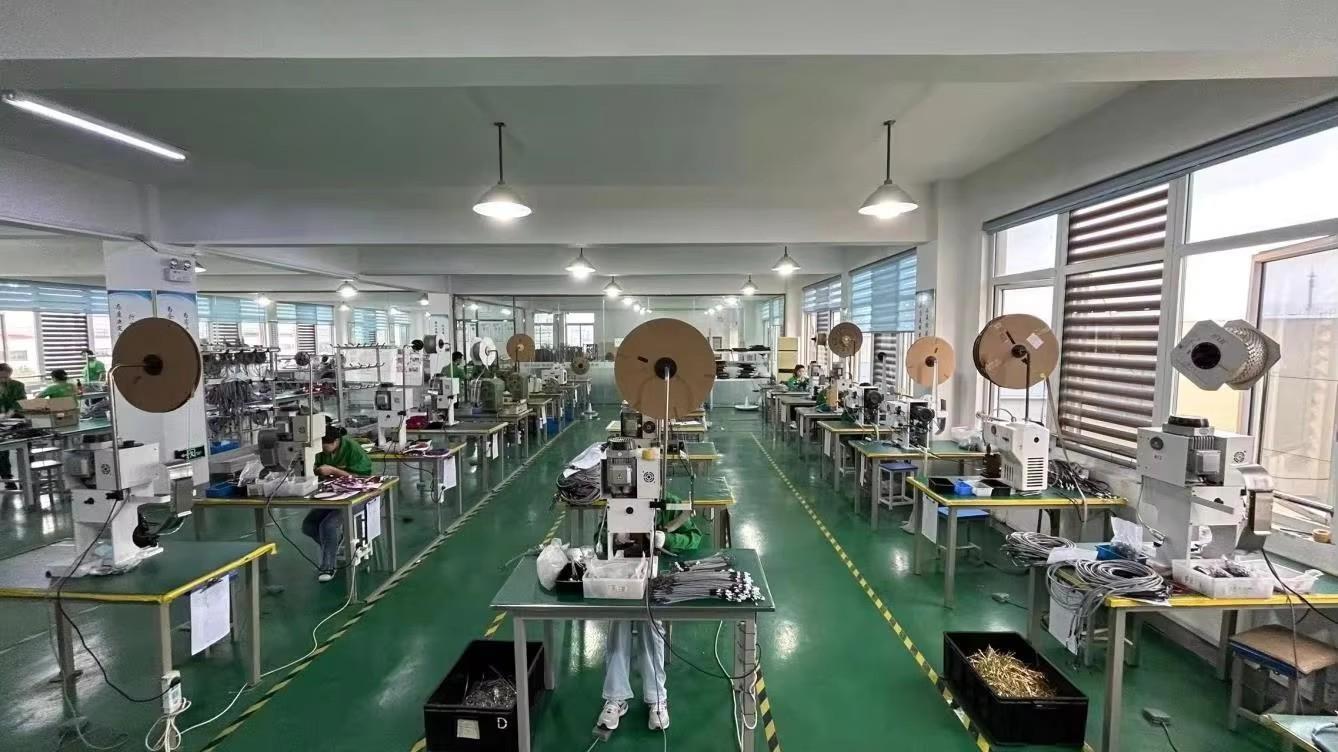
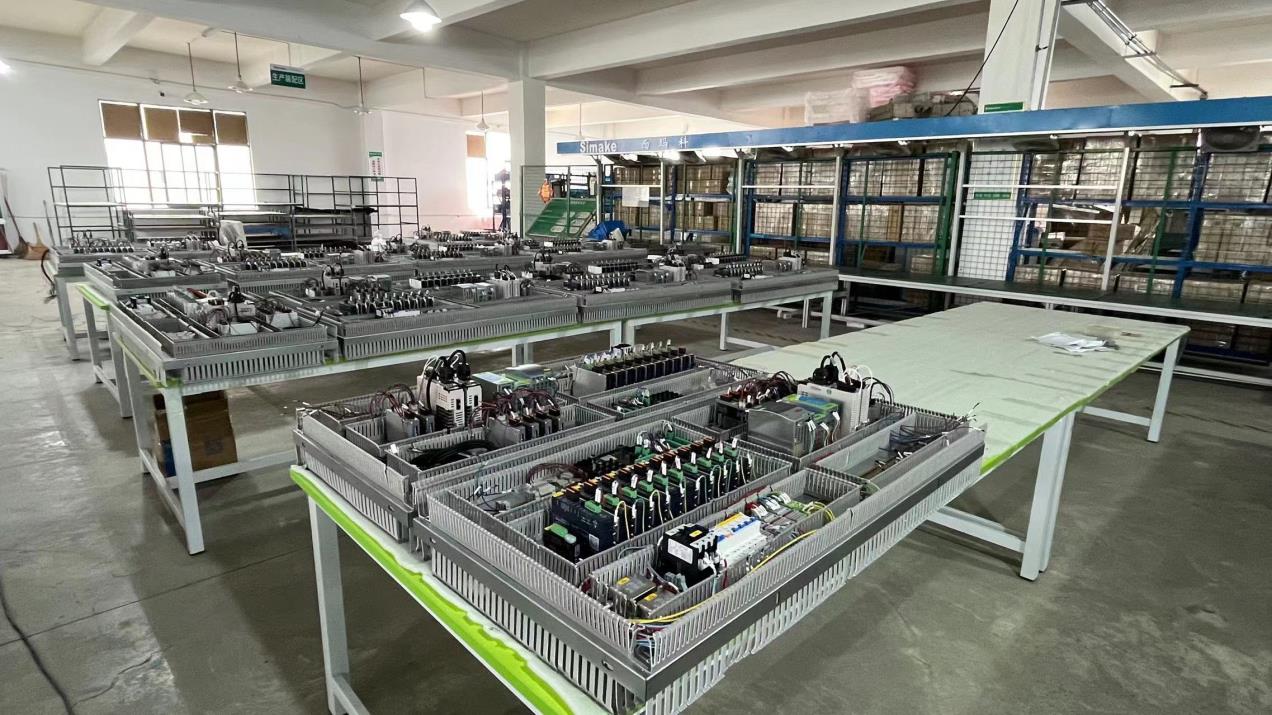
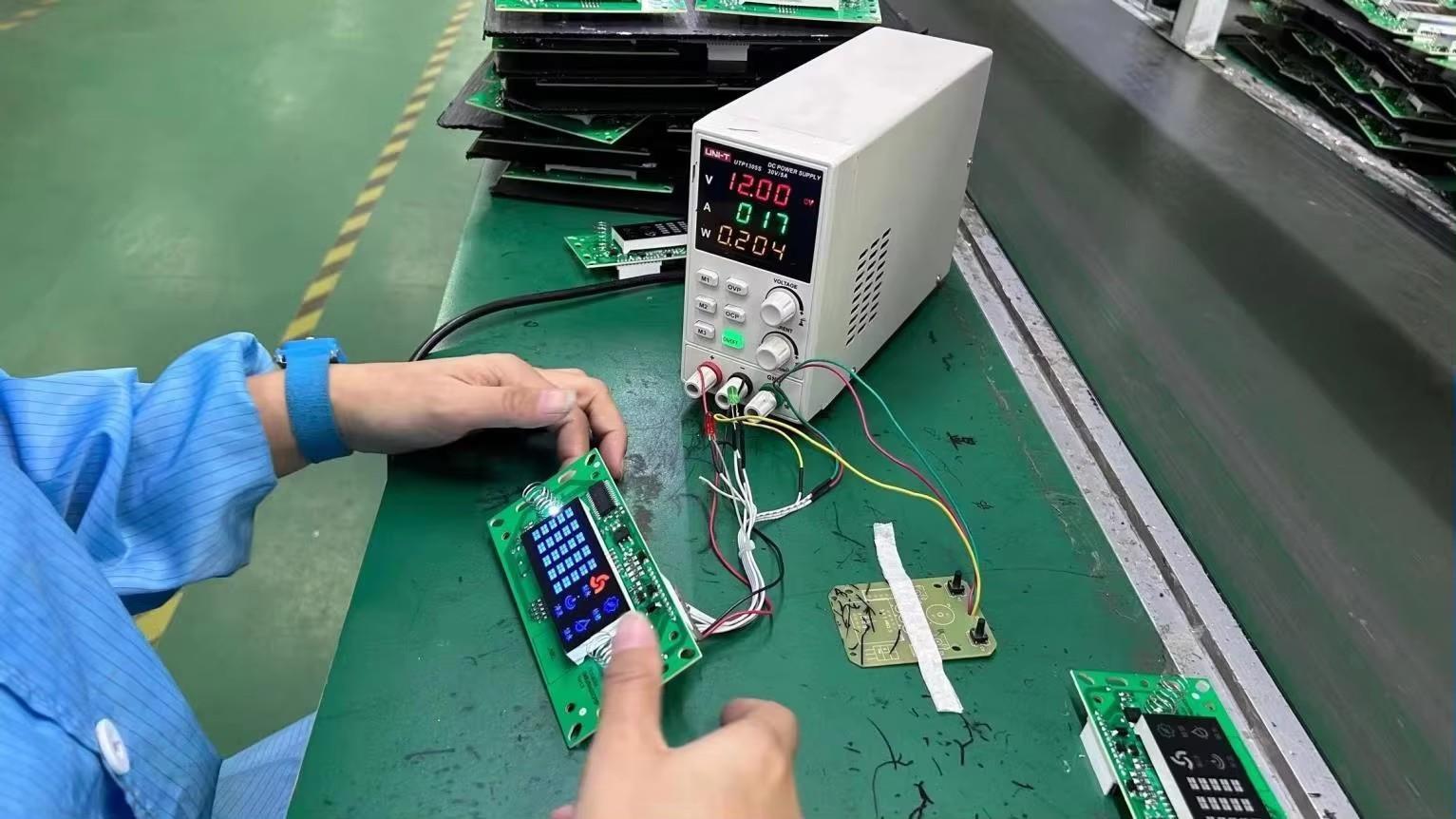
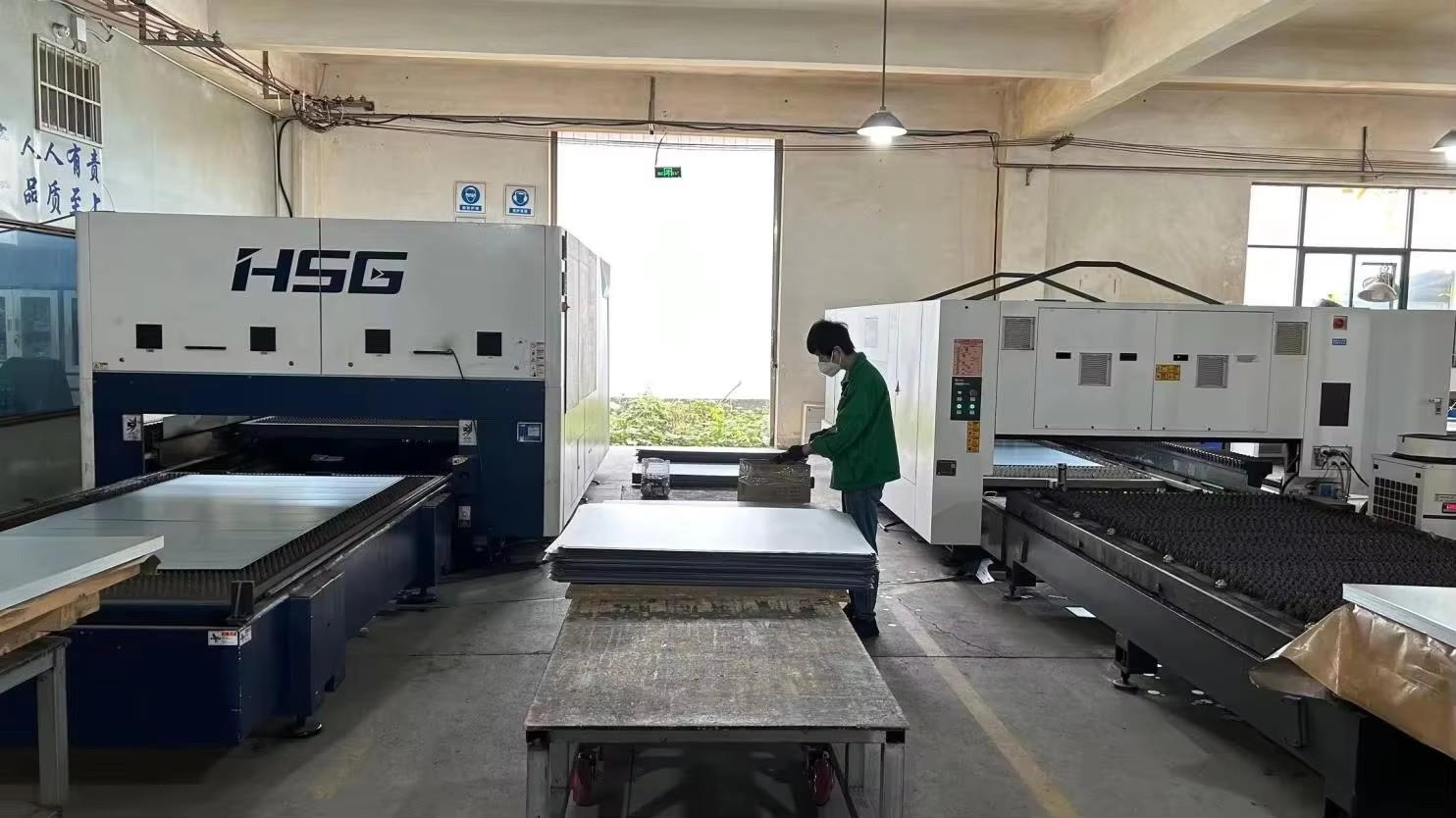
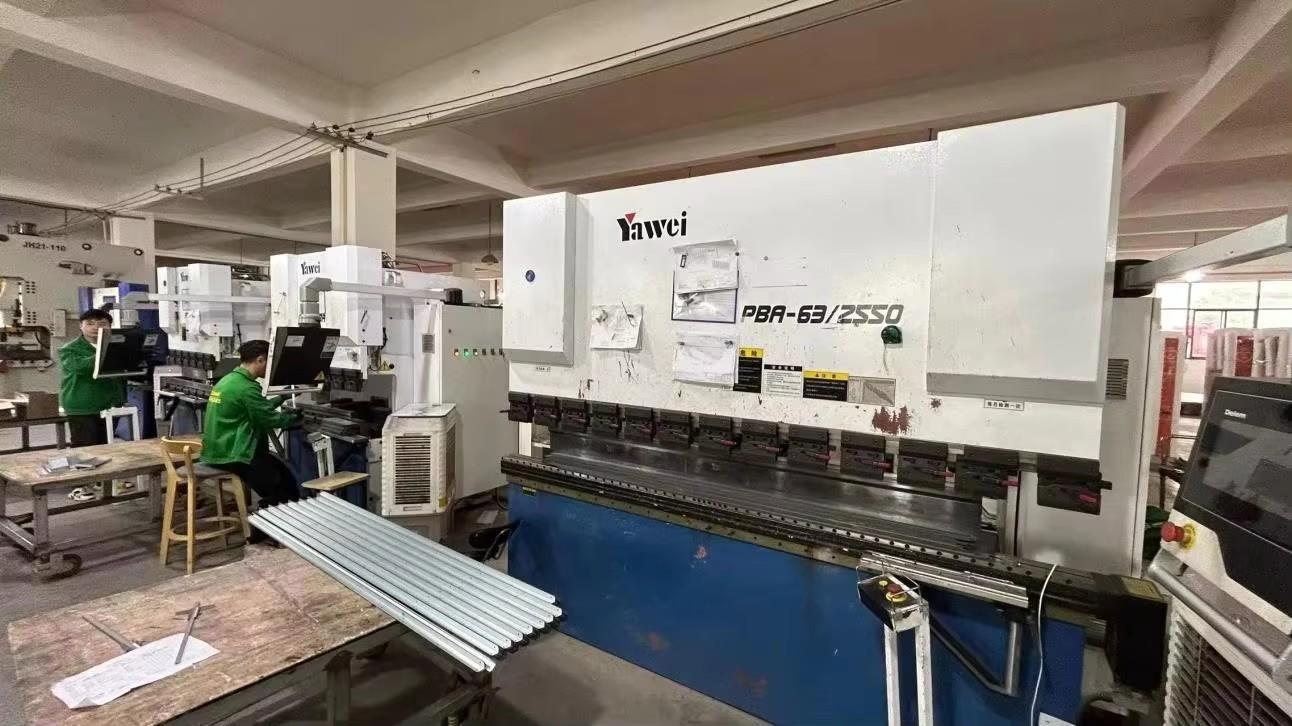
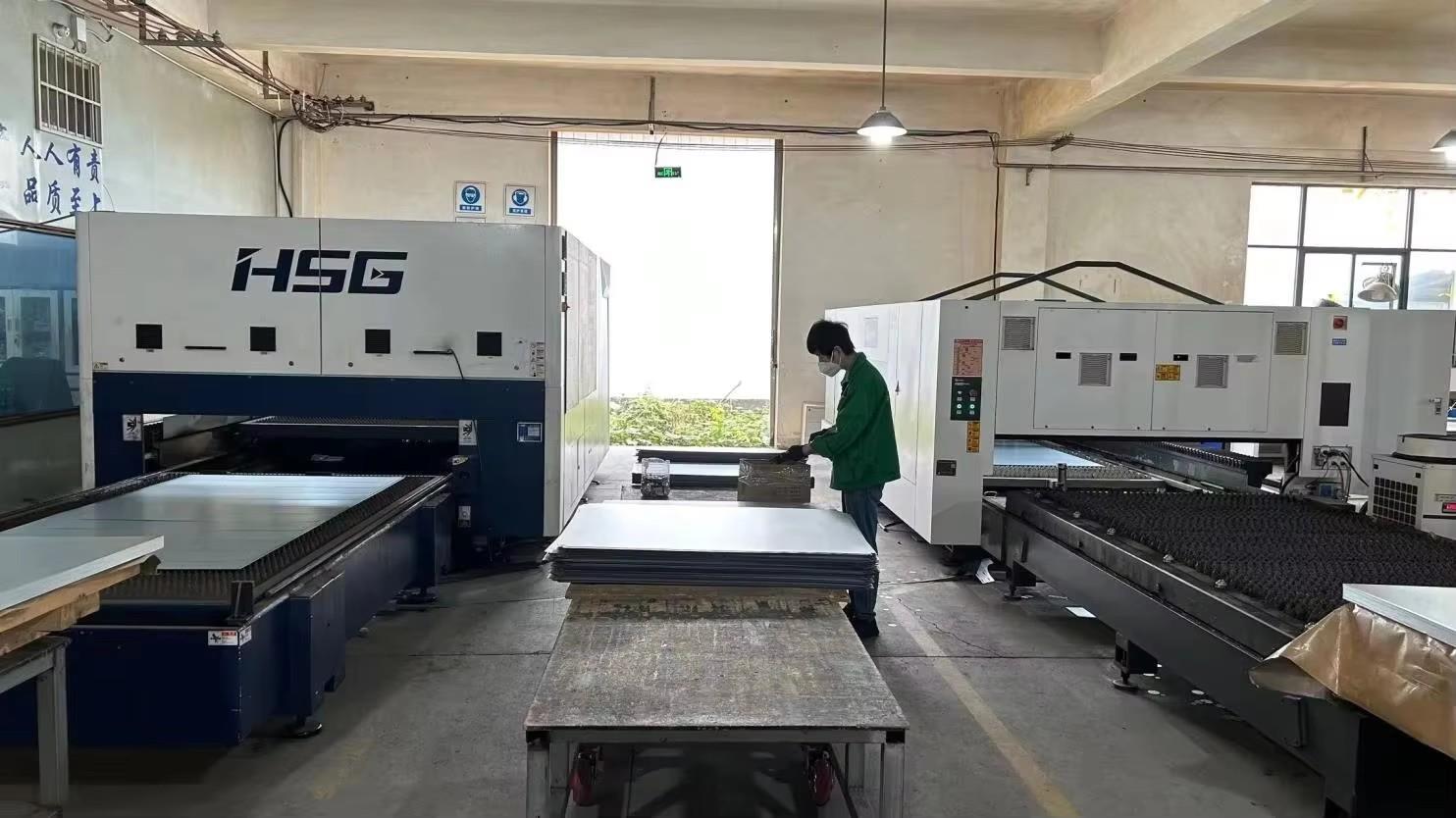
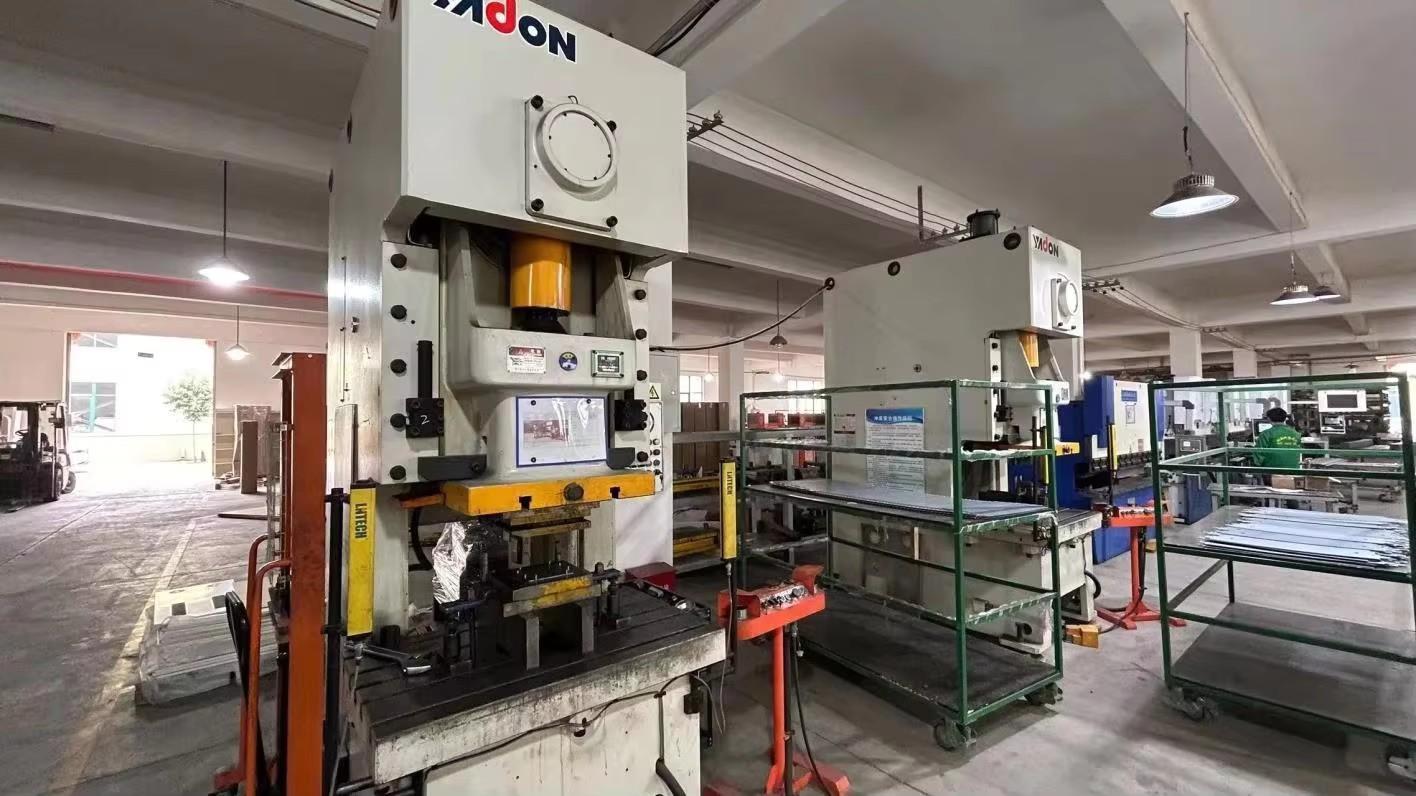
Under the hood of Qingdao Luzz Solar's precision production lines. Each stage is strictly monitored to guarantee lifetime structural and electrical integrity.

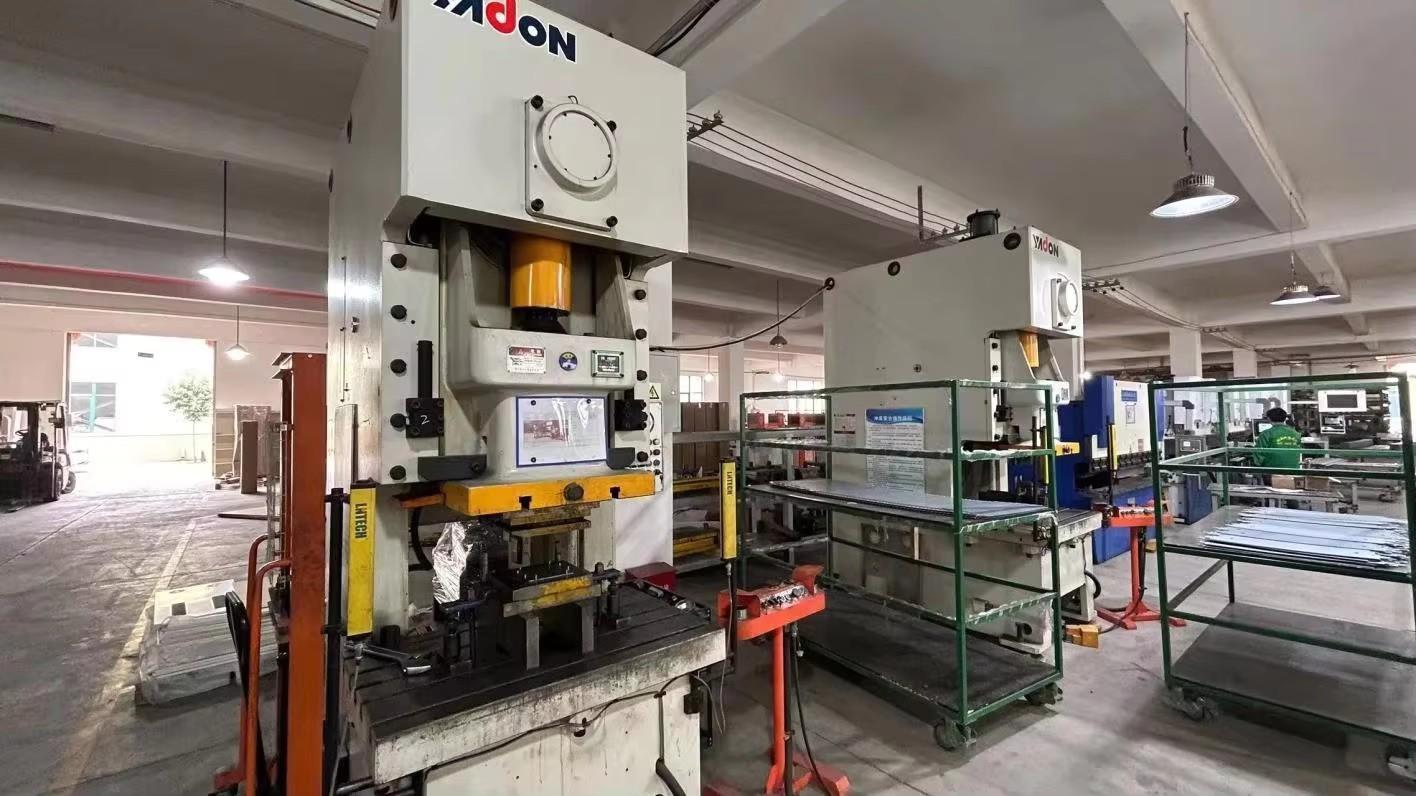
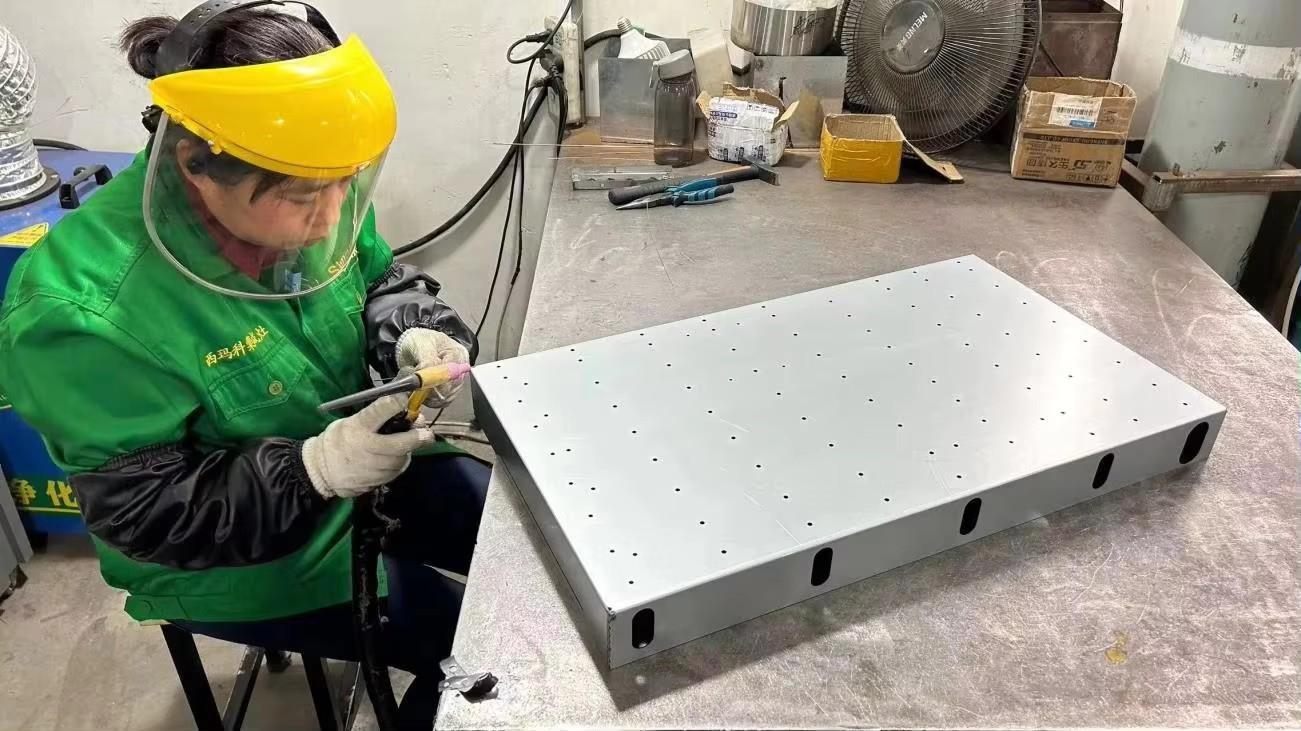
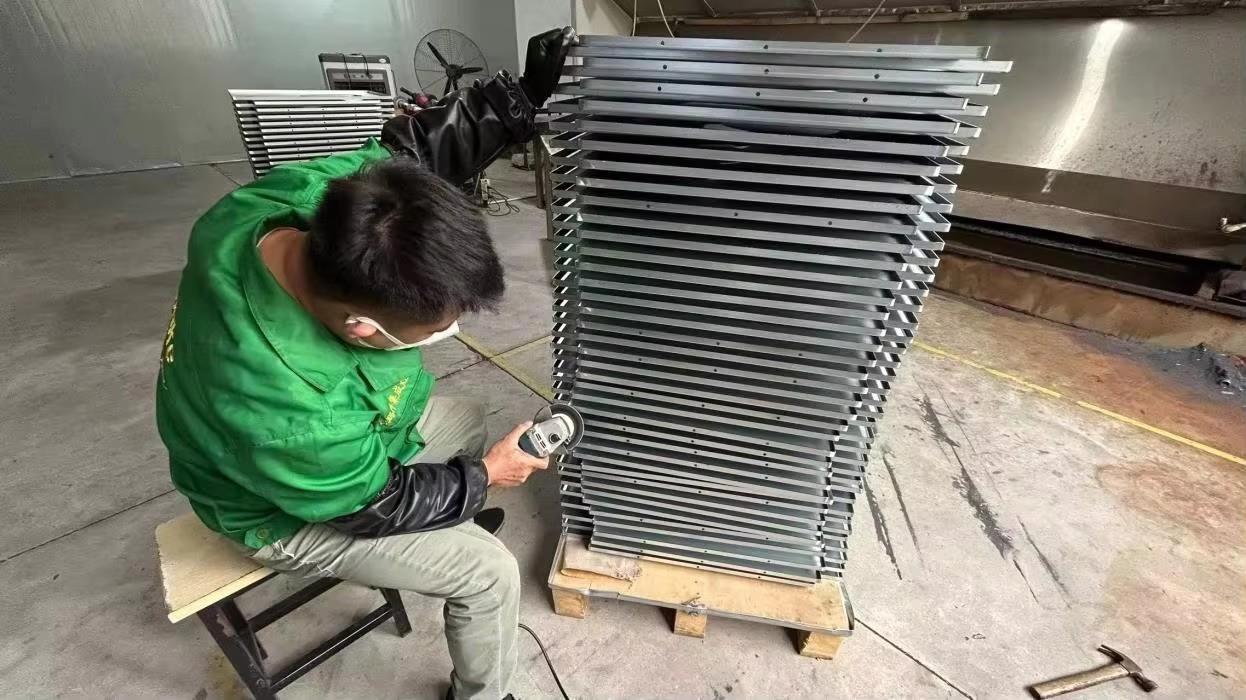
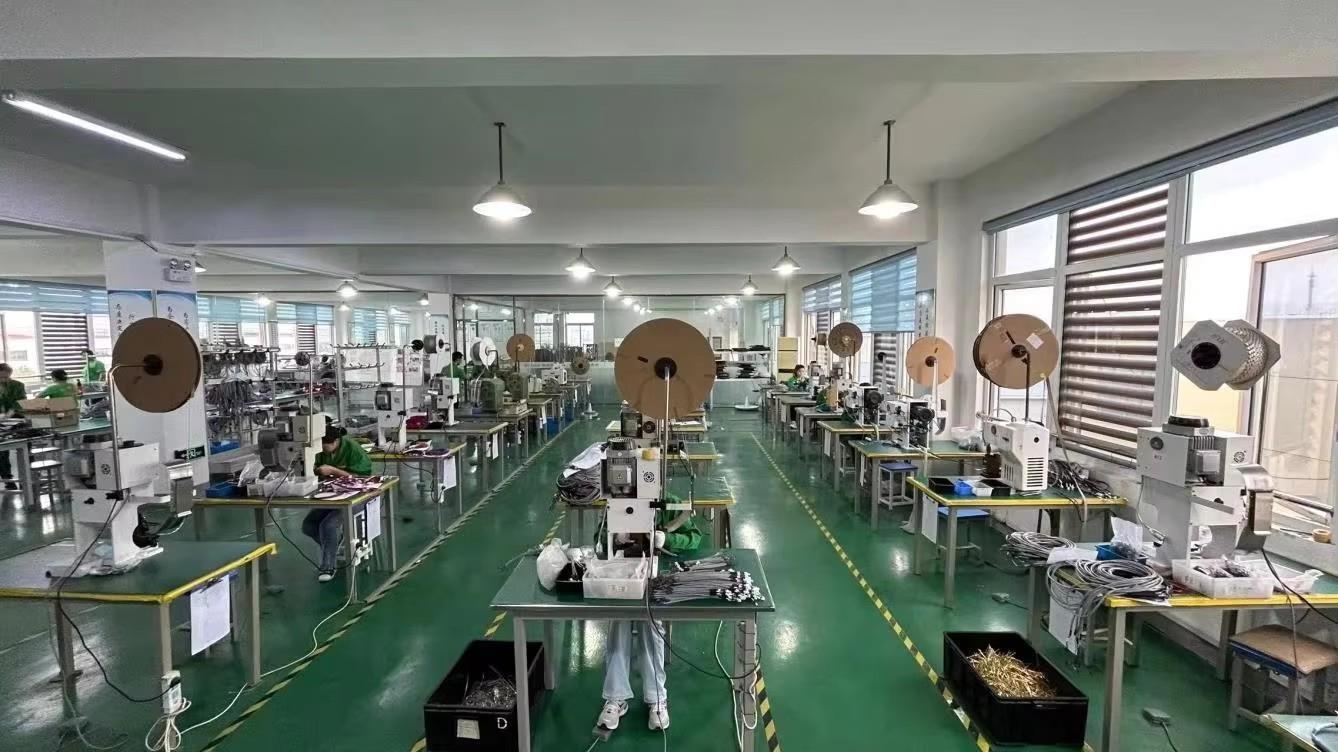
For international buyers, EPC contractors, and distribution networks, procuring microinverter systems involves navigating strict parameters. The primary goal is reducing the system's Levelized Cost of Energy (LCOE) while maintaining system reliability. Because microinverters are mounted directly beneath solar modules on the roof, they are exposed to extreme environmental conditions, including ambient temperatures exceeding 65°C and high relative humidity. Consequently, the hardware must feature an IP67 or NEMA 6 ingress protection rating, coupled with a robust potting compound to dissipate heat and prevent moisture intrusion.
A comprehensive technical evaluation requires analyzing several key system characteristics:
| Technical Parameter | Standard Metric | Impact on System LCOE & Reliability |
|---|---|---|
| MPPT Voltage Range | 22V – 60V DC | Determines compatibility with high-power 182mm and 210mm split-cell modules. A wider range prevents clipping under high temperature conditions. |
| Peak AC Output Power | 400W to 3200W (Multi-channel) | Influences modular scalability and systemic Balance of System (BOS) wiring infrastructure costs. |
| Total Harmonic Distortion (THD) | < 2.5% at nominal output | Critical for utility approval and grid compliance. Low THD minimizes heating in local distribution transformers. |
| Reactive Power Control | 0.8 leading to 0.8 lagging | Ensures compliance with advanced grid-forming codes (e.g., IEEE 1547, VDE-AR-N 4105) for network voltage stabilization. |
| Enclosure Thermal Management | Natural Convection / Passive cooling | Eliminates mechanical fans (common point of failure). High thermal conductivity potting reduces internal hot spots. |
Furthermore, procurement agencies must verify certification compliance based on the destination market. In North America, systems must be certified to UL 1741 SB and meet IEEE 1547-2018 grid connection requirements. European installations require compliance with EN 50549-1, CE-LVD, and local grid codes like Germany's VDE-AR-N 4105. Purchasing from manufacturers that conduct automated Design Qualification Testing (DQT) and Highly Accelerated Life Testing (HALT) ensures the equipment can withstand long-term thermal cycling and voltage surges over a 25-year operational lifespan.
The manufacturing ecosystem for microinverters in China benefits from a highly integrated industrial cluster. By co-locating raw material extraction, semiconductor packaging, magnetic core winding, and automated testing lines, Chinese manufacturers can minimize lead times and shield global buyers from supply chain disruptions. This structural resilience is built on the Industry 4.0 framework, which relies on automated precision manufacturing and data-driven quality control.
High-speed Surface Mount Technology (SMT) lines place multi-layer ceramic capacitors (MLCCs) and power ICs with precision, minimizing human error and solder joint failures.
Inline 3D AOI and X-ray inspection systems scan internal layers for voids and alignment issues, ensuring components conform to IPC-A-610 Class 3 electronics manufacturing standards.
Completed microinverters undergo burn-in testing under full load at high temperatures. This process screens out infant mortality failures before packaging and shipment.
This localized supply chain integration keeps Balance of System (BOS) costs highly competitive. While Western brands face supply constraints and shipping delays for specialized semiconductor parts, China’s industrial hubs maintain deep inventories of basic components, cabling, and structural brackets. Additionally, direct access to premium logistics networks in cities like Qingdao ensures shipping costs and transit times are minimized, keeping project schedules on track.
The operational versatility of microinverters makes them ideal for complex layouts where traditional string inverters experience significant efficiency drops. By managing power conversion at the individual module level, these systems deliver optimal yields in challenging environments:
Residential roofs often present challenging geometries, including multiple pitches, varying orientations (e.g., East-West configurations), and shade from chimneys, nearby trees, or adjacent structures. In a traditional string inverter setup, the output of an entire string is limited by its lowest-performing panel. Shading on a single module can reduce the output of the entire string by 50% or more. Microinverters resolve this bottleneck by running each panel on its own MPPT loop. This ensures that every module operates at its peak potential, increasing total energy yields by up to 25% on shaded rooftops.
Commercial rooftops—such as warehouses, cold storage facilities, and schools—prioritize fire safety and liability reduction. Traditional string systems pose electrical arcing risks due to high-voltage DC runs. In contrast, microinverter systems convert DC power to AC directly at the module boundary. This keeps DC voltages below 60V, minimizing the risk of high-voltage DC arc fires and simplifying compliance with strict local building codes.
In remote areas or regions with unreliable utility grids, microinverters are increasingly paired with AC-coupled energy storage systems. Using frequency-watt droop control algorithms, the microinverter dynamically throttles its AC output based on the battery bank's state of charge (SoC) and local load demand. This grid-forming capability allows for smooth transitions between grid-tied and islanded modes, providing reliable backup power without requiring oversized central inverters.
Expert answers to the most common technical questions regarding microinverter integration, safety, and supply chain logistics.
Explore our full line of industrial hardware, solar charge controllers, hybrid inverters, and scalable energy storage batteries.

 Luzz Solar