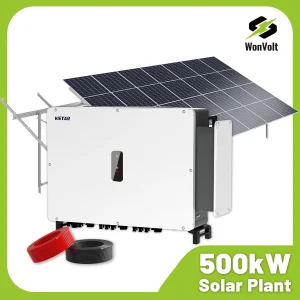
Direct supply paths from advanced Chinese fabrication facilities to streamline global operations and maximize integration efficiency.
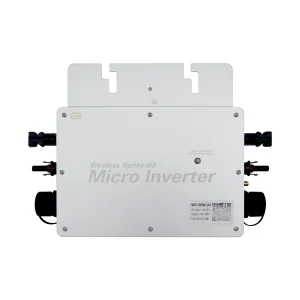
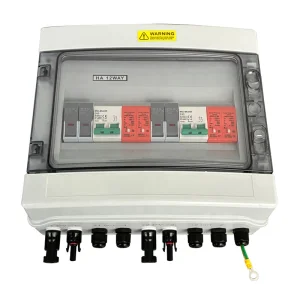
Providing high-performance hardware architecture to satisfy localized decarbonization targets and dynamic utility feed-in grid codes.
In the contemporary industrial sector, energy is no longer just a operational utility cost—it is a critical vectors of strategic survival and competitive posture. Global grids are undergoing a major transition from localized, fossil-fuel-centric dispatch topologies to distributed, digitized, and decarbonized energy networks. With the implementation of the EU Carbon Border Adjustment Mechanism (CBAM) and local environmental regulations like US California's Clean Energy Rules, global manufacturers face a pressing requirement: optimize energy consumption paths, or face rising tariff barriers and high utility penalties.
Deploying generic solutions often fails under industrial loads. Facilities need robust energy systems tailored to their specific load curves, thermal constraints, and utility parameters. This is where custom OEM energy optimization solutions provide value. By designing solar combiner networks, hybrid grid-tied configurations, and smart energy storage platforms (BESS) for specific industrial spaces, businesses can shift from passive consumers to resilient, active prosumers. This approach improves energy security and helps lower the Levelized Cost of Electricity (LCOE).
Specializing in the development, manufacturing, and global distribution of advanced PV products and integrated storage systems.
Qingdao Luzz Solar Co., Ltd. is a professional new energy enterprise specializing in the development, manufacturing, and global distribution of photovoltaic (PV) products and integrated energy storage solutions. Located in Qingdao, China, the company benefits from a well-established renewable energy industrial base and advanced manufacturing capabilities.
With the accelerating global transition toward carbon neutrality and sustainable development, Luzz Solar is committed to providing efficient, reliable, and cost-effective clean energy solutions to customers worldwide. Our product portfolio includes high-efficiency solar photovoltaic modules, energy storage systems, and integrated solar application solutions designed for residential, commercial, and utility-scale projects.
Driven by technological innovation and quality excellence, the company continuously invests in R&D and production optimization to improve product performance, energy conversion efficiency, and system reliability. We strictly adhere to international quality standards and implement rigorous quality control throughout the entire production process to ensure stable and long-term product performance.
Qingdao Luzz Solar actively expands its global market presence, with business coverage across Asia, Europe, the Middle East, Africa, and Latin America. By working closely with international partners, we are committed to delivering tailored energy solutions that meet diverse regional needs and support the global energy transition.
Guided by the core values of integrity, innovation, cooperation, and sustainability, Luzz Solar strives to become a trusted global partner in the new energy industry. We are dedicated to advancing solar technology and contributing to a greener, more sustainable future.
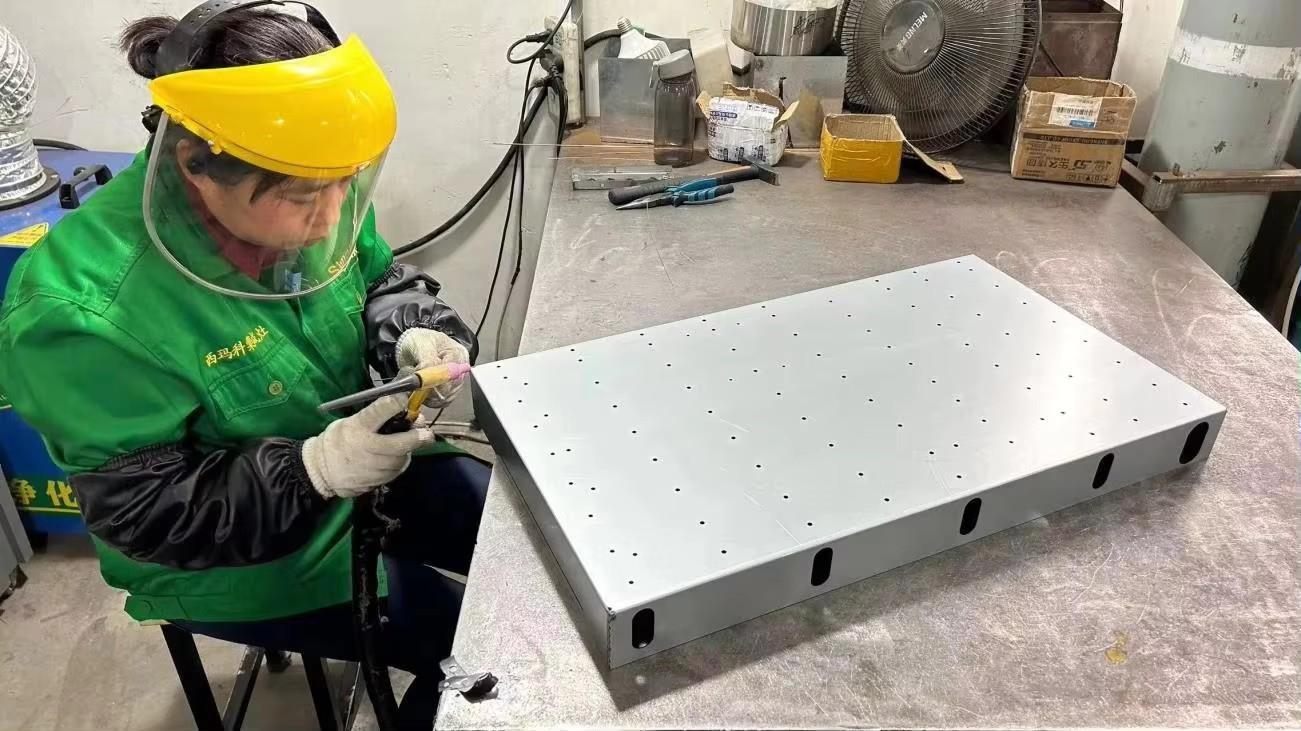
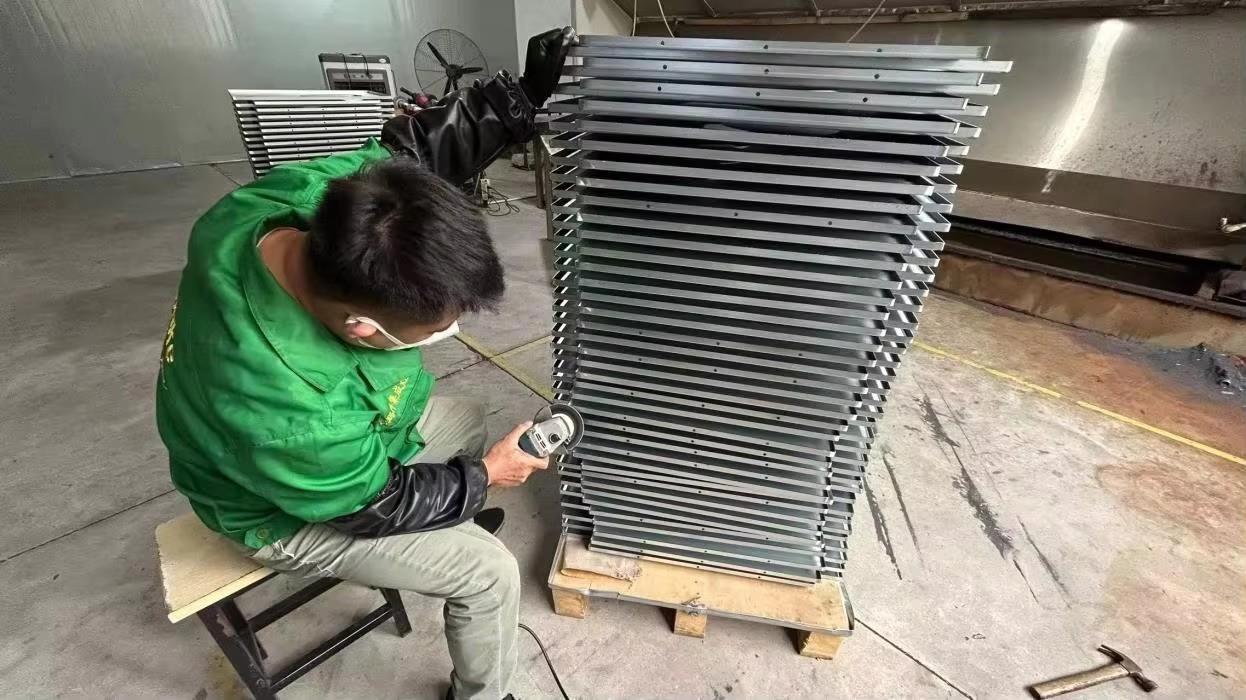
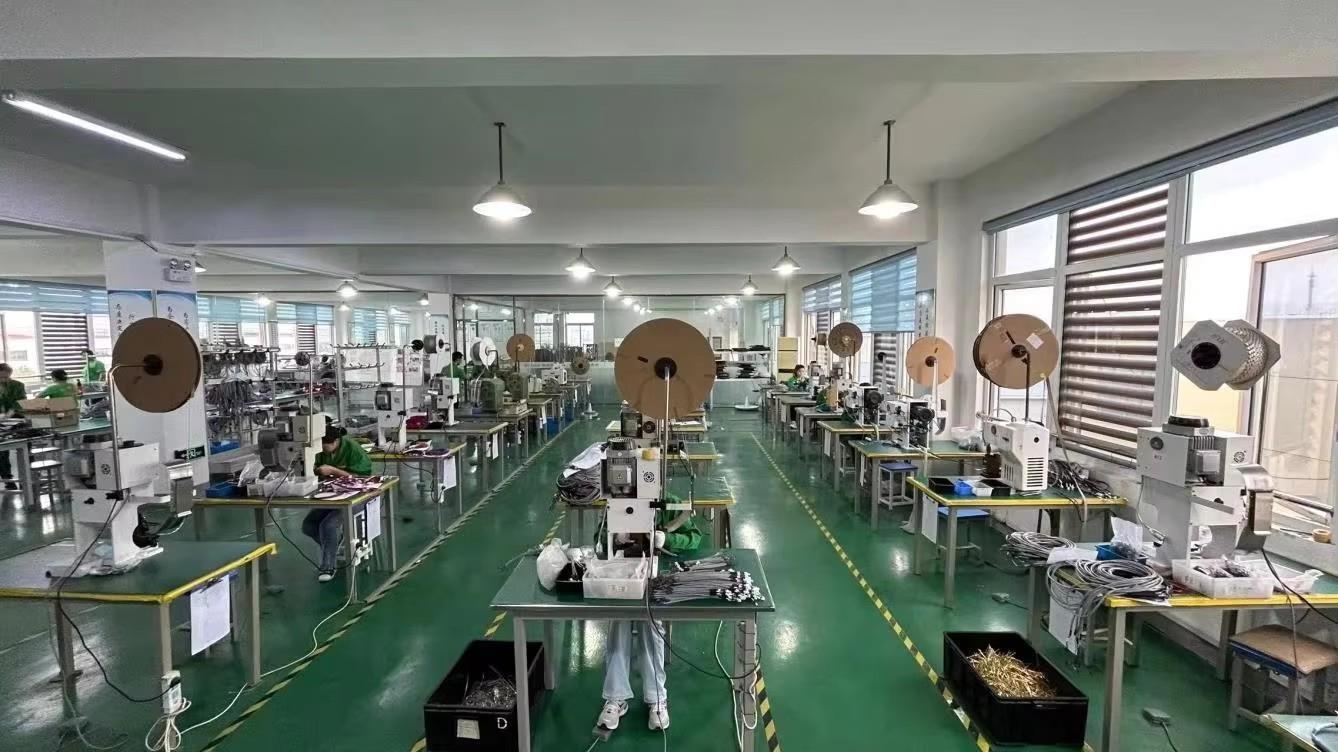
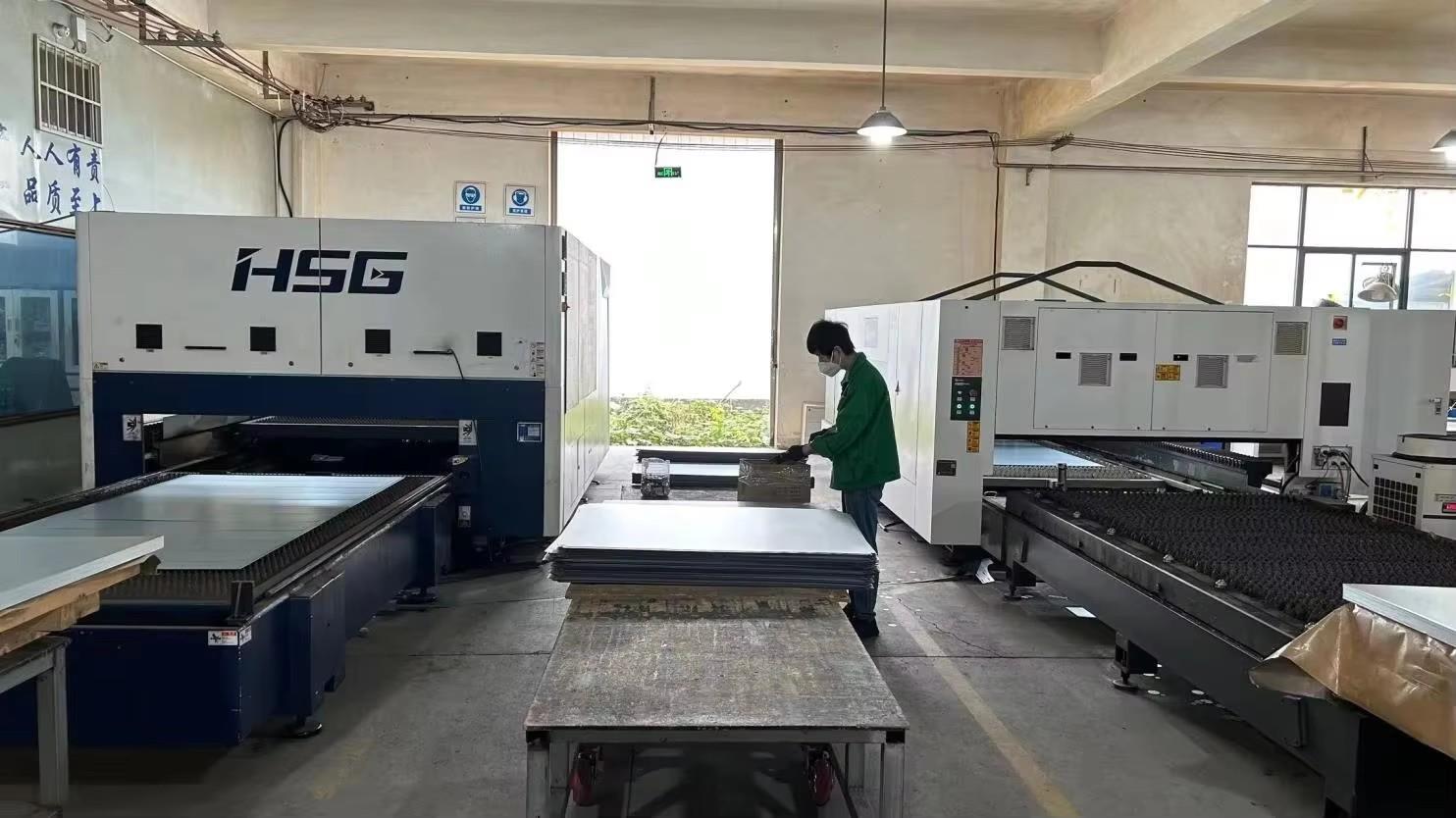
Our state-of-the-art Chinese manufacturing facility employs rigorous engineering methodologies to guarantee reliability and scalability.
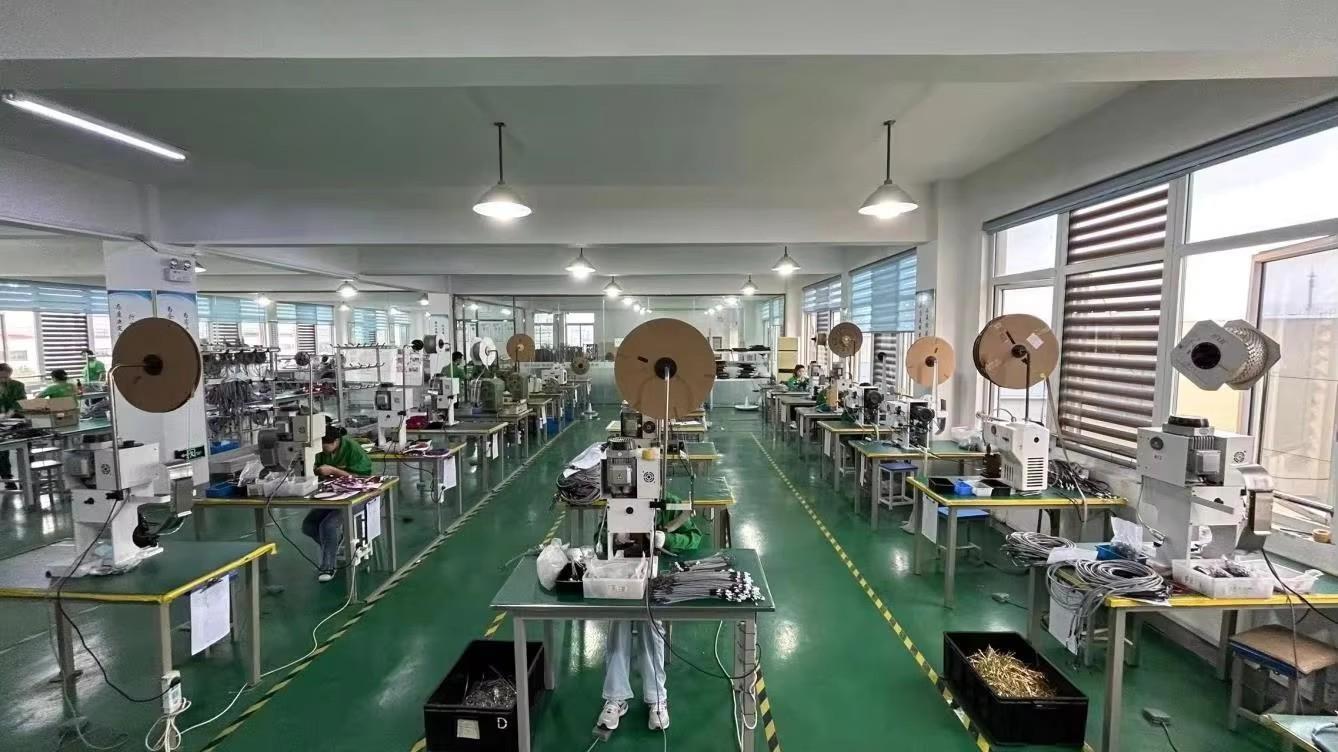
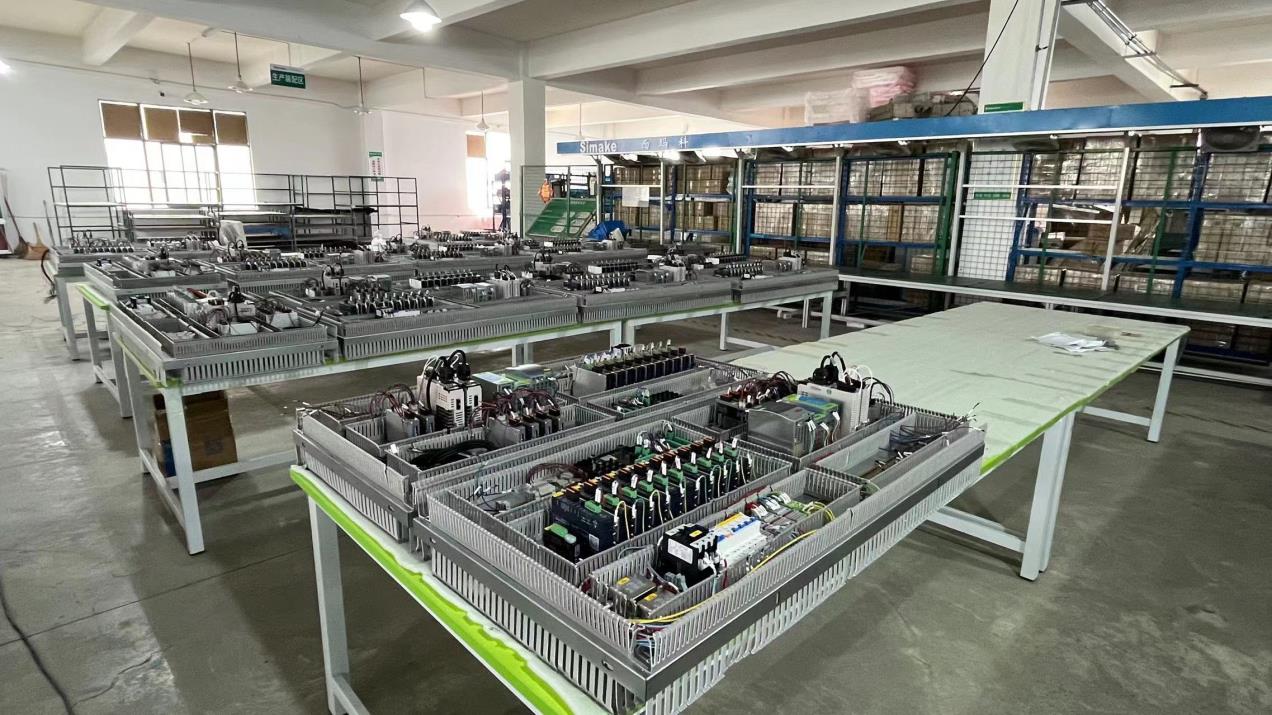
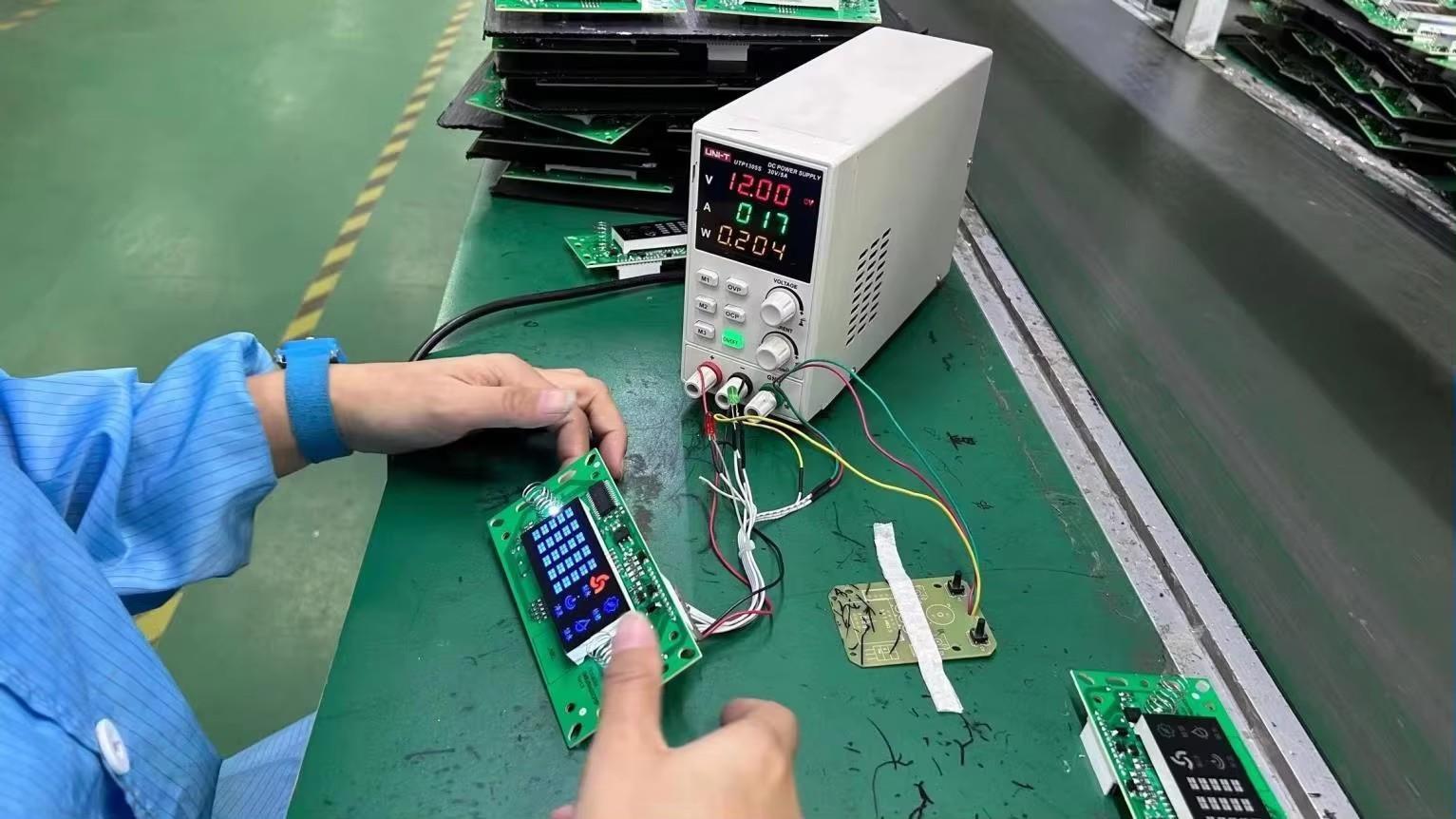
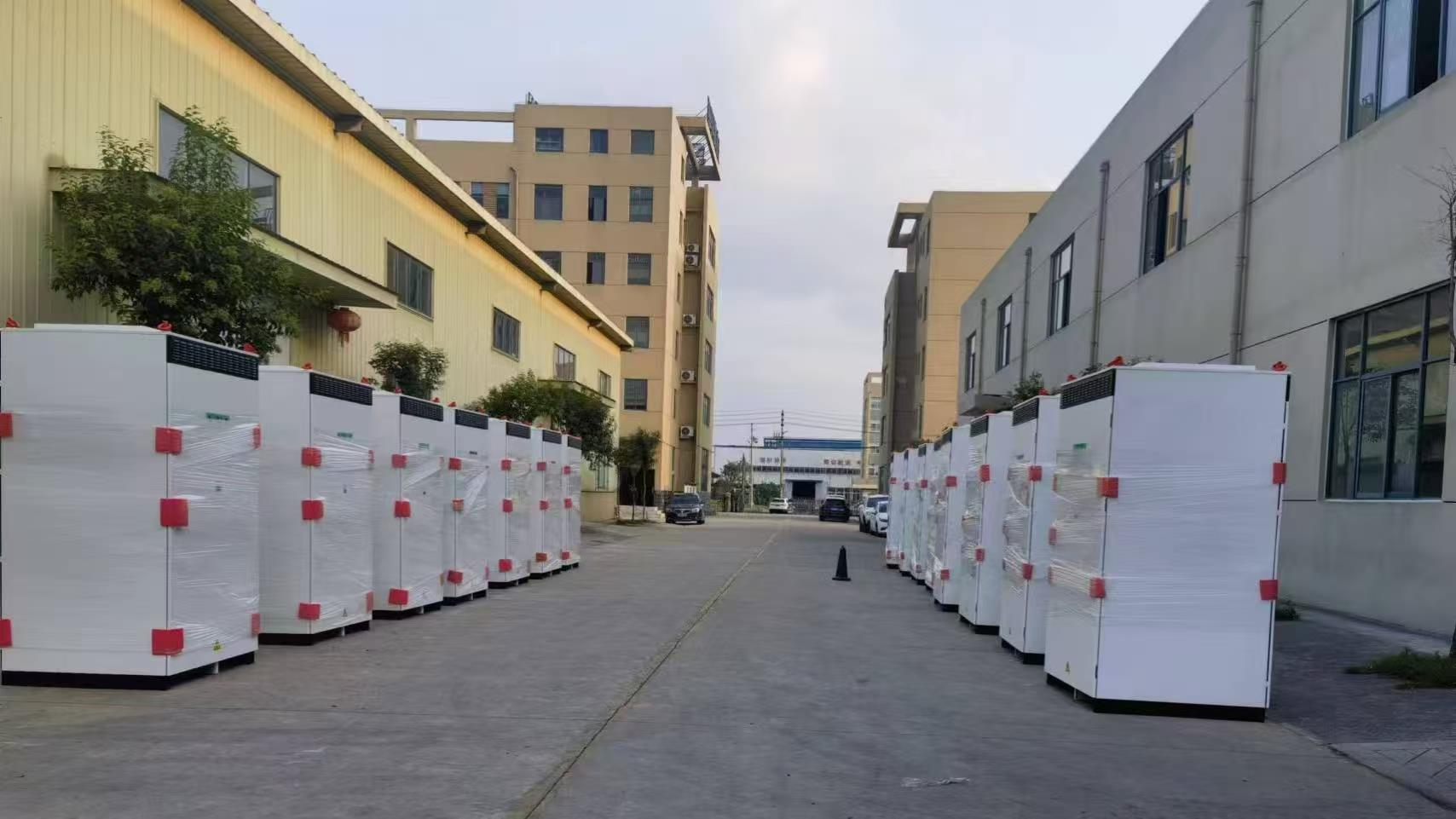
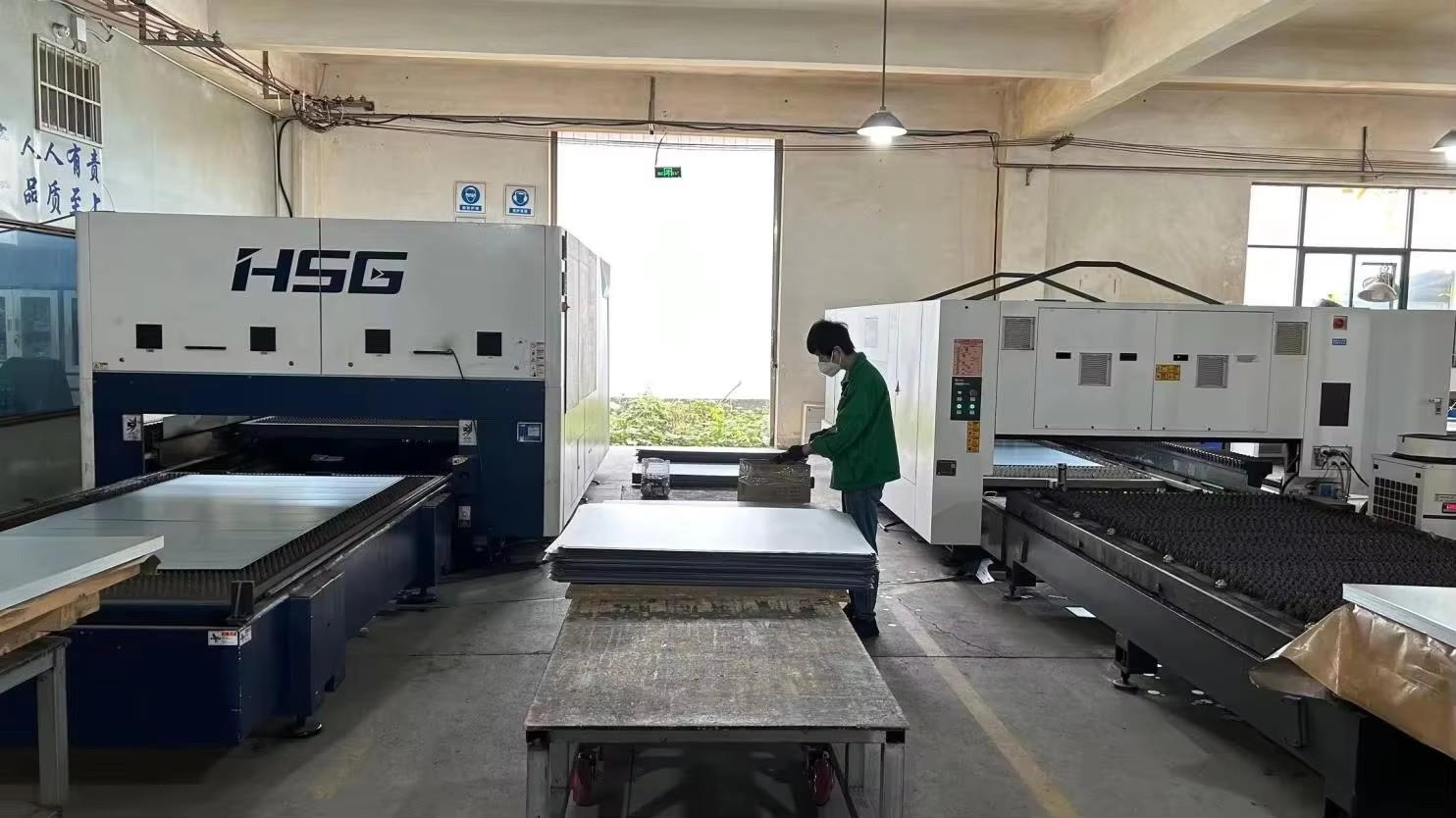
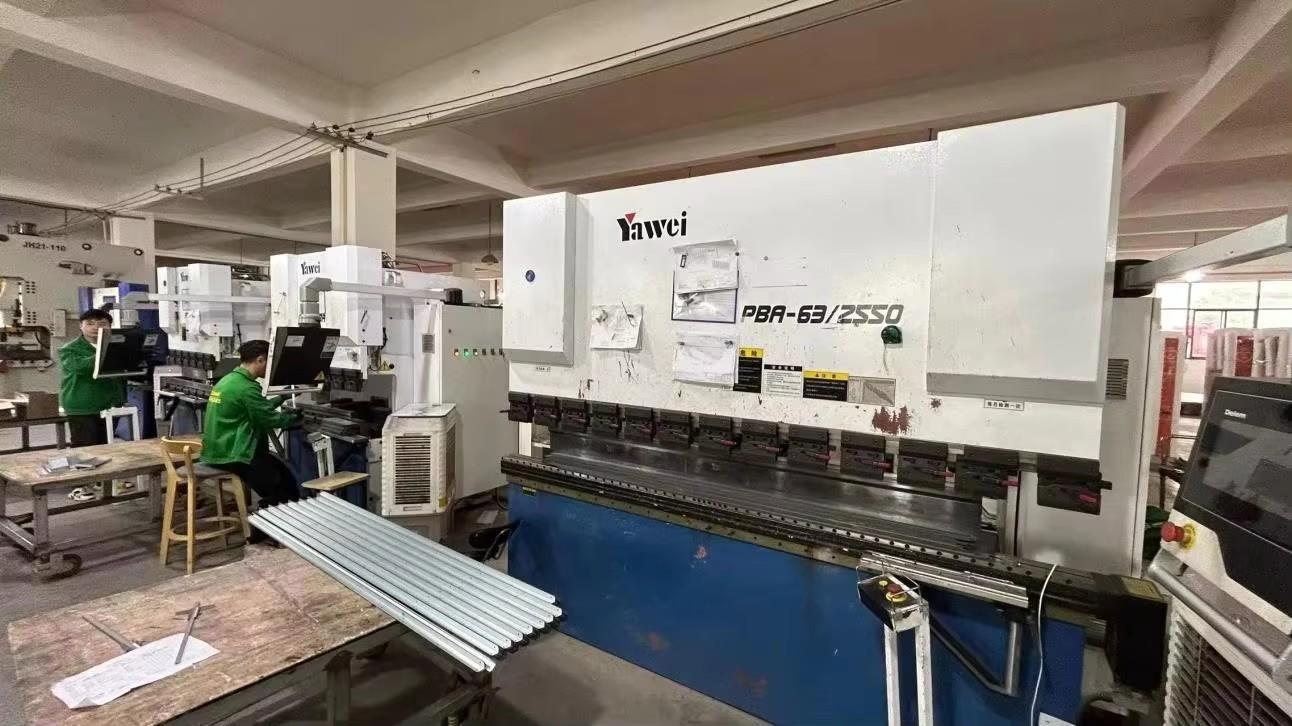
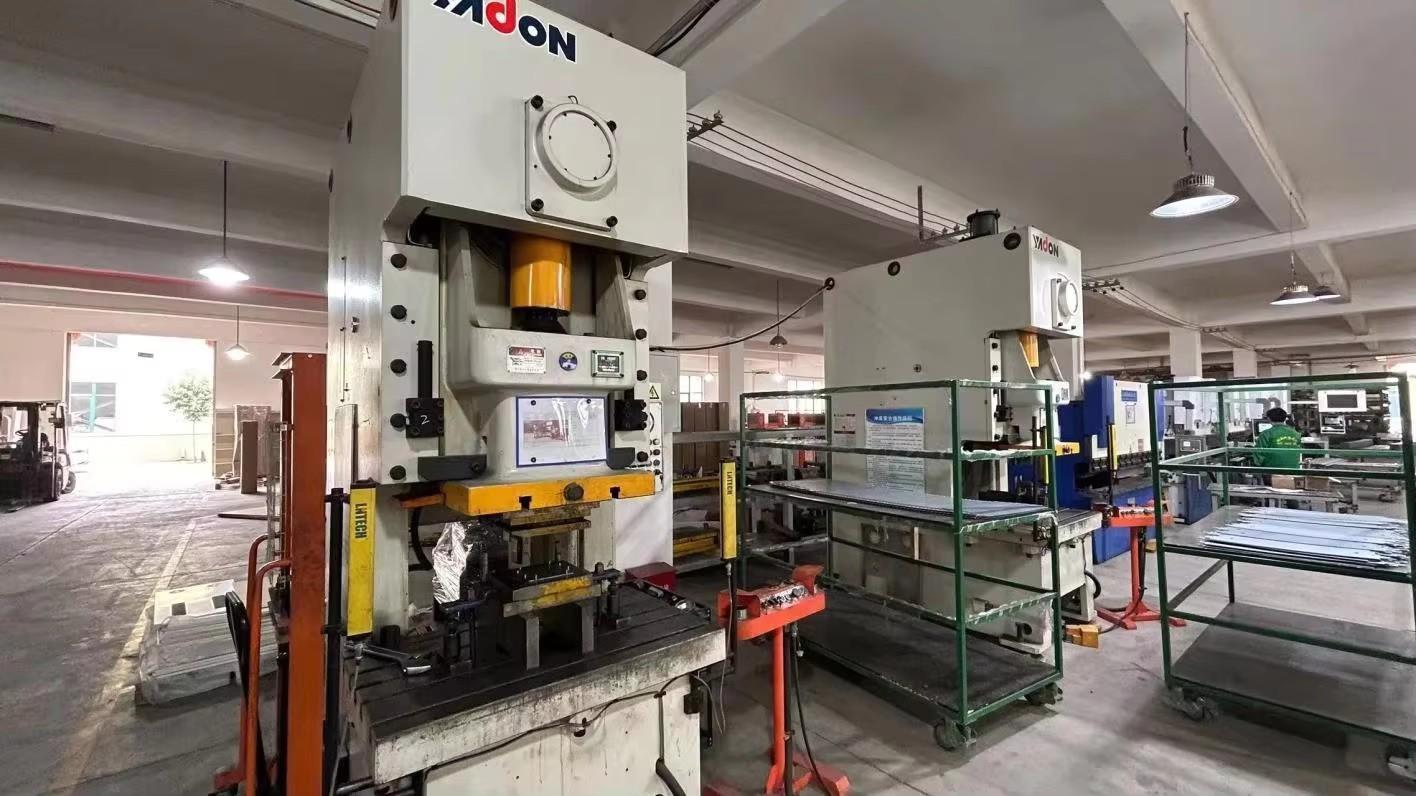
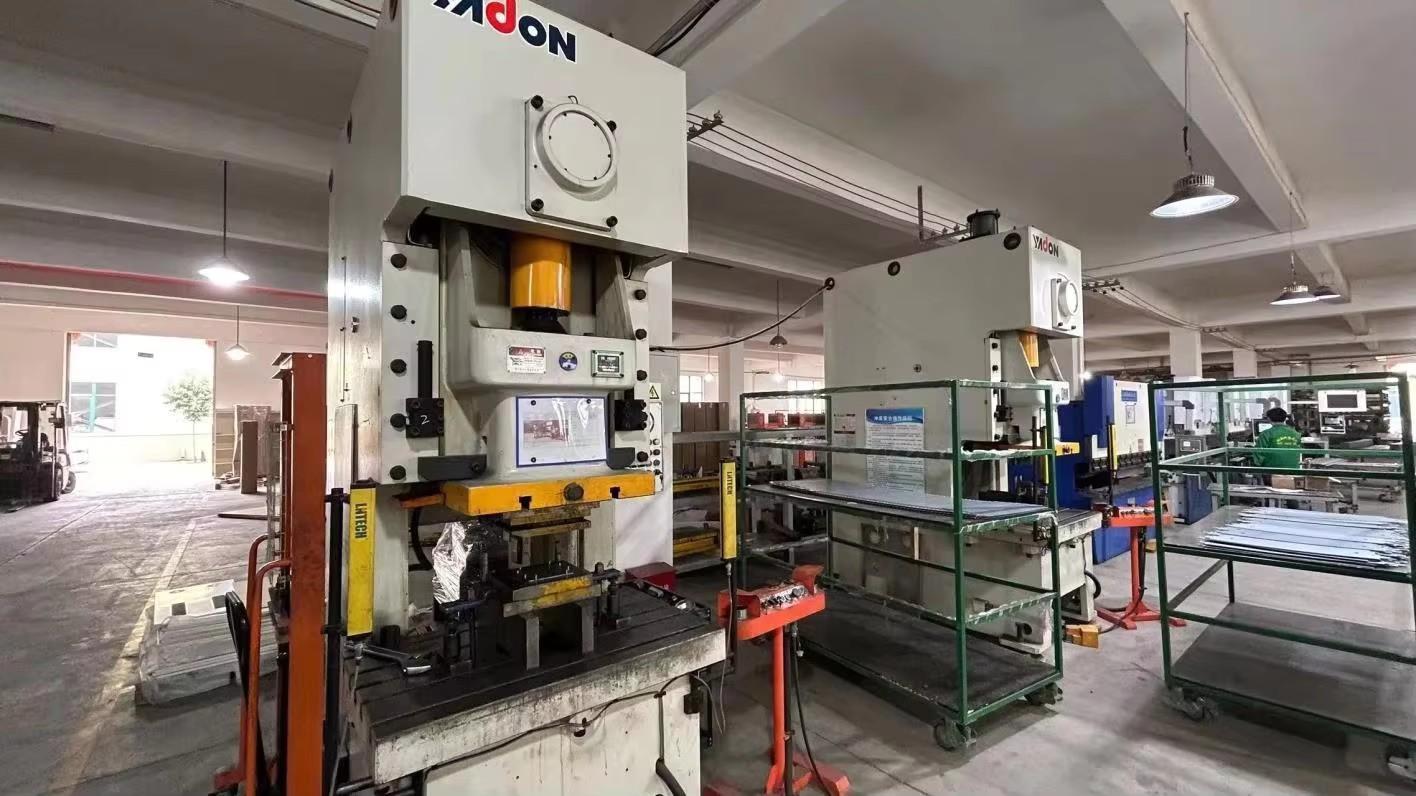
Combining raw material access, integrated supply chains, and rapid prototyping capabilities to lower total cost of ownership.
The global dominance of China's renewable energy sector is built on unified infrastructure, integrated raw material supply chains, and highly optimized assembly systems. China's industrial clusters bring together key stages of the process, including refining battery-grade lithium iron phosphate (LiFePO4), producing high-efficiency monocrystalline silicon ingots, and building precision power electronics like MPPT controllers and inverters. This proximity reduces transit times between processing stages, lowers logistics costs, and allows for rapid customization.
Additionally, Chinese factories have moved beyond low-cost assembly to lead in advanced automation and quality control. At Luzz Solar, we use high-tonnage stamping, robotic laser welding, and automated testing to ensure consistent production. This blend of vertical integration and advanced manufacturing allows us to design and scale bespoke projects for global importers far faster than standard regional manufacturers.
Direct integration with domestic semiconductor fabricators and lithium processing plants minimizes raw material cost volatility.
Dedicated tooling setups allow for the fast production of customized combiner box configurations and battery system layouts.
Our products comply with CE, IEC, UL, and UN38.3 standards, helping to ensure smooth customs clearance and grid approval.
Engineered to operate reliably under extreme conditions, including high-heat desert environments and high-vibration manufacturing plants.
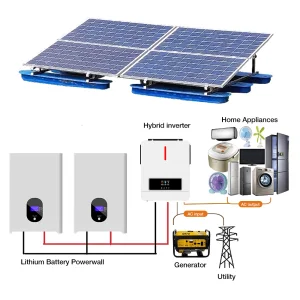
Modern energy management systems require different configurations depending on the application. A residential system focuses on safety, ease of integration, and longevity, while industrial microgrids prioritize high-voltage stability, active load shedding, and peak shaving capabilities. Below are three key deployment profiles for our energy systems:
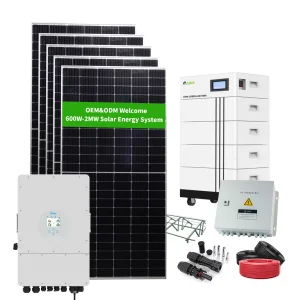
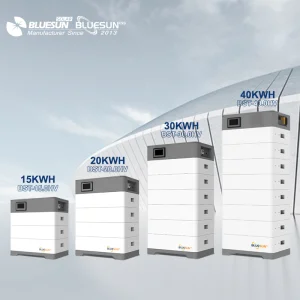
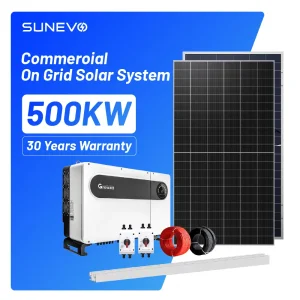
High-voltage battery racks, when integrated with smart hybrid inverters and automated combiner boxes, allow factories to reduce peak-demand charges from local utilities. By discharging stored power during peak hours and recharging during off-peak times, C&I facilities can lower their grid costs by up to 30%.
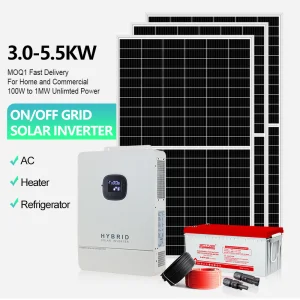
For large-scale agricultural projects and remote operations, our IP65 microinverter platforms and high-capacity battery packs deliver stable power without relying on the main grid. This setup keeps critical irrigation systems, environmental controls, and machinery running continuously.
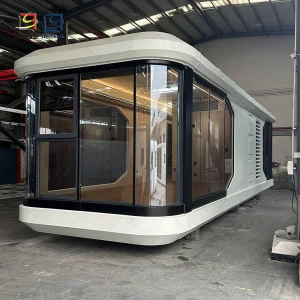
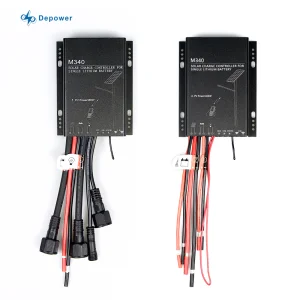
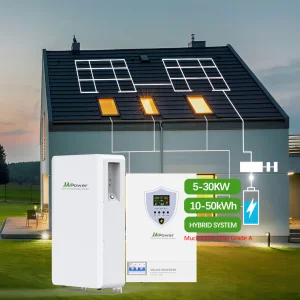
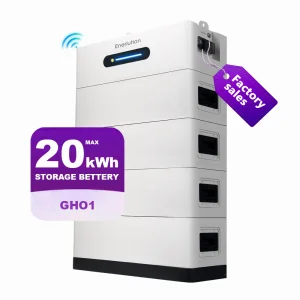
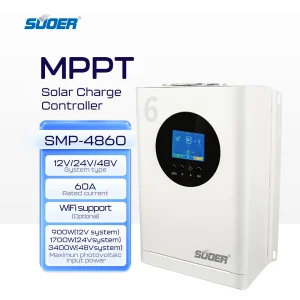
Our stackable LFP batteries and hybrid charge controllers are designed for quick installation in modern residential developments and prefab hotels (such as high-end mobile tiny homes). This configuration offers reliable backup power during grid interruptions and supports energy independence.
Crucial factors to verify before purchasing solar components and large-scale lithium storage infrastructure.
When purchasing industrial energy components, price should not be the sole consideration. Technical compatibility, durability, and safety certifications are essential for system longevity. Ensure you evaluate these key specifications:
Expert answers on system integrations, custom engineering options, and shipping compliance protocols.
Explore our industrial energy portfolio, designed for heavy workloads, off-grid deployments, and grid-tied C&I projects.
 Luzz Solar