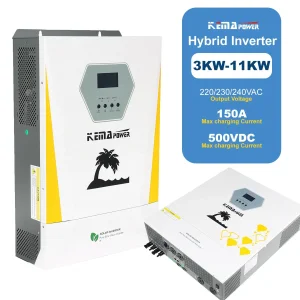
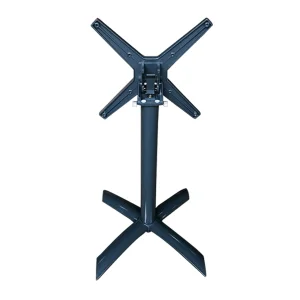
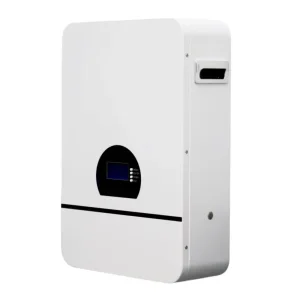
Explore our highly integrated core products designed to optimize residential microgrids, industrial storage, and high-voltage transmission projects.
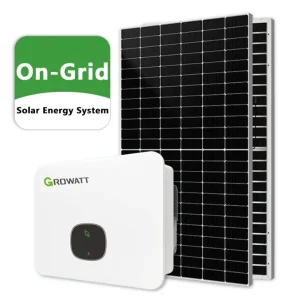
Analyzing the technological advancements, supply chain dynamics, and regulatory compliance metrics reshaping utility-scale and commercial microgrids globally.
The rapid shift toward decarbonized power generation has placed unprecedented pressure on global transmission grids. Grid integration refers to the technical and operational methodologies used to connect intermittent renewable energy sources—such as wind and solar—to the centralized power grid without compromising stability, power quality, or reliability. As penetration levels rise, manufacturers must innovate at the hardware and software interface to mitigate grid instabilities caused by voltage fluctuations and load imbalances.
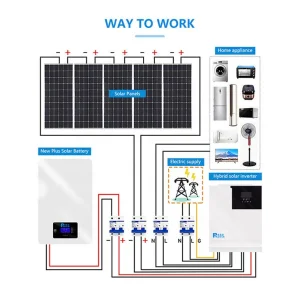
Key integration components include smart grid-tied hybrid inverters, advanced battery management systems (BMS), and physical transmission infrastructure. Systems must be engineered with localized grid-code compliance in mind, offering features such as automated active power curtailment, dynamic reactive power injection, and ultra-fast frequency regulation. Without these advanced controls, local substations face severe thermal overloads and harmonics degradation.
"Effective grid integration requires a holistic approach that bridges high-efficiency photovoltaic conversion, intelligent power conditioning, robust physical structural support, and localized regulatory alignment. Qingdao Luzz Solar Co., Ltd. sits at the intersection of these critical variables, engineering end-to-end integration setups that ensure smooth, reliable power flows under all grid states."
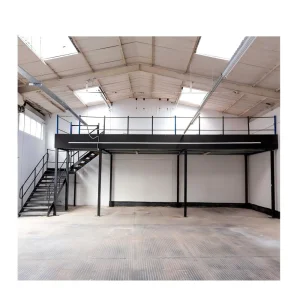
China's dominance in the renewable energy supply chain is not merely a matter of scale, but one of deep technological integration and industrial clustering. From raw lithium processing to precise structural steel fabrication (crucial for heavy-duty galvanized power transmission towers and high-capacity warehousing platforms), China offers an unmatched ecosystem that lowers the Levelized Cost of Energy (LCOE) for global Engineering, Procurement, and Construction (EPC) firms.
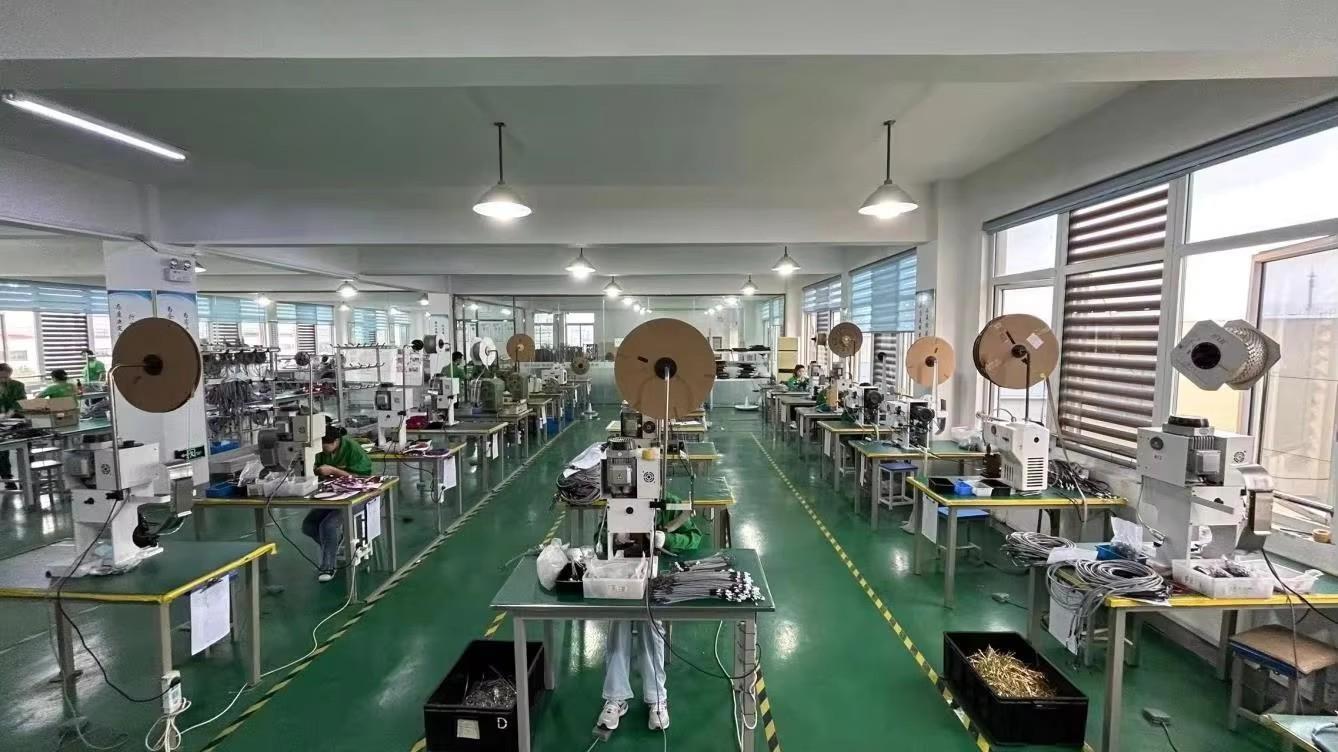
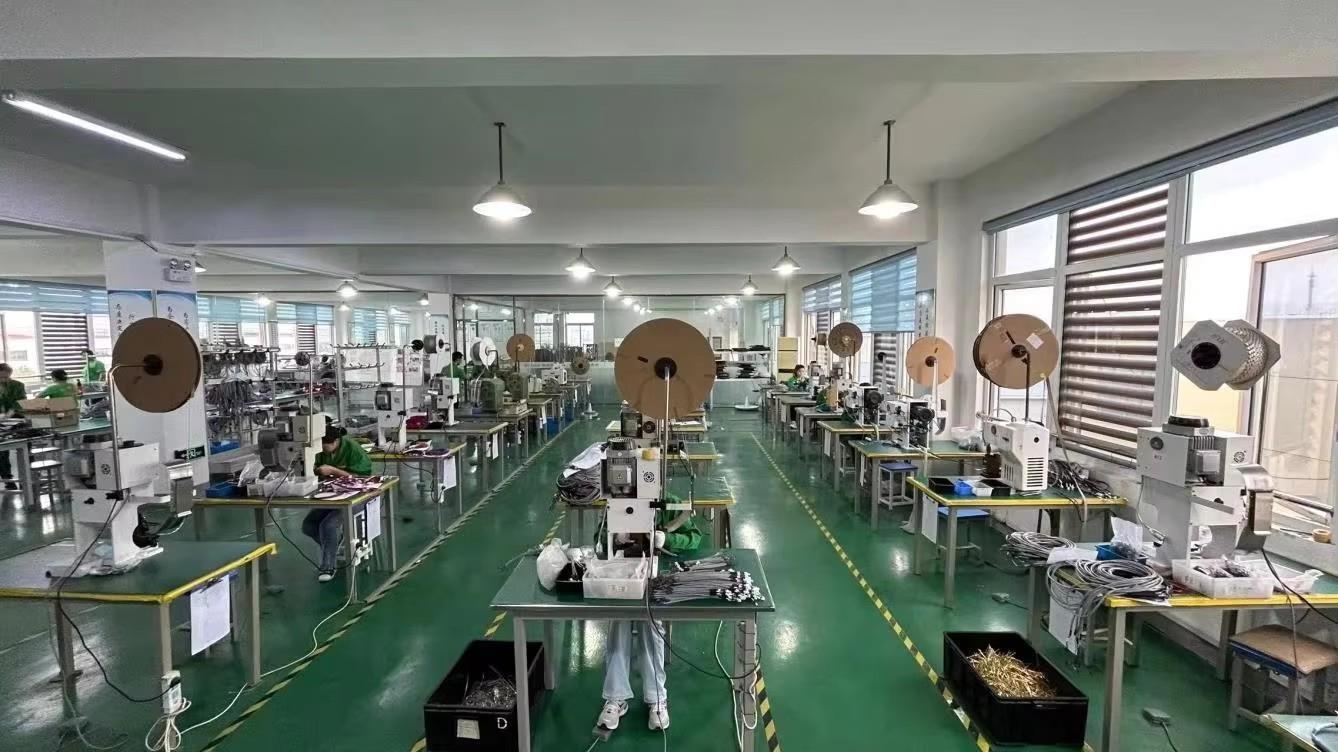
Additionally, advanced automated assembly lines utilize high-precision processes such as silent terminal crimping, laser welding, and automated quality detection. These technologies guarantee consistency at the cell, module, and system levels. Operating from major coastal manufacturing zones like Qingdao allows companies like Luzz Solar to access deep-water ports, reducing transit times and logistics costs while ensuring rapid deployment of containerized storage solutions.
Selecting the correct components is essential for system longevity and investment protection. The table below outlines key technical considerations for engineers when evaluating energy storage, inversion, and structural support options.
| Technology Component | Core Technical Parameter | Standard Compliance Needed | Primary Application Domain |
|---|---|---|---|
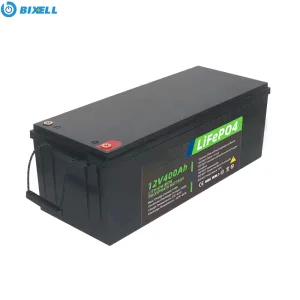
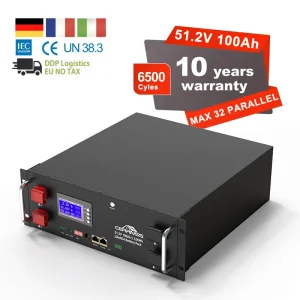
| LiFePO4 Battery Storage | 1000 - 6000+ Deep Cycles, -15°C to 60°C Operating Range | CE, UN38.3, UL1973, IEC62619 | C&I Peak Shaving, Residential Microgrids |
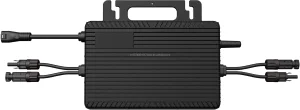
| Micro Inverters (e.g. REDPULSE 2000W) | 96% Efficiency, 4 Independent MPPTs, IP67 Waterproofing | EN50549, VDE-AR-N 4105, CE | Residential Roofs, Multi-Angle PV Arrays |
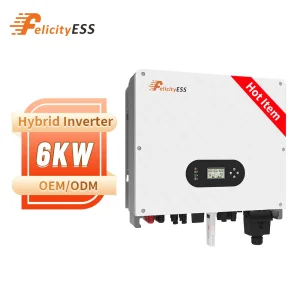
| Hybrid Inverters (e.g. Felicity ESS 6kW) | Pure Sine Wave Output, Built-in MPPT, Peak Load Shaving | CE, AS4777.2, G98/G99 | High-Demand Off-Grid & Grid-Tied Scenarios |
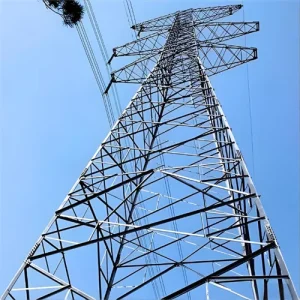
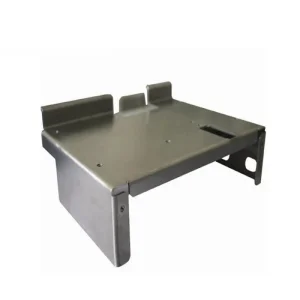
| Structural Power Towers | Hot-Dip Galvanized Steel, Custom Welding & Bending | ASTM A123, EN ISO 1461 | High-Voltage Overhead Power Transmission Lines |
Learn more about Qingdao Luzz Solar Co., Ltd. and our state-of-the-art production processes.
Qingdao Luzz Solar Co., Ltd. is a professional new energy enterprise specializing in the development, manufacturing, and global distribution of photovoltaic (PV) products and integrated energy storage solutions. Located in Qingdao, China, the company benefits from a well-established renewable energy industrial base and advanced manufacturing capabilities.
With the accelerating global transition toward carbon neutrality and sustainable development, Luzz Solar is committed to providing efficient, reliable, and cost-effective clean energy solutions to customers worldwide. Our product portfolio includes high-efficiency solar photovoltaic modules, energy storage systems, and integrated solar application solutions designed for residential, commercial, and utility-scale projects.
Driven by technological innovation and quality excellence, the company continuously invests in R&D and production optimization to improve product performance, energy conversion efficiency, and system reliability. We strictly adhere to international quality standards and implement rigorous quality control throughout the entire production process to ensure stable and long-term product performance.
Qingdao Luzz Solar actively expands its global market presence, with business coverage across Asia, Europe, the Middle East, Africa, and Latin America. By working closely with international partners, we are committed to delivering tailored energy solutions that meet diverse regional needs and support the global energy transition.
Guided by the core values of integrity, innovation, cooperation, and sustainability, Luzz Solar strives to become a trusted global partner in the new energy industry. We are dedicated to advancing solar technology and contributing to a greener, more sustainable future.
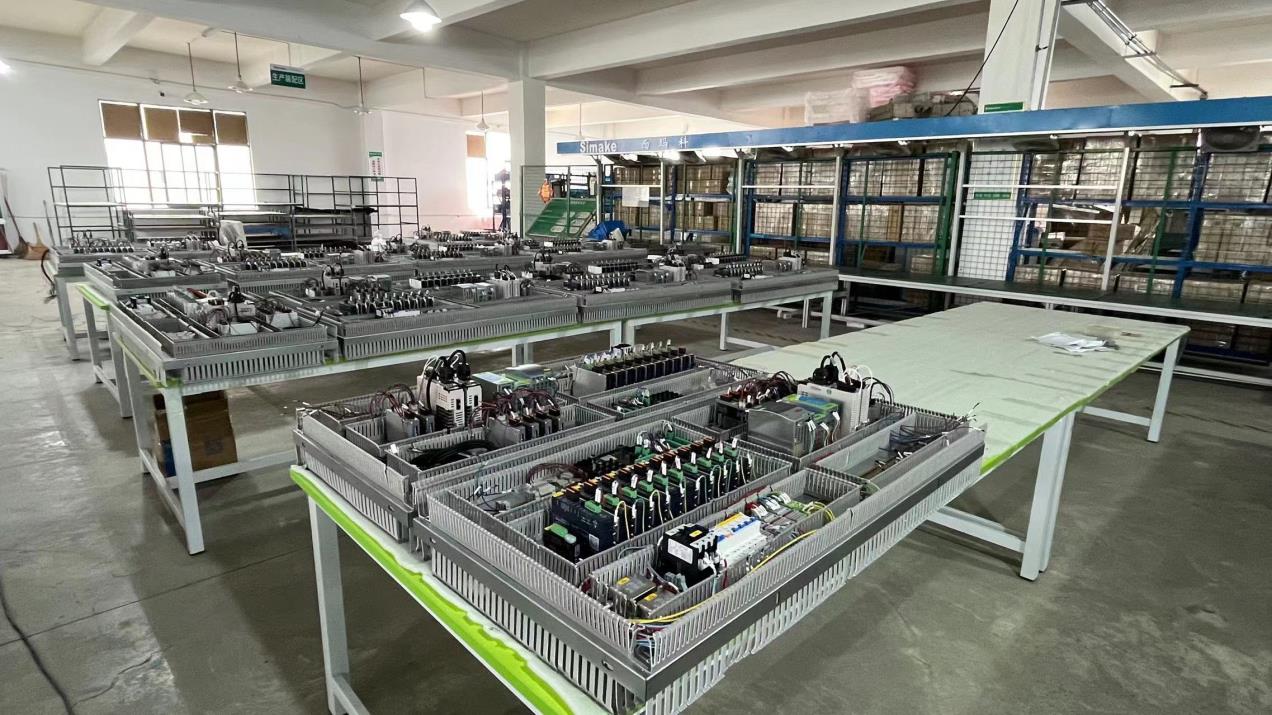
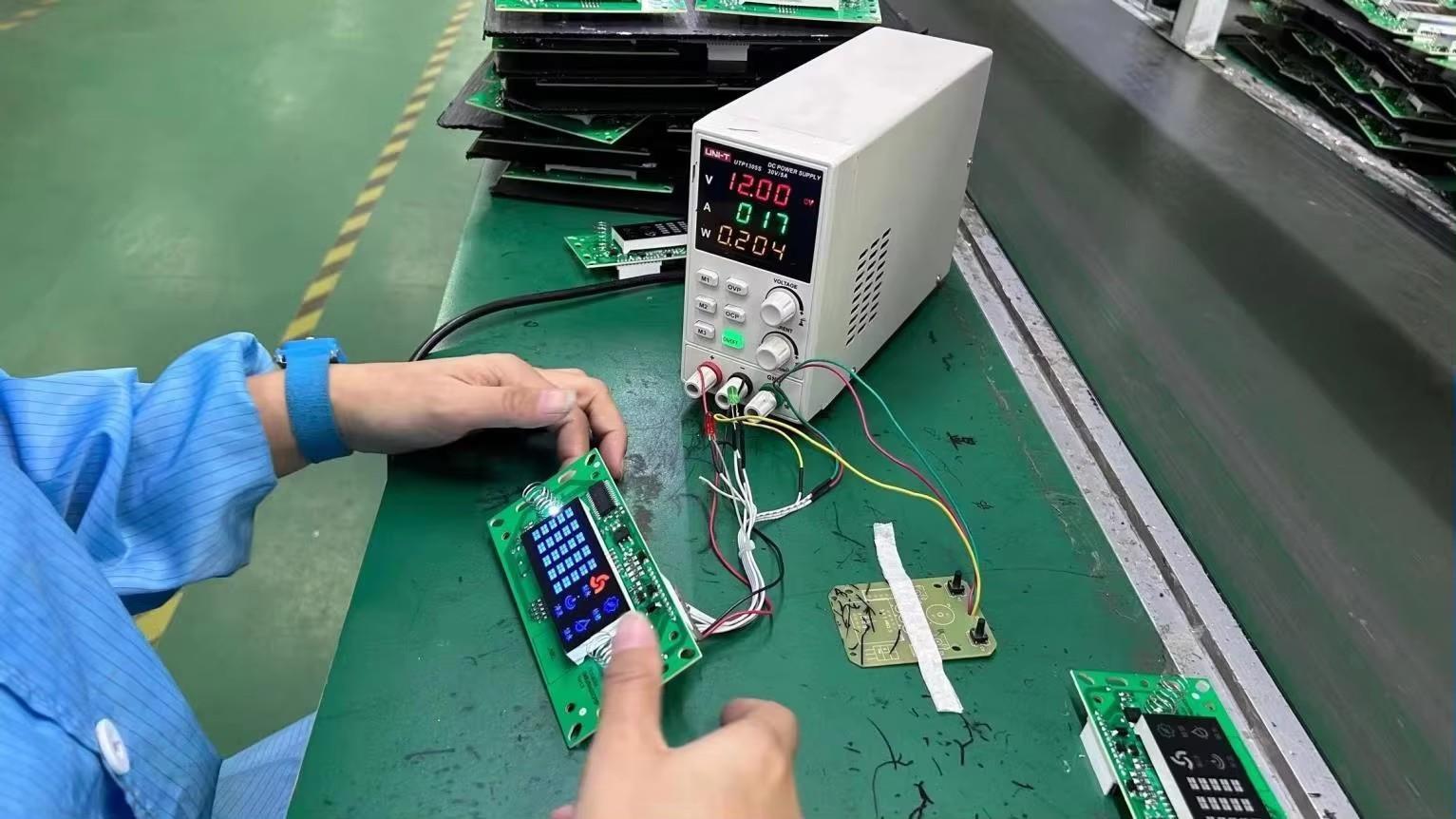
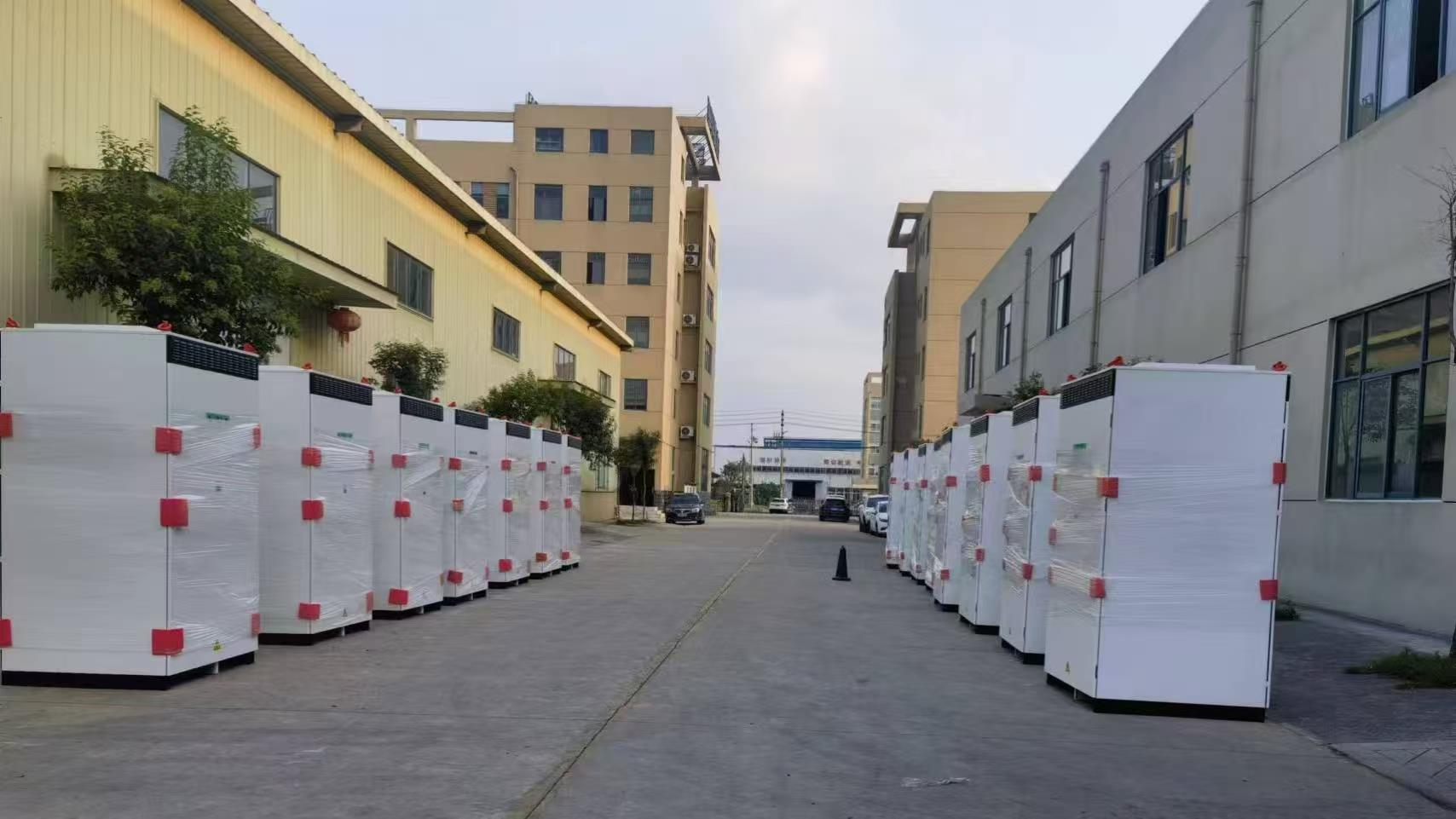
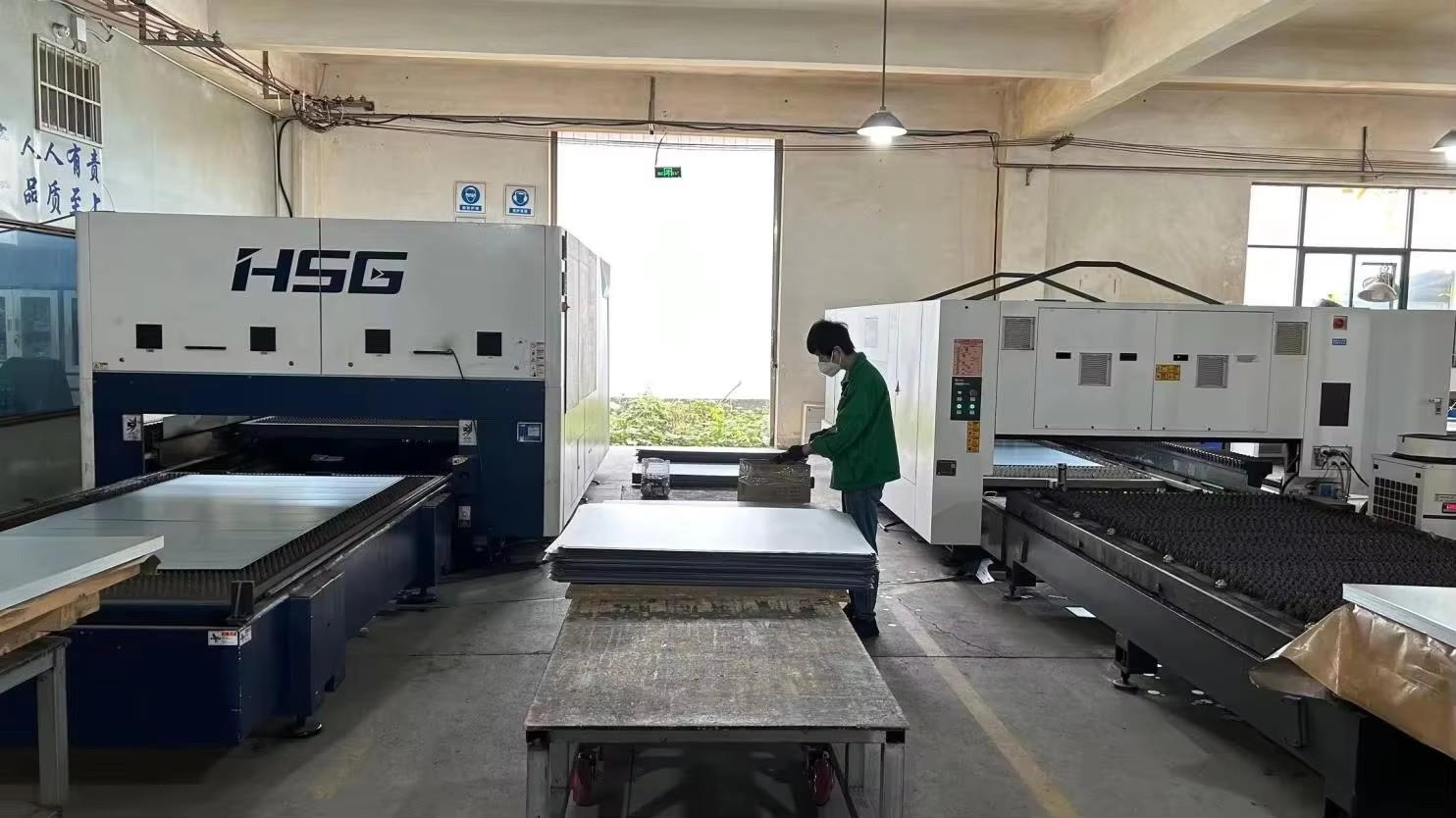
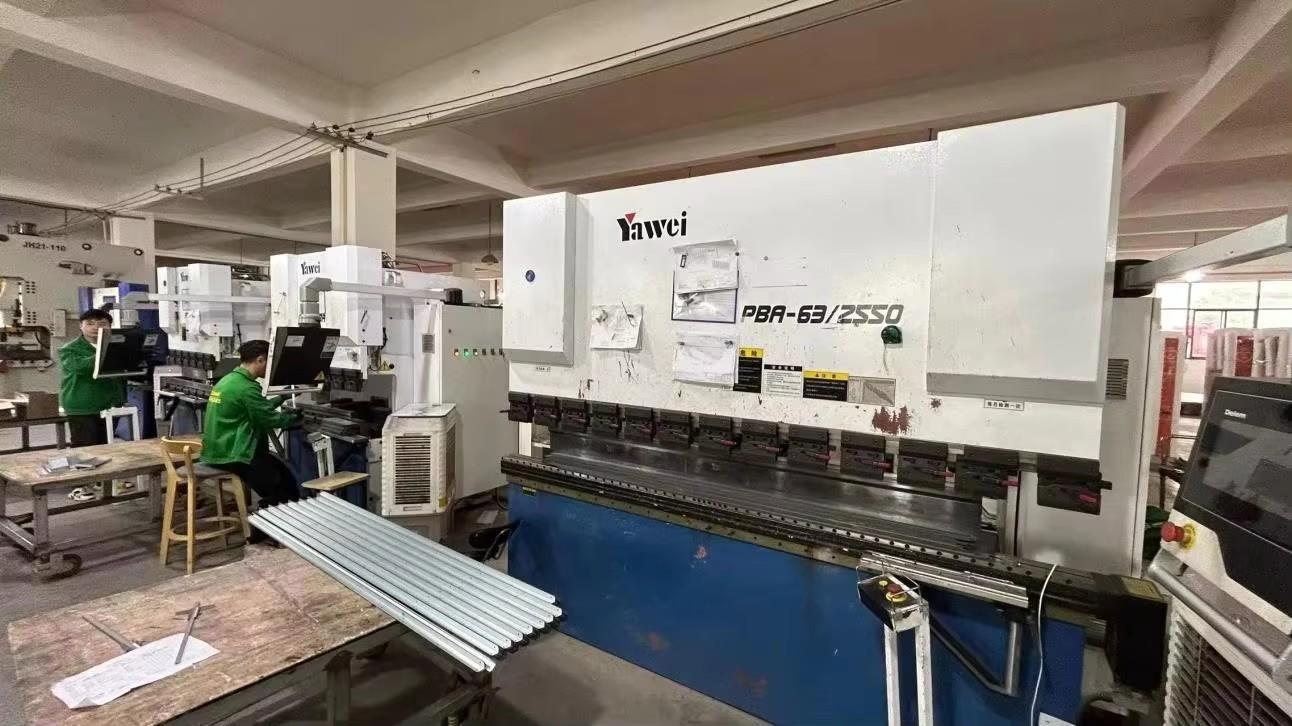
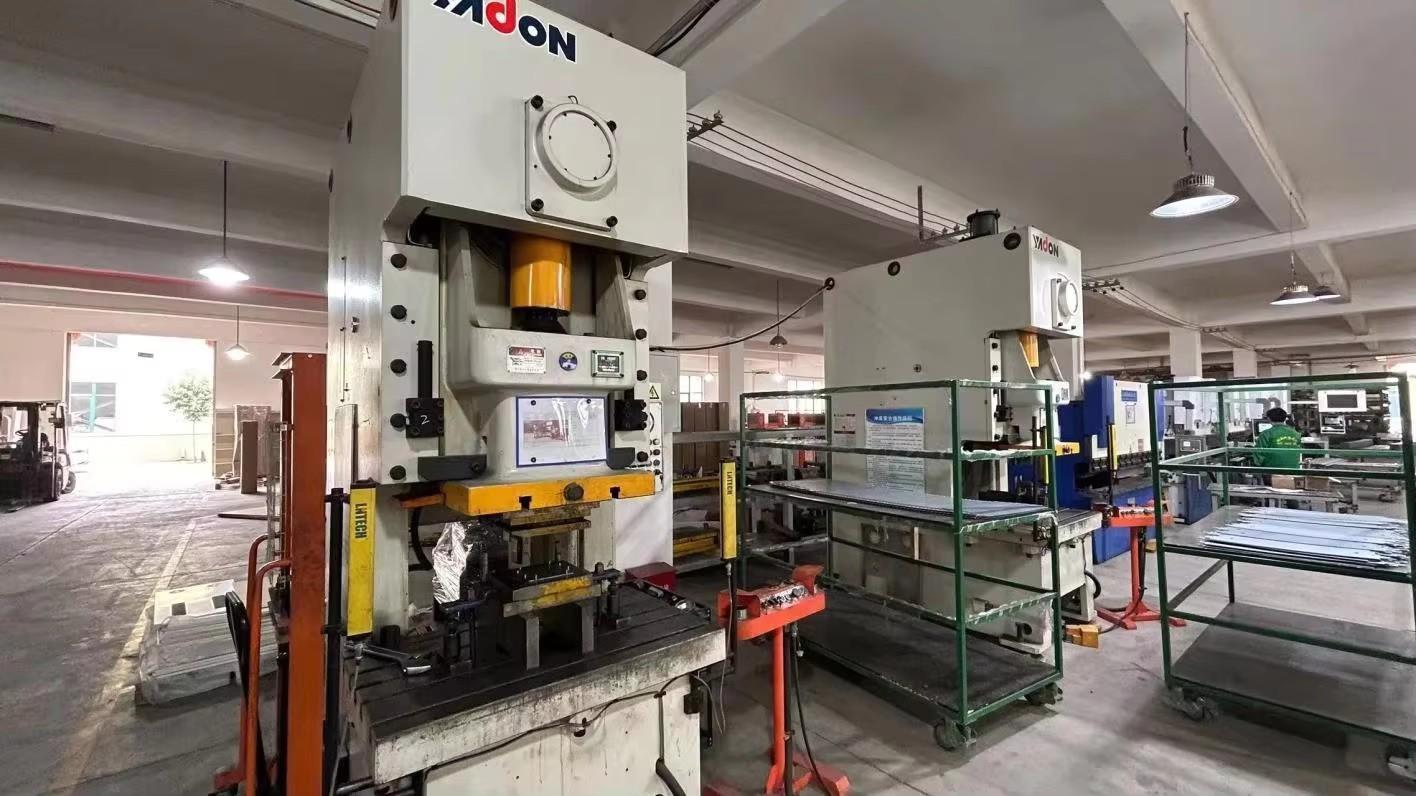
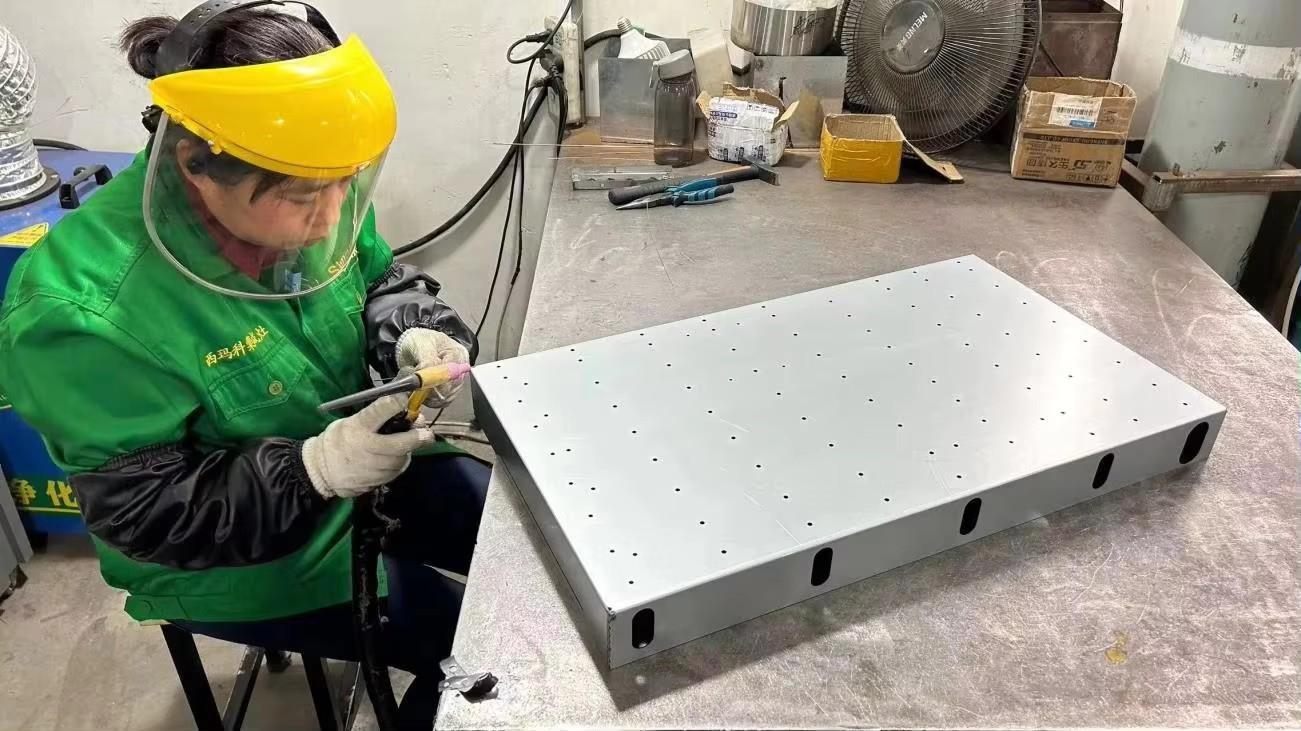
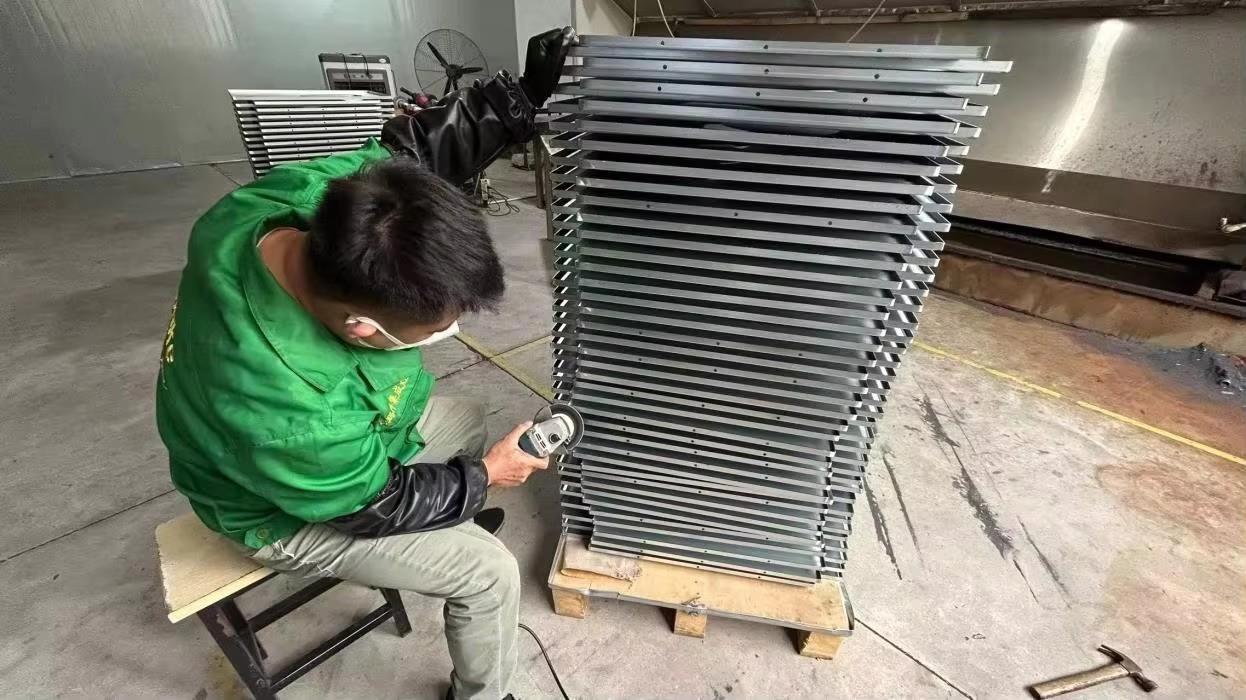
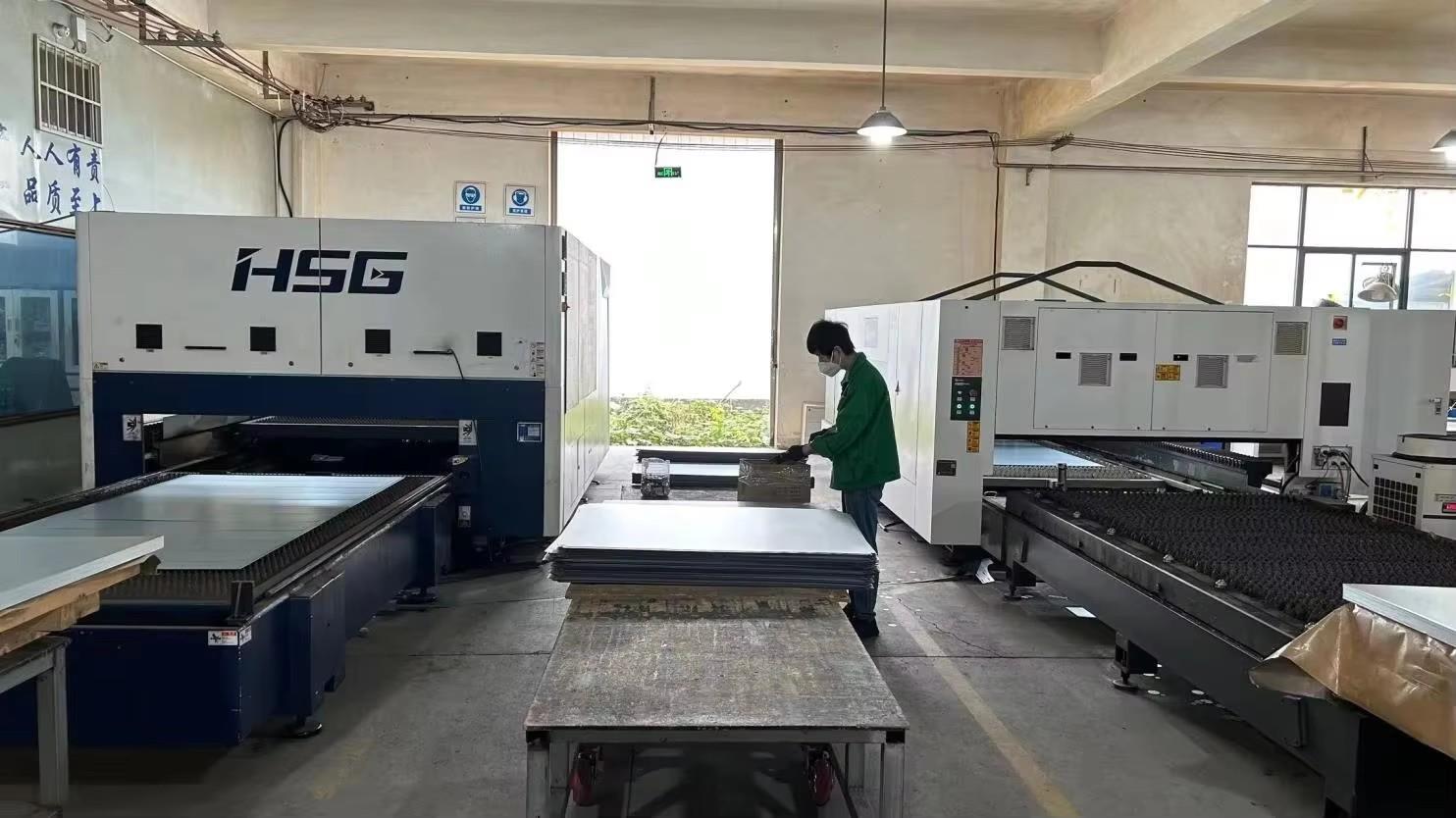
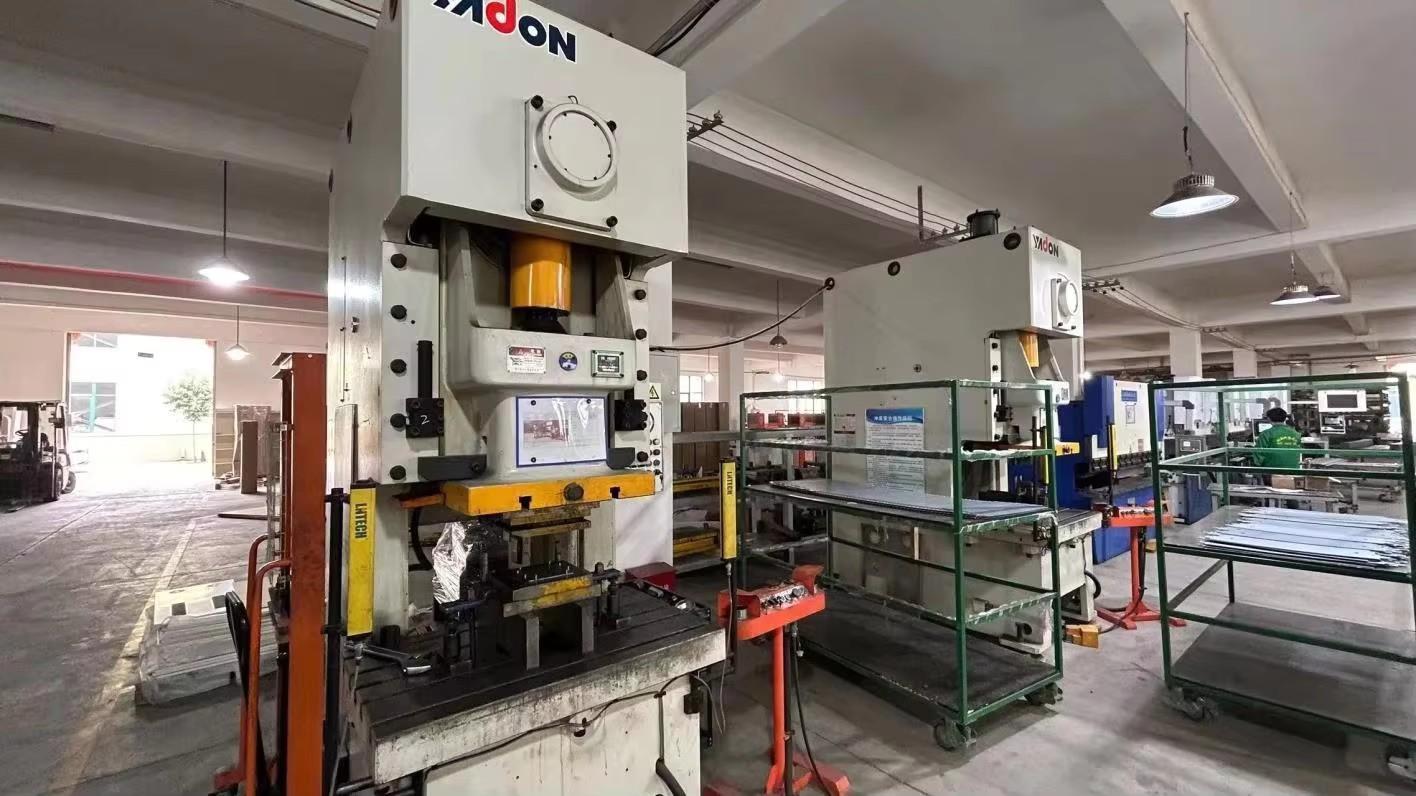
Our vertically integrated facility features highly automated machinery, structural cutting, precise bending, terminal crimping, and multiple testing phases to guarantee quality at every step.
Deploying renewable infrastructure globally requires navigating a complex matrix of local grid codes and safety regulations. In the United States, grid-interactive systems must comply with IEEE 1547 and UL 1741 SB standards to protect line workers and maintain grid balance. In Europe, EN 50549-1/2 determines the behavior of distributed generators during frequency excursions. In Australia, the AS/NZS 4777.2 standard mandates strict voltage response modes (Volt-Var and Volt-Watt).
Luzz Solar guarantees all hybrid systems and battery packs carry the necessary CE, LiFePO4 safety documentation (UN38.3), and localized testing certifications. By providing pre-configured profiles for international grids, we minimize onsite commissioning times for EPC contractors and solar installers, ensuring rapid utility permission-to-operate (PTO).
Renewable energy integration manifests differently depending on regional infrastructure needs:
The renewable integration sector is transitioning toward deeper intelligence. Virtual Power Plants (VPPs) are aggregating thousands of distributed residential battery systems to provide primary frequency response and grid balancing. Artificial Intelligence-driven Energy Management Systems (EMS) predict local PV generation using real-time weather feeds while analyzing historical consumption patterns to optimize battery state-of-charge (SoC).
Hardware evolution continues to favor LiFePO4 (Lithium Iron Phosphate) chemistry for stationary storage due to its exceptional thermal stability and long lifecycle compared to NMC formulations. Meanwhile, microinverters are gaining significant market share in residential and commercial rooftops due to their safety profile (no high-voltage DC runs) and module-level MPPT tracking, which mitigates shading losses and simplifies system expansion.
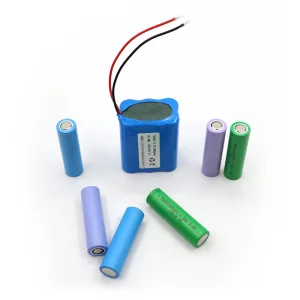
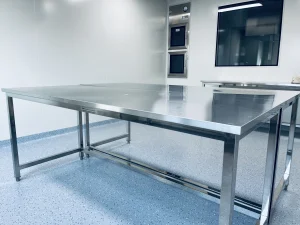
Access our comprehensive selection of high-durability battery systems, robust structural steel platforms, and specialized commercial accessories.
Get professional answers to the most common queries surrounding system deployment, battery physics, structural customizability, and global logistics.
Peak load shaving is a strategy designed to reduce electricity costs by utilizing stored energy from a battery system (such as our LiFePO4 packs) during periods of peak grid demand when electricity tariffs are at their highest. In a 20kW home solar setup, the hybrid inverter intelligently shifts the source load from the grid to the battery storage when utility rates climb, helping users avoid expensive demand charges and lowering the overall energy bill.
Lithium Iron Phosphate (LiFePO4) is widely recognized as the safest and most durable chemistry for stationary storage systems. Unlike NMC (Nickel Manganese Cobalt) batteries, LiFePO4 exhibits high thermal runaway thresholds (up to 270°C), preventing self-combustion. Furthermore, they offer exceptional lifecycle performance (often exceeding 3000 to 6000 cycles at 80% Depth of Discharge), making them far more cost-effective over their operating life.
Microinverters, like the REDPULSE 2000W, convert DC power to AC directly at individual solar panels. This eliminates the "weakest link" problem inherent in string inverters, where shading or dirt on one panel reduces the output of the entire array. With 4 independent MPPTs, microinverters optimize the yield of each module, eliminate high-voltage DC runs on roofs, and simplify system scaling and maintenance.
Hot-dip galvanization involves immersing fabricated steel components into molten zinc, forming a metallurgical bond that shields the underlying metal from environmental moisture and oxygen. This process is critical for heavy-duty transmission towers and outdoor solar racking systems, providing up to 50+ years of maintenance-free service under severe coastal or industrial atmospheric conditions.
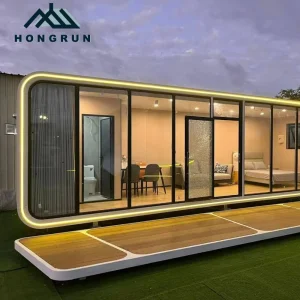
Yes, our insulated prefab cabin systems are engineered to integrate seamlessly with solar energy generation and storage. By mounting high-efficiency PV arrays and deploying hybrid inverters with dedicated battery packs (such as the rack-mounted 48V LiFePO4 series), these modular spaces achieve 100% grid independence, making them ideal for eco-lodges, remote site offices, and emergency response hubs.
 Luzz Solar