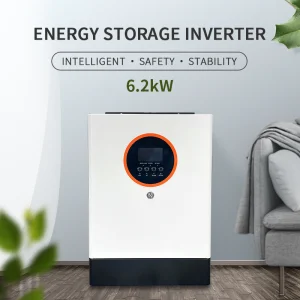
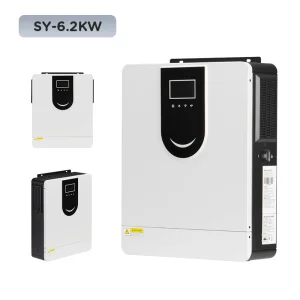
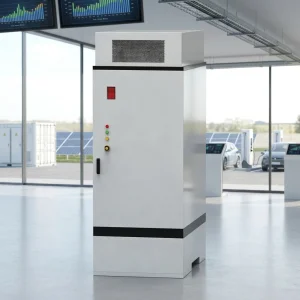
Engineered for extreme efficiency, safety compliance, and maximum system lifetime
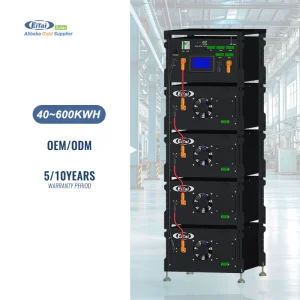
Analyzing technology shifts, market requirements, and E-E-A-T manufacturing standards
In the rapidly expanding landscape of grid-level energy security and sustainable electrification, selection of the optimal electrochemistry is a strategic commercial decision. Over the past decade, Lithium Iron Phosphate (LiFePO4) has emerged as the unchallenged standard for stationary energy storage systems (BESS). In comparison to traditional lead-acid systems and cobalt-based counterparts (NMC/LCO), LiFePO4 delivers an unprecedented combination of thermal stability, prolonged cycle life, and low environmental impact.
From a molecular standpoint, the strong covalent bonding of phosphorus and oxygen atoms (P-O bond) within the olivine crystal structure of LiFePO4 creates an inherently stable lattice configuration. Unlike NMC cells, which can release oxygen and trigger thermal runaway under physical abuse or overcharge states, LiFePO4 cells exhibit exceptional resistance to high operational temperatures. This translates to an elevated thermal runaway threshold of approximately 270°C, making LiFePO4 the safest and most reliable lithium technology available for high-density configurations.
"The integration of safety-certified LiFePO4 cells with smart BMS (Battery Management Systems) is not merely a product upgrade; it is the fundamental infrastructure foundation required to support high-voltage commercial microgrids and zero-emission industrial operations."
Qingdao Luzz Solar Co., Ltd. is a leading global developer, manufacturer, and distributor of photovoltaic (PV) modules and integrated energy storage solutions. Strategically situated in Qingdao, China, the company leverages a sophisticated industrial ecosystem and proximity to premier maritime logistics. This enables the supply of advanced clean energy systems to key markets across Europe, the Middle East, Africa, Latin America, and Southeast Asia.
Guided by the core values of integrity, innovation, cooperation, and sustainability, Luzz Solar is committed to addressing the escalating challenges of climate change and carbon neutrality. Our product engineering complies with rigorous international quality standards. The integration of Tier-1 cells, structural robustness, and multi-tier electronic protection guarantees stable operation under demanding climate conditions. By investing continuously in advanced manufacturing and testing infrastructure, Luzz Solar maintains its authoritative status as a verified, high-volume supplier of clean energy architectures.
| Performance Indicator | LiFePO4 (LFP) Systems | Lead-Acid (VRLA/AGM) | NMC Lithium Ion |
|---|---|---|---|
| Cycle Life (80% DoD) | 5,000 - 8,000 Cycles | 300 - 800 Cycles | 1,500 - 2,500 Cycles |
| Thermal Runaway Temp | > 270°C (Highly Stable) | N/A (Sulphation Risk) | ~ 150°C - 200°C (Risk of Fire) |
| Depth of Discharge (DoD) | 90% - 100% | 50% Maximum | 80% - 90% |
| Toxicity & Recycling | Eco-friendly, Cobalt-free | High Lead Hazard | Highly Toxic Cobalt/Nickel |
| Round-Trip Efficiency | > 95% | ~ 75% - 80% | > 92% |
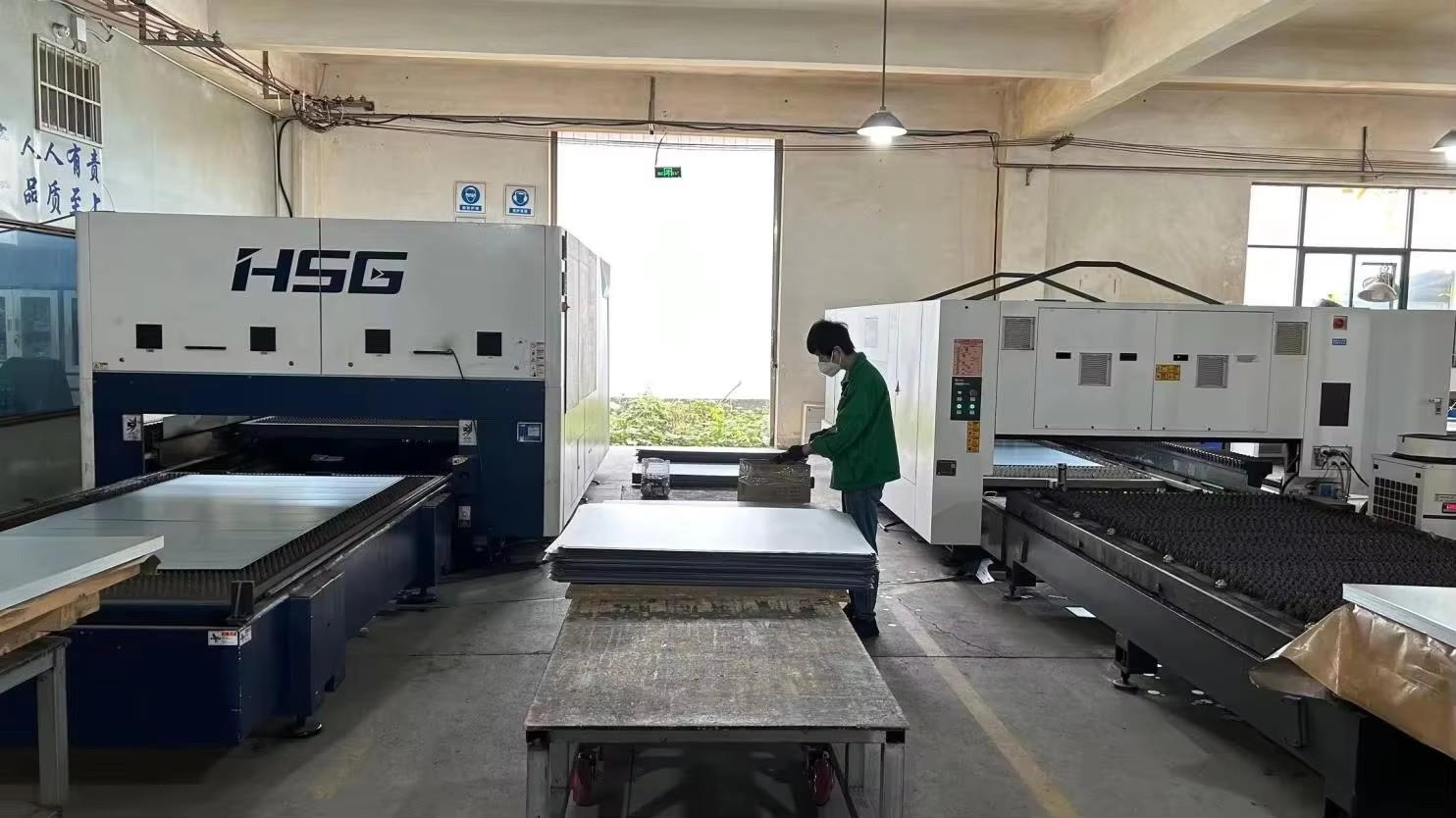
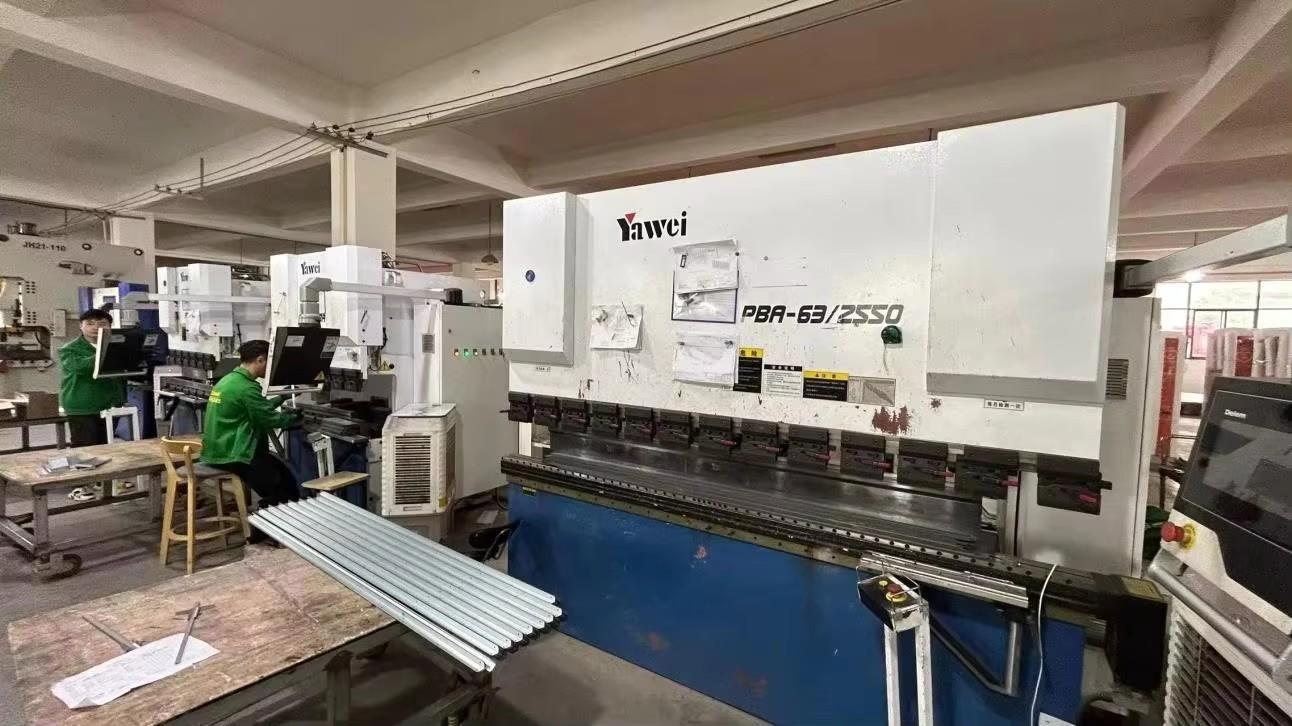
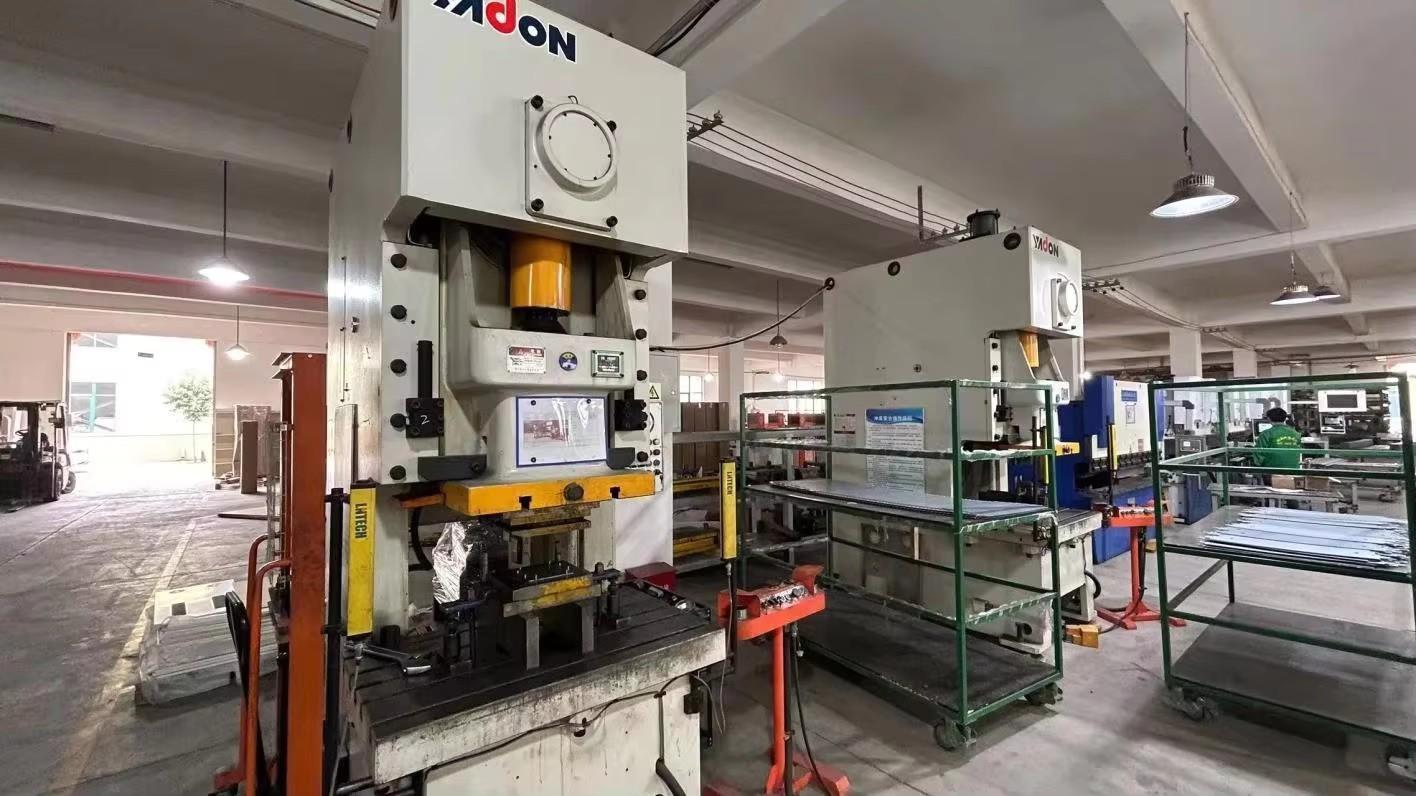
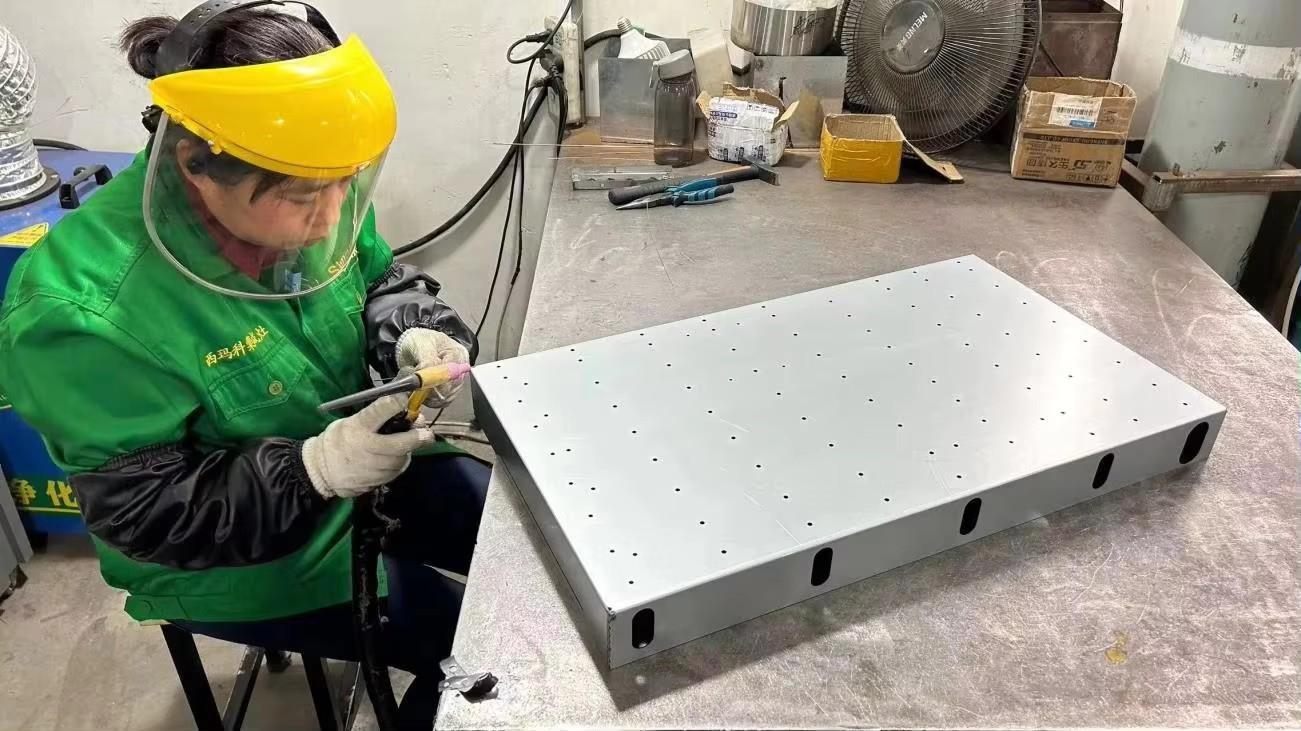
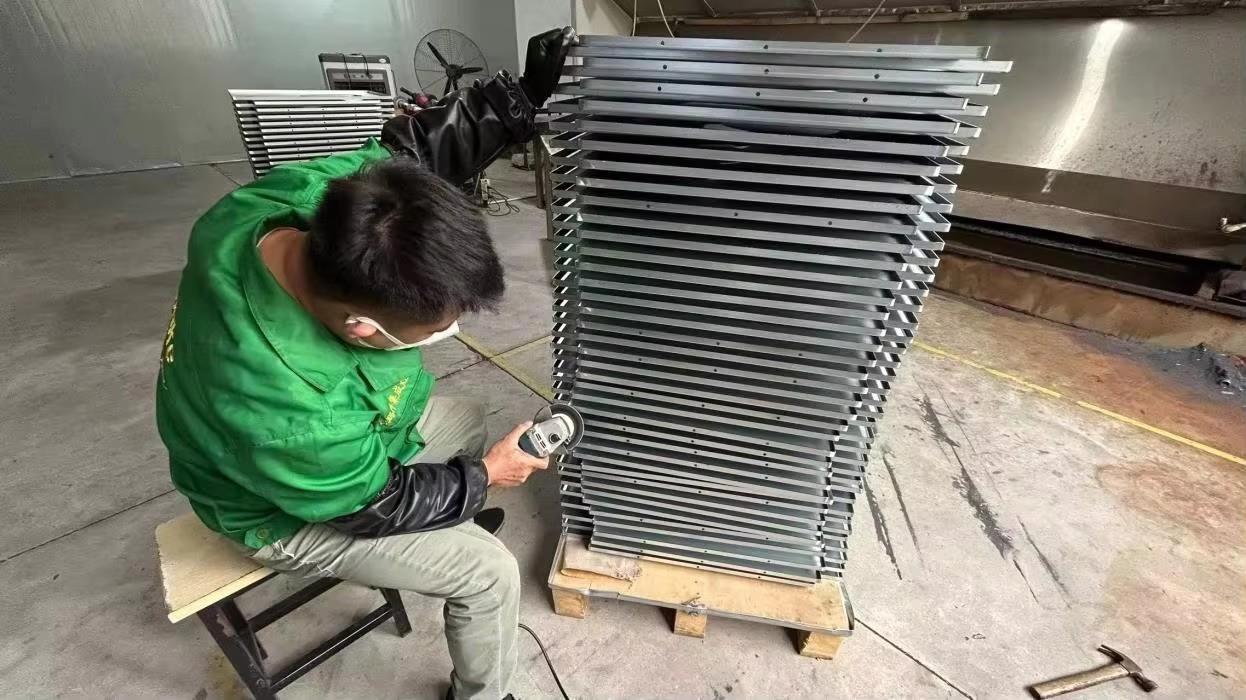
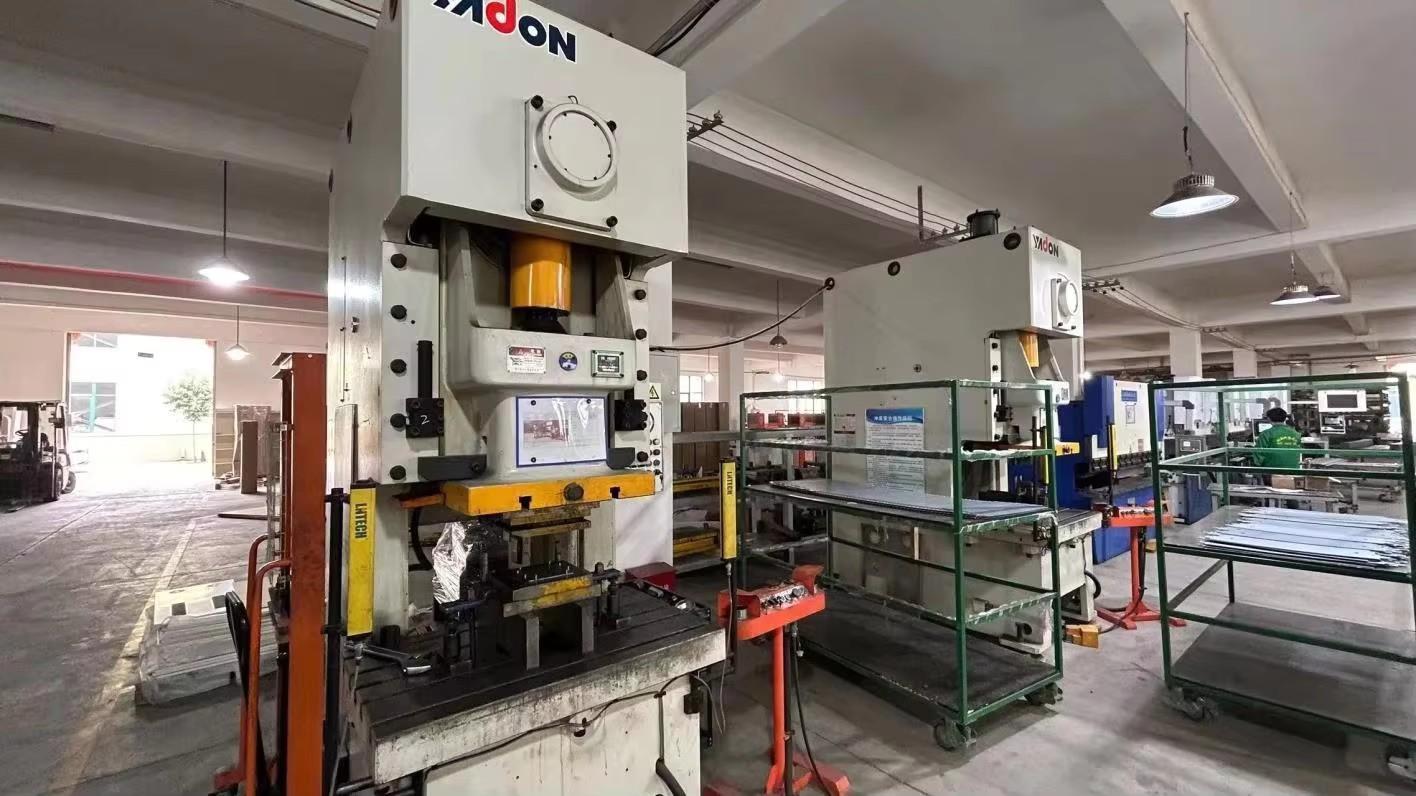
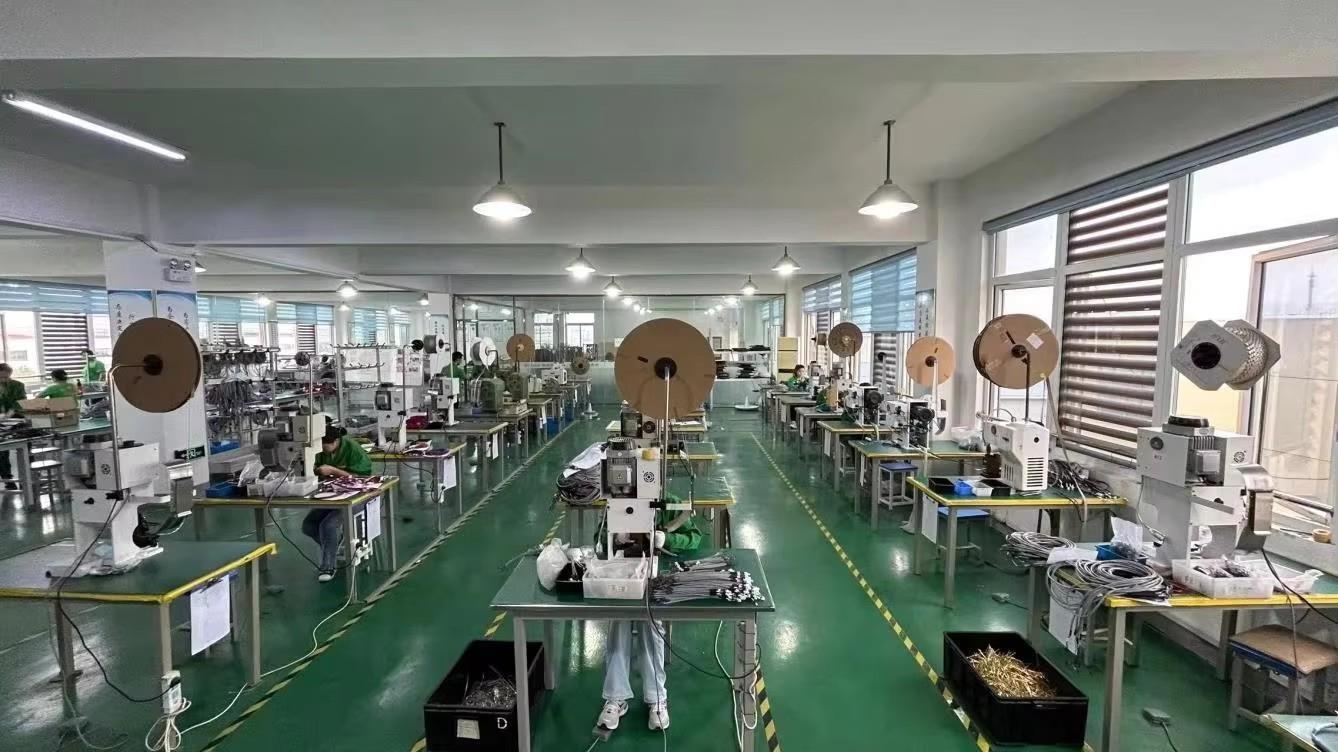
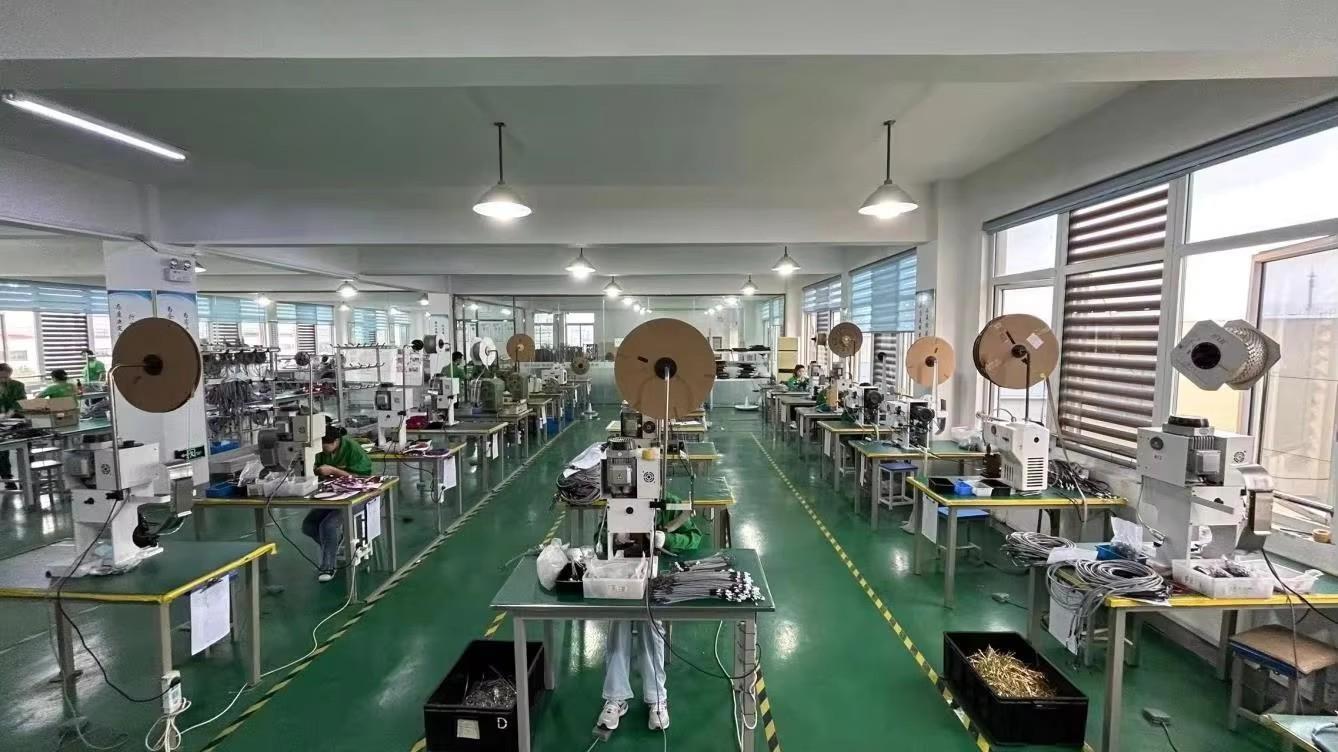
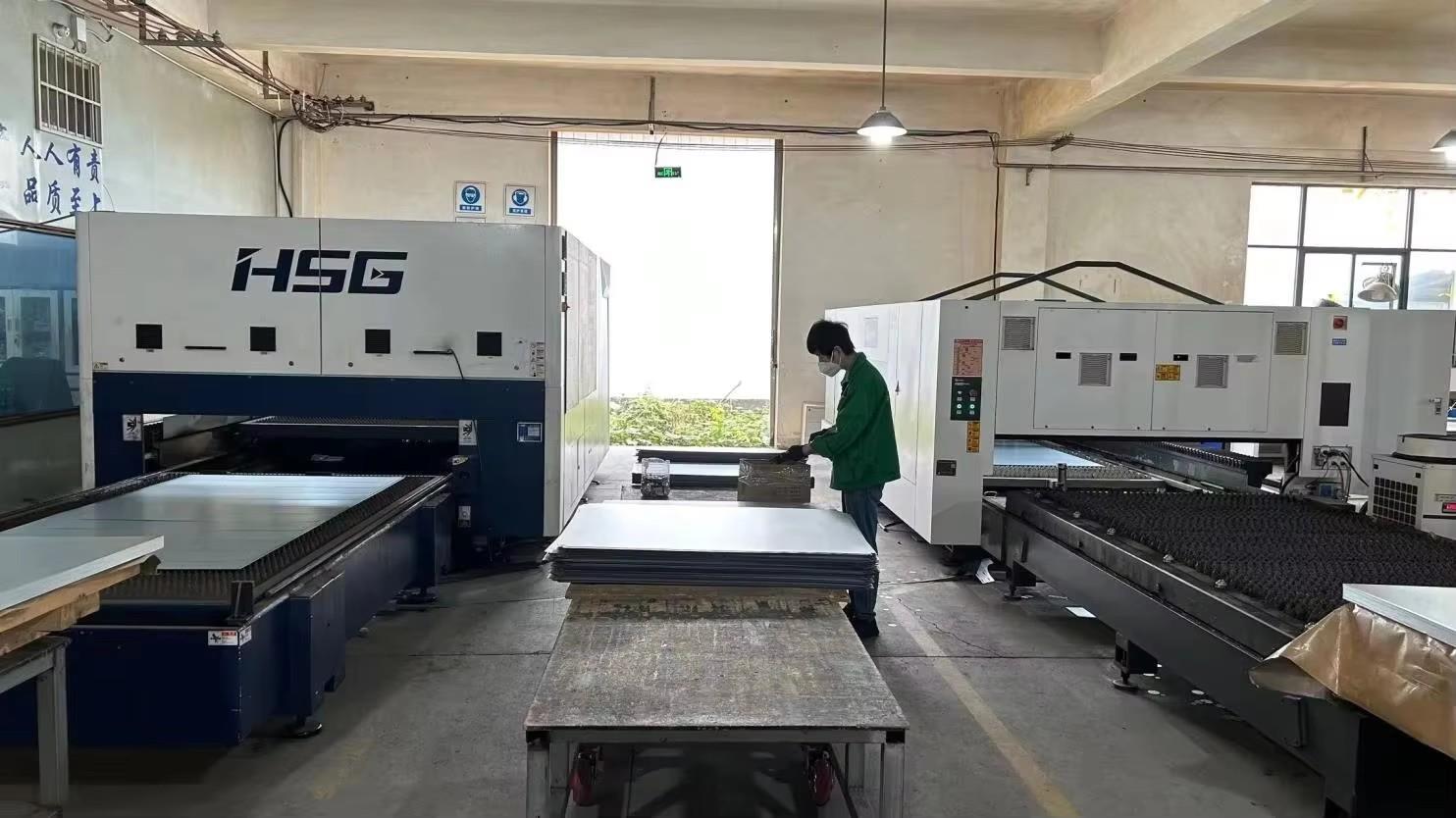
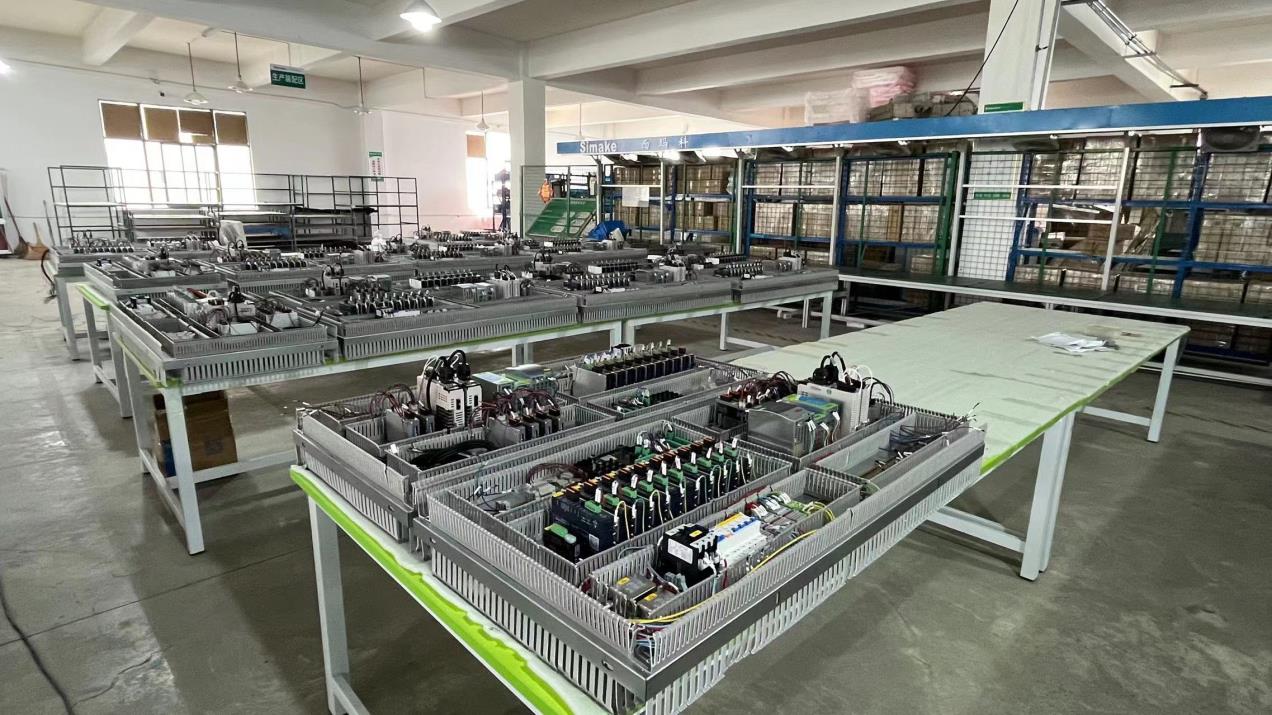
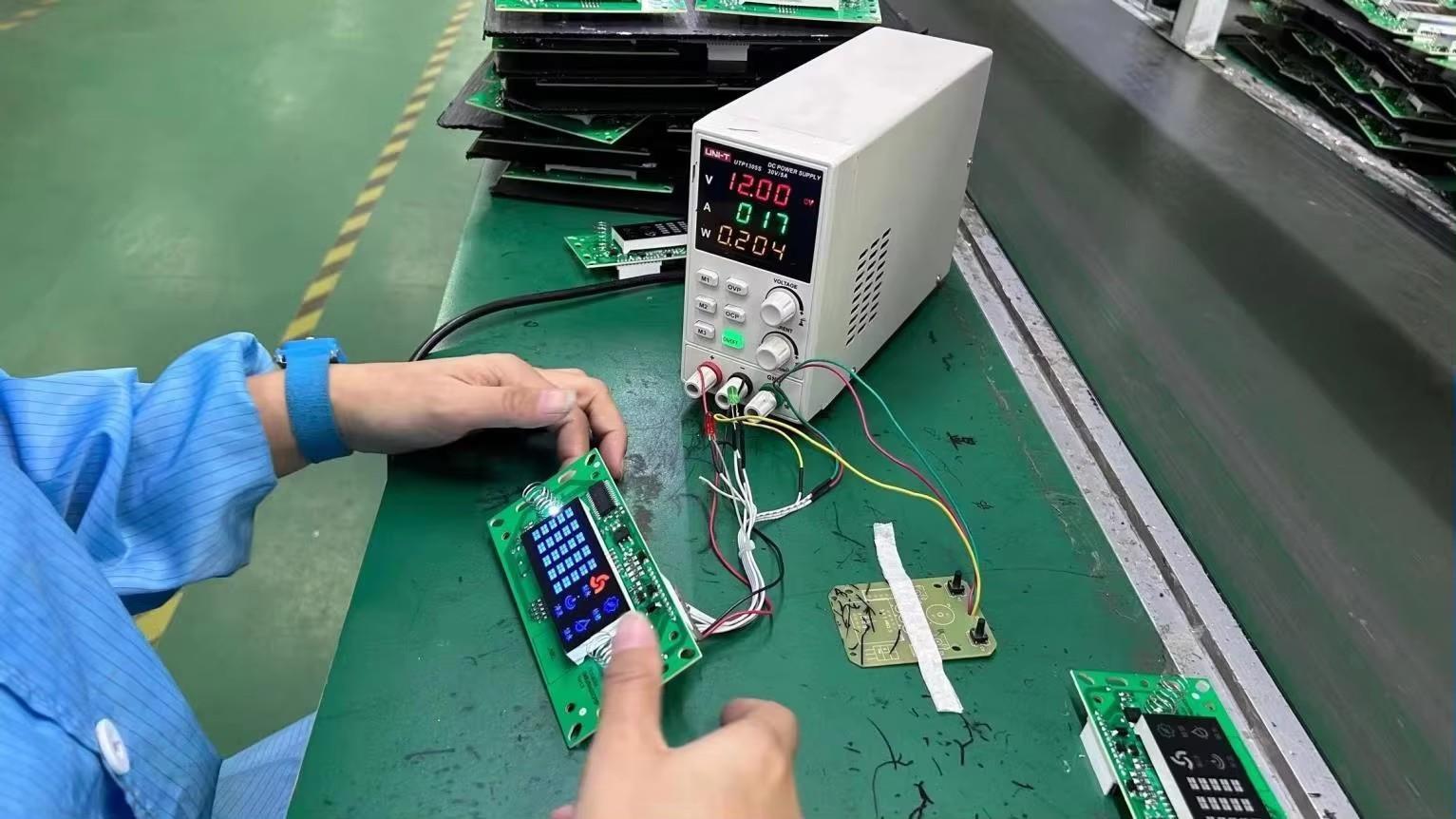
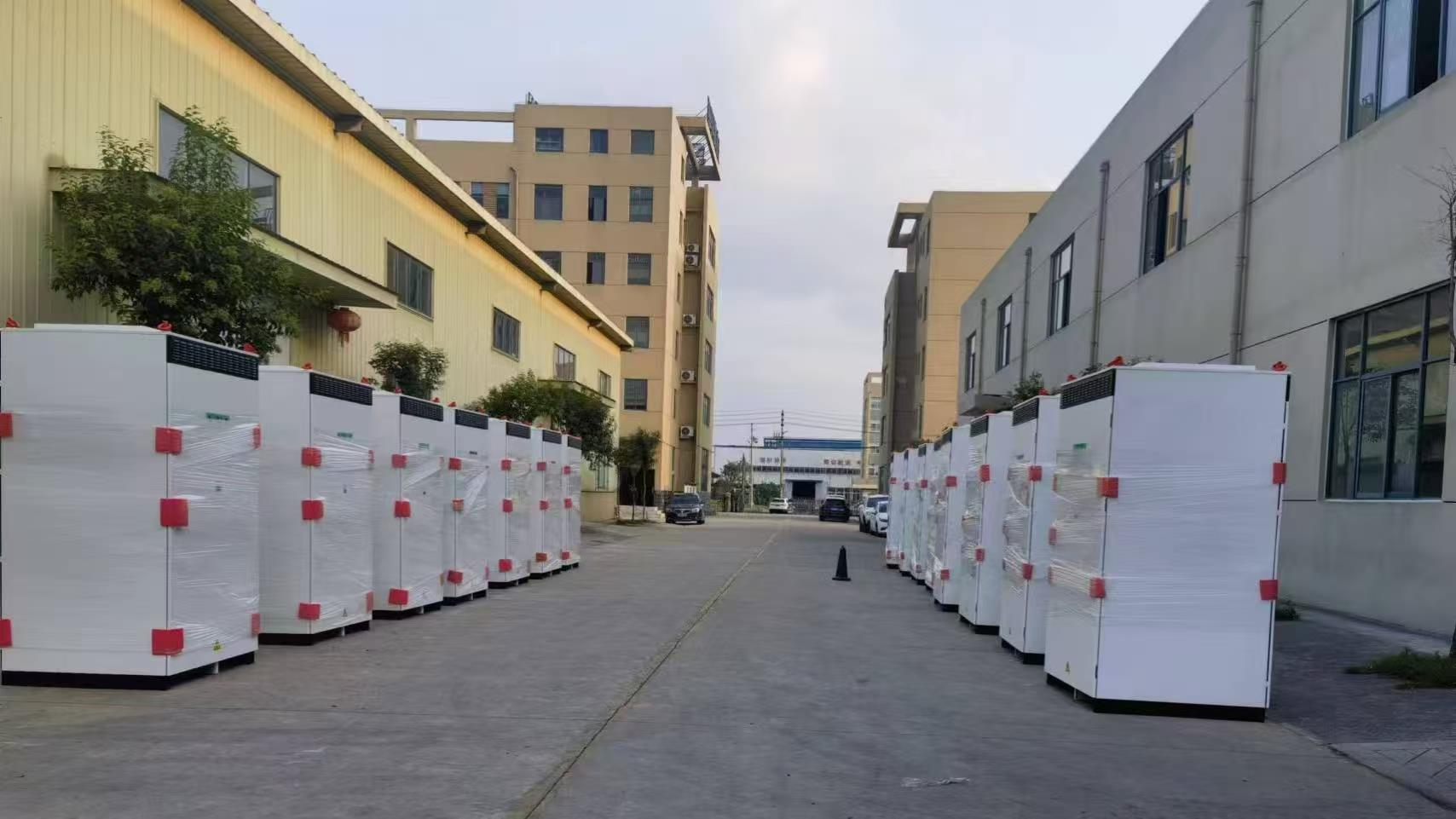
Inside Luzz Solar's advanced production line for precision-engineered LiFePO4 battery solutions
Global supply chain disruptions highlight the critical importance of vertically integrated manufacturing. A secure, certified LiFePO4 battery solution requires precision at every production stage. Luzz Solar utilizes advanced Factory 4.0 automation, integrating IoT sensors, automated optical inspections (AOI), and precise robotic welding to ensure consistency across every cell and battery module.
Our manufacturing facility manages everything from heavy structural fabrication (for containerized BESS enclosures and server-rack enclosures) to fine electronic terminations. Below is a detailed look at the core manufacturing steps that support Luzz Solar's production line:
Navigating compliance, quality verification, and international sourcing demands
For European and global engineering, procurement, and construction (EPC) companies, importing energy storage systems requires adherence to strict safety standards. The CE Mark (Conformité Européenne) is a mandatory conformity assessment showing that LiFePO4 batteries meet EU safety, health, and environmental protection requirements.
CE compliance for LFP batteries involves testing under the Low Voltage Directive (LVD) 2014/35/EU and the Electromagnetic Compatibility (EMC) Directive 2014/30/EU. Under LVD, laboratories test the battery pack's response to overcharging, forced discharging, short circuits, drop tests, and thermal abuse. The EMC tests confirm that the integrated BMS emits no disruptive electromagnetic interference and remains immune to ambient electromagnetic noise.
Deploying LiFePO4 systems across demanding operational environments
In isolated locations, such as remote agricultural areas or island communities, fuel delivery is costly and grid access is unavailable. Solar microgrids paired with high-capacity LiFePO4 racks (e.g., 300V to 512V systems) collect excess daytime solar energy to provide consistent overnight power. The long lifespan of LFP batteries helps lower maintenance requirements and operational costs in these hard-to-reach locations.
Commercial facilities often face demand charges based on peak electricity usage. High-voltage LiFePO4 battery banks (like containerized 150kWh or 1MW systems) manage peaks by discharging during peak rate periods. This reduces draw from the grid, lowering operating costs and providing backup power for critical equipment during grid outages.
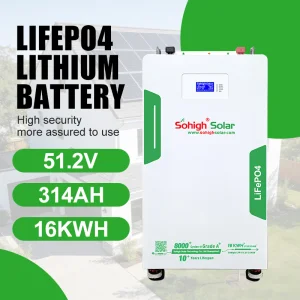
Urban telecommunication base stations require reliable backup power systems in compact formats. Wall-mounted or 19-inch rack-mounted LiFePO4 modules (such as 51.2V 100Ah or 314Ah units) deliver high energy density in compact footprints, fitting standard cabinets easily and operating reliably in warm urban utility spaces.
Clear, technical guidance from Luzz Solar's engineering division
Explore our full line of grid-tied, hybrid, and containerized industrial systems

 Luzz Solar