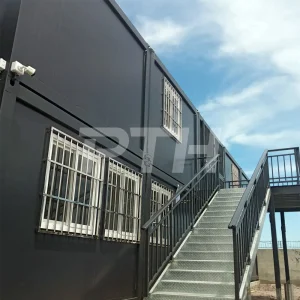
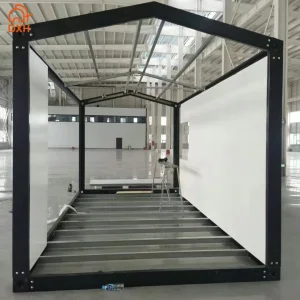
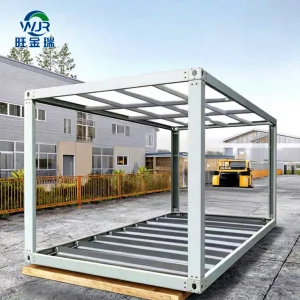
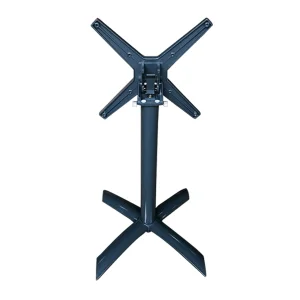
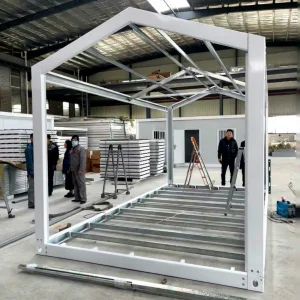
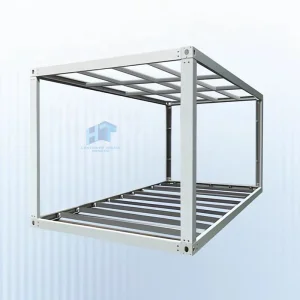
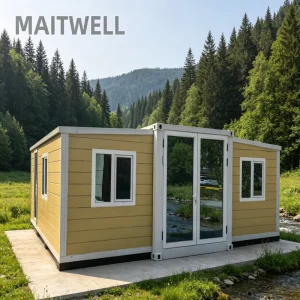
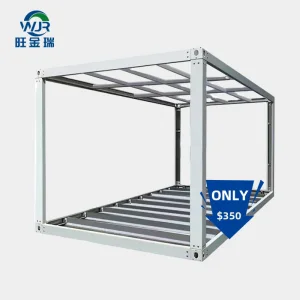
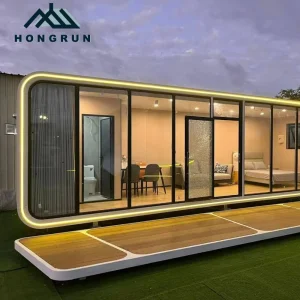
Pre-engineered structural chassis, control cabinets, and stackable frames optimized for clean energy deployments in Japanese residential subgrids.
As global energy markets transition toward decentralized, resilient systems, Japan stands as a critical vanguard. The intersection of severe geographic natural constraints, a rapidly aging physical grid infrastructure, and aggressive carbon-neutrality mandates by 2050 has catalyzed an unprecedented demand for localized energy buffers. Stackable Residential Battery Energy Storage Systems (BESS) represent the ultimate technical evolution in residential energy security.
By consolidating high-capacity lithium iron phosphate (LFP) cells within highly flexible, modular, stackable enclosures, manufacturers are addressing the core constraints of the Japanese urban home: physical space scarcity, stringent localized fire safety regulations, and the need for simple scaling. Unlike traditional, large monoblock residential storage units, stackable configurations allow Japanese homeowners, residential developers, and grid aggregators to scale storage capacity from 5 kWh to over 30 kWh without increasing the footprint of the installation base.
Japan's residential solar PV segment underwent a profound transformation following the sunsetting of the Feed-in Tariff (FIT) program for early adopters starting in late 2019 (often referred to as the "2019 Problem"). With the feed-in tariff rates dropping significantly below the retail cost of electricity, the economic incentive shifted decisively from selling excess solar generation back to the grid to maximizing "Jiko-Shohi" (self-consumption).
Furthermore, the Ministry of Economy, Trade and Industry (METI) has aggressively subsidized the deployment of Net-Zero Energy Houses (ZEH) and high-efficiency home batteries. Under Japan's national grid stabilization plans, distributed energy resources (DERs) are being clustered into Virtual Power Plants (VPPs). Using advanced communication protocols such as ECHONET Lite, aggregated stackable home battery packs act as localized ancillary control systems, injecting or absorbing power to smooth frequency fluctuations and mitigate congestion on regional transmission lines.
Maximize offset of peak retail utility rates (Jiko-Shohi) using localized smart battery scheduling.
Automatic transfer switching provides emergency backup power during seismically triggered blackouts.
Stack modules vertically to increase system capacity without consuming premium floor area.
While residential systems emphasize aesthetic integration and ultra-compact profiles, the global C&I and utility-scale BESS markets demand extreme safety, high thermal efficiency, and standardized modular building blocks. The global supply chain has consolidated around Lithium Iron Phosphate (LiFePO4 / LFP) chemistry as the industry standard due to its high thermal runaway threshold and exceptional cycle life compared to NMC chemistry.
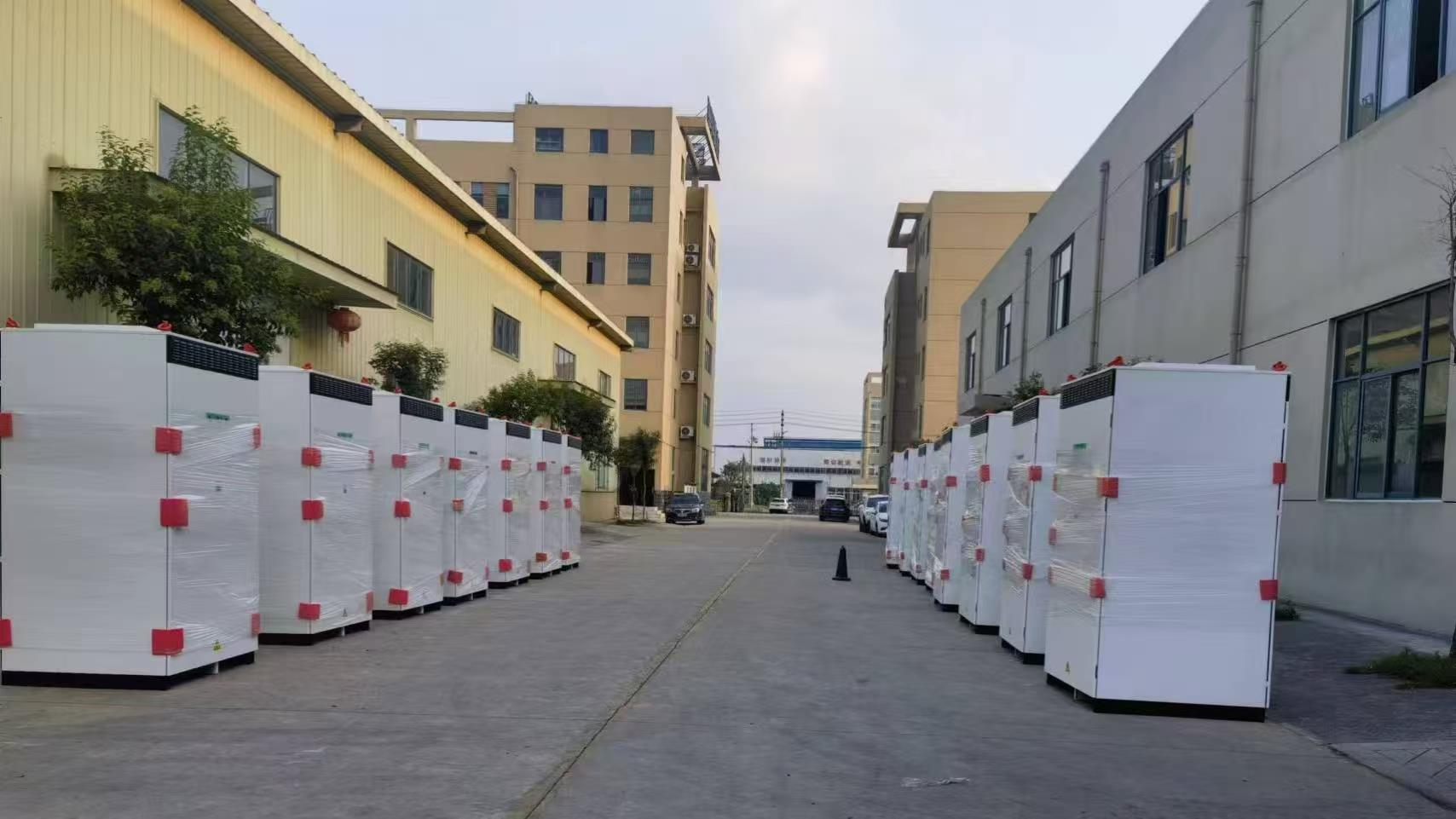
Advanced factories now utilize standardized stackable battery racks housed in robust, environmental control containers. These systems integrate liquid-cooling loops, aerosol-based fire suppression, and smart multi-tier Battery Management Systems (BMS). The transition toward modular containers and pre-packaged outdoor cabinets ensures that systems are shipped pre-tested, drastically reducing on-site commissioning costs and grid interconnectivity risks globally.
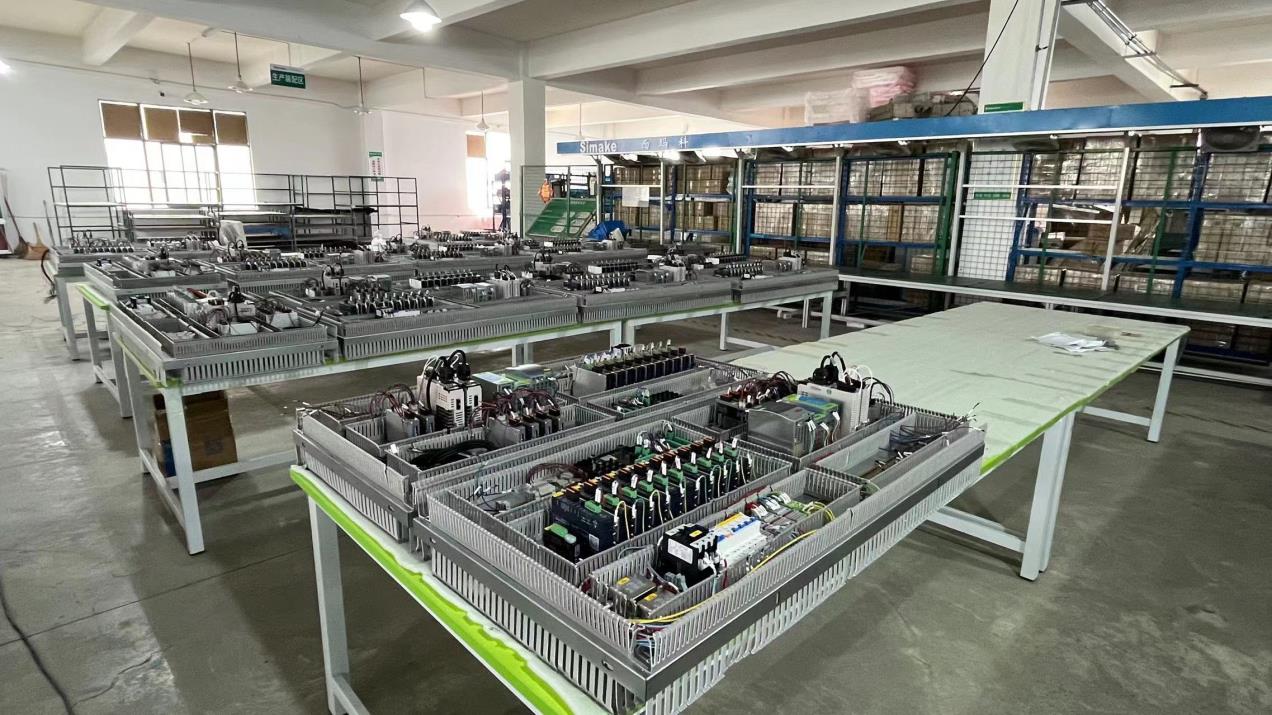
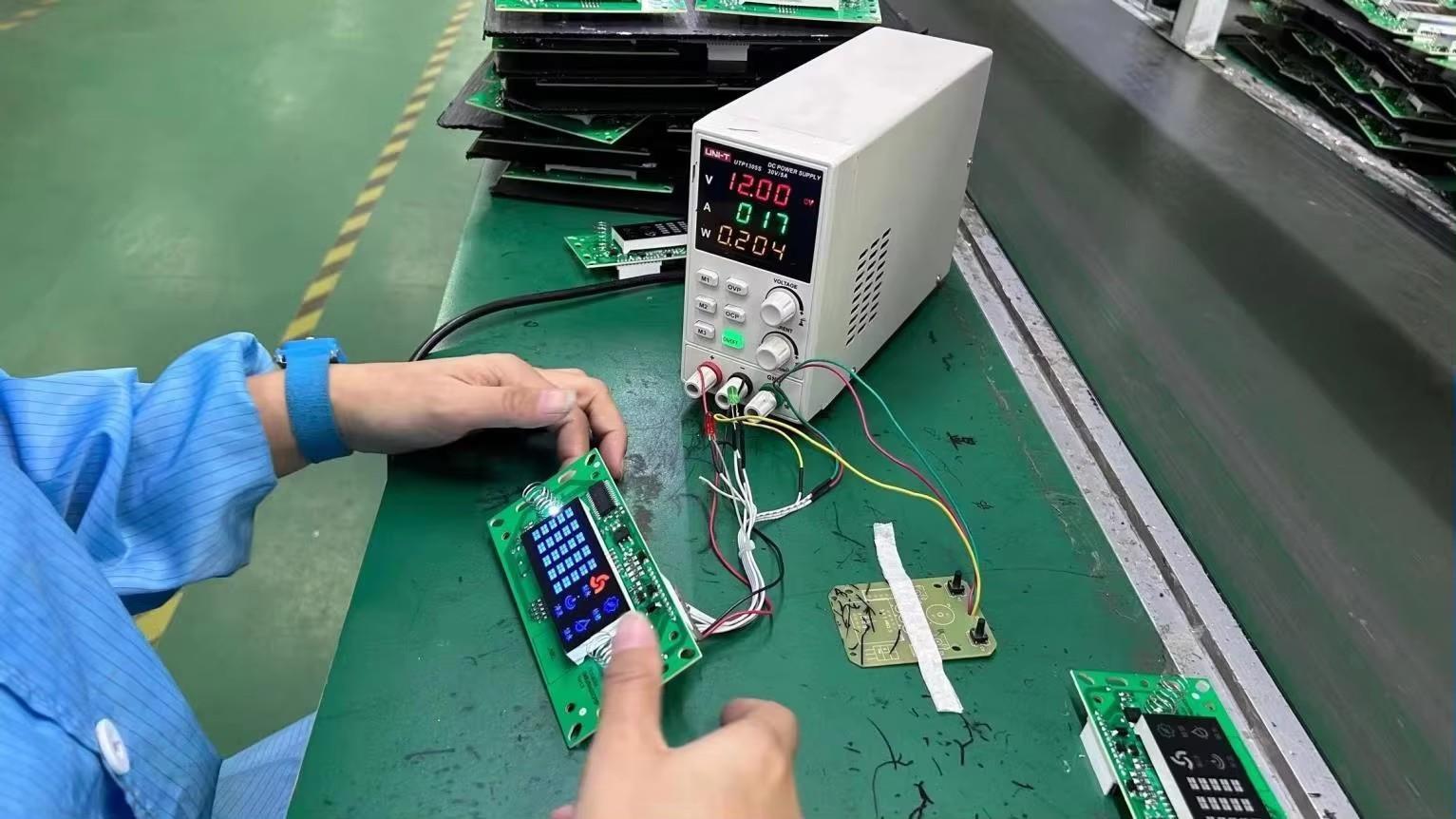
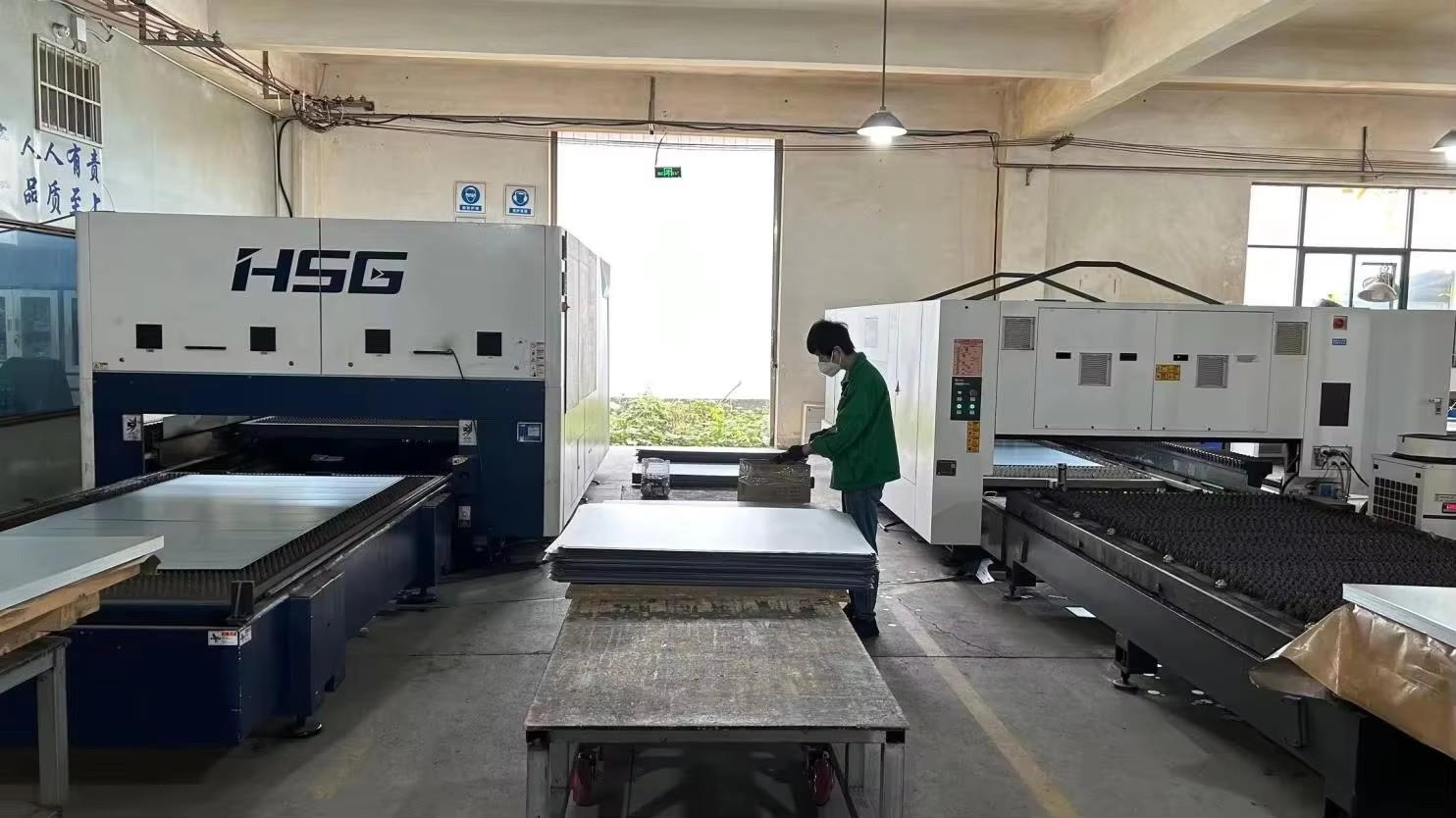
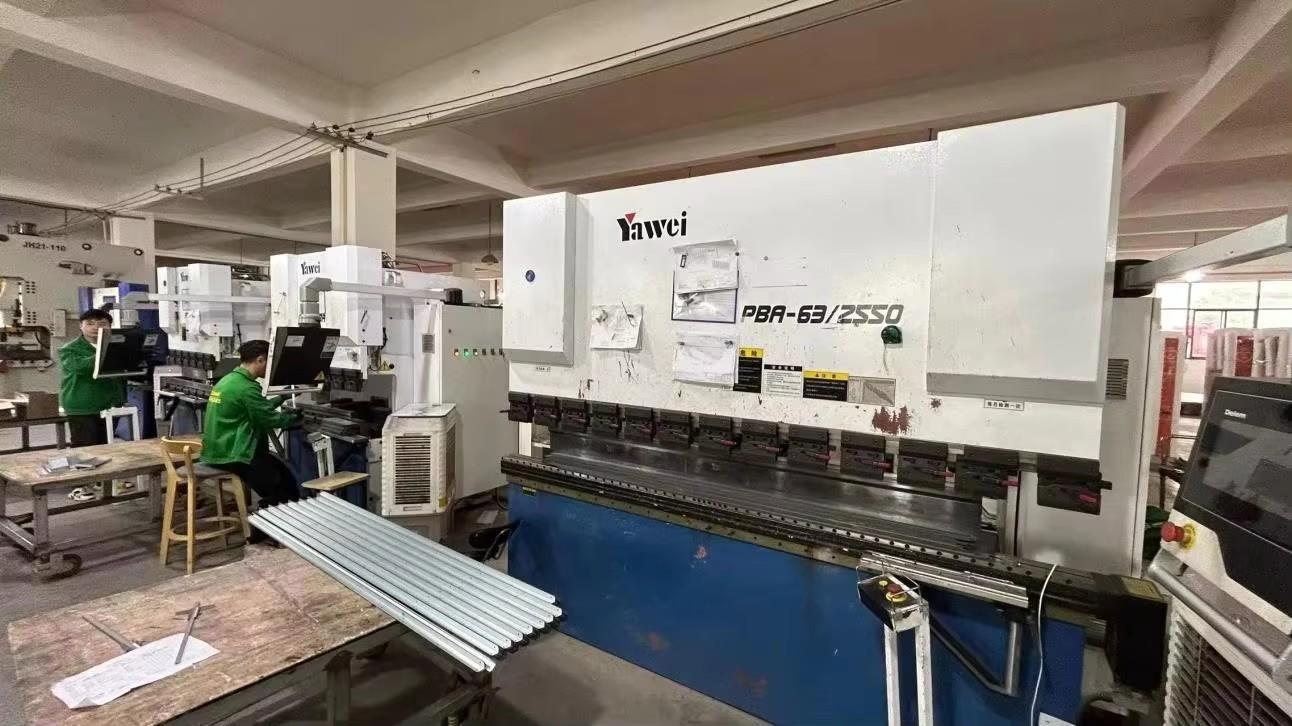
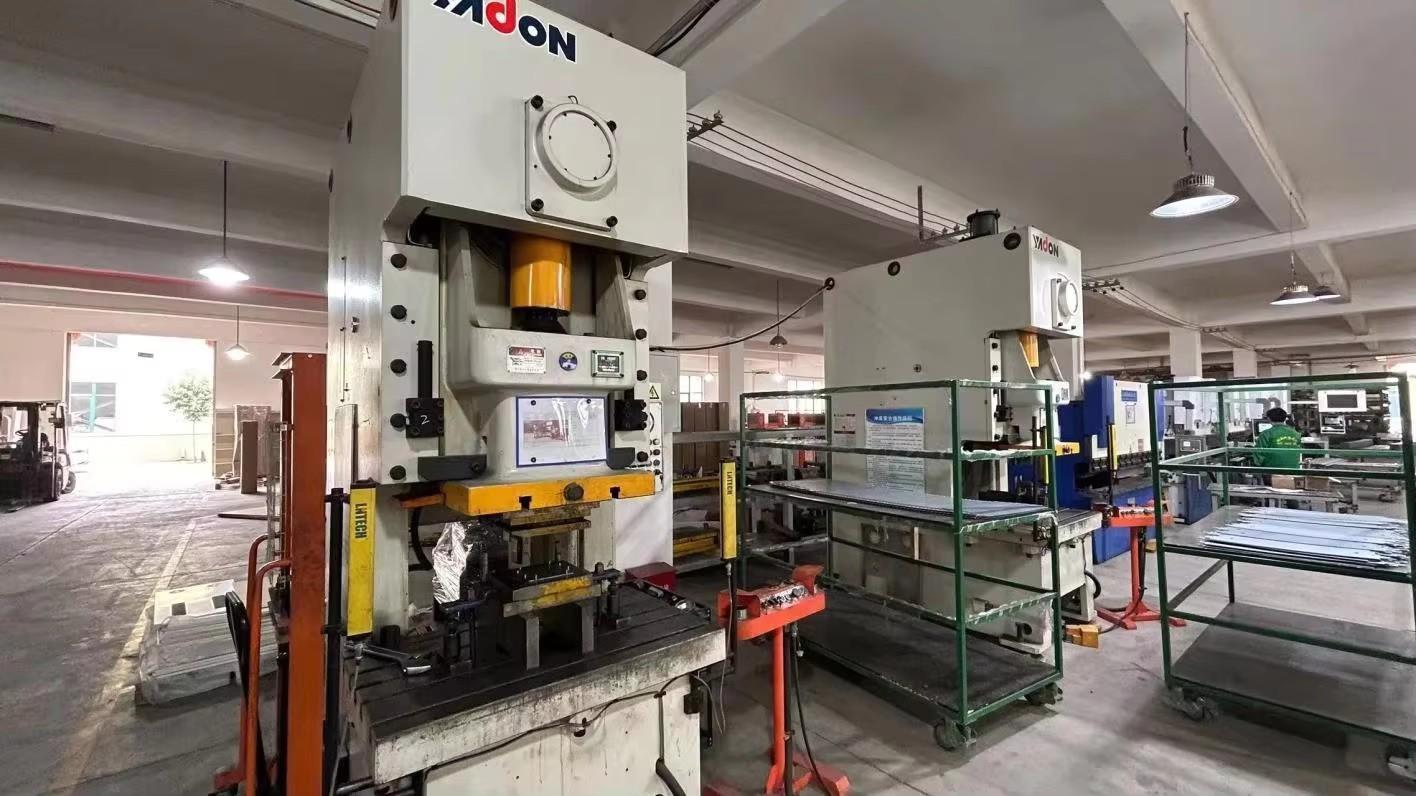
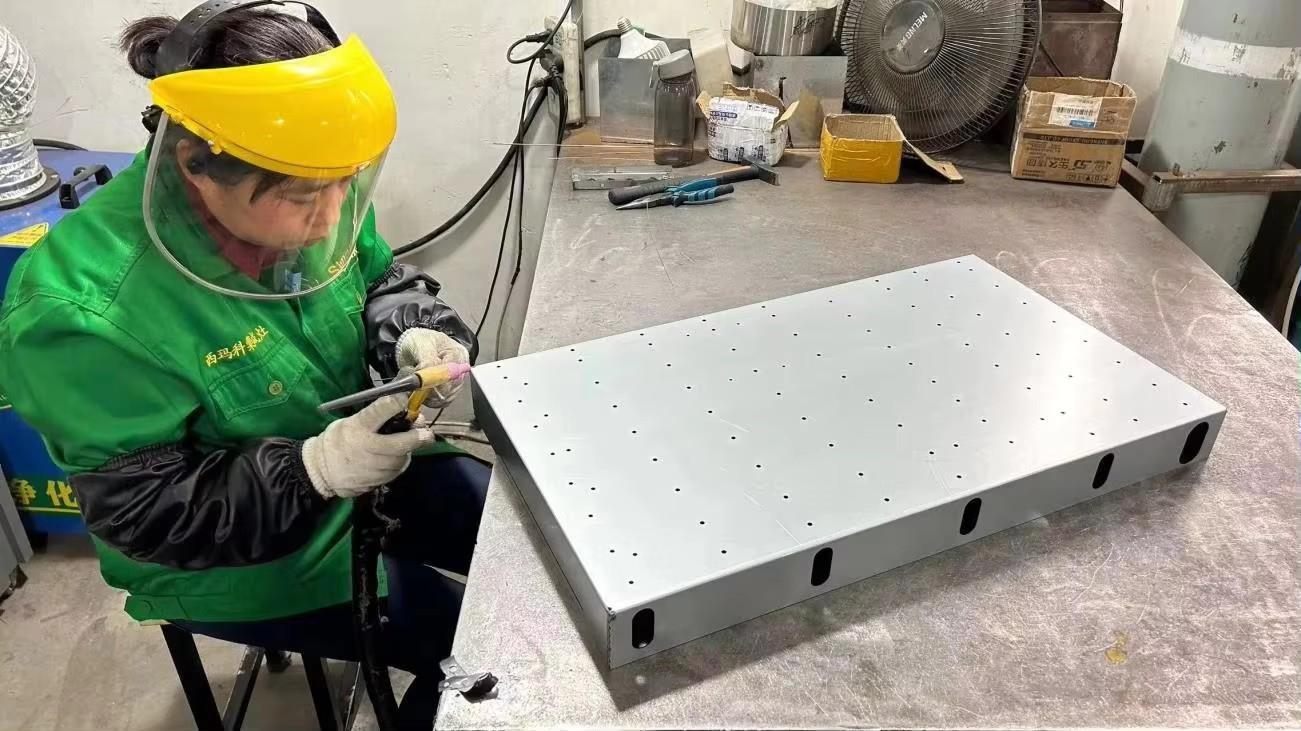
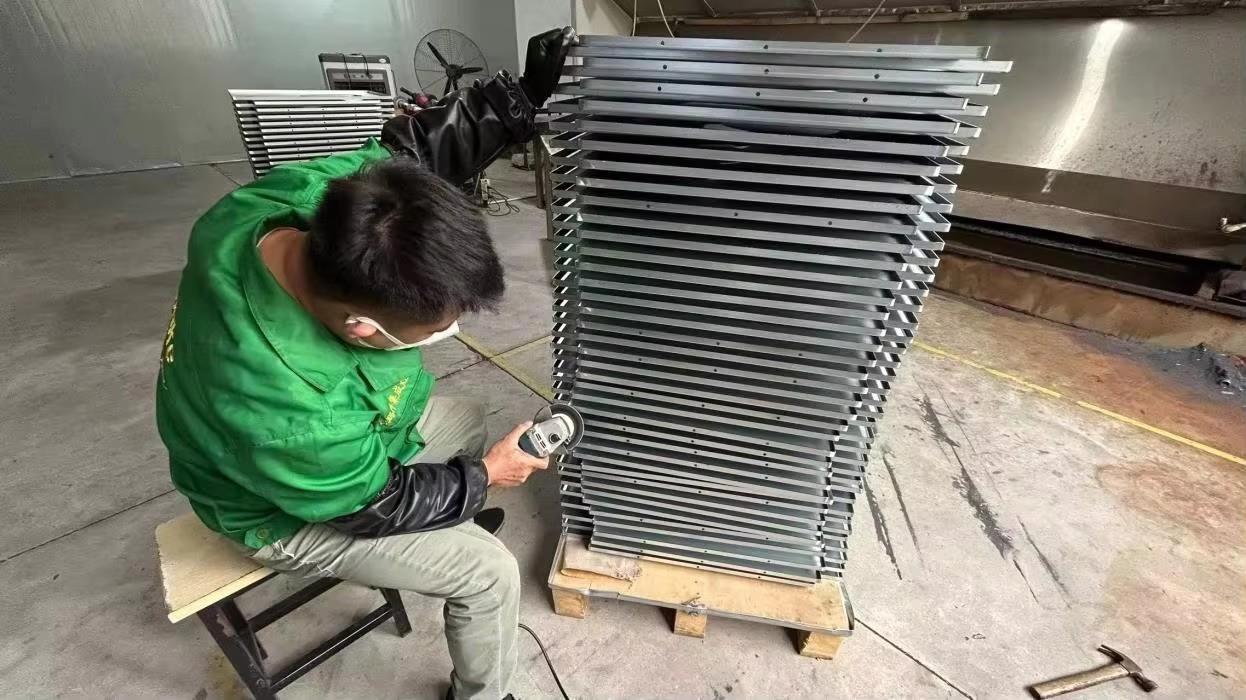
The production of stackable residential BESS systems at scale requires an intricate balance of high-capacity electrochemical cells, complex power electronics, and structural framing. China's manufacturing clusters—specifically in high-tech zones like Qingdao—provide a highly integrated supply chain that delivers unprecedented speed-to-market and cost-efficiency.
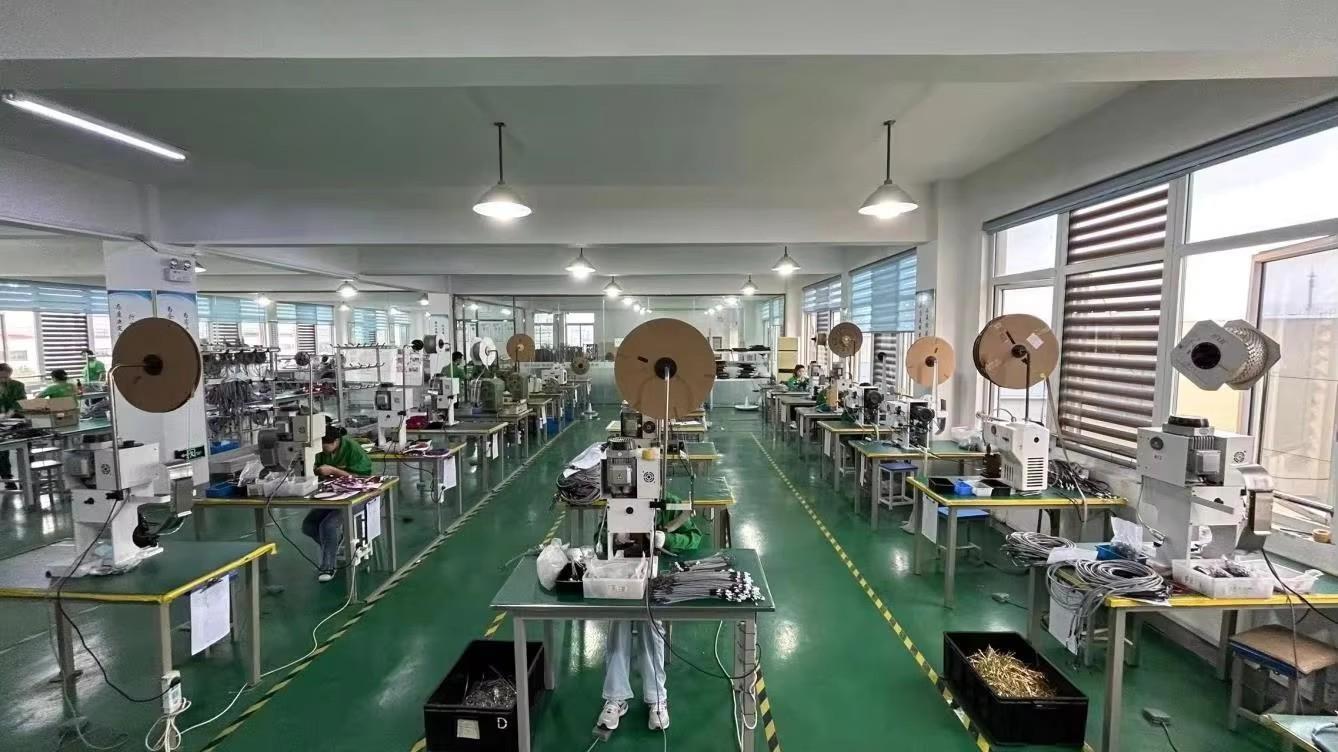
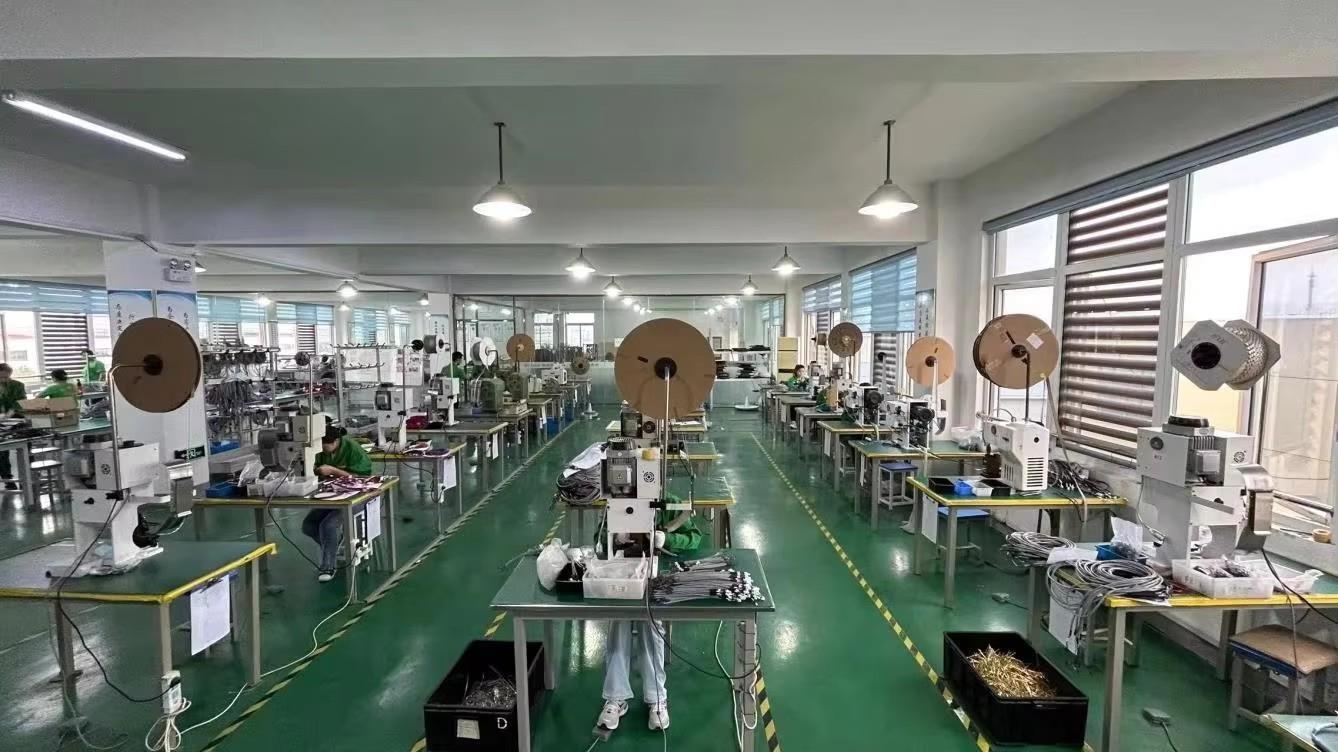
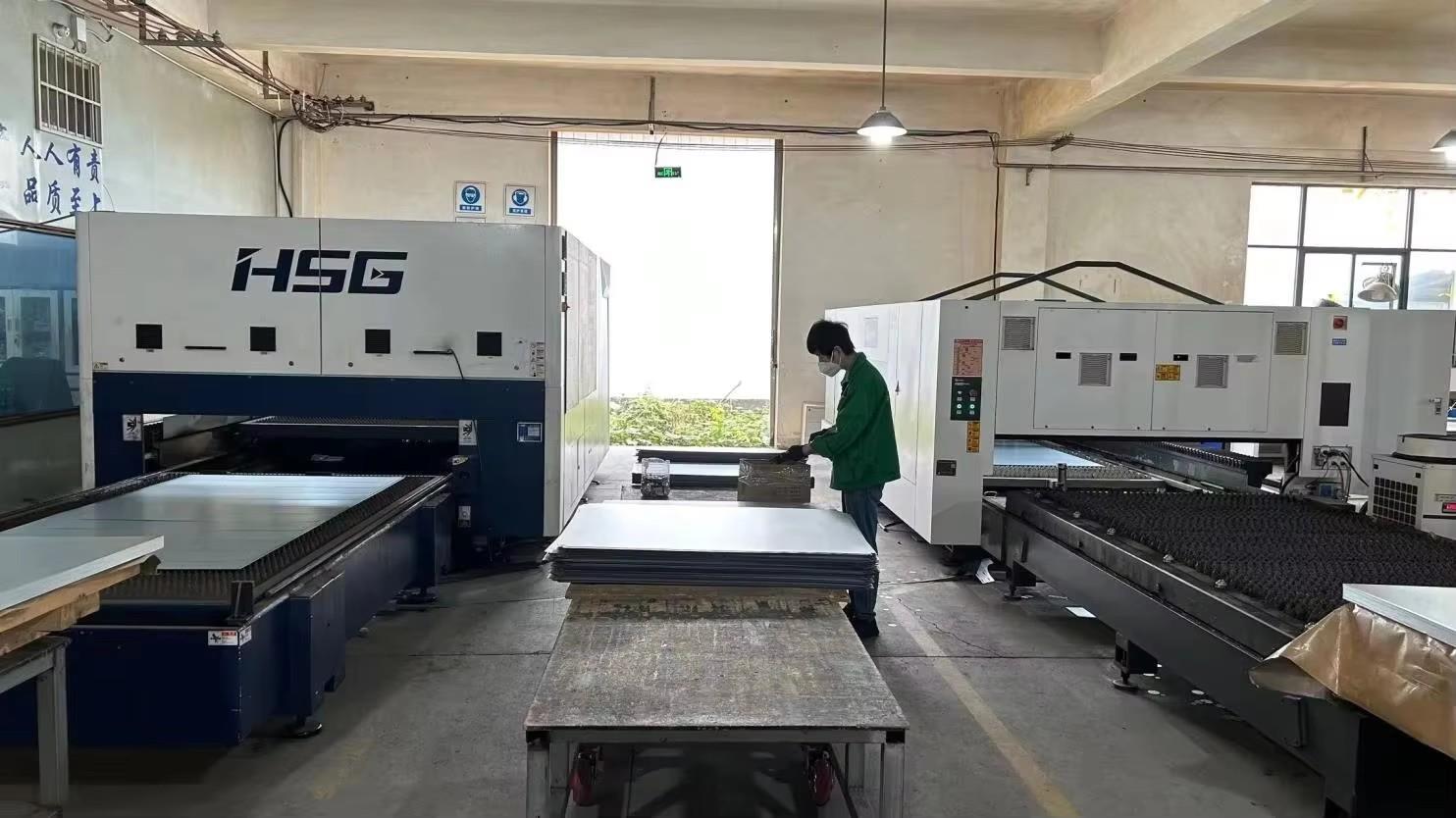
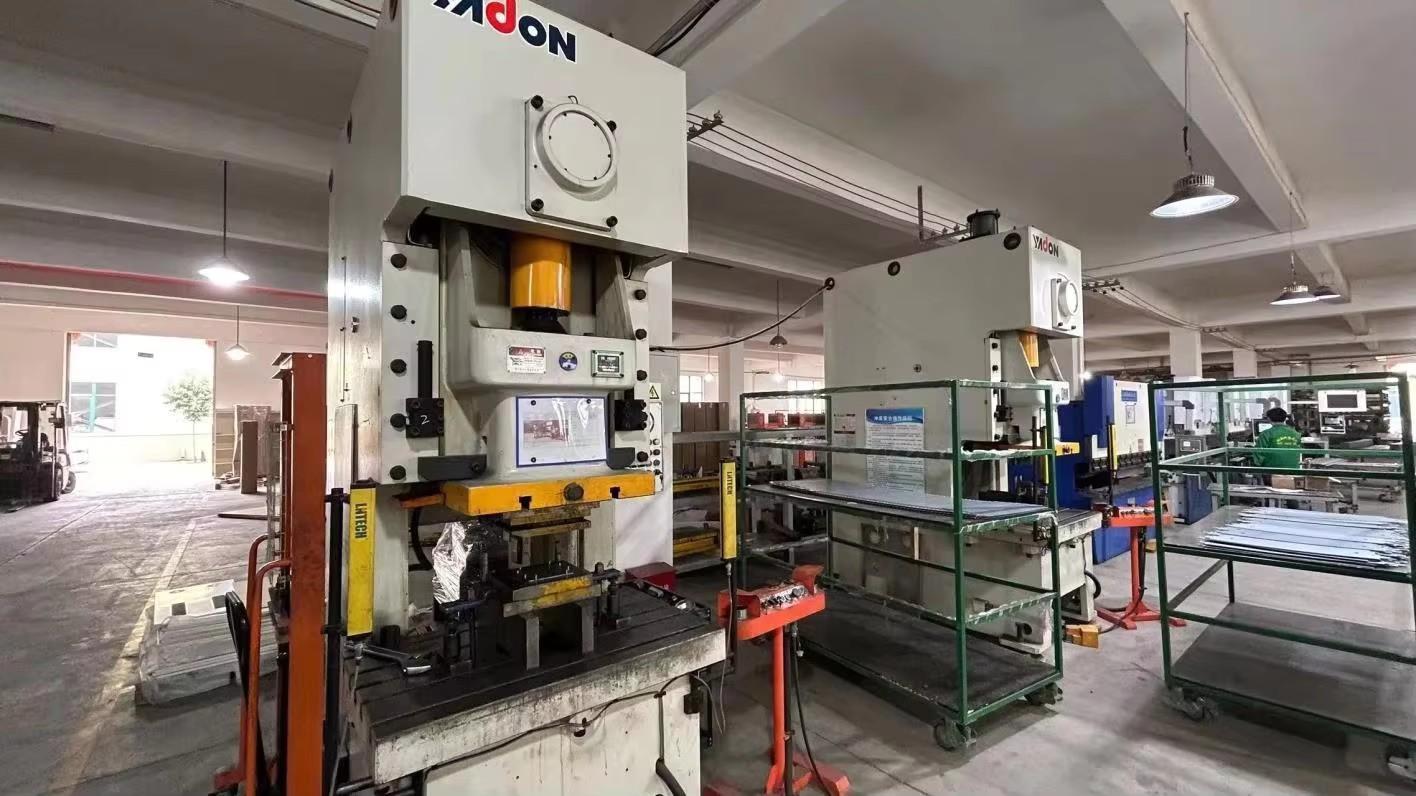
By housing cell testing, sheet metal fabrication, precision CNC stamping, automated wiring harness assembly, and quality control inside single localized ecosystems, Chinese factories minimize logistic delays. These facilities leverage advanced automated processes, including high-frequency laser welding and robotic assembly, to achieve tolerances that manual fabrication cannot duplicate. Consequently, Japanese energy brands and global importers can procure customized, certified OEM/ODM BESS assemblies at competitive unit costs while maintaining zero-defect standards.
A leading new energy enterprise specializing in high-performance photovoltaic modules, precision energy storage system cabinets, and global distribution logistics.
Qingdao Luzz Solar Co., Ltd. is a professional new energy enterprise specializing in the development, manufacturing, and global distribution of photovoltaic (PV) products and integrated energy storage solutions. Located in Qingdao, China, the company benefits from a well-established renewable energy industrial base and advanced manufacturing capabilities.
With the accelerating global transition toward carbon neutrality and sustainable development, Luzz Solar is committed to providing efficient, reliable, and cost-effective clean energy solutions to customers worldwide. Our product portfolio includes high-efficiency solar photovoltaic modules, energy storage systems, and integrated solar application solutions designed for residential, commercial, and utility-scale projects.
Driven by technological innovation and quality excellence, the company continuously invests in R&D and production optimization to improve product performance, energy conversion efficiency, and system reliability. We strictly adhere to international quality standards and implement rigorous quality control throughout the entire production process to ensure stable and long-term product performance.
Qingdao Luzz Solar actively expands its global market presence, with business coverage across Asia, Europe, the Middle East, Africa, and Latin America. By working closely with international partners, we are committed to delivering tailored energy solutions that meet diverse regional needs and support the global energy transition.
Guided by the core values of integrity, innovation, cooperation, and sustainability, Luzz Solar strives to become a trusted global partner in the new energy industry. We are dedicated to advancing solar technology and contributing to a greener, more sustainable future.
To achieve high market penetration in Japan, BESS systems must navigate rigorous regulatory pathways. Systems must meet all elements of JIS C 8715-2 (Safety requirements for industrial lithium secondary cells and batteries) and secure certifications under the Japan Electrical Safety & Environment Technology Laboratories (JET) framework. Additionally, electrical interfaces must adhere strictly to JEM 1498 guidelines to ensure seamless communication with hybrid PCS (Power Conditioning Systems) and domestic Home Energy Management Systems (HEMS).
Comprehensive technical answers to critical sourcing, compliance, and design queries for Japanese energy storage projects.
Optimize your project supply chain. Request a comprehensive quote for custom modular enclosures, stackable battery frames, and control housing units built to Japanese grid specifications.
Send Inquiry NowExplore our full range of prefabricated steel frames, high-strength structural enclosures, and specialized storage components engineered for global infrastructure demands.
 Luzz Solar