Cold-climate energy storage engineering, factory-direct manufacturing, and localized procurement for Siberian commercial and industrial projects.
Commercial and industrial energy storage in Novosibirsk is entering a procurement phase in which buyers evaluate the supplier’s ability to support a bankable asset—not only battery capacity. The four product links below are retained from the original portfolio and are shown first. They represent practical categories that matter when a BESS factory, EPC contractor, industrial park, or logistics operator builds or upgrades a project in Siberia: facility and food-service equipment, raised access floor structures, production-line mold bases, and industrial steel pedestals.
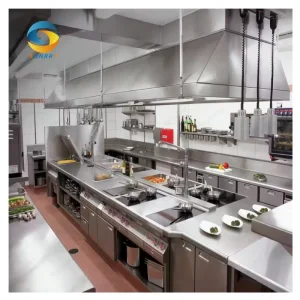
Suitable for project canteens, control-room facilities, EPC site camps, and commercial support buildings.
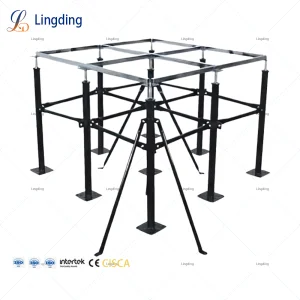
Useful for control rooms, data rooms, electrical rooms, and modular facility expansions.
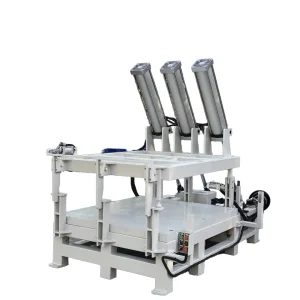
For factory automation, production-line foundations, and industrial machinery infrastructure.
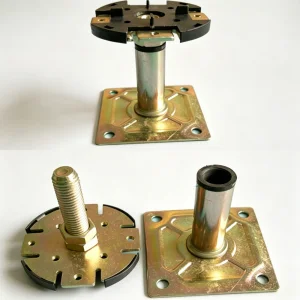
Durable support for technical rooms, offices, and prefabricated industrial buildings.
Novosibirsk is not a generic Russian market. It is Siberia’s largest urban economy and a centre for science, machinery, metallurgy, food processing, logistics, education, and service industries. Industrial parks, cold-chain warehouses, data-dependent service firms, manufacturing sites, and district energy infrastructure face a common set of energy realities: long winters, high winter peak demand, long transmission distances, and an operational requirement for continuity. For commercial and industrial users, a BESS is no longer only an emergency backup asset. It is a controllable load, a power-quality tool, a diesel-reduction platform, and an enabler of solar self-consumption.
The business case in Novosibirsk typically emerges from several overlapping pressures. First, winter peak demand can create expensive capacity obligations and strain local distribution assets. Second, industrial processes and logistics operations increasingly depend on uninterruptible power for controls, refrigeration, telecom, and data systems. Third, remote or semi-remote operations in the wider Novosibirsk Oblast still rely on diesel generation where fuel logistics are expensive. Fourth, solar, wind, and electrified heating are becoming more relevant to decarbonization strategies, but their variability requires storage. A commercial and industrial BESS supplier in Novosibirsk must therefore combine product supply with engineering, compliance, and lifecycle service.
For global buyers, the phrase “BESS factories and supplier in Novosibirsk” represents a procurement chain rather than a single warehouse. Battery modules, power conversion systems, EMS controllers, thermal management, fire safety, switchgear, structural steel, and spare parts may originate from different industrial ecosystems. The supplier’s role is to integrate these elements into a documented, testable, and financeable system. Qingdao Luzz Solar Co., Ltd., as a new energy enterprise with photovoltaic and integrated energy storage capabilities, fits this supplier position by combining product manufacturing, export experience, and an industrial-component portfolio that supports balance-of-plant works.
Demand is not driven by one tariff or one technology. It is driven by a portfolio of value streams that must be modeled for each site. A well-designed commercial and industrial BESS can stack several services, provided that the battery, PCS, EMS, thermal system, and grid interface are selected for the local operating envelope.
Batteries reduce peak imports and support critical loads during winter constraints, but cold-start behavior, condensation control, and SoC management must be engineered from the beginning.
Peak shaving and load shifting can lower capacity-related costs while improving power quality for machinery, refrigeration, and data systems.
Hybrid BESS-plus-diesel or BESS-plus-renewable systems reduce fuel logistics costs and emissions for remote industrial and logistics sites.
Storage increases the useful share of solar generation and smooths intermittent output, supporting decarbonization targets for commercial users.
Controls, automation, cold rooms, and production lines require ride-through capability and clean transition to backup power.
Edge data centres, telecom sites, and digital service operations need compact, monitored storage with remote diagnostics.
New electrical loads can exceed existing service capacity; a BESS can buffer charging and heating peaks without immediate grid upgrades.
Advanced inverters can provide voltage and frequency support, harmonic control, and island-mode capability for resilient industrial microgrids.
A Siberian BESS should be designed as an integrated thermal, electrical, digital, and safety system. The most bankable roadmap starts with measurement, moves through winter pilot validation, then scales into a multi-asset energy platform. The phases below are generic procurement phases that can be adapted to Novosibirsk industrial parks, factories, logistics hubs, and critical facilities.
At the equipment level, lithium iron phosphate (LFP) chemistry is often preferred for stationary commercial and industrial storage because of its cycle life and thermal stability profile. However, chemistry alone is not enough. Cold-climate systems require liquid cooling or carefully designed air cooling, integrated heating, insulation, anti-condensation management, wide-temperature BMS logic, and accurate state-of-charge estimation at low temperatures. The enclosure should account for snow load, ice, wind, and maintenance access in winter. Fire detection and suppression, emergency ventilation, arc-flash protection, and rapid shutdown must be coordinated with local fire and electrical requirements. The EMS should support peak shaving, time-of-use optimization, backup reserve, PV integration, diesel coordination, and remote diagnostics through a secure communications gateway.
Establish the factual baseline before sizing.
Test a 100–500 kWh system through cold-season operation.
Expand into a 1–10 MWh industrial asset or multi-site cluster.
Prepare assets for future market and resilience services.
Commercial and industrial storage is not a single product category. It is a platform adapted to the load profile, risk profile, and regulatory context of the end user. The solution architecture should be modular enough to fit different sites while documented enough for EPC review, permitting, and lifecycle operation.
Peak shaving, power quality, backup for automated lines, and resilience against grid constraints.
Hybrid microgrids, diesel reduction, load smoothing, and support for remote operations with harsh winters.
Demand management, electrification support, and backup power for pumping, controls, and critical infrastructure.
Refrigeration continuity, peak control, and backup power for warehouses and cold-chain operations.
Bridging power, UPS support, and monitored storage for digital infrastructure and edge sites.
Power reliability for processing lines, cold rooms, and seasonal peak loads in the Novosibirsk Oblast.
Buffering high-power charging, reducing demand spikes, and enabling phased electrical upgrades.
Hospitals, schools, laboratories, and administrative buildings that need resilient, low-emission backup power.
Compliance is a project discipline, not a single certificate. For a BESS project in Novosibirsk, the supplier should provide a structured technical file that supports the local designer, installer, fire authority, electrical inspector, and customs broker. Final compliance must always be confirmed by qualified local specialists, but a factory can reduce risk by supplying traceable documentation, test records, and conservative engineering assumptions.
Support for customs-union conformity documentation, technical files, and translation where required for the project scope.
Single-line diagrams, protection coordination inputs, PCS specifications, metering points, and grid-code review data.
Battery safety data, suppression strategy, detection interfaces, ventilation requirements, and emergency response information.
UN38.3 documentation, dangerous-goods packaging guidance, rail or road planning, and delivery coordination to Novosibirsk.
Cold-start procedures, insulation checks, condensation controls, snow-load review, and winter O&M checklists.
Recommended spare-parts kits, replacement modules, maintenance training, and remote diagnostics support planning.
Performance-backed warranty terms, service-level options, maintenance schedules, and degradation-curve documentation.
Secure communications, role-based access, data-retention planning, and integration with the owner’s monitoring environment.
The supplier’s manufacturing base in Qingdao, China, sits inside a mature renewable-energy and industrial-component ecosystem. For Novosibirsk buyers, the advantage is not merely cost. It is the ability to combine solar, storage, structural steel, electrical assemblies, and factory-fabricated components through a coordinated supply chain with documented quality gates. In a BESS project, a small delay in a battery rack, a switchgear enclosure, or a steel base can delay commissioning. Factory 4.0 discipline reduces that risk.
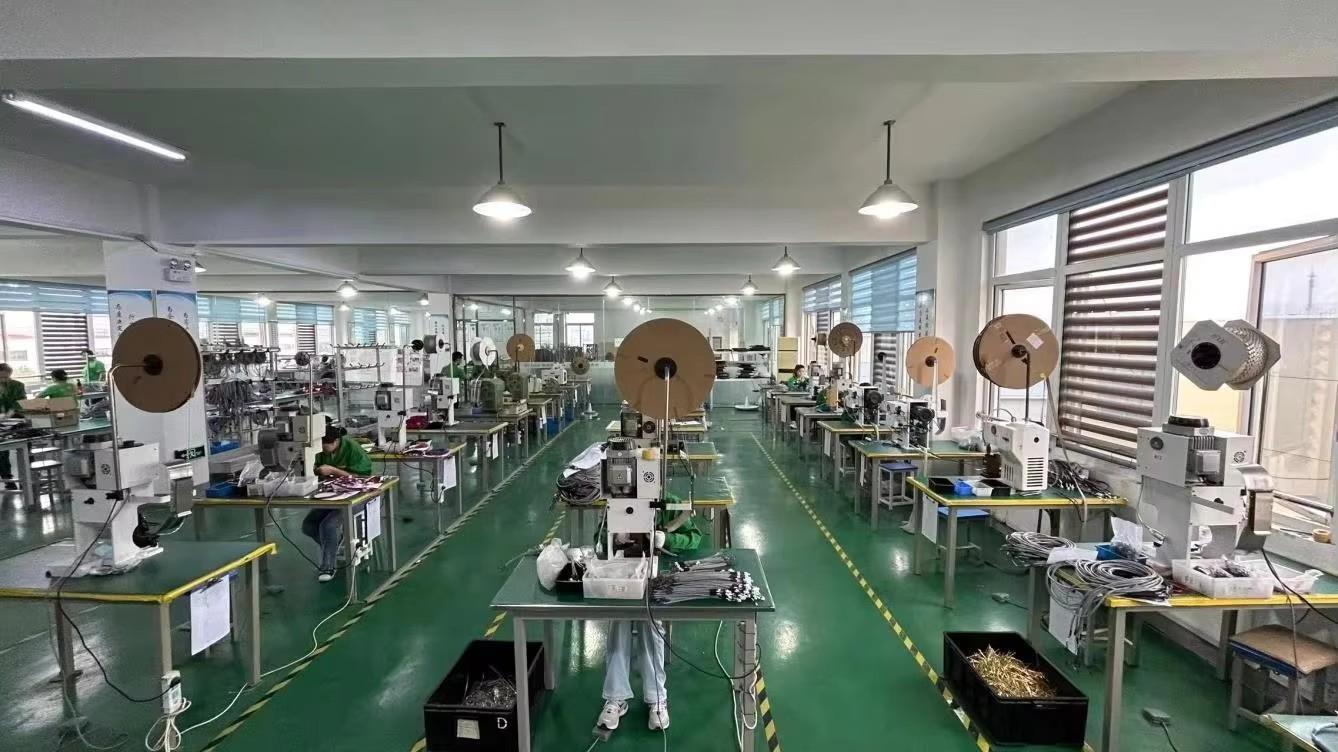
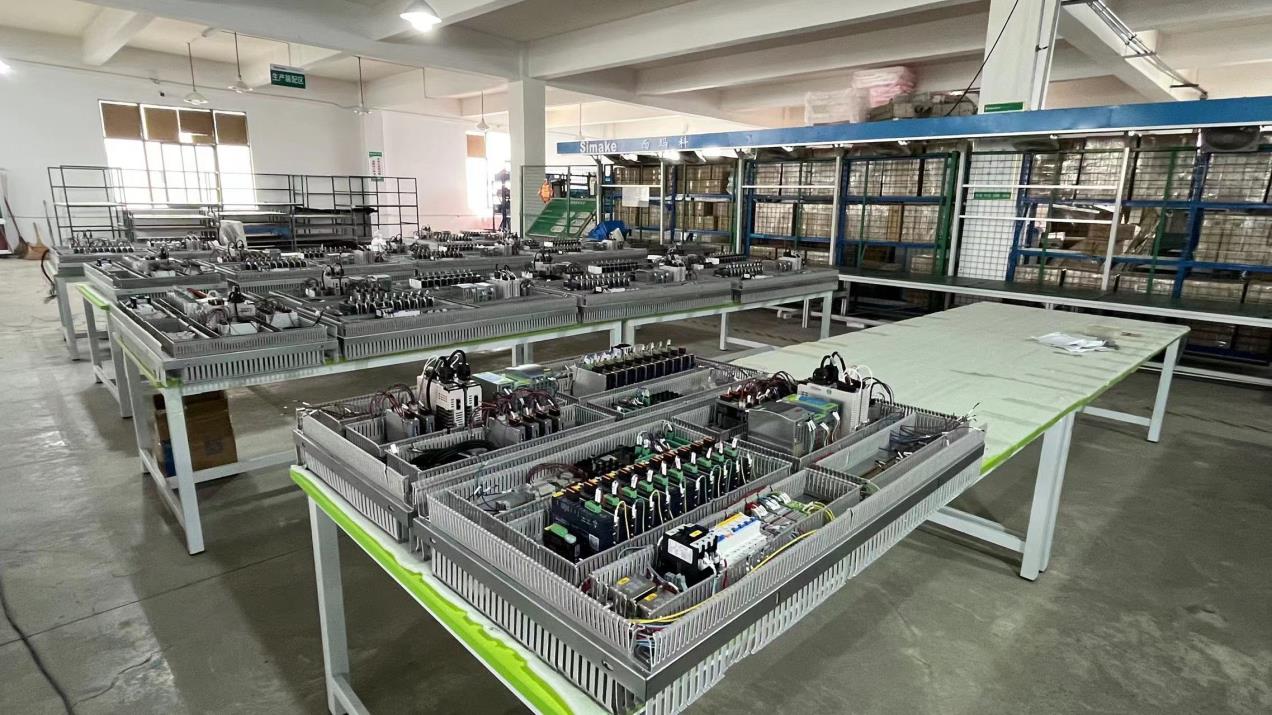
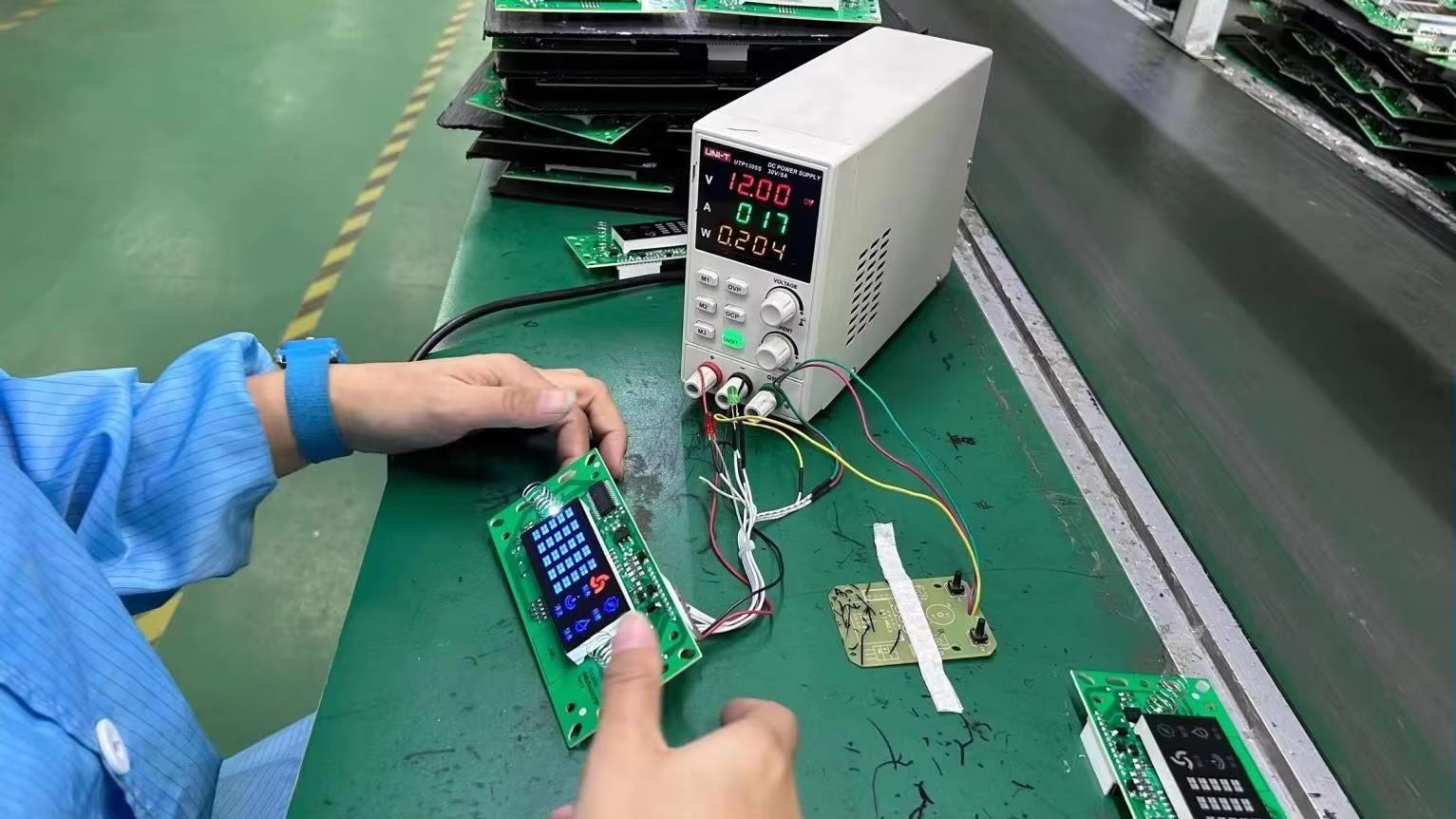
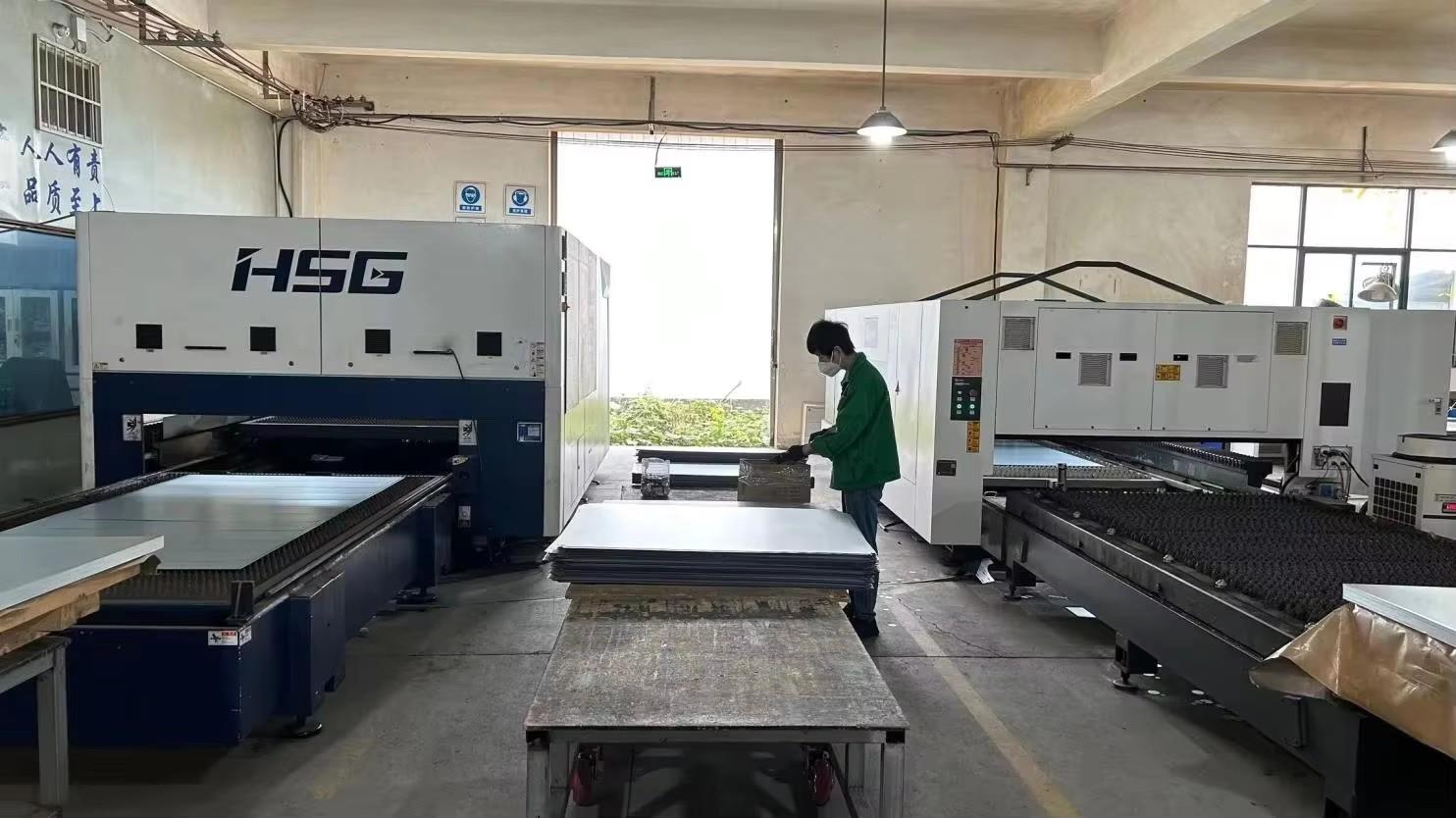
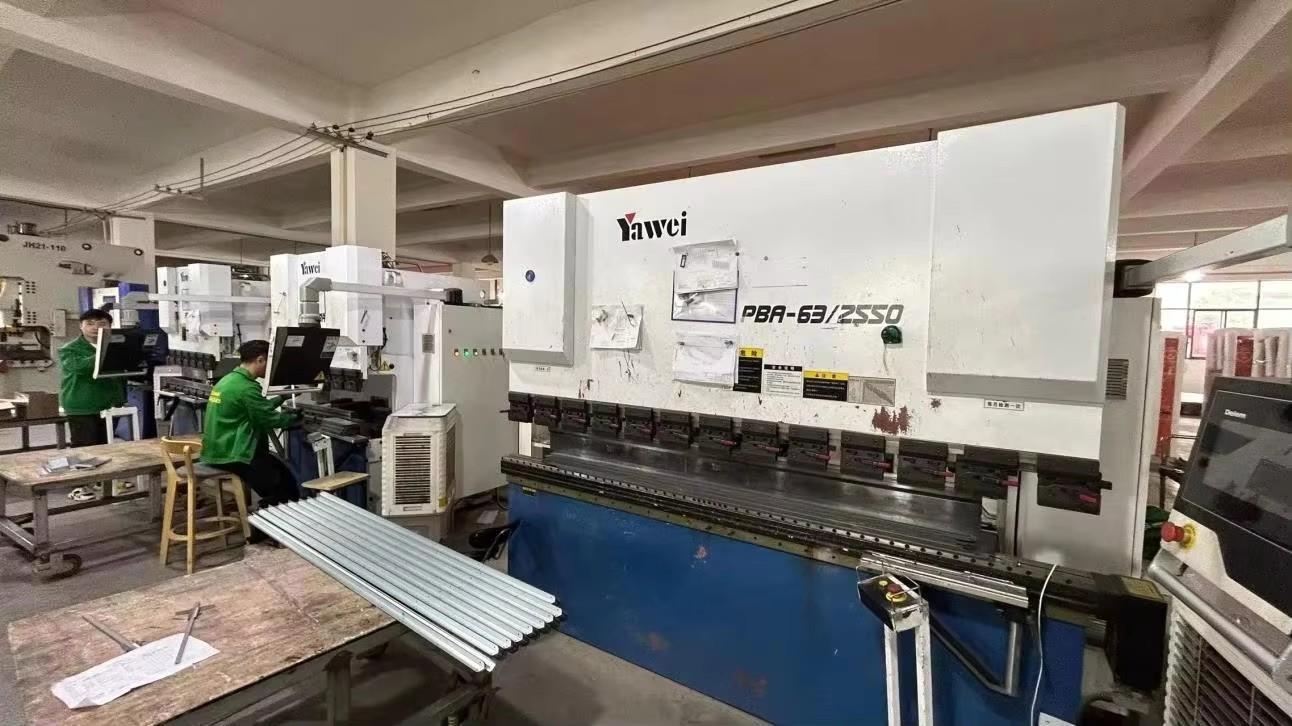
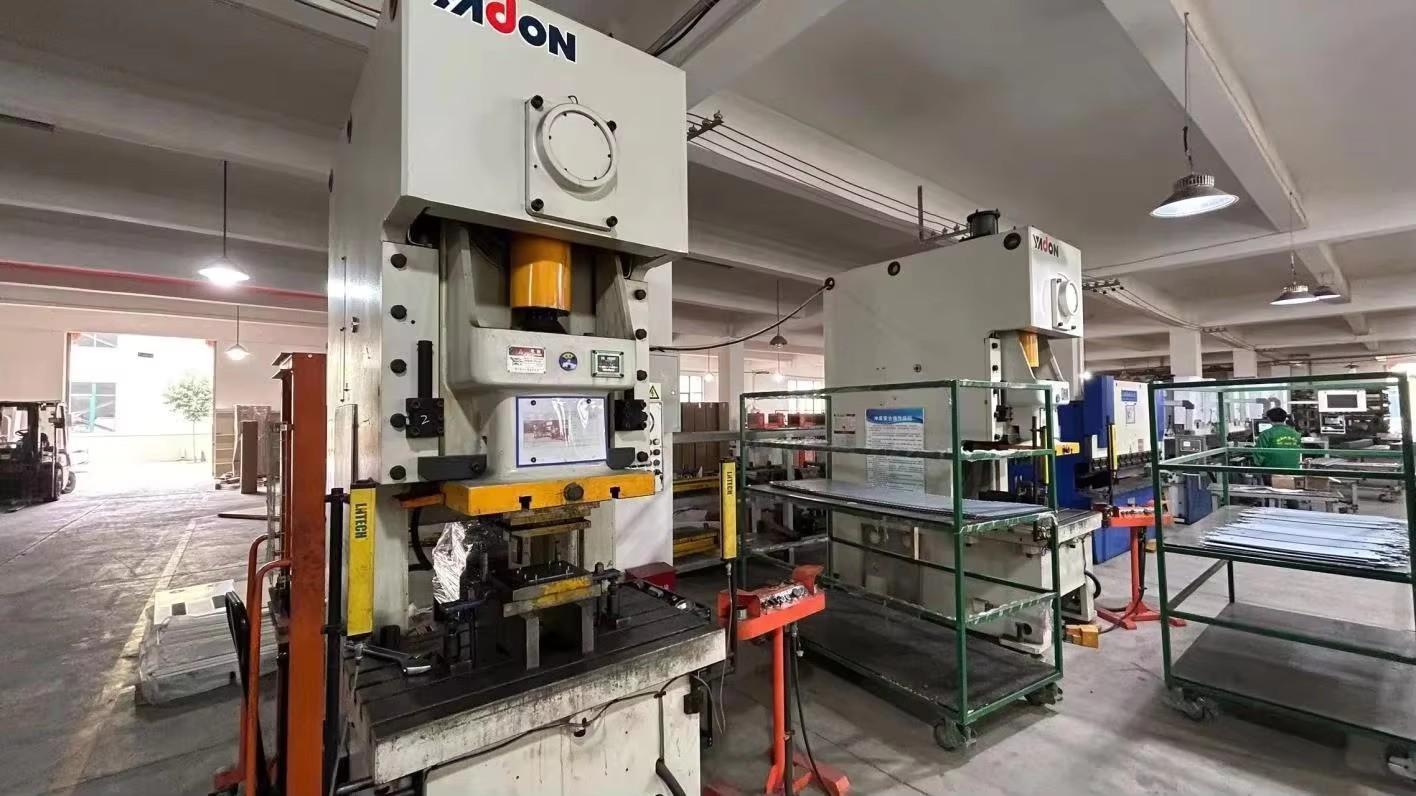
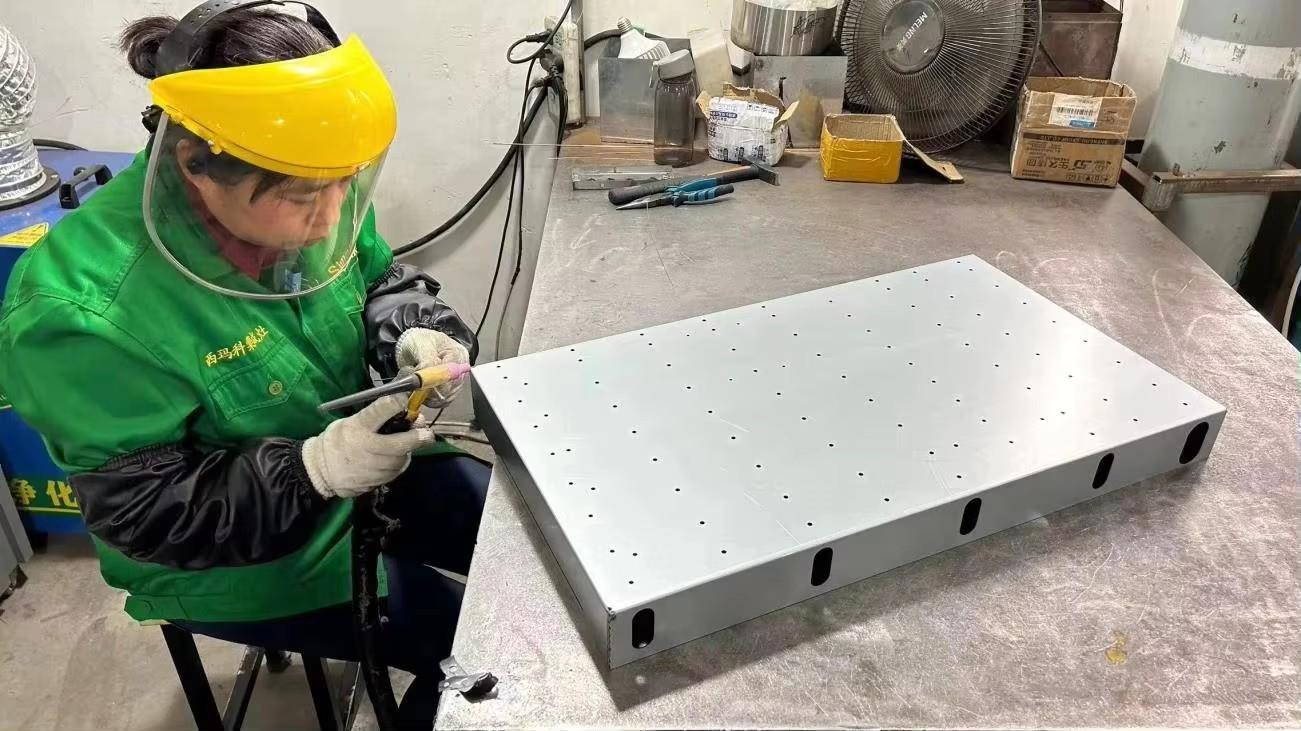
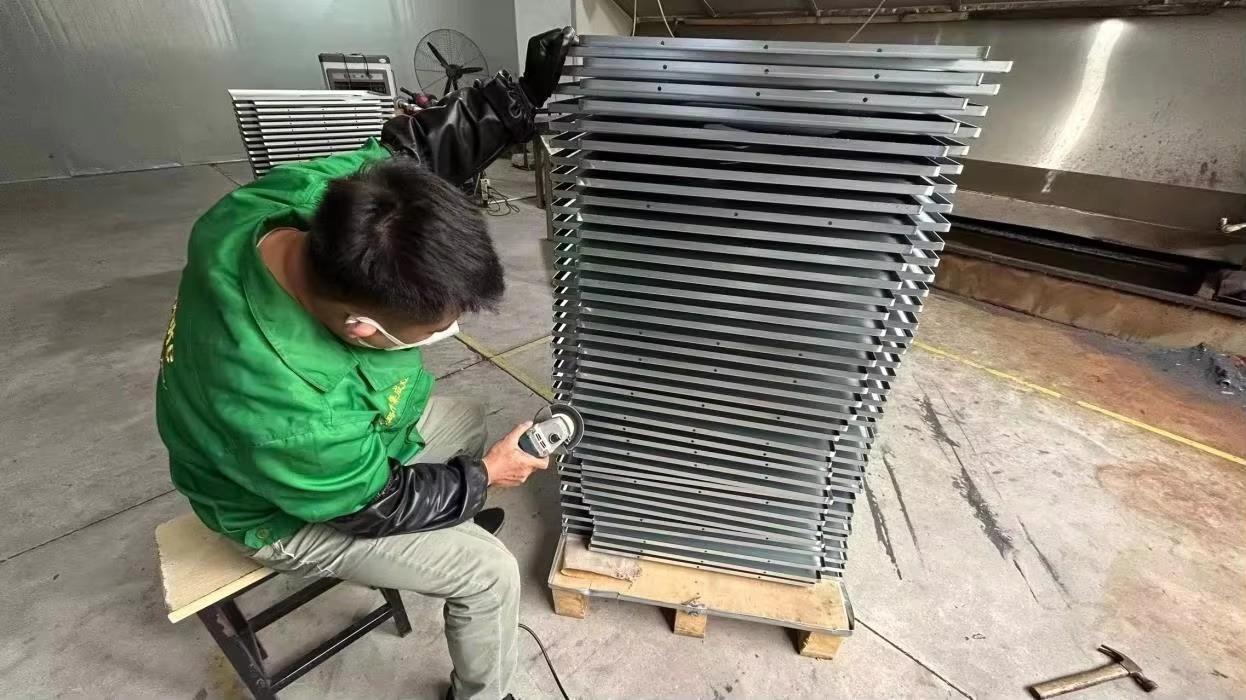
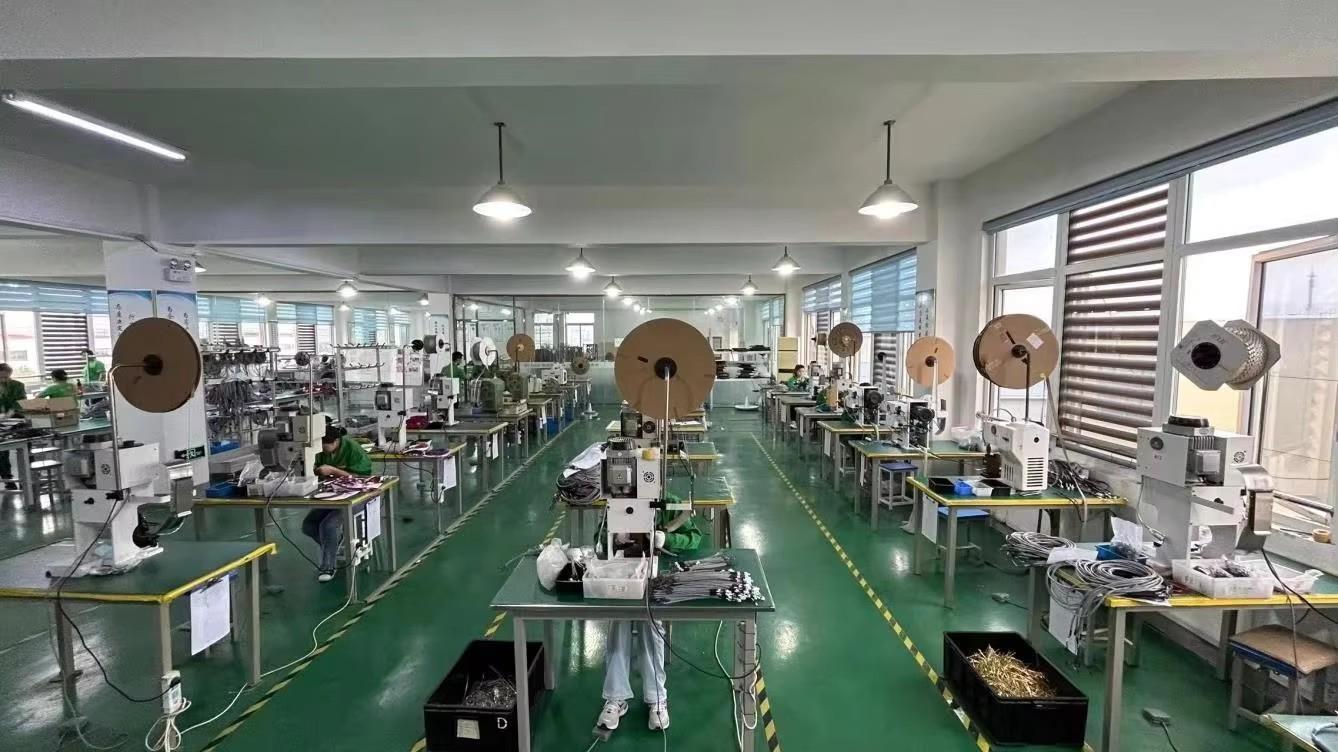
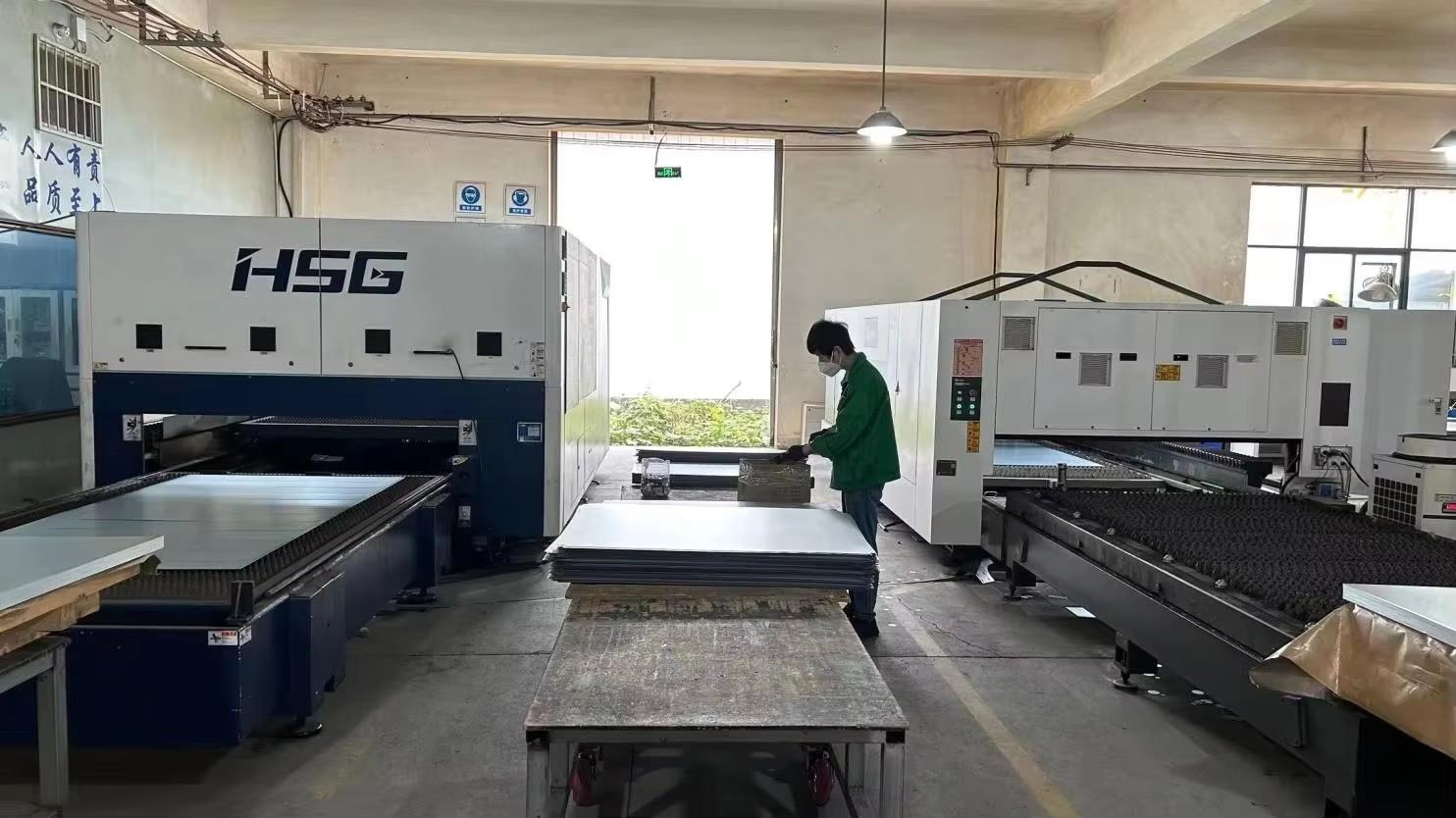
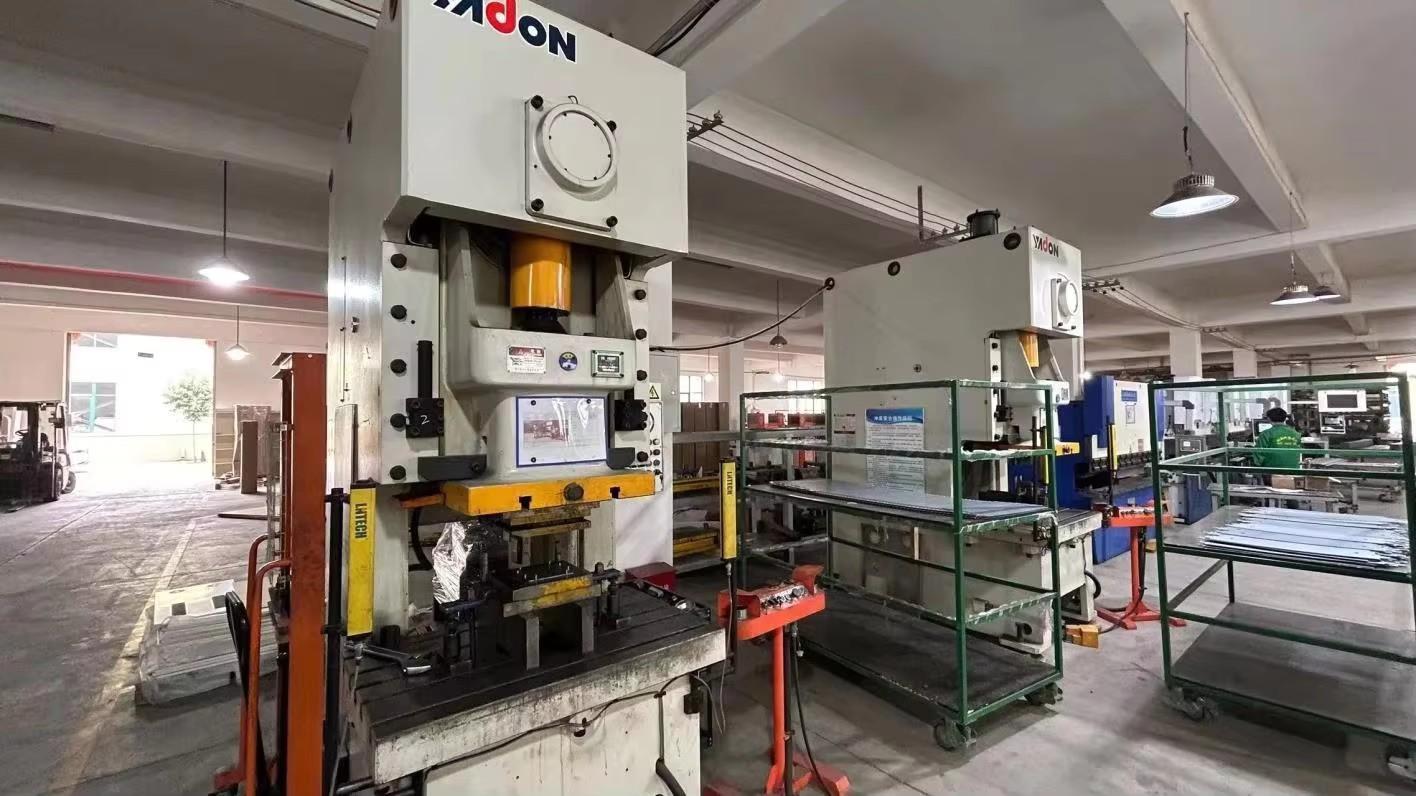
Qingdao Luzz Solar Co., Ltd. states that it continuously invests in research and development, production optimization, and international quality management. In practice, a Factory 4.0 supply model should include digital work instructions, material traceability, incoming inspection, in-process inspection, end-of-line testing, product serialization, and controlled packaging. The original factory gallery below is retained with its captions and shows key process evidence: wiring harnesses, assembly, detection, packing, cutting, bending, stamping, welding, grinding, silent terminal machining, laser welding, and stamping machinery.
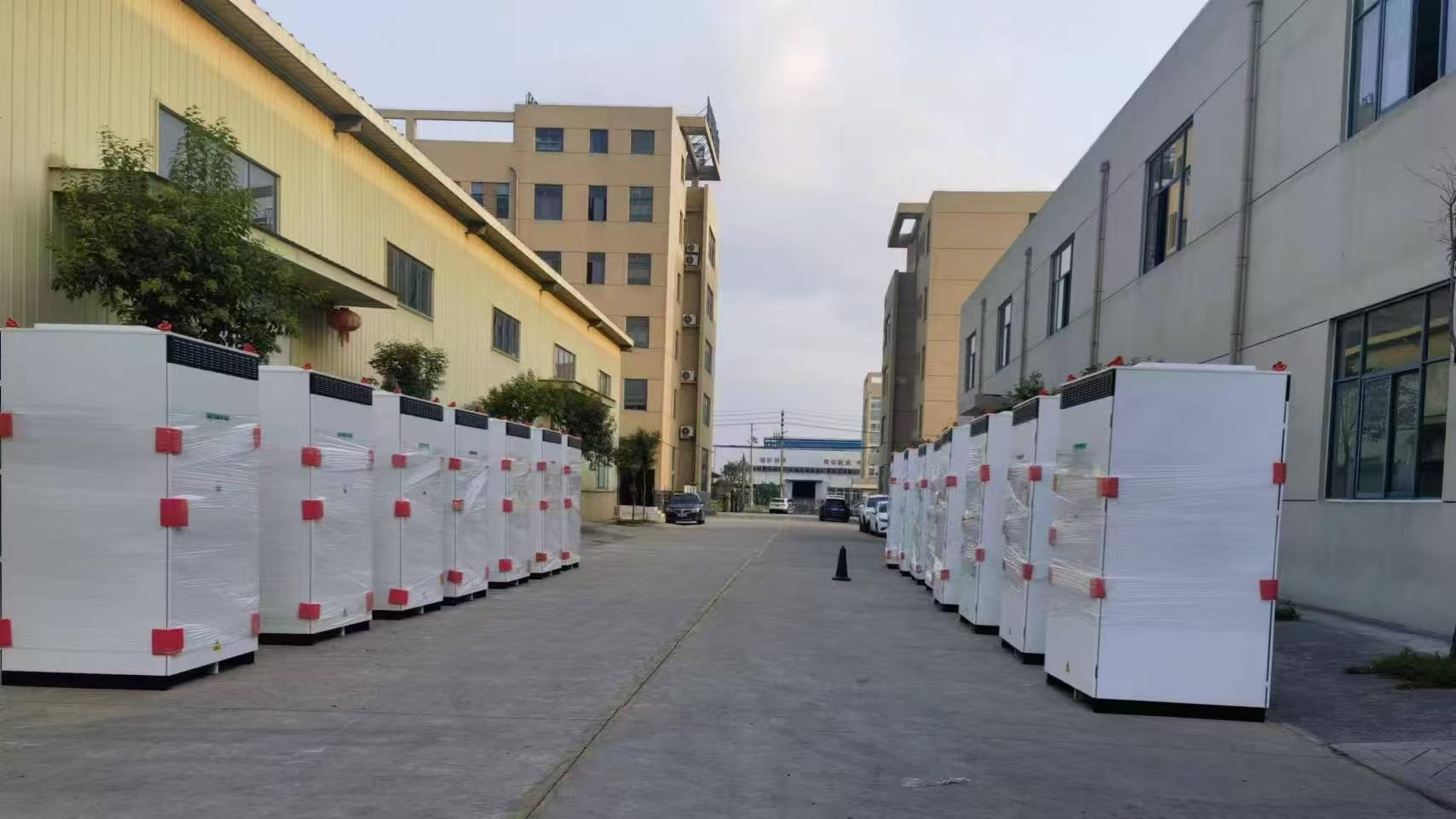
Supply chain resilience also depends on how the supplier handles variability. A strong export program pre-qualifies critical subcomponents, maintains documentation libraries, plans long-lead items, and prepares spare kits before shipment. For Siberia, packaging must resist moisture, vibration, and low temperatures during transport. Pre-shipment inspections should confirm labels, torque marks, firmware versions, test reports, and customs documents. This is where experienced China-based manufacturing can outperform transactional sourcing: the factory controls more of the process and can respond faster when the project requires a change.
Global procurement teams evaluate a BESS supplier through a different lens than a product catalogue. They look for technical clarity, safety evidence, lifecycle support, and commercial accountability. For a Novosibirsk project, the RFQ should require a complete documentation package and a clear division of responsibility between the factory, the EPC, the local installer, and the owner’s operations team.
A strong supplier response should include datasheets, single-line and communication diagrams, thermal-management design, fire-safety strategy, factory acceptance test procedures, warranty terms, performance guarantees, spare-parts recommendations, and commissioning checklists. EPCs also expect evidence of component traceability, change-control procedures, cybersecurity practice, and transport packaging that reflects the destination climate. The table and scorecard below provide a practical starting point for a procurement committee.
| Procurement Category | What to Request From the Supplier | Why It Matters in Novosibirsk |
|---|---|---|
| Technical & Safety | System architecture, LFP/BMS/PCS details, thermal design, fire strategy, protection coordination | Cold winters, critical loads, and high reliability expectations |
| Compliance | EAC/TR CU support, IEC/UL references, UN38.3, transport files, fire documentation | Customs, installation approvals, and investor due diligence |
| Cold-Climate Performance | Operating-temperature ranges, heating, anti-condensation, winter commissioning plan | Long Siberian winter and freeze-thaw transitions |
| Supply Chain | Lead times, long-lead items, spare kits, packaging, factory test records | Delivery distance to Novosibirsk and commissioning schedule |
| Lifecycle Service | Remote monitoring, maintenance plan, training, replacement strategy, warranty response | Reduced downtime and long-term asset performance |
| Commercial | Price structure, warranty terms, performance guarantees, documentation scope | Bankability and total cost of ownership |
A commercial and industrial BESS project also depends on non-battery equipment: solar bases, stainless-steel structures, laboratory cabinets, boiler-grate components, and factory-fabricated steel items. The four products below are retained from the original portfolio and support a broader industrial procurement approach.
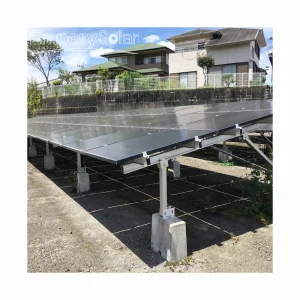
For solar-plus-storage concepts, commercial rooftops, and hybrid energy projects.
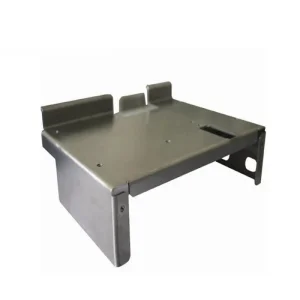
For fabricated enclosures, supports, brackets, and industrial equipment structures.
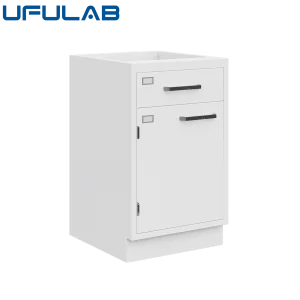
For quality labs, training rooms, technical offices, and facility fit-out.
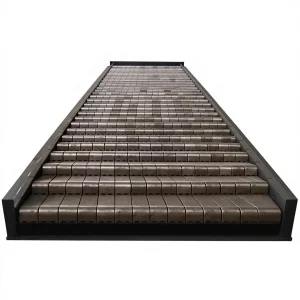
For industrial boiler infrastructure, heavy structural support, and energy facilities.
Qingdao Luzz Solar Co., Ltd. is a professional new energy enterprise specializing in the development, manufacturing, and global distribution of photovoltaic (PV) products and integrated energy storage solutions. Located in Qingdao, China, the company benefits from a well-established renewable energy industrial base and advanced manufacturing capabilities.
With the accelerating global transition toward carbon neutrality and sustainable development, Luzz Solar is committed to providing efficient, reliable, and cost-effective clean energy solutions to customers worldwide. Our product portfolio includes high-efficiency solar photovoltaic modules, energy storage systems, and integrated solar application solutions designed for residential, commercial, and utility-scale projects.
Driven by technological innovation and quality excellence, the company continuously invests in R&D and production optimization to improve product performance, energy conversion efficiency, and system reliability. We strictly adhere to international quality standards and implement rigorous quality control throughout the entire production process to ensure stable and long-term product performance.
Qingdao Luzz Solar actively expands its global market presence, with business coverage across Asia, Europe, the Middle East, Africa, and Latin America. By working closely with international partners, we are committed to delivering tailored energy solutions that meet diverse regional needs and support the global energy transition.
Guided by the core values of integrity, innovation, cooperation, and sustainability, Luzz Solar strives to become a trusted global partner in the new energy industry. We are dedicated to advancing solar technology and contributing to a greener, more sustainable future.
These answers summarize the procurement and engineering considerations most often raised by industrial owners, EPCs, and importers evaluating a BESS factory or supplier for Novosibirsk.
Yes, provided the system is engineered for cold-climate operation. The battery enclosure, thermal management, BMS logic, fire safety, and commissioning plan must be adapted for low temperatures, snow, ice, and condensation. Winter pilot testing or a documented cold-start procedure is strongly recommended.
Most C&I projects begin with a feasibility study based on interval load data, tariff structure, backup requirements, and available space. Pilot systems may be 100–500 kWh, while factory or industrial-park systems can reach several MWh. Correct sizing must be based on measured demand and operating objectives, not a generic catalogue number.
Request a project-specific compliance matrix covering EAC/TR CU support, electrical safety, fire documentation, UN38.3 transport documents, IEC/UL references where applicable, factory test reports, and warranty terms. Local approvals must be confirmed by qualified specialists in Russia.
Support typically includes documentation, remote commissioning assistance, training, spare-parts planning, factory acceptance testing, and coordination with the EPC or local installer. For complex projects, a pre-agreed service scope and escalation path should be written into the contract.
Yes. Modern EMS platforms can coordinate solar generation, diesel generators, EV chargers, and building loads. The key is to define control priorities, backup reserve, islanding logic, and communication protocols during the design phase.
Battery systems require dangerous-goods documentation, robust moisture protection, shock and vibration control, and winterized packaging. Rail or road routes should be evaluated for customs transit time, unloading capability, and site access. Spare parts may be shipped separately to reduce commissioning risk.
A pilot project may take several months including load analysis, design, manufacturing, shipping, customs, installation, and commissioning. Larger multi-MWh projects can take longer due to permitting, grid interaction, and site works. Early documentation and winter planning are critical to schedule control.
Use a weighted scorecard covering technical fit, compliance, cold-climate engineering, supply-chain resilience, lifecycle service, and commercial terms. Request verifiable factory records, change-control procedures, spare-parts commitments, and a clear warranty response model.
Share your load profile, project location, backup duration, solar or diesel integration targets, and delivery schedule. Our team can prepare a factory-direct equipment scope, documentation checklist, and logistics plan for your Novosibirsk project.
The final eight product links below are retained from the original portfolio and displayed in the required grid layout. They support industrial workstations, cabinet support, custom steel platforms, protective wall bases, precision plates, welded structures, furnace foundations, and heavy-duty support bases for factories and commercial facilities.
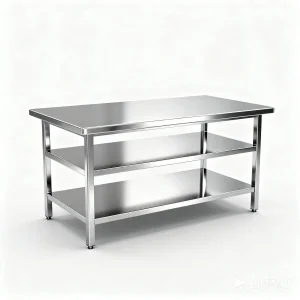
For commercial kitchens, site facilities, and industrial catering operations.
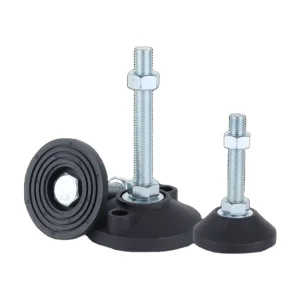
For electrical cabinets, control panels, and adjustable equipment bases.
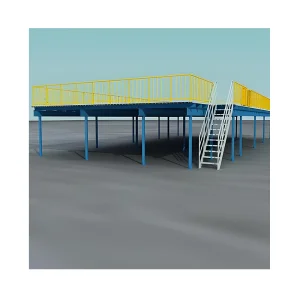
For industrial access platforms, equipment foundations, and plant upgrades.
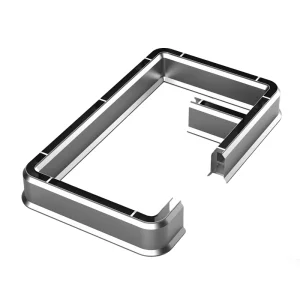
For factory workshops, warehouses, and industrial interior protection.
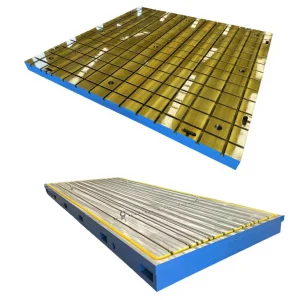
For inspection, machining, tooling, and precision industrial work areas.
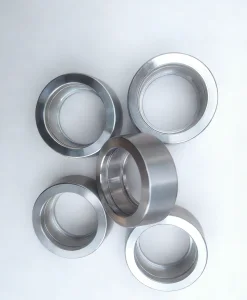
For project-specific welded frames, supports, and industrial structures.
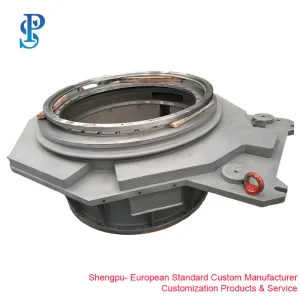
For heavy industry, furnace foundations, and metallurgical plant components.
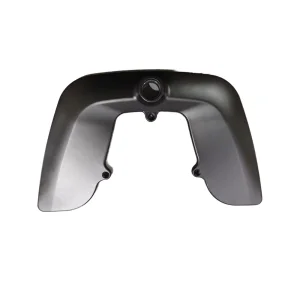
For high-load industrial support, architectural structure, and custom base applications.
 Luzz Solar