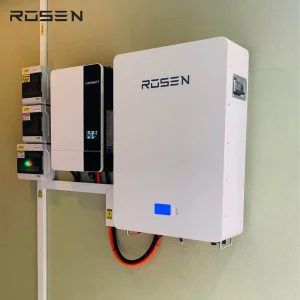
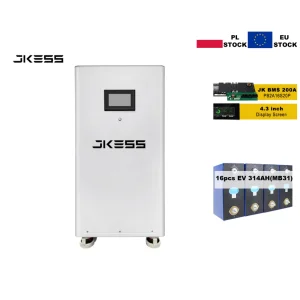
Explore our industrial-grade components designed to maximize power stability and structural safety for global renewable operations.
A comprehensive whitepaper on how factories, microgrids, and utility storage complexes scale up with reliable energy architectures.
The global transition to net-zero emissions has turned Energy Management Platforms (EMP) and hardware infrastructure into critical assets for modern commercial and industrial (C&I) operations. In the past, companies viewed energy as a static cost. Today, dynamic pricing, grid instability, and carbon-reduction legislation demand real-time optimization. True energy resilience requires a seamless connection between virtual management software and high-durability physical infrastructure—including BESS container housing, robust mounting frameworks, and highly efficient thermal management enclosures.
For large facilities, deploying a modern BESS is no longer just about buying batteries. System integration requires structural steel bases, secure mounting platforms, and microinverter setups capable of handling extreme industrial environments. From the structural integrity of custom sheet-metal bases supporting heavy control panels to specialized battery management systems (BMS) balancing 5MWH containers, every point in the system must be designed for continuous operation. This balance between physical durability and intelligent energy distribution defines today's leading commercial microgrid solutions.
SEO Insight: Standard energy software is only as good as the hardware that supports it. A reliable energy management setup requires heavy-duty enclosures, optimized heat dissipation systems, and precision-stamped steel frames to prevent failures and ensure long-term structural integrity.
When engineering managers and supply chain directors source equipment, they look for specific parameters that guarantee ROI, system safety, and compliance with local grid codes:
How advanced production technology and vertical supply-chain integration drive down cost while improving reliability.
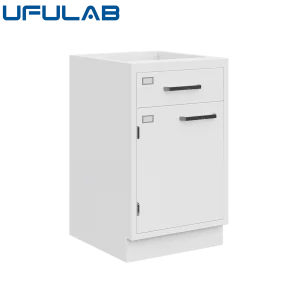
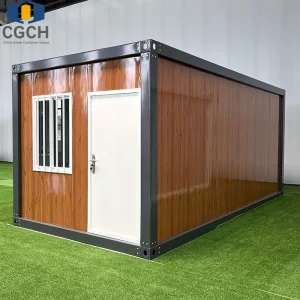
The key to scaling clean energy deployments worldwide lies in the industrial capabilities of Chinese manufacturing bases. By combining raw material sourcing, automated metal fabrication, and advanced electronics assembly in a single hub, Chinese factories deliver unmatched efficiency. For example, the creation of custom steel lab equipment cabinets, industrial equipment sheet metal bases, and modular containers requires a highly integrated production line.
By using automated laser cutting, high-tonnage stamping machines, and automated robotic welding lines, manufacturers can produce heavy-duty enclosures with sub-millimeter precision. This precision ensures that components like liquid cooling blocks, ventilation louvers, and structural supports fit together perfectly. This tight tolerance is critical for keeping outdoor BESS systems sealed against the elements, preventing moisture ingress, and ensuring a service life of over 20 years.
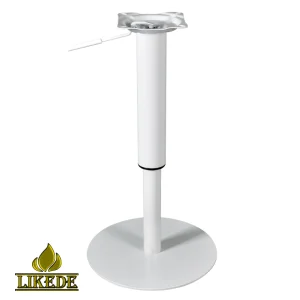
Furthermore, this industrial capability allows for fast turnaround times on customized designs. Whether an engineering firm requires custom-designed mounting pedestals for workshop controls or containerized housings for grid-scale energy storage, Chinese factories can adjust production lines quickly. This flexibility helps minimize development cycles, reduces overall system costs, and ensures that clean energy projects remain on schedule.
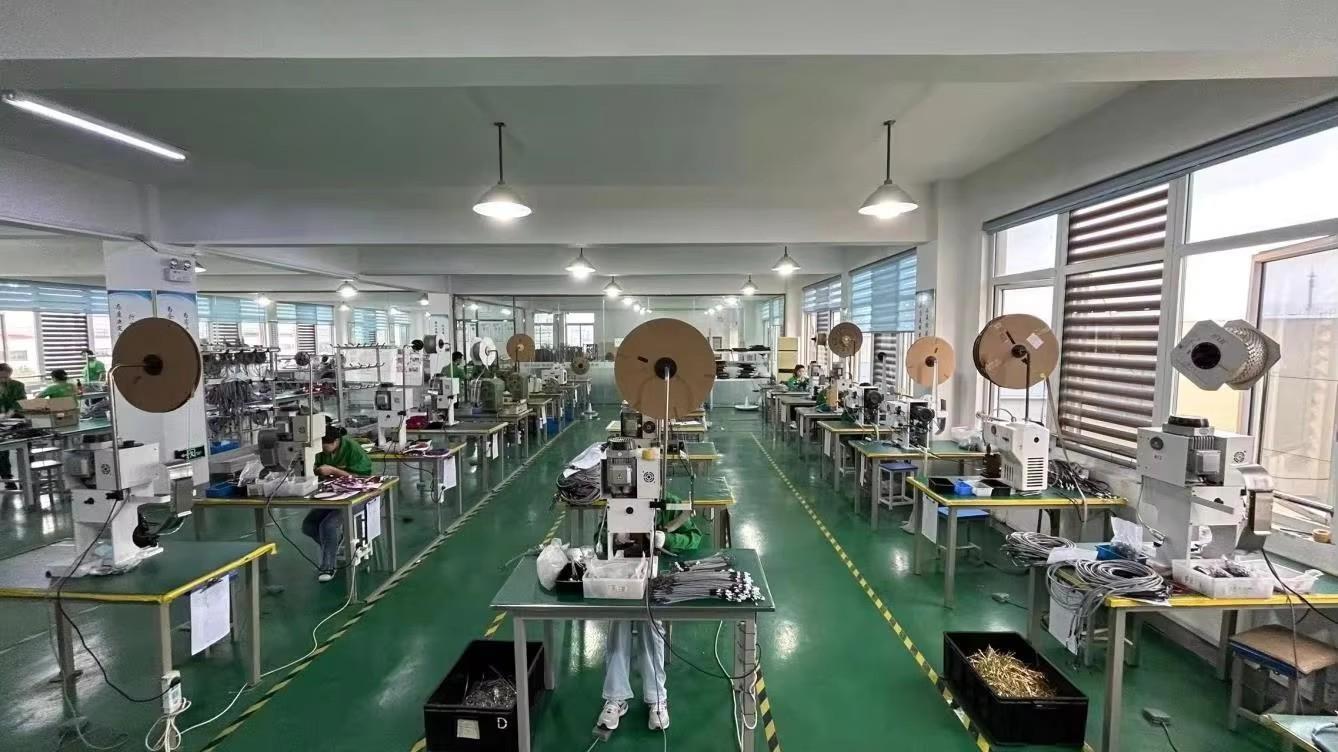
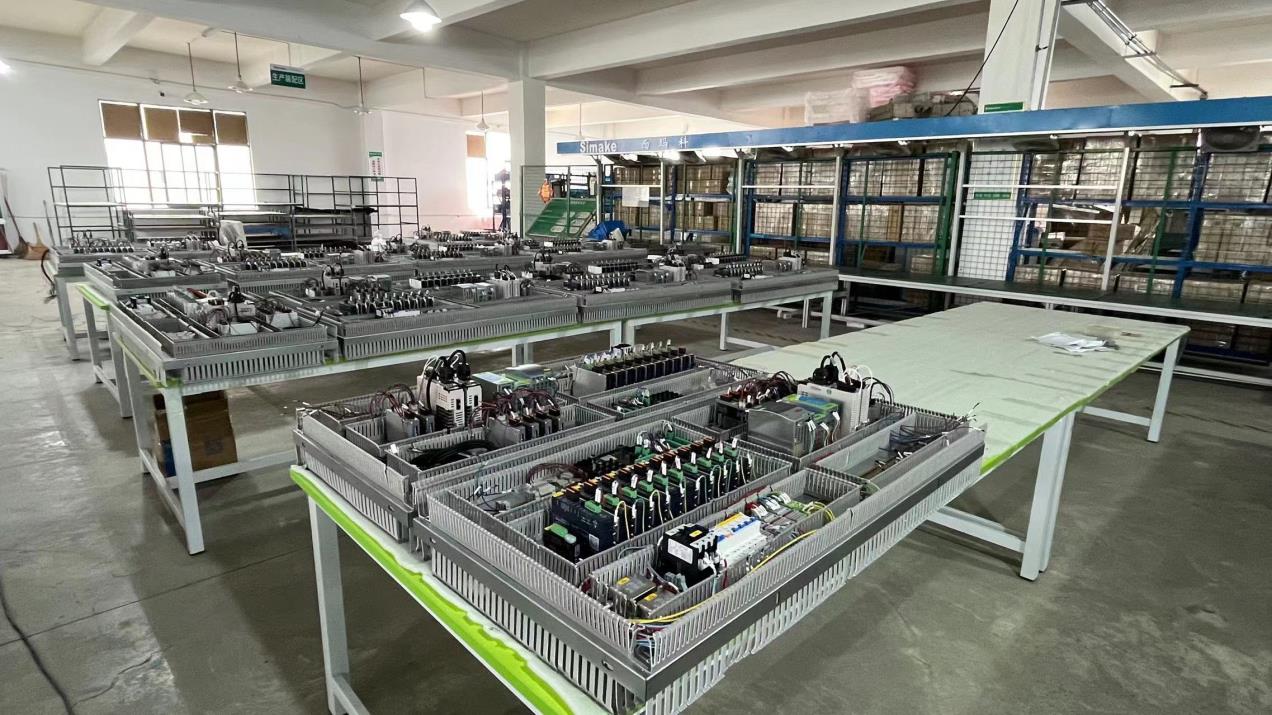
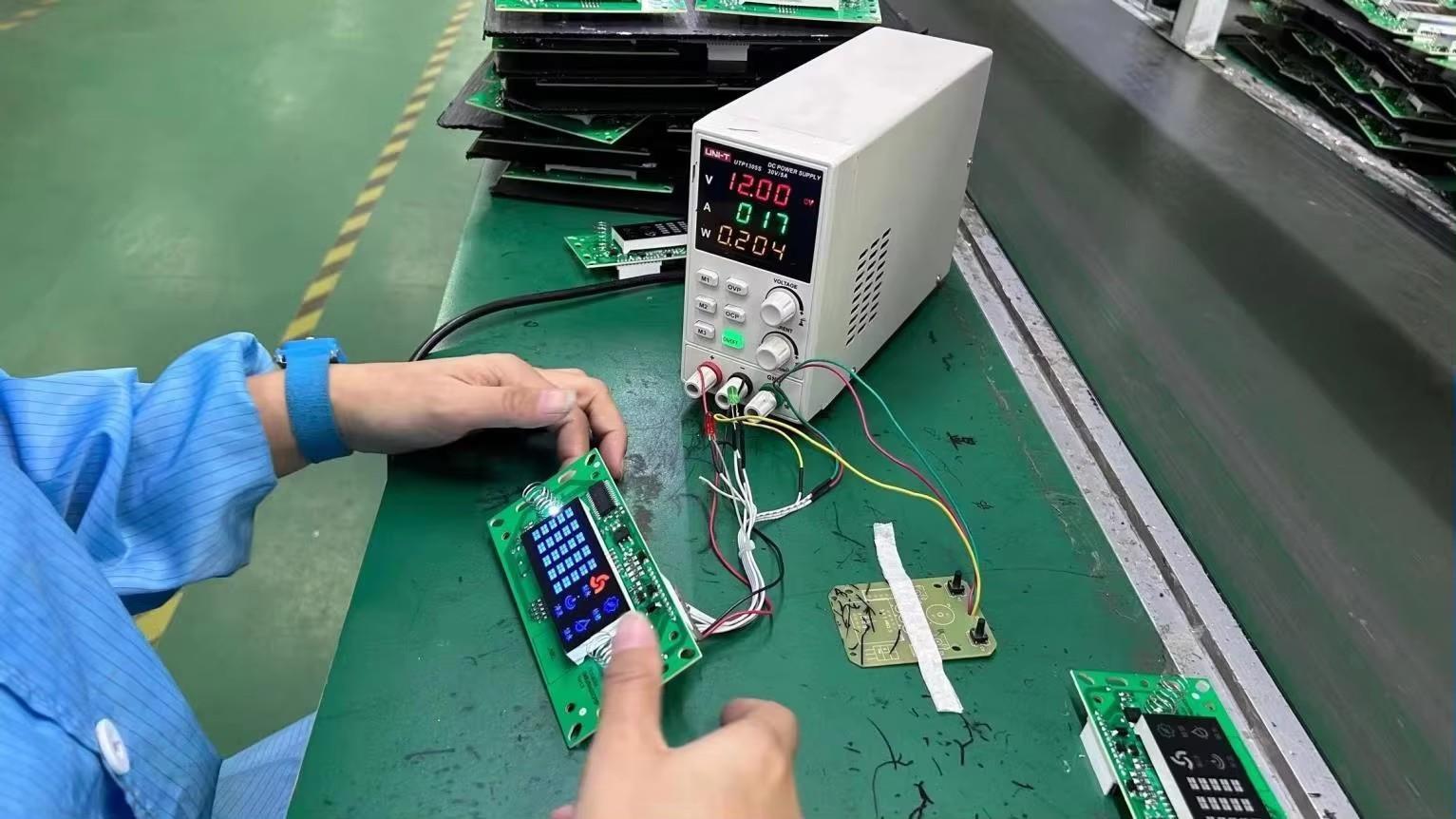
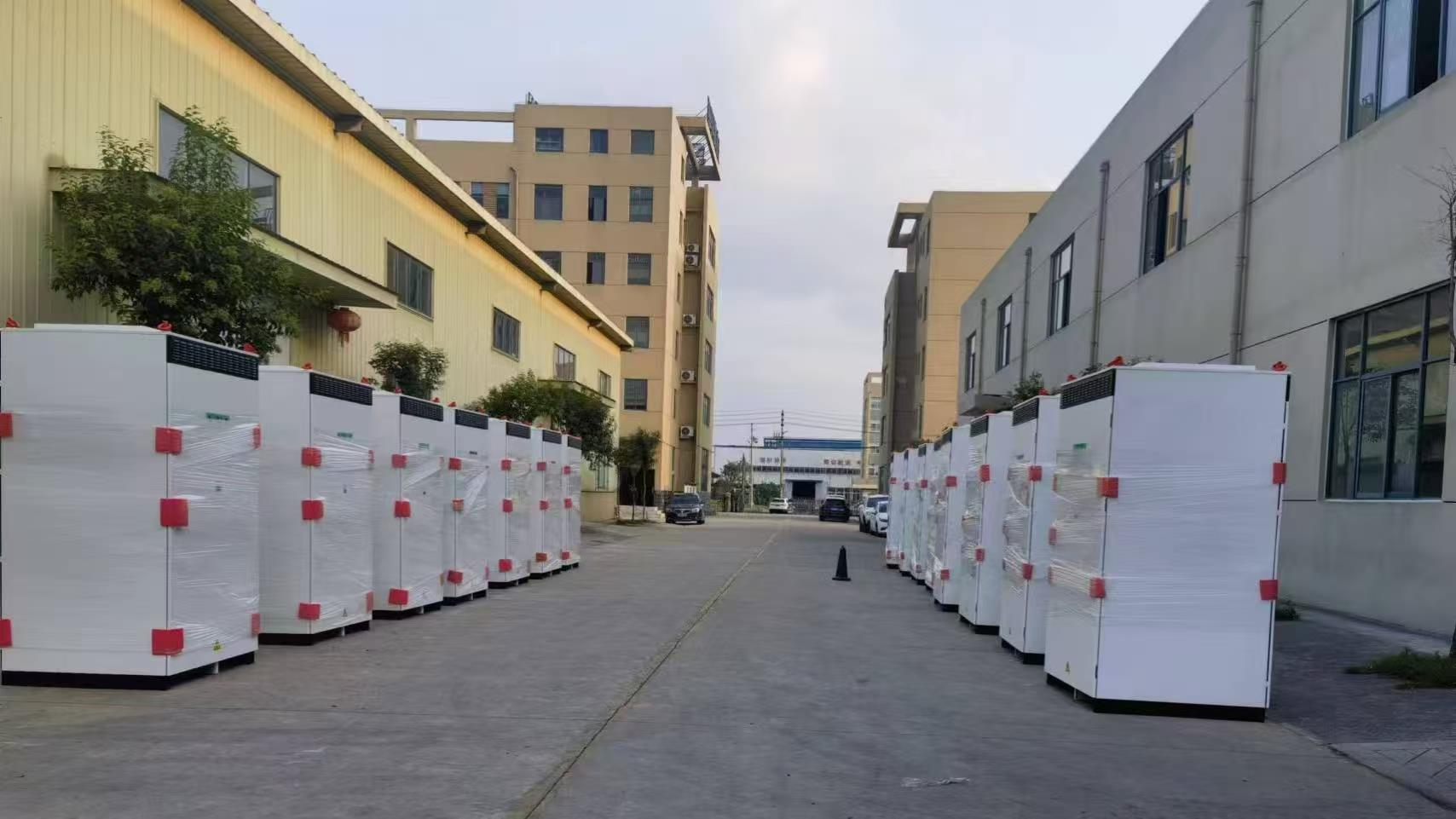
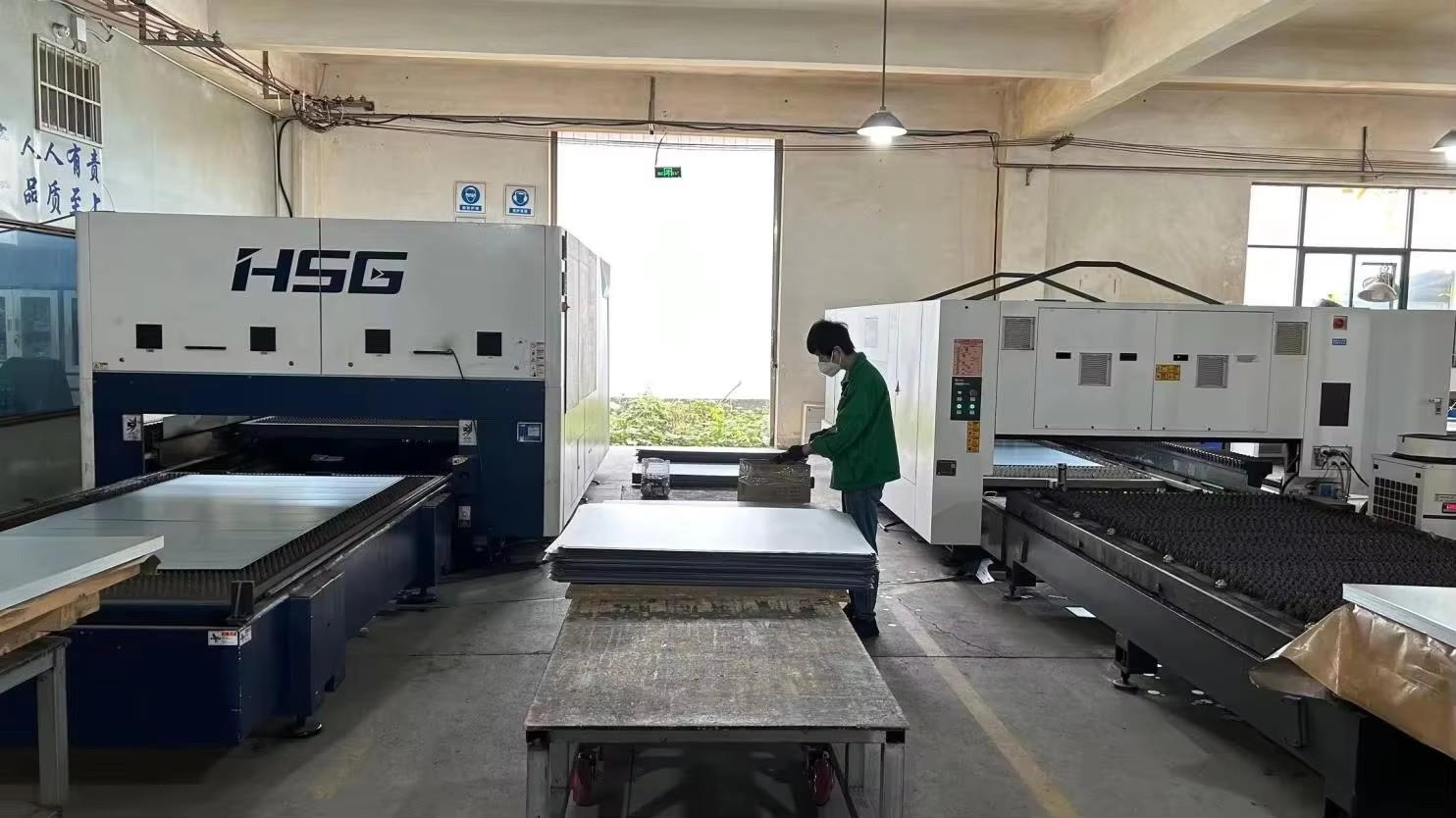
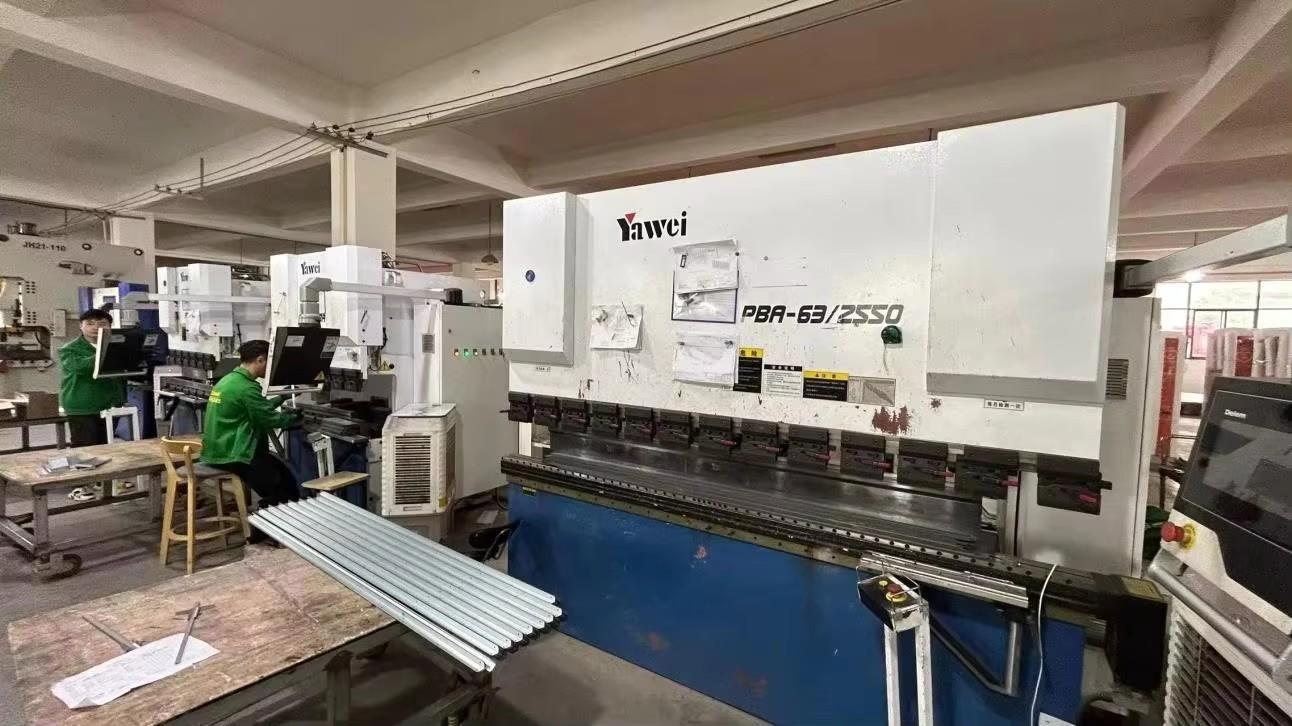
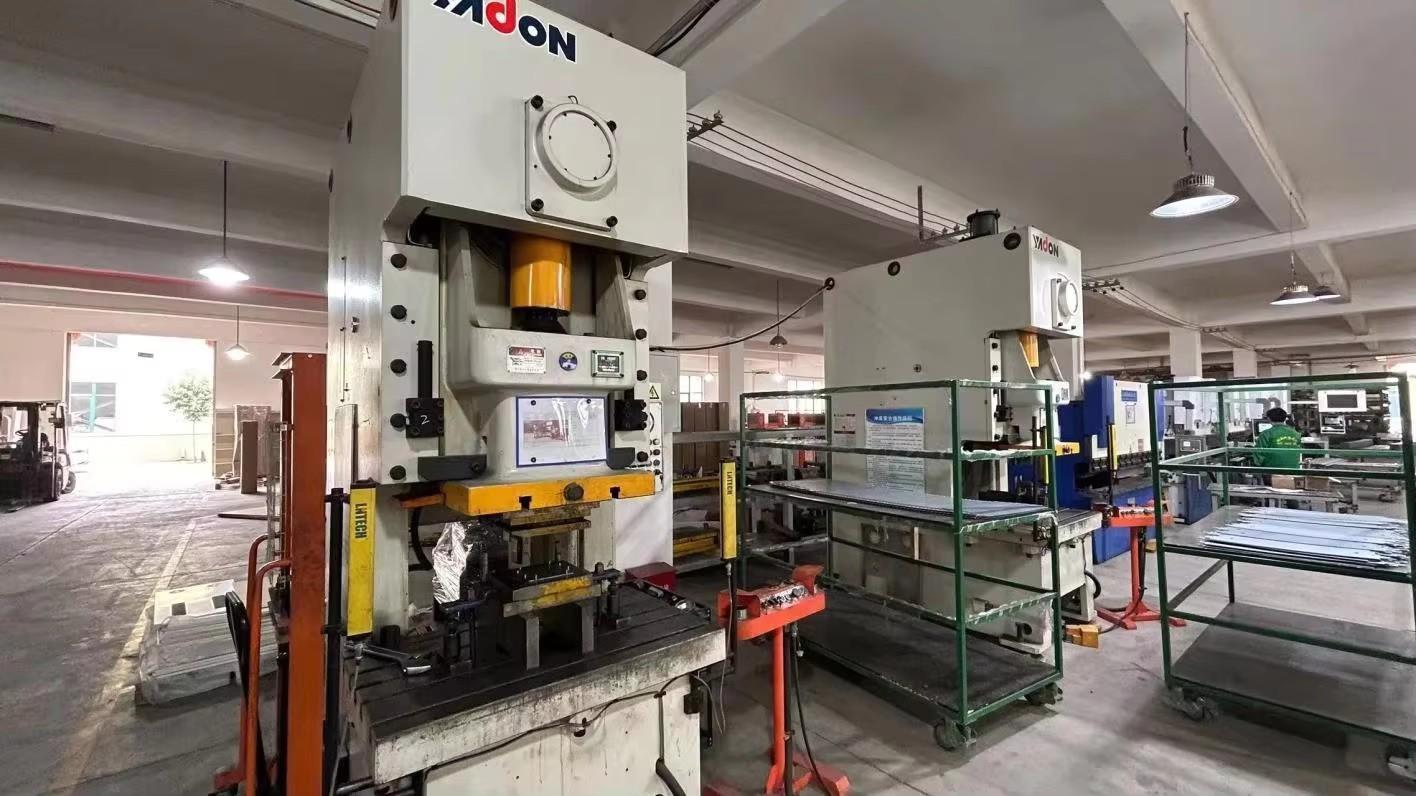
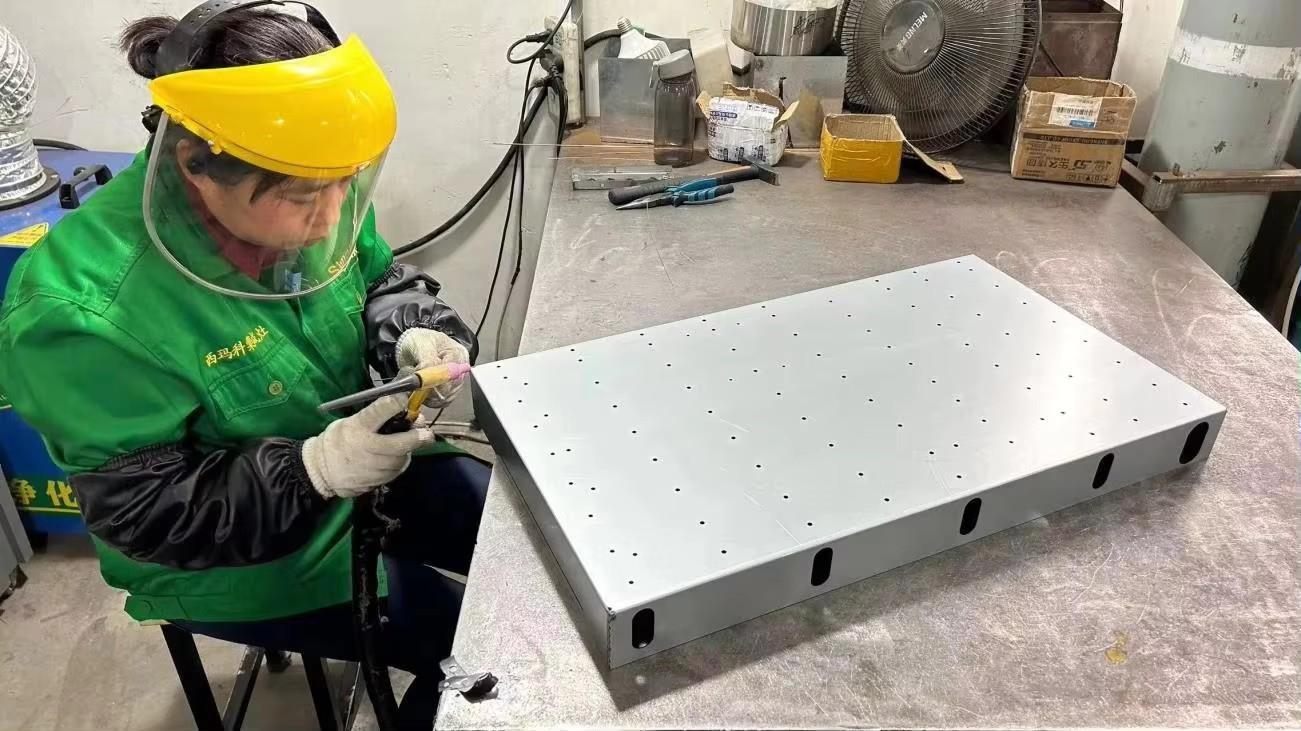
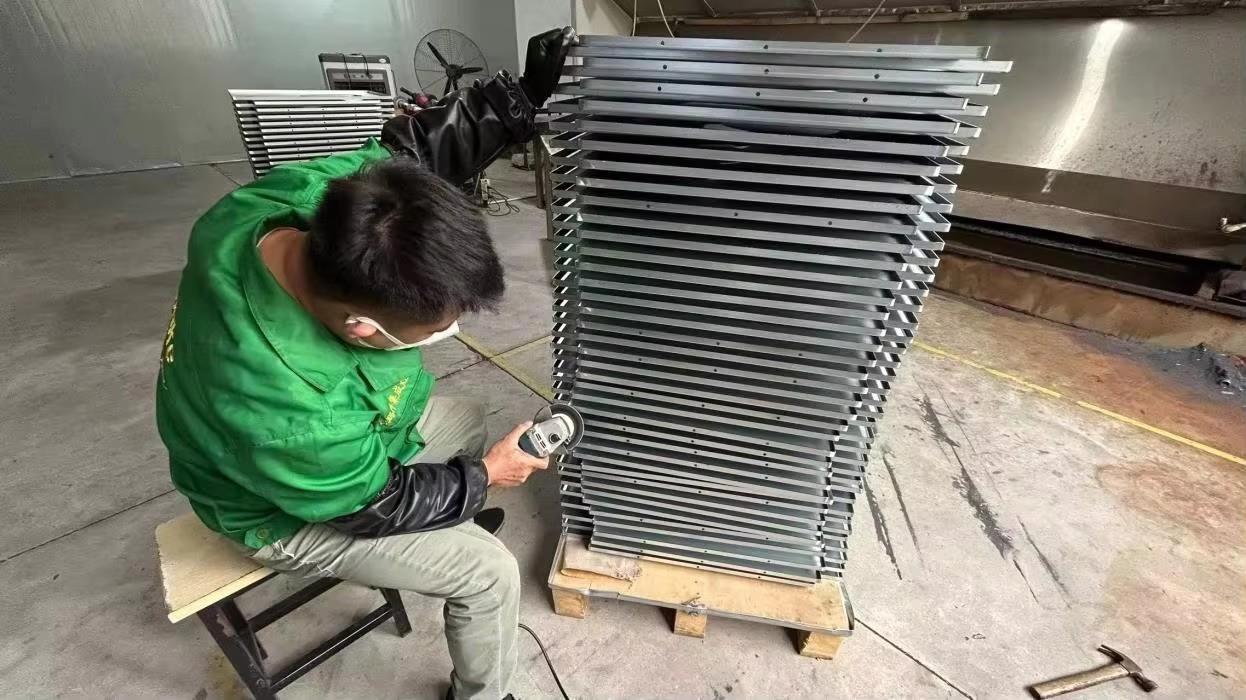
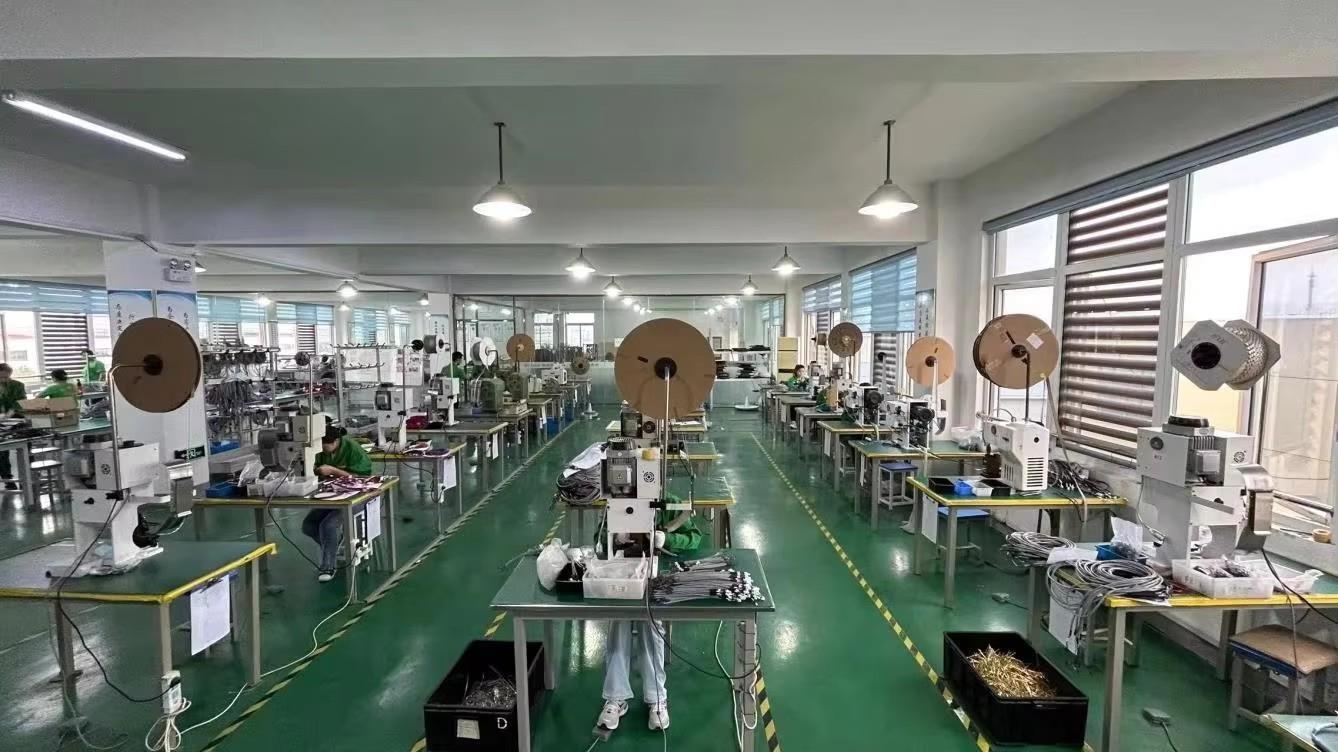
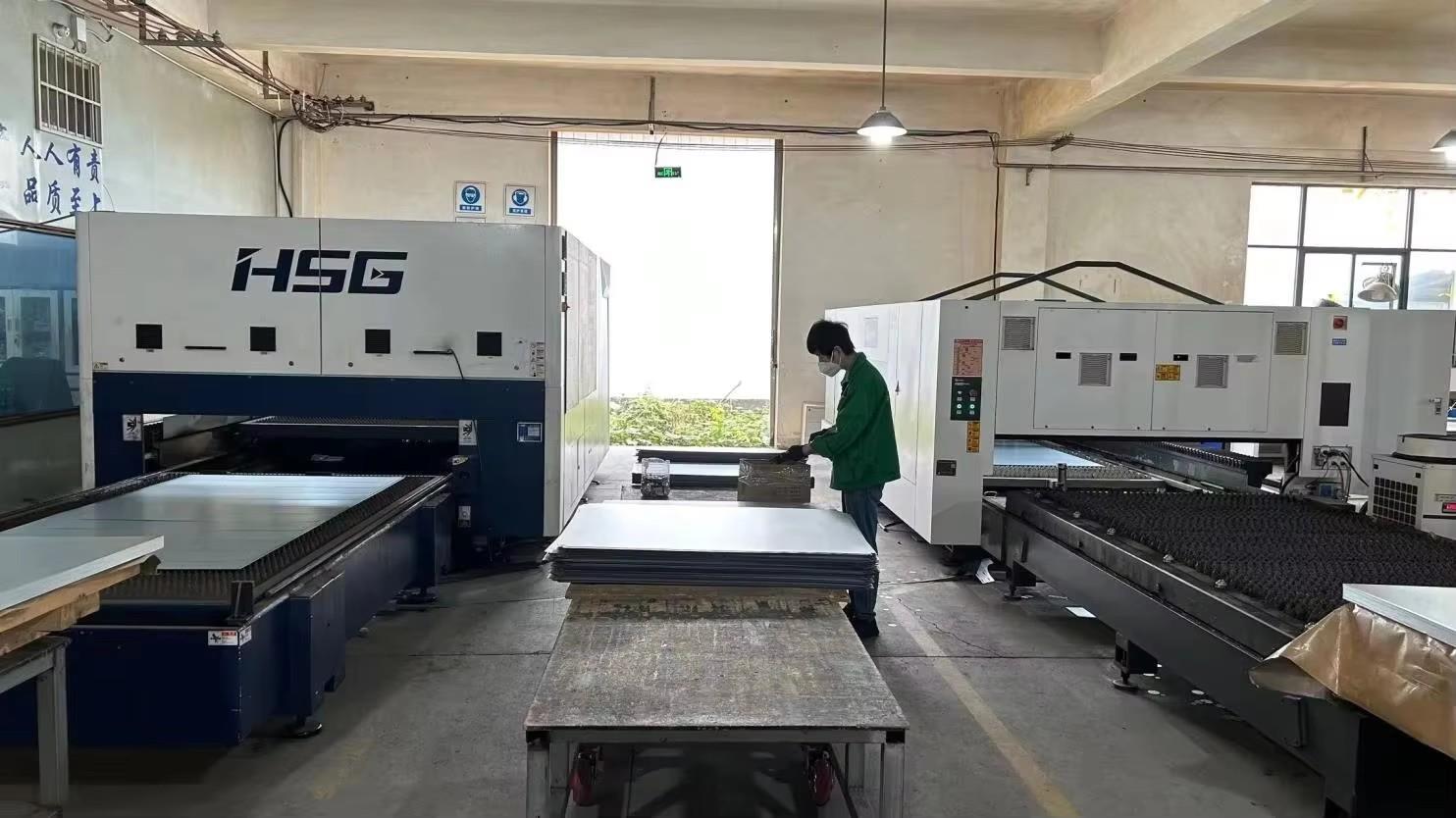
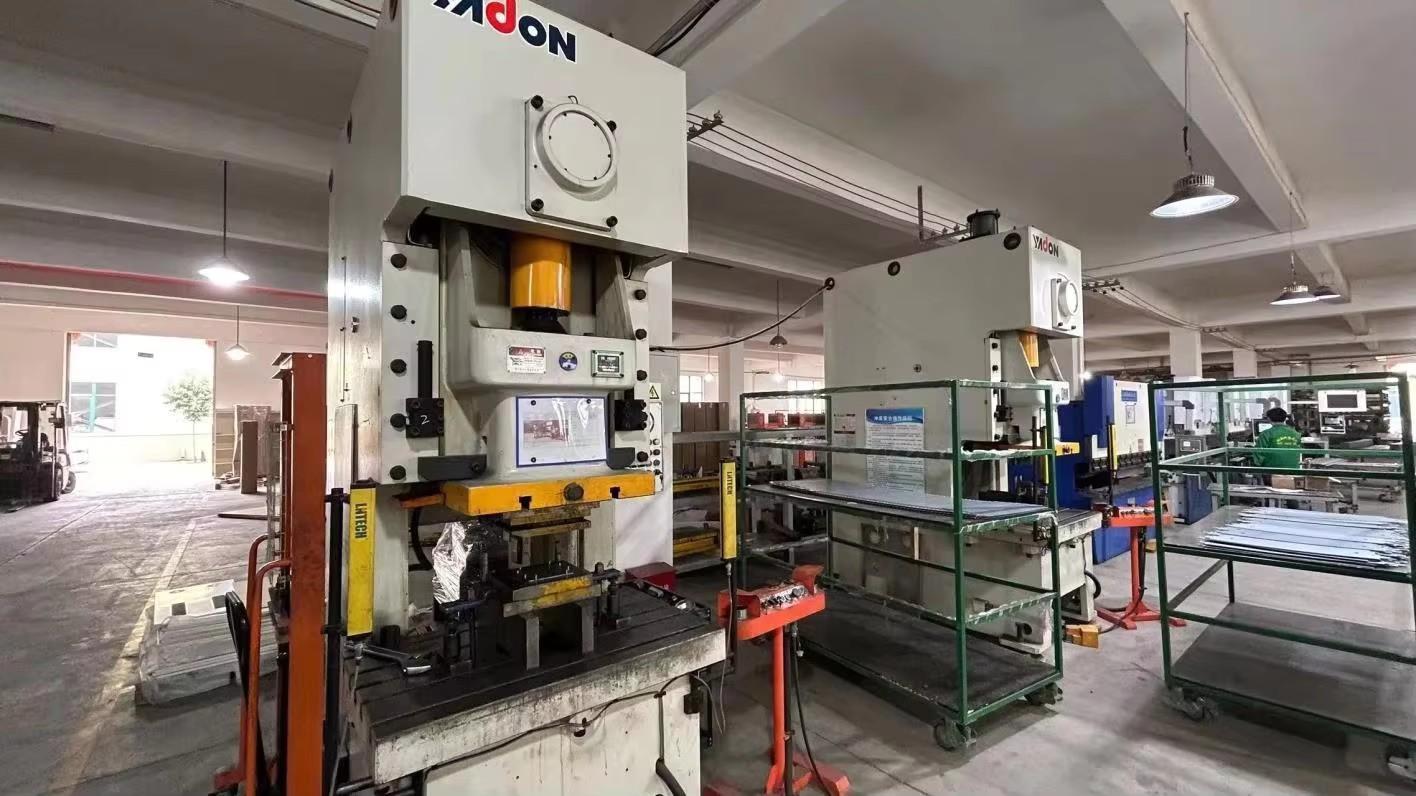
A leading new energy enterprise specializing in global solar deployment and advanced energy storage systems.
Qingdao Luzz Solar Co., Ltd. is a professional new energy enterprise specializing in the development, manufacturing, and global distribution of photovoltaic (PV) products and integrated energy storage solutions. Located in Qingdao, China, the company benefits from a well-established renewable energy industrial base and advanced manufacturing capabilities.
With the accelerating global transition toward carbon neutrality and sustainable development, Luzz Solar is committed to providing efficient, reliable, and cost-effective clean energy solutions to customers worldwide. Our product portfolio includes high-efficiency solar photovoltaic modules, energy storage systems, and integrated solar application solutions designed for residential, commercial, and utility-scale projects.
Driven by technological innovation and quality excellence, the company continuously invests in R&D and production optimization to improve product performance, energy conversion efficiency, and system reliability. We strictly adhere to international quality standards and implement rigorous quality control throughout the entire production process to ensure stable and long-term product performance.
Qingdao Luzz Solar actively expands its global market presence, with business coverage across Asia, Europe, the Middle East, Africa, and Latin America. By working closely with international partners, we are committed to delivering tailored energy solutions that meet diverse regional needs and support the global energy transition.
Guided by the core values of integrity, innovation, cooperation, and sustainability, Luzz Solar strives to become a trusted global partner in the new energy industry. We are dedicated to advancing solar technology and contributing to a greener, more sustainable future.
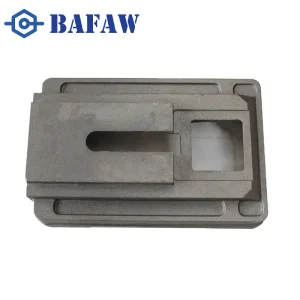
Beyond clean energy generation, Luzz Solar offers extensive structural manufacturing capabilities. Our production lines feature high-speed CNC punching, laser welding, and manual metal grinding. This allows us to supply not only standard solar systems, but also specialized structural equipment components. These range from heavy-duty steel bases for machinery support to custom-engineered enclosures for lab environments and outdoor power hubs.
Different environments present unique power challenges. Discover how our hardware solutions integrate into specific industries.
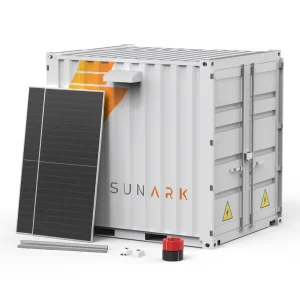
Commercial utility users face high demand charges during peak hours. By installing a containerized battery storage system (BESS) managed by smart BMS software, businesses can store cheap off-peak power and deploy it when grid rates spike, significantly lowering monthly operating costs.
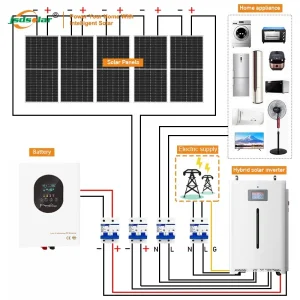
For islands, mines, and remote communities, grid access is either unavailable or unreliable. Hybrid off-grid setups combining solar arrays, diesel generators, and heavy-duty battery banks provide stable, uninterrupted power even under harsh environmental conditions.
Precision industrial machines require steady voltage and durable structural setups. Our carbon steel bases, stamping parts, and robust equipment cabinets protect internal control panels from vibrations, physical impacts, and ambient heat, ensuring reliable plant operation.
Key technical specifications and component selections for commercial buyers and engineering professionals.
When selecting components for utility-grade projects or commercial installations, procurement managers look closely at the bill of materials (BOM) to verify the origin and quality of every part. Below is a reference matrix outlining key performance parameters and material standards for industrial-grade energy storage configurations:
| Equipment Category | Critical Parameters | Common Industry Standards | Typical Applications |
|---|---|---|---|
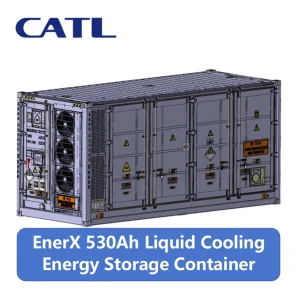
| C&I BESS Container | 530Ah cells, Liquid Cooling, IP55+ Protection | UL 9540A, IEC 62619, UN38.3 | Grid Peak Shaving, Auxiliary Services |
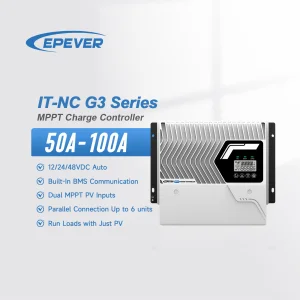
| Hybrid MPPT Controller | 12V-48V Auto-Detection, 98.5% Efficiency | CE, RoHS, FCC | Off-Grid Commercial Solar Systems |
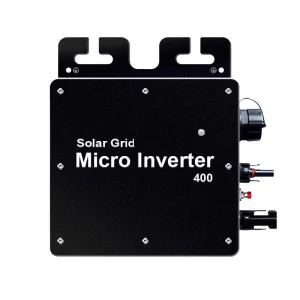
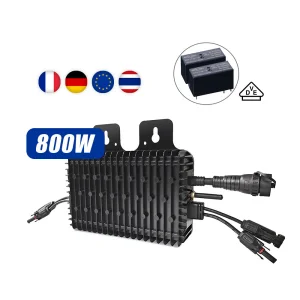
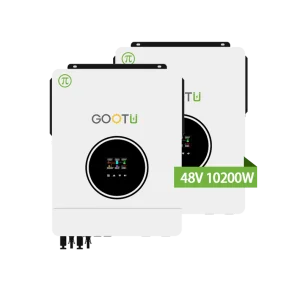
| Solar Microinverter | 300W - 2800W, Pure Sine Wave, WiFi-Enabled | VDE 4105, EN 50549 | Distributed Rooftop Power Systems |
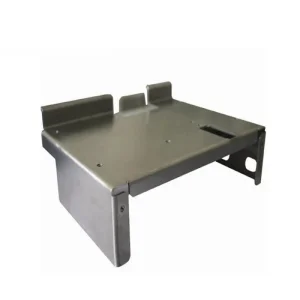
| Structural Mounting Bases | Bent/Stamped Stainless/Carbon Steel Base | ISO 9001, ASTM Standards | Industrial Equipment Bases, Battery Racks |
What to expect as smart grids, artificial intelligence, and new battery chemistries reshape the energy landscape.
Next-generation Energy Management Systems (EMS) rely on artificial intelligence and machine learning to analyze local weather forecasts, historic consumption data, and real-time electricity pricing. By processing this information, the platform automatically schedules when to charge batteries and when to supply power to the facility, maximizing utility savings.
Distributed solar microinverters and localized battery systems are increasingly linked together to form Virtual Power Plants. By grouping these resources, facility owners can sell excess energy back to the local utility during peak demand periods, turning a basic backup storage system into an active revenue source.
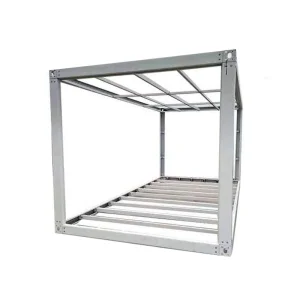
As microgrids grow more complex, they require modular hardware designs. Standardization of components—from pre-fabricated container frames to plug-and-play battery modules—allows developers to easily expand system capacity as their facility's power needs grow.
While new lithium-free battery chemistries are emerging, Lithium Iron Phosphate (LFP) remains the industry standard for commercial and industrial use due to its long life and thermal stability. Ongoing developments focus on improving cycle counts and refining battery thermal management to optimize performance in extreme environments.
Get answers to common queries regarding industrial system configurations, product customization, and installation guidelines.
Explore our full range of solar controllers, microinverters, battery kits, and prefabricated modular structural solutions.
 Luzz Solar