A red light on a solar inverter can look alarming, especially when the display shows an unfamiliar code and your home’s energy app stops updating. But the color alone does not explain the fault. Its meaning varies by inverter brand and model: it may signal a grid issue, an isolation fault, overheating, or a temporary shutdown. So, why is my solar inverter showing a red light? The accurate answer starts with the model-specific status message, not guesswork.
Solar PV engineer Bill Brooks is known for his work on inverter and grid-interconnection issues. A practical reminder for interpreting warning lights is: “A warning light is a clue, not a diagnosis.” Treat that as a troubleshooting principle, not a substitute for your inverter manual or a verified quotation. Note the exact display text, when the light appeared, and whether the system’s monitoring app reports reduced production. A photo of the screen can help a qualified solar technician identify the next safe check.
Some faults clear after conditions stabilize; others need professional attention. Don’t open the inverter or touch wiring. That can expose you to dangerous electrical energy. This guide will explain common red-light patterns, simple observations homeowners can make safely, and when to contact the installer or manufacturer. A useful caution: one blinking light can mean different things across brands. The manual matters.
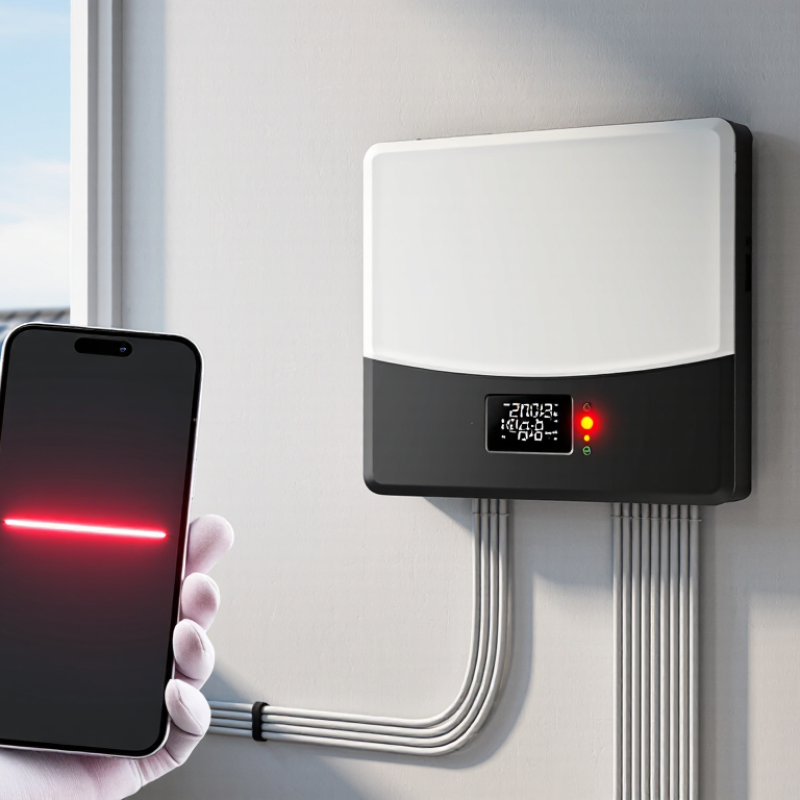
A red light on a solar inverter usually signals a fault, warning, or operating condition that needs attention. Its exact meaning depends on the inverter model and the light’s pattern: steady, flashing, or paired with another indicator. Check the screen for an error code, then compare it with the unit’s manual. A red light does not always mean the system has stopped producing power, but output may be reduced or interrupted. Small detail, big difference.
Common causes include a grid interruption, unusually high or low voltage, overheating, or a problem with the solar panels or battery. Look from a safe distance for obvious changes, such as a blank display or a blocked ventilation area. Do not remove covers or touch wiring. I have seen people assume a warning is harmless because the lights later change; that can be a poor guess. Record the code and when it appeared, and follow the manual’s reset instructions only if it recommends a reset. If the warning stays on, returns, or comes with heat, noise, or a burning smell, stop troubleshooting and contact a qualified solar technician.
| Indicator or situation | What it usually means | Possible causes | What to check | Suggested response |
|---|---|---|---|---|
| Steady red light | The inverter may be reporting a fault, alarm, or shutdown condition. | Grid abnormality, an internal fault, overheating, or an electrical connection issue. | Look for an error code or message on the display or monitoring app. Check whether the inverter is producing power. | Use the manufacturer’s instructions for the specific model. Contact a qualified solar technician if the fault remains or production has stopped. |
| Flashing red light | On some models, flashing red indicates an active warning or a fault that needs attention; the meaning depends on the inverter. | A temporary grid condition, communication issue, startup or shutdown state, or detected system fault. | Note the flash pattern, any displayed code, and whether the light changes after the grid or weather conditions return to normal. | Check the model’s status-light guide. Do not assume a flashing light is harmless if an error is displayed or energy production is affected. |
| Red light with an error code | The code usually gives a more specific indication of the event detected by the inverter. | Codes may relate to grid voltage or frequency, insulation, temperature, communication, or an internal problem. | Record the complete code and message, along with the time it appeared. Consult the manual for that exact model. | Share the code with your installer or service technician. Avoid opening the inverter or handling wiring. |
| Red light and little or no solar production | The inverter may have stopped converting solar energy while a fault or abnormal condition is present. | Inverter shutdown, an AC or DC-side issue, a grid disconnection, or a system protection response. | Check the monitoring app for production and alerts. If safe, visually check for obvious damage or a tripped breaker without removing covers. | Follow the system’s shutdown and restart instructions only if the manual recommends it. Arrange professional service if production does not resume. |
| Red light after a power outage | The inverter may be waiting for the utility grid to return to acceptable conditions before reconnecting. | Ongoing outage, unstable grid voltage or frequency, or a delay built into the inverter’s reconnection process. | Confirm whether household or neighborhood power has returned and check the inverter for a grid-related message. | Allow the model’s normal reconnection period. If the warning continues after grid service is stable, contact your installer. |
| Important: indicator meanings vary by model | A red light does not have one universal meaning. Use the inverter’s own manual or status display to interpret it. Do not open the unit, touch exposed wiring, or repeatedly reset a fault; contact a qualified professional if there is damage, a burning smell, unusual heat, or a persistent alarm. | |||
It may indicate a fault, startup delay, grid interruption, or communication issue. The meaning varies by model. Check the display or monitoring app.
Note the exact code, message, and time. Take a clear photo of the screen. Small details can help a technician.
Check the display or app, then compare its reading with the time of day. An unusual reading is a clue, not a diagnosis.
Some faults may follow either event. That timing can help, but it does not confirm the cause.
No. Do not open the unit or touch cables, switches, or internal wiring. Equipment may remain electrically live in daylight.
From a safe distance, look for visible damage, water nearby, or blocked vents. Leaves and dust can restrict airflow. Stay on the ground.
Follow a homeowner reset only if the manual allows it, the area is dry, and there are no signs of damage. Don’t keep restarting it.
Move away. For smoke or fire, contact emergency services; otherwise, promptly call a qualified solar technician. Keep children and pets clear.
Record it anyway, especially if it returns. I once might have dismissed a brief alert; recurring warnings deserve attention.
A red light on a solar inverter usually signals a warning, fault, or operating condition that needs attention, but its meaning can vary by system. If you’re wondering, “why is my solar inverter showing a red light,” start by checking the display, indicator pattern, and user manual for the status message or fault code. Note whether the light is steady or flashing, and check whether the system is still producing power.
Common causes include a grid interruption, temporary communication issue, overheating, or a system fault. Homeowners can safely check for visible alerts, confirm that the surrounding area is clear and well ventilated, and observe whether the warning clears after conditions return to normal. Do not open the inverter or handle wiring. If the warning persists, production drops, or the display shows a serious fault, contact a qualified solar technician and share the recorded status information.

 Luzz Solar