In the quest for sustainable energy, many ask, "can I use a solar water pump without a battery?" This inquiry reveals a growing interest in solar technology's practical applications. Dr. Emily Hart, a renowned expert in renewable energy systems, emphasizes, "Solar pumps can operate without batteries, but limitations exist."
Solar water pumps directly harness sunlight to function. While this setup may work during the day, performance declines at night or on cloudy days. Users must consider these factors. For gardens, livestock, and irrigation systems, reliability varies. It’s essential to assess specific needs.
Using a solar pump without battery storage may lead to missed opportunities. If water is needed after sunset, solutions become limited. Moreover, understanding the local climate is crucial to ensure optimal performance. While the idea is appealing, some may find dependency on direct sunlight problematic. It's vital to weigh all aspects before deciding on a system.
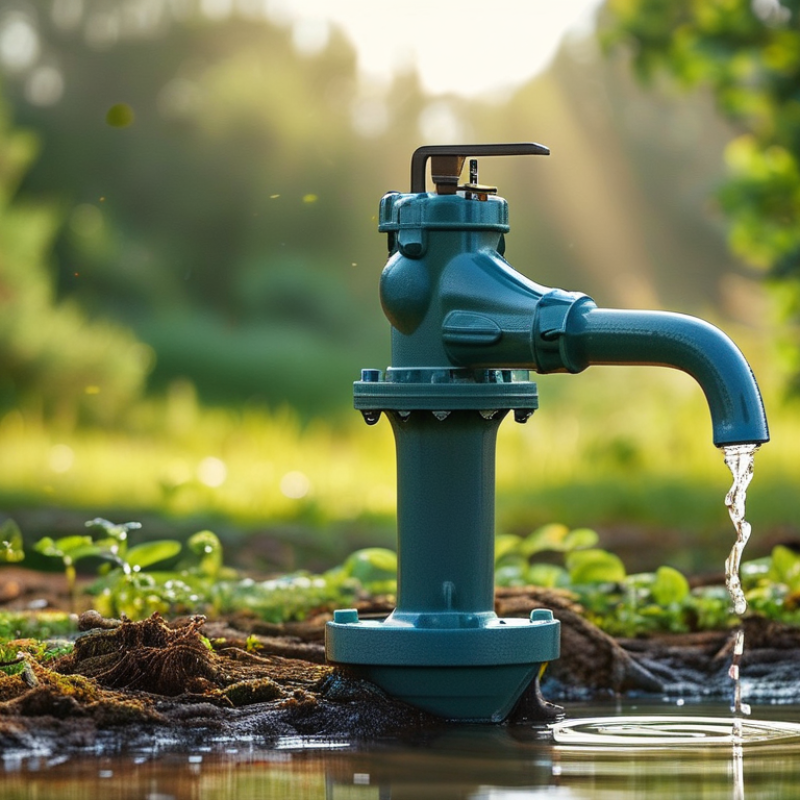
Solar water pumps harness sunlight to move water efficiently. Unlike traditional systems, they operate without grid electricity. This functionality is central to their appeal. A growing trend in renewable energy indicates that solar-powered solutions can be both reliable and efficient. According to industry reports, the solar water pump market is projected to grow by 23% annually over the next five years.
While a battery can enhance a solar water pump's functionality, it is not always necessary. Daylight hours dictate pump operation. During sunny days, these pumps can function effectively, moving large volumes of water. In regions with consistent sunlight, users can experience uninterrupted water supply. However, periods of lower sunlight may lead to inconsistencies. Users should consider their specific needs carefully.
Moreover, maintenance is crucial for optimal performance. Regular inspections can reveal wear or inefficiencies. Often overlooked, the condition of solar panels directly affects pump effectiveness. Failure to address small issues can lead to larger problems. Understanding the balance between energy supply and demand is essential. Striking this balance can enhance the overall effectiveness of a solar water pumping system.
When considering solar water pumping systems, the need for batteries often arises. Batteries store energy, allowing the pump to operate when sunlight isn't available. However, the necessity of batteries depends on specific needs and usage patterns. Research indicates that about 30% of users operate pumps solely during daylight hours. For these users, a battery may be unnecessary.
Environment and usage frequency also play significant roles in battery dependency. High-efficiency solar pumps can function effectively with direct sunlight, eliminating the reliance on batteries for those with consistent daytime needs. Data from renewable energy reports show that around 60% of solar pump users in agriculture rely solely on daytime operations. This approach can cut costs significantly, avoiding battery expenses.
Tips: When evaluating your pump system, consider daily sunlight availability in your area. Install pumps that best align with your needs to enhance efficiency. Assess whether a battery system is a viable option for you based on your water usage patterns. This reflection can ensure optimal performance and reduced energy waste.
Solar water pumps have gained popularity for their efficiency and eco-friendliness. Operating these pumps without batteries presents numerous advantages. One major benefit is the reduction of costs. Without the need for batteries, users can save on initial investments and ongoing maintenance expenses. This makes solar water pumps more accessible for small farms and DIY irrigation systems.
Direct operation of solar water pumps harnesses sunlight effectively. During sunny days, these pumps can draw water from wells or ponds directly. Users benefit from immediate water supply without energy storage issues. This reduces concerns about battery lifespan and performance in extreme weather. However, reliance on sunlight means that operations may be limited during cloudy days, which could pose challenges for some.
Another advantage lies in the simplicity of the setup. Fewer components mean easier installation. This can appeal to those inexperienced in solar technology. However, it also raises questions about reliability during unexpected weather changes. Users may find themselves in situations requiring backup solutions. Overall, while using solar water pumps without batteries has its merits, careful consideration is vital for optimal results.
Using a solar water pump without a battery can seem appealing. However, this approach has notable limitations. Solar water pumps rely on sunlight. If sunlight is intermittent or insufficient, efficiency drops significantly. Studies show that solar energy output decreases during cloudy days or in winter months.
Without a battery, the pump only operates when the sun shines. This can lead to challenges, especially in areas with irregular sunlight. Farmers may face dry periods, limiting access to water for irrigation. Research indicates that many solar water pumping systems without backup storage can operate only about 70% of the time during peak seasons.
Moreover, the pump's water delivery can fluctuate. When sunlight fades, the water flow may slow or cease entirely. This presents reliability concerns for residential and agricultural needs. A report from the International Renewable Energy Agency suggests that integrating battery backup significantly increases operational reliability. Without it, users often face interruptions. While battery-free systems reduce initial setup costs, they may incur hidden expenses linked to inefficiencies.
Solar water pumps have gained popularity due to their efficiency and sustainability.
They can operate without battery storage, making them suitable for various practical applications. For instance, farms can employ these systems for irrigation.
According to recent industry reports, solar water pumps are projected to reduce energy costs by up to 60% compared to traditional pumps.
One common use is in livestock operations. Water for livestock can be accessed without relying on grid electricity. This approach not only saves costs, but also enhances productivity.
However, it's important to consider the time of day. Pumps operate best when sunlight is abundant. Therefore, water needs might not align perfectly with solar availability,
raising concerns about consistent supply.
Tips: Solar water pumps work effectively during peak sunlight hours. Plan your water usage according to this schedule.
Try to implement water storage solutions to capture excess flow.
Another area of application is in remote communities. These systems can provide reliable water access in places where conventional infrastructure is lacking.
Yet, dependence solely on solar energy can present challenges. Seasonal weather changes can affect pump performance, limiting access during critical times.
Exploring hybrid systems may be beneficial for better reliability.
: Solar water pumps use sunlight to move water effectively without grid electricity.
The market is projected to grow by 23% annually over the next five years.
Batteries can enhance functionality but are not always required for operation.
They operate most efficiently during sunny days and peak sunlight hours.
Regular inspections can identify issues that, if ignored, may lead to larger problems.
They can reduce energy costs by up to 60% while providing irrigation.
Yes, they can furnish water without grid reliance, increasing productivity.
Weather changes can limit access, especially during critical times.
They can capture excess water, ensuring supply even when sunlight is low.
Water needs may not match solar availability, leading to inconsistencies in supply.
The article "Can I Use a Solar Water Pump Without a Battery for My Needs?" explores the functionality of solar water pumps and assesses the role of batteries in their operation. It outlines how solar water pumps harness solar energy to provide water solutions, addressing common questions about their independence from battery storage. The advantages of using these pumps without batteries include lower upfront costs and simpler system setups, making them ideal for specific applications where consistent, immediate water access is crucial.
However, the article also highlights limitations and challenges associated with battery-free solar pumping systems, such as dependency on sunlight and potential disruptions during cloudy weather. Ultimately, practical applications of solar water pumps without battery storage demonstrate their effectiveness in various scenarios, affirming that indeed, "can I use a solar water pump without a battery" is a viable consideration for many users.

Luzz Solar