Why is My Solar Inverter Showing a Red Light Here are 5 Tips?

Time:2026-06-15 Author:Liam
0%

As solar energy becomes increasingly vital, understanding your solar inverter's indicators is crucial. One common concern among users is the question, "why is my solar inverter showing a red light?" This issue can indicate several operational problems that may affect energy production and overall efficiency. According to a recent report from the Solar Power Alliance, around 15% of solar inverter issues are linked to indicator light malfunctions. Industry expert Dr. Emily Hart, a solar technology specialist, states, “A red light often signals that something needs immediate attention for optimal performance.”

When you see that red light, it can be alarming. Many factors contribute to this issue, including faulty connections, overheating, or even software glitches. In some cases, the inverter may be performing routine self-diagnostics. However, ignoring these indicators can lead to decreased energy output or, worse, damage to the system. The key is to remain proactive and understand what your inverter is trying to communicate. Identifying the root cause early can prevent costly repairs and ensure your solar investment remains efficient and reliable.
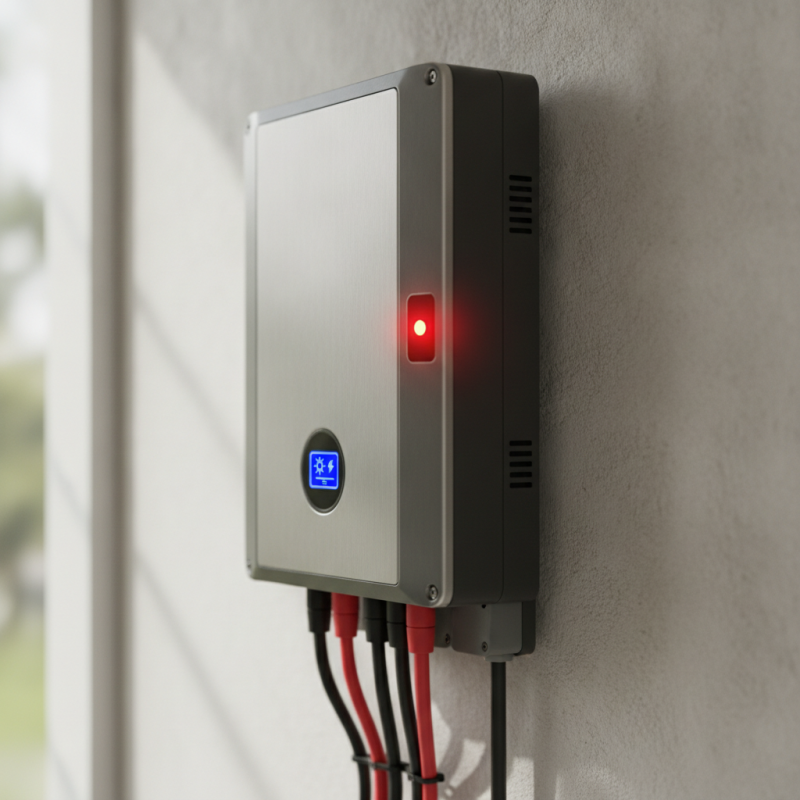
Why is My Solar Inverter Showing a Red Light Here are 5 Tips?

Understanding the Meaning of a Red Light on Your Solar Inverter

A red light on your solar inverter can indicate several issues. Understanding this signal is crucial for system efficiency. According to the Solar Energy Industries Association (SEIA), nearly 20% of solar users encounter performance issues at some point. It’s essential to know what that red light signifies.

A red light may indicate a fault in the solar panel system. This could be due to shading, soiling, or even a malfunctioning inverter. Inverters handle AC conversion and monitor the solar panels. If there’s a problem, they often show a red light to alert you. Leaving these issues unattended can lead to decreased energy production.

Regular maintenance checks are important. Clean panels and ensure there is no obstruction. The National Renewable Energy Laboratory (NREL) notes that proper cleaning can increase energy output by as much as 25%. However, not everyone maintains their systems effectively. Sometimes, the inverter might simply need a reset. It can be helpful to consult with a solar professional for guidance. Recognizing these signals can save time and enhance your solar investment.

Common Causes of Red Light Indications in Solar Inverters

A red light on your solar inverter can signal various issues. Understanding these common causes is crucial for maintaining your system. One frequent reason for the red indication is an overloaded inverter. Experts report that inverters typically have a recommended maximum output. Exceeding this limit can lead to overheating and automatic shutdown, triggering the red light.

Another reason could be a fault in the wiring or connections. Loose or damaged wires may create resistance. This can cause improper voltage supply, which often results in the inverter displaying an error signal. Industry studies show that up to 30% of inverter issues stem from poor installation practices. Regular inspections can help avoid these complications.

Battery issues can also play a role. If batteries are defective or nearing the end of their lifespan, they may not hold a charge effectively. A poorly functioning battery can disrupt the entire system. Some reports indicate that battery-related failures contribute to approximately 25% of all inverter faults. Regular maintenance checks can improve reliability and prevent unexpected shutdowns.

Solar Inverter Red Light Indications

How to Troubleshoot a Solar Inverter with a Red Light Issue

If your solar inverter is showing a red light, it may indicate a malfunction. Understanding how to troubleshoot this issue can save time and money. According to industry reports, approximately 15% of solar inverters face operational issues within the first five years. Knowing common problems can help you act quickly.

Start by checking the input voltage. Ensure the solar panels are generating enough power. Low voltage signals can trigger the red light. If the sun isn't shining, this may be temporary. Another common cause could be overheating. Inverters typically shut down when they exceed safe temperature limits. Keep the unit well-ventilated and in a shaded area for optimal performance.

Inspect the inverter for any visible damage. Frayed wires or corrosion can impact performance. Regular maintenance can also prevent problems. Many inverters have a reset function. If the light persists after checking, try resetting the system to clear faults. Monitoring your inverter's performance helps you identify issues early.

Staying informed about your solar system truly empowers you. An investment in knowledge can lead to better energy efficiency and reliability. Remember that patience is key when diagnosing technical issues. Use these tips to troubleshoot effectively and keep your solar system running smoothly.

Why is My Solar Inverter Showing a Red Light? Here are 5 Tips

Tip Description Potential Causes Solution
Check the Manual Refer to the user manual for specific red light indications. Model-specific errors or alerts. Follow the troubleshooting steps in the manual.
Inspect Connections Ensure all cables and connections are secure and undamaged. Loose or frayed cables. Tighten or replace any damaged cables.
Check for Overheating Make sure the inverter is not in a hot environment. Insufficient ventilation around the inverter. Improve airflow or relocate the inverter.
Monitor Input Voltage Check if the voltage from the solar panels is within range. Insufficient sunlight or faulty solar panels. Clear obstructions or repair/replacement of panels.
Contact a Professional If issues persist, seek help from a certified technician. Complex internal faults. Schedule a maintenance appointment.

Preventive Measures to Avoid Red Light Alerts on Solar Inverters

When a solar inverter shows a red light, it often indicates a critical issue. Many users face this problem due to overheating or voltage fluctuations. Preventive measures are vital to maintain optimal performance. According to the National Renewable Energy Laboratory, proper maintenance can improve inverter lifespan by 30%. Regular inspections help catch issues early.

Dust accumulation on the inverter can hinder performance. Ensure the area around the inverter is clear. Also, check for software updates regularly. A survey by the Solar Energy Industries Association found that 15% of solar system owners neglect software updates. This can lead to inefficiencies.

Lastly, consider environmental factors. Excessive sunlight can cause overheating. Installations should allow for adequate airflow. If your inverter still shows a red light after these actions, contact a professional. Being proactive can save time and money in the long run.

When to Seek Professional Help for Your Solar Inverter Issues

A red light on your solar inverter can indicate various issues, ranging from minor glitches to significant malfunctions. When you see this warning signal, it’s essential to act wisely. Knowing when to seek professional help is crucial for maintaining the efficiency of your solar energy system. According to industry reports, about 30% of solar inverters may require professional assistance within the first five years of installation due to operational failures.

If troubleshooting basic issues does not resolve the problem, professionals can provide insights that DIY fixes may overlook. Many homeowners underestimate the importance of professional evaluation, even for minor red lights. Regular maintenance could enhance system longevity by 25% and prevent costly repairs. If the inverter continues to show a red light after several resets or minor adjustments, it may indicate a deeper issue, such as faulty wiring or failure in internal components.

Additionally, factors like extreme weather can exacerbate issues. A common pitfall is ignoring warning signals, believing they will resolve themselves. Research shows that 60% of solar owners regret not seeking help sooner. Prioritizing professional evaluations can save time and energy in the long run. Inverter issues can lead to decreased efficiency and financial losses if left unaddressed. Address these alerts seriously and consult a professional when necessary.

FAQS

: What does a red light on my solar inverter mean?

: A red light usually indicates a fault within the solar panel system.

How can shading affect my solar system?

Shading can reduce energy production and may trigger a red alert on your inverter.

Why is regular maintenance important for solar inverters?

Regular checks can prevent faults and improve energy output. Clean panels can enhance output by 25%.

What causes an inverter to overheat?

Overloading the inverter or exposure to excessive sunlight can lead to overheating issues.

What are signs of wiring problems in solar systems?

Loose or damaged wires can cause resistance, leading to errors displayed on the inverter.

How often should I check my solar system for issues?

Conduct regular inspections to catch problems early and ensure optimal performance.

Why might my batteries cause system failure?

Defective batteries may fail to hold a charge, contributing to about 25% of inverter issues.

What should I do if the red light persists?

If the red light stays on after checking, consult a solar professional for assistance.

Can neglecting software updates impact system performance?

Yes, outdated software can lead to inefficiencies. Many users overlook this critical step.

What environmental factors should I consider?

Ensure your installation allows for airflow and monitor for excessive sunlight to prevent overheating.

Conclusion

If you've ever wondered "why is my solar inverter showing a red light," it's essential to understand what this alert means. A red light on your solar inverter typically indicates a fault or issue that needs addressing. Common causes include system overload, equipment malfunction, or connectivity problems.

To troubleshoot effectively, first check for any apparent issues such as loose connections or blown fuses. Regular maintenance and monitoring can help prevent these alerts from occurring. However, if you are unable to resolve the problem on your own, it may be time to seek professional help to ensure your solar energy system is functioning optimally. This proactive approach not only maximizes efficiency but also extends the lifespan of your solar inverter.

Liam

Liam

Liam is a dedicated marketing professional with a profound expertise in the industry, where he excels at highlighting the unique advantages of our core products. With a keen understanding of market trends and consumer needs, Liam frequently updates our company’s professional blog, providing......