China Top 10 Pros and Cons of Microinverters vs String Inverters

Time:2026-07-29 Author:Oliver
0%

In the solar energy industry, the choice between microinverters and string inverters is crucial. As experts examine this decision, they often ask, "what are the pros and cons of microinverters vs string inverters?" Mark Thompson, a leading analyst at Solar Tech Insights, states, "Choosing the right inverter impacts both efficiency and cost over the system's lifespan."

Microinverters offer numerous advantages. They maximize energy harvest per panel, especially in shaded conditions. This technology allows for individual panel monitoring, increasing reliability. However, microinverters come with higher installation costs. In contrast, string inverters are more affordable and simpler to install but may lead to energy loss if one panel underperforms.

Ultimately, the decision hinges on site conditions and budget. Homeowners must weigh the benefits of efficiency against the upfront investment. Understanding the unique traits of both options is vital. This knowledge directly influences solar system performance and overall energy savings. In navigating this choice, careful thought is essential.
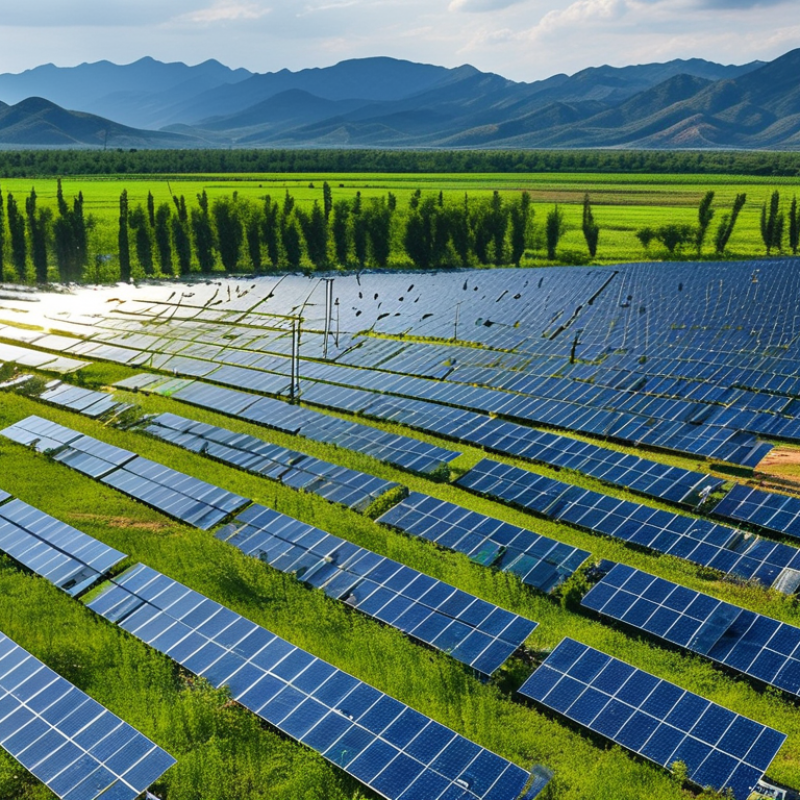
China Top 10 Pros and Cons of Microinverters vs String Inverters

Microinverters: Definition and Functions in Solar Energy Systems

Microinverters play a crucial role in solar energy systems. They are devices that convert direct current (DC) from solar panels into alternating current (AC) for use in homes. Each panel can have its own microinverter, allowing for more efficient energy conversion. This setup maximizes energy production, especially in shaded areas where traditional string inverters might struggle. The distributed architecture of microinverters also enhances system resilience and provides detailed performance monitoring.

However, microinverters are not without challenges. They can be more expensive upfront compared to string inverters. Installation might require more time and expertise. Some users may find the maintenance of multiple microinverters to be cumbersome. Additionally, the long-term reliability of these devices can vary. Often, it is unclear whether microinverters are more durable than conventional alternatives.

Understanding the functions of microinverters is essential for making informed decisions in solar energy investments. While they offer benefits such as improved efficiency and flexibility, the associated costs and potential reliability issues warrant careful consideration. As the solar industry evolves, weighing the pros and cons remains vital for effective energy harnessing.

String Inverters: Overview and Common Applications in PV Systems

String inverters have become a staple in photovoltaic (PV) systems. They convert direct current generated by solar panels into alternating current for household use. Typically, string inverters are used when solar panels are installed on roofs without significant shading issues. They are more cost-effective in terms of initial investment compared to microinverters. According to industry reports, string inverters account for approximately 70% of the global inverter market.

Common applications for string inverters include residential and commercial PV systems. They work efficiently in settings where panels can operate at similar levels of sunlight exposure. However, their performance can decline if even one panel is shaded or malfunctions. Research indicates that systems with string inverters may lose up to 20% of energy output in partially shaded environments. This highlights an important trade-off for users considering performance versus cost.

Despite their prevalence, there are challenges associated with string inverters. Their centralized design means that if one inverter fails, the entire system could be compromised. Maintenance can become tedious, especially for large installations. In contrast to microinverters, the benefits of string inverters should be weighed against these potential drawbacks. This decision requires careful consideration and a thorough understanding of individual system needs.

Efficiency Comparison: Microinverters vs String Inverters (2023 Data)

When comparing microinverters and string inverters, efficiency is a crucial factor to consider. Microinverters operate independently on each solar panel, optimizing the energy output. This can increase overall efficiency, especially in partially shaded areas. In contrast, string inverters connect multiple panels in series. If one panel underperforms, it can drag down the output of the entire string.

Recent data from 2023 shows that microinverters typically yield 10-20% more energy under variable conditions. This gain is significant for homeowners looking to maximize energy production. However, microinverters also come with higher installation costs. The trade-off between efficiency and upfront investment is one many face when choosing a solar system.

String inverters are simpler and often cheaper to install. They may suffice for homes with minimal shading. The reliability of string systems is commendable, but their performance can deteriorate under less-than-ideal circumstances. Homeowners must weigh these pros and cons carefully. Efficiency is key, but budget constraints and installation complexity also play vital roles in the decision-making process.

Efficiency Comparison: Microinverters vs String Inverters

Cost Analysis: Initial Investment vs Long-Term Savings for Each Inverter Type

When evaluating microinverters and string inverters, cost is a critical factor. Microinverters typically require a higher initial investment, often 20% to 30% more than string inverters. This is mainly due to the need for multiple units to convert energy efficiently on a panel-by-panel basis. However, their long-term savings can be substantial. According to a report from the National Renewable Energy Laboratory, homeowners using microinverters may see a 10-15% increase in energy production over time due to better performance in shaded or partially obstructed conditions.

Maintenance costs are also an essential consideration. Microinverters generally have longer warranties, often around 25 years, compared to 5 to 15 years for string inverters. This longevity can lead to reduced replacement expenses in the future. However, potential installation challenges arise. Proper installation is crucial to avoid failures. If not properly set up, microinverters can lead to underperformance.

Long-term savings can be attractive, but they come with trade-offs. Evaluating energy production versus initial costs can be complex. This complexity prompts many homeowners to reflect on their specific energy needs and budgeting strategies to make an informed decision. Balancing upfront costs with future savings requires careful planning and expert consultation.

China Top 10 Pros and Cons of Microinverters vs String Inverters - Cost Analysis

Inverter Type Initial Investment (USD) Long-Term Savings (10 years, USD) Efficiency Rating Maintenance Cost (10 years, USD) Reliability Installation Complexity
Microinverters 3,000 4,500 95% 500 High Moderate
String Inverters 2,000 3,500 90% 300 Moderate Simple

Reliability and Maintenance: Evaluating Longevity and Performance Metrics

When considering microinverters versus string inverters, reliability is crucial. Microinverters tend to have a longer lifespan, often exceeding 25 years. They operate at the panel level, resulting in better performance in shaded conditions. This enhances their efficiency over time, especially in environments with variable sunlight.

On the other hand, string inverters may offer simplicity and a lower initial cost. However, they can struggle when it comes to monitoring individual panel performance. A failure in one string can impact overall system output, leading to increased maintenance needs and potential performance degradation over time.

Maintenance aspects also differ between the two. Microinverters require less frequent service, thanks to their distributed nature. However, string inverters may necessitate regular checks, especially for connections and wires. This trade-off can lead to hidden costs that might not be evident at first glance. Each option has its merits, demanding careful thought and consideration.

FAQS

: What are microinverters used for in solar energy systems?

: Microinverters convert direct current (DC) from solar panels into alternating current (AC) for home use.

What is a key advantage of using microinverters?

Each panel has its own microinverter, maximizing energy production, especially in shaded areas.

How do string inverters differ from microinverters?

String inverters convert DC to AC for all panels together, making them a centralized option, unlike microinverters.

What are common applications for string inverters?

String inverters are commonly used in residential and commercial PV systems with minimal shading issues.

What is a disadvantage of using string inverters?

If one panel is shaded or fails, the entire system may experience reduced performance.

Are microinverters more expensive than string inverters?

Yes, microinverters have a higher upfront cost compared to string inverters, which may be a concern.

What maintenance challenges come with microinverters?

Users may find maintaining multiple microinverters cumbersome, requiring more attention than a single string inverter.

How reliable are microinverters in the long term?

The long-term reliability of microinverters can vary, making durability uncertain compared to traditional models.

Why is it important to understand inverter functions?

Understanding the functions helps make informed decisions about solar energy investments and system efficiency.

What could affect the decision between microinverters and string inverters?

Users need to weigh benefits like efficiency against costs and potential reliability issues for their specific needs.

Conclusion

The article titled "China Top 10 Pros and Cons of Microinverters vs String Inverters" delves into the essential characteristics and functionalities of both inverter types within solar energy systems. Microinverters are highlighted for their ability to optimize the performance of individual solar panels, leading to enhanced energy production and improved efficiency. In contrast, string inverters offer a more straightforward approach, commonly employed in various photovoltaic (PV) applications, but can experience limitations in performance due to shading or panel mismatch.

A comprehensive efficiency comparison using 2023 data reveals the stark differences in performance metrics between microinverters and string inverters. Additionally, the article analyzes the initial investment versus long-term savings for each inverter type, illustrating the financial implications of choosing one over the other. The discussion of reliability and maintenance further evaluates their longevity, providing insights into what are the pros and cons of microinverters vs string inverters for potential investors and users in the solar energy sector.

Oliver

Oliver

Oliver is a seasoned marketing professional with a wealth of expertise in driving brand awareness and engagement. With a deep understanding of our company's product offerings, he consistently delivers high-quality content that enriches our professional blog. His insights not only shed light on......