Balcony solar storage is becoming a practical option for apartment residents with limited space and rising electricity costs. A small photovoltaic panel, compact battery, and approved microinverter can support daily loads such as lights, routers, and refrigerators. Yet apartment conditions differ greatly. Balcony direction, shade, railing strength, and household routines all affect real performance.
This guide explains how to optimize a balcony solar storage system for apartments through careful sizing, safe placement, and realistic energy planning. It considers battery capacity, peak sunlight hours, standby consumption, and usable storage rather than relying on advertised figures alone. For example, a 1 kWh battery may cover evening lighting, but it will not run a large heater overnight. Measurements matter. A plug-in energy meter can reveal that an overlooked network device consumes power continuously.
Safety remains central. Equipment should follow local electrical requirements and manufacturer instructions. Residents should confirm building rules, ventilation needs, weather protection, cable routing, and fire safety before installation. Professional inspection is wise, especially for older buildings or shared balconies. A neat setup is not automatically a safe setup.
Small improvements help.
Charging schedules can match sunny hours. Smart controls can prioritize essential appliances. Regular checks may identify heat, moisture, or unusual battery behavior early. Still, no system performs perfectly in every season. Cloudy weeks, winter shadows, and unexpected evening demand can reduce savings. The best design leaves a practical margin instead of chasing maximum output. This article offers evidence-based guidance, but local conditions should shape every final decision. Forecasts are useful; actual household data is better.
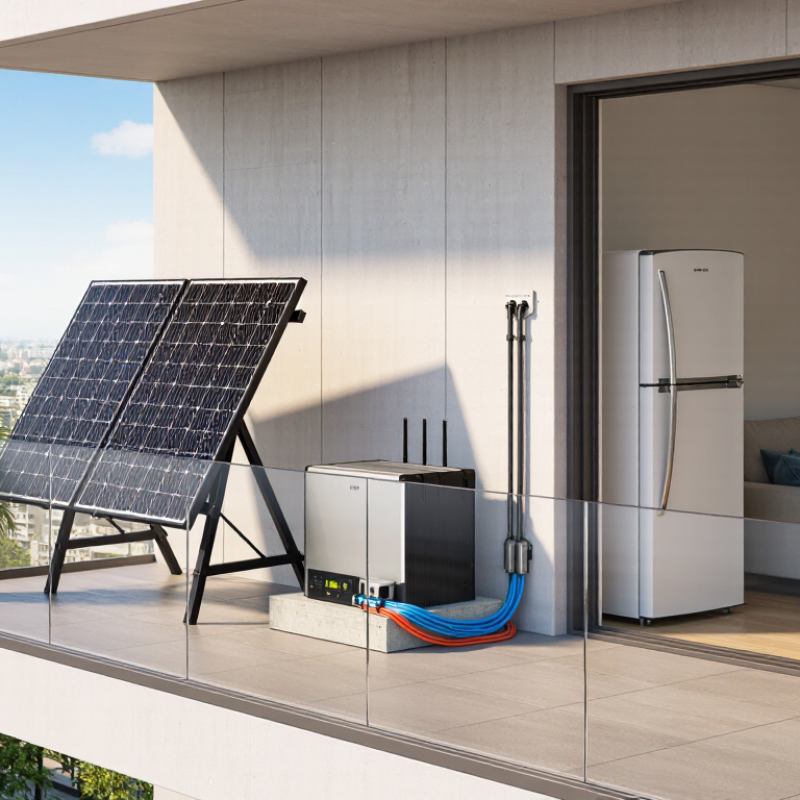
Defining balcony solar storage goals starts with understanding how electricity is used at home. I begin by listing daily appliances, their wattage, and operating hours. A small refrigerator may need steady power, while a kettle creates a short, sharp demand. Measure real consumption when possible. Guesswork can mislead.
A balcony system should match a clear purpose. Some households want to increase daytime self-consumption. Others need limited evening support during costly tariff periods. Backup power requires extra planning, including inverter output, battery capacity, and essential-load priorities. I would separate a refrigerator, router, and medical equipment from optional devices. Keep the list practical.
Sunlight changes the calculation. Nearby walls, railings, and seasonal shadows can reduce charging time. I compare expected solar production with usable battery capacity, not the battery’s advertised maximum. Storage also loses energy during charging and discharging. My first estimate was too optimistic because I ignored winter shade. That mistake changed the target.
Review the setup after several weeks of meter readings. Check whether the battery reaches full charge, empties too early, or remains unused. A modest capacity may perform better than an oversized unit on a shaded balcony. Local electrical rules, building requirements, and professional installation guidance also deserve attention before selecting equipment. Safety matters more than squeezing out one extra kilowatt-hour.
Estimating daily appliance energy use helps determine how much balcony solar generation and battery storage are needed. The values below represent realistic planning estimates for a small apartment during a typical day.
A practical starting point is to size storage around essential evening and nighttime loads rather than the entire household demand. In this example, essential loads use approximately 1.35 kWh per day, while total listed consumption is about 3.95 kWh. A battery with usable capacity slightly above the essential-load requirement can improve backup coverage while reducing unnecessary cost and weight.
Assess the balcony’s solar exposure before choosing a storage system. Track direct sunlight across the day, not just at noon. Nearby walls, railings, trees, and seasonal shadows can reduce output significantly. A simple hourly photo log can reveal weak charging periods. South-facing areas often perform well, but orientation alone is not enough.
Measure the usable floor area and keep ventilation paths clear. Storage equipment should never block doors, drainage outlets, or emergency access. Check the balcony’s permitted weight, including the battery, mounting frame, cables, and a safety margin. For example, a 30-kilogram unit may create greater pressure on a small support point. Ask a qualified structural professional when the load rating is unclear. Do not guess.
Safety conditions deserve careful attention. Use weather-rated equipment designed for the installation environment. Keep batteries away from standing water, extreme heat, and combustible materials. Inspect cables for cuts, loose connections, or unusual warmth. A certified electrician should verify the circuit, protective devices, and grounding before connection. Building management rules may also apply. I have seen compact installations fail because ventilation was treated as optional. That mistake is easy to repeat. Leave enough working space for inspection and maintenance, even if the balcony feels crowded.
Balcony solar storage works best when every component matches electrically and physically. Start by checking the panel’s voltage, current, and peak output under local sunlight conditions. A panel with high wattage is not automatically the right choice. Its operating range must fit the inverter’s input limits, especially during cold, bright mornings. Partial shade from railings can also reduce production more than expected.
Choose a battery with suitable voltage, usable capacity, and a dependable battery management system. For a small apartment, capacity should reflect evening loads rather than optimistic daily estimates. Measure actual use from lighting, networking equipment, and small appliances. Leave safety margins. Batteries also need ventilation, stable temperatures, and protection from rain. I have found that storage plans often fail because users size batteries for rare peak demand.
The inverter should support the panel configuration, battery chemistry, and required protection functions. Confirm its continuous output, surge rating, monitoring accuracy, and charging limits. Mounting equipment deserves equal attention. Rails, clamps, and brackets must support the combined weight and resist local wind exposure. Do not rely on improvised balcony fittings. A qualified installer should inspect the structure, cable routing, grounding, and building requirements. Compatibility is more than matching connectors. It is a system test. Even careful designs may need adjustment after observing real shading, temperature, and household consumption.
Balcony solar storage works best when charging settings match daily electricity use. Set charging to absorb surplus solar power instead of drawing unnecessary grid energy. A practical target is to keep the battery between 20% and 90% capacity. This range can reduce stress on the cells. Leave some reserve for evening loads and unexpected outages. Charging too aggressively may increase heat, especially in a small, poorly ventilated balcony space. I once underestimated afternoon heat, and the system reduced its output automatically.
Discharging should follow real household demand. Schedule release during expensive periods, if local tariffs support this option. Keep essential devices within the battery’s continuous power rating. Monitoring should show battery temperature, voltage, input power, output power, and fault alerts. Check the dashboard weekly, but do not trust one reading blindly. Compare it with a plug-in meter when results seem unusual. Grid protection also matters. Use approved equipment with anti-islanding protection, overvoltage protection, and automatic shutdown functions. A qualified electrician should verify the connection and local requirements.
Tips: Keep vents clear. Avoid direct rain and harsh sunlight. Set alerts for high temperature and low capacity. Review settings after cloudy weeks, because fixed schedules can waste available storage. Perfect settings do not exist. Record real performance and adjust carefully.
Balcony solar storage performs best when its real behavior is tested, not guessed. I record daily solar input, battery charge levels, and evening consumption for two weeks. A simple energy meter can reveal unexpected losses. I also compare cloudy and sunny days. Small differences matter.
My first testing schedule was too rigid. Weather changed everything. Now, I inspect cable connections, ventilation gaps, and visible damage every month. Dust on panels can reduce production, especially after dry, windy weeks. I clean them with soft water and a non-abrasive cloth. Battery warnings deserve attention. I never open the battery casing or alter electrical protection devices. A qualified professional should handle faults and installation changes.
Seasonal adjustments improve practical performance. In summer, I shift more appliance use toward midday, when solar generation is strongest. In winter, shorter daylight may require lower evening consumption. I also check whether cold temperatures reduce storage capacity. During long absences, I follow the system’s approved storage setting instead of guessing. This is not always convenient. I sometimes forget to update my schedule after a sudden weather change, and the battery remains fuller than necessary. Reviewing weekly data helps correct that mistake. Local regulations and the manufacturer’s technical instructions should guide every adjustment.
Check panel voltage, current, and peak output against the inverter’s input limits. High wattage alone proves little. Cold, bright mornings can raise panel voltage. Partial shade from balcony railings may reduce production sharply.
Measure evening use from lights, routers, and small appliances. Choose usable capacity for normal demand, not rare peak consumption. Leave a safety margin. My early estimates were too optimistic.
Keep the battery ventilated, dry, and away from harsh heat. Protect it from rain and unstable temperatures. A clear balcony space helps. Small areas can become surprisingly hot.
Rails, clamps, and brackets must support the system’s combined weight. They should also resist local wind exposure. Avoid improvised balcony fittings. A qualified installer should inspect the structure and cable route.
Charge mainly from surplus solar power, rather than unnecessary grid electricity. A 20% to 90% battery range is a practical target. Avoid aggressive charging in poorly ventilated spaces. Heat matters.
Schedule discharge during expensive periods when local tariffs support it. Keep essential devices below the battery’s continuous power rating. Evening lighting is easier to estimate than sudden appliance loads.
Useful readings include battery temperature, voltage, input power, output power, and fault alerts. Check the dashboard weekly. Compare unusual readings with a plug-in meter. One reading can mislead.
Use approved equipment with anti-islanding, overvoltage protection, and automatic shutdown functions. A qualified electrician should verify the connection. Keep vents clear and review settings after cloudy weeks. Perfect settings do not exist.
Optimizing balcony solar storage begins with clear goals: determine how much energy your apartment uses, which appliances matter most, and whether you want backup power, lower grid consumption, or greater renewable energy use. To understand how to optimize a balcony solar storage system for apartments, evaluate daily electricity demand alongside available sunlight, balcony orientation, usable floor or wall space, weight limits, ventilation, weather exposure, and safe access. These factors help create a practical and secure design.
Select solar panels, batteries, inverters, cables, and mounting equipment that are electrically compatible and properly sized for the available space. Configure charging and discharging settings to match household routines, while using monitoring tools to track output, battery levels, and system efficiency. Grid protection and professional installation should be prioritized where required. Finally, test the system under different loads, inspect connections regularly, clean panels safely, and adjust usage or settings across changing seasons to maintain reliable performance and extend equipment life.

Luzz Solar