2026 How to Find the Best Angle for Solar Panel Installation?

Time:2026-07-01 Author:Henry
0%

Determining the optimal angle for solar panel installation is crucial for maximizing energy efficiency. Many homeowners wonder, "what is the best angle to install solar panels?" The answer depends on various factors such as geographic location, season, and roof pitch. Understanding these elements can significantly impact solar output.

For instance, in the Northern Hemisphere, a general guideline suggests tilting panels at an angle equal to the latitude of your location for year-round efficiency. However, seasonal adjustments may enhance performance further. Some might find this approach challenging, as consistent monitoring is needed for adjustments. Many people may not realize the importance of these details.

Investing in solar panels is significant. Small miscalculations can lead to decreased energy production. Researching local climate conditions and consulting experts adds credibility to your choices. Evaluate various angles and consider their implications on energy savings. The best angle is not just about numbers; it is about informed decisions leading to effective solar energy use.
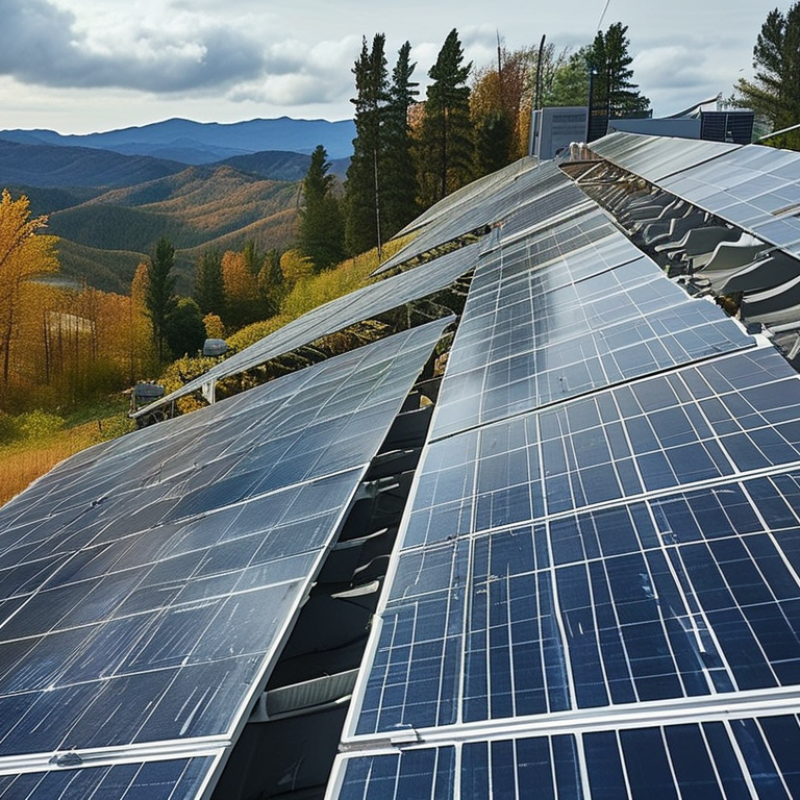
2026 How to Find the Best Angle for Solar Panel Installation?

Understanding the Importance of Angle in Solar Panel Efficiency

The angle at which solar panels are installed significantly impacts their efficiency. A well-placed panel can capture sunlight more effectively, converting it into usable energy. In areas with abundant sunlight, the optimal angle may vary based on geographic location and seasonal changes. A steep angle might be beneficial in winter to catch low sunlight, while a flatter position works best in summer.

Understanding these nuances requires more than theoretical knowledge. It involves practical experience in different environments. Even minor adjustments in tilt can lead to noticeable differences in energy output. Many installers often overlook the impact of local weather patterns, resulting in less optimal installations. Recognizing these factors can help homeowners maximize their solar energy systems.

Moreover, users should be aware of potential trade-offs. Adjusting panels seasonally could be more efficient but also labor-intensive. It's essential to weigh the benefits against the effort involved. Regular maintenance and angle adjustments are crucial for long-term efficiency. Thoughtful consideration of these aspects helps in making informed decisions.

Factors Influencing the Optimal Angle for Solar Panel Installation

Choosing the right angle for solar panel installation is crucial for maximizing energy efficiency. Various factors significantly impact the optimal tilt. One key consideration is geographical location. Areas closer to the equator benefit from less variation in sunlight. Conversely, regions farther north or south require adjustments for seasonal sunlight changes.

Moreover, the angle of installation can be influenced by the roof's pitch. A steeper roof might limit placement options. In contrast, flat roofs offer flexibility but may require mounting systems to adjust the angle. Weather patterns also play a role. For instance, areas with heavy snowfall may need a steeper installation to prevent accumulation.

It's important to reflect on how time of year affects sunlight exposure. In winter, the sun is lower in the sky, necessitating a steeper angle. However, a fixed angle may not adapt well to seasonal changes. Testing different angles and observing their performance can lead to better decisions. This experimentation can uncover the most efficient setup for your specific conditions.

Methods to Calculate the Ideal Solar Panel Angle

When looking for the best angle for solar panel installation, understanding your location's sun path is crucial. The sun's angle changes with seasons, affecting energy production. A panel tilted at the right degree increases efficiency. Many suggest adjusting your panels twice a year, optimizing energy capture. This practice ensures panels are not static and adapt to seasonal changes.

To calculate the ideal angle, first, consider the latitude of your location. A simple formula involves adding or subtracting 15 degrees based on the seasons. For instance, steep angles work better in winter, while lower angles are ideal for summer. Local weather conditions also play a role. Areas with frequent cloud cover might benefit from a different tilt than sunnier regions.

However, calculating the perfect angle can be complex. Factors like nearby obstructions and roof structure can affect sunlight exposure. It's essential to reflect on these variables. Not all homes are suited for a standard angle. Sometimes, a trial-and-error approach helps. Testing different angles on a small scale can provide valuable insights into optimizing your solar panel system.

2026 How to Find the Best Angle for Solar Panel Installation? - Methods to Calculate the Ideal Solar Panel Angle

Location Latitude Optimal Angle (Degrees) Seasonal Adjustment (Winter) Seasonal Adjustment (Summer)
Los Angeles, CA 34.05° N 30 45 15
New York, NY 40.71° N 40 55 25
Miami, FL 25.76° N 20 35 5
Chicago, IL 41.88° N 42 60 30
Seattle, WA 47.61° N 45 60 30

Adjusting Solar Panel Angle for Seasonal Variations

When installing solar panels, adjusting their angle seasonally can maximize energy capture. As the sun's position changes throughout the year, so should the orientation of your panels. In winter, the sun is lower in the sky. A steeper angle can help collect sunlight more efficiently. Conversely, in summer, a flatter angle may work better to optimize exposure.

Seasonal adjustments require knowledge of your local climate. Areas closer to the equator may have less variation in sun angle. Experimenting with different positions can lead to discovery. However, it’s important to monitor performance regularly. Make note of changes in energy output. This data can guide future adjustments.

Many homeowners overlook the need for seasonal adjustments. They install panels and forget about them. Fortunately, even small changes can make a difference in energy production. Removing debris or snow can also improve performance. Sometimes the smallest tweaks yield the best results. Keep learning and adapting your strategy for optimal results.

Tools and Resources for Finding the Best Installation Angle

When installing solar panels, the angle is crucial. The right tilt maximizes sunlight absorption, improving energy efficiency. Use online calculators to determine optimal angles based on your location. These tools consider latitude, weather patterns, and seasonal variations. Gathering accurate data is vital for effective calculations.

Utilizing apps and software can enhance your planning process. Some provide visual simulations, showing how shadows may impact performance throughout the year. You may need to adjust your angle seasonally to adapt to changing sun positions. Many people overlook this, assuming a fixed angle is sufficient.

Consult local guidelines and solar experts to refine your approach. They can provide insights based on regional conditions. Be mindful that even slight adjustments can make a notable difference. Experimenting with different angles might reveal unexpected benefits. Stay informed and remain open to adjustments; the journey to solar efficiency is not always straightforward.

Optimal Installation Angles for Solar Panels by Latitude

FAQS

: Why is the angle of solar panel installation important?

: The correct angle maximizes energy efficiency and captures more sunlight throughout the year.

How does geographical location influence the panel angle?

Closer to the equator means less sunlight variation. Farther regions need angle adjustments for seasonal changes.

What roof type affects solar panel installation?

Steeper roofs limit placement options, while flat roofs allow flexibility but may need adjustable mounting systems.

How does winter affect solar panel angle settings?

In winter, the sun is lower, requiring a steeper angle to capture optimal sunlight.

Should I adjust my solar panels seasonally?

Yes, adjusting twice a year can optimize energy capture; static panels may underperform.

How can I calculate the ideal angle for my solar panels?

Consider your latitude and adjust by 15 degrees for seasonal changes. Test different angles for best results.

What local conditions should I consider?

Frequent cloud cover or nearby obstructions can necessitate different tilt angles for improved energy capture.

Is there a standard angle for all homes?

No, not all homes are suited for a standard angle; conditions vary, requiring personalized setups.

Why might testing different angles be beneficial?

Experimenting with angles on a small scale can reveal the most efficient setup for your unique situation.

What challenges might I face in determining the ideal angle?

Roof structure and environmental factors can complicate angle calculations. Reflecting on these can lead to better decisions.

Conclusion

Determining what is the best angle to install solar panels is crucial for maximizing their efficiency and energy output. The optimal angle is influenced by various factors, including geographical location, the time of year, and the specific orientation of the installation site. By understanding these elements, one can better assess the ideal angle for solar panel installation.

To calculate the best angle, several methods can be employed, including using online calculators or consulting solar energy experts. Additionally, seasonal adjustments may be necessary to account for the changing sun position throughout the year. Utilizing the right tools and resources can significantly enhance the accuracy of angle determination, ensuring that solar panels are installed at the most beneficial angle for effective energy collection.

Henry

Henry

Henry is a dedicated marketing professional with a profound expertise in the company's offerings. With years of experience in the industry, he possesses an impressive understanding of the market dynamics and consumer behaviors that drive success. Henry is committed to sharing his insights through......