How to Winterize Your Solar Water Pump System Effectively?

Time:2026-08-03 Author:Amelia
0%

Winter can be harsh on solar water pump systems. Proper winterization is crucial to ensure optimal performance in the colder months. Knowing how to maintain a solar water pump system in winter is essential for longevity and efficiency.

Temperature drops and frost can damage various components, leading to costly repairs. Insulated pipes and protective covers can safeguard your system from chilling winds. Regular checks are necessary to identify wear and tear. During winter, sunlight might be limited, affecting energy production. Therefore, understanding your system's specific needs is vital to prevent failures.

Many owners overlook the significance of winter maintenance. Simple actions can save time and money. Reviewing the manufacturer’s guidelines can provide insights on necessary protection measures. Ultimately, being proactive can prevent bigger problems. When you invest time in your solar water pump system, you ensure it continues to serve you well year-round.
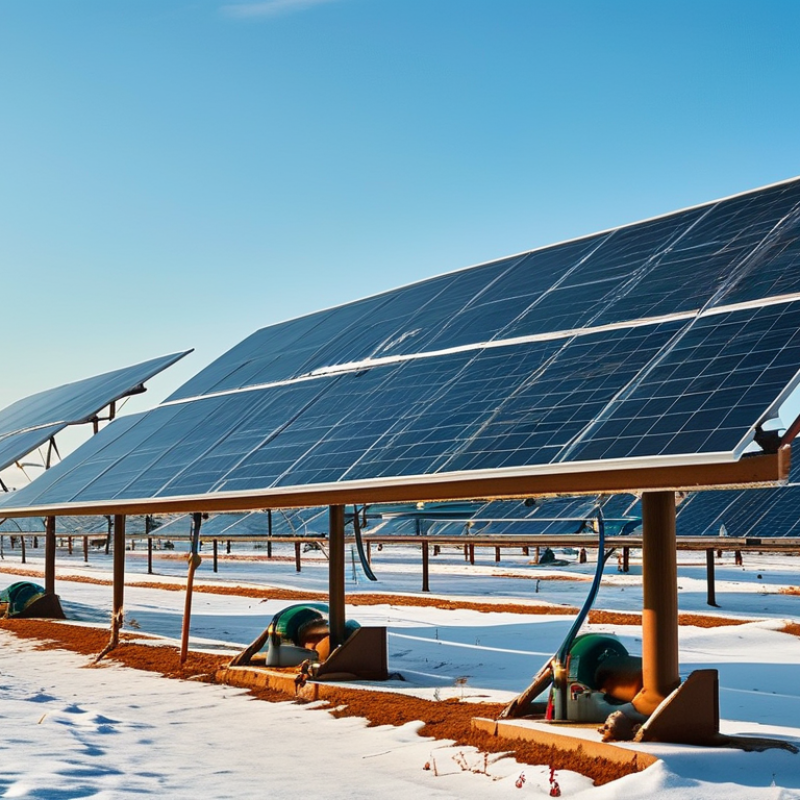
How to Winterize Your Solar Water Pump System Effectively?

Understanding the Importance of Winterizing Solar Water Pumps

Proper winterization of solar water pump systems is crucial. The cold months can bring freezing temperatures that damage pipes and pumps. Understanding the importance of this process can save you time and money in repairs. Many underestimate the impact cold weather can have on their systems.

One key step is draining the system. Water left in the pipes can freeze, expanding and causing cracks. Additionally, you should insulate exposed pipes with foam covers. These materials can help protect vulnerable sections from the harsh winter air. Regular inspection of the system for any wear and tear is also vital. It’s easy to overlook these details until it’s too late.

Another aspect to consider is the pump’s location. If it is in a shaded area, it may be more susceptible to freeze. Moving it or adding a heat source can be effective solutions. It’s essential to reflect on your setup and identify any weaknesses. Winterizing is not just a task, but an ongoing commitment to system longevity. Pay attention to these details, and your system will remain reliable when needed the most.

Winterization Steps for Solar Water Pumps

This chart illustrates the estimated time in hours required to complete various steps involved in winterizing a solar water pump system. Each step is crucial for ensuring the longevity and efficient operation of the pump during the winter months.

Step-by-Step Guide to Preparing Your Solar Water Pump for Winter

Preparing your solar water pump system for winter is crucial. Cold temperatures and snow can damage the system if not addressed. Follow these steps to winterize effectively.

Firstly, start by draining the pump. Remove any water remaining in the pipes and the pump itself. This helps prevent freeze-related damage. Clean the filters and any debris from the system. It's essential for maintaining efficiency when spring arrives.

Tips: Use an air compressor to blow out lines. It’s an effective method for removing stubborn water pockets.

Next, inspect all components, including panels and wiring. Look for wear and tear. Replace any damaged parts to ensure functionality. Cover the panels to protect them from heavy snow or ice buildup. A simple tarp works wonders for shielding.

Tips: Schedule regular maintenance checks. Consider a professional service if unsure about your condition.

Finally, monitor the temperature regularly. If it dips too low, consider supplemental heating options. Always remember that your effort now can save you from costly repairs later.

How to Winterize Your Solar Water Pump System Effectively

Step Task Description Estimated Time
1 Disconnect Power Turn off the main power supply to the solar water pump system to ensure safety during winterization. 10 minutes
2 Drain the System Remove all water from the pump, pipes, and storage tank to prevent freeze damage. 30 minutes
3 Inspect Components Check for any wear or damage in the pump and pipes to ensure they are ready for next season. 20 minutes
4 Store Components Store any detachable components in a dry, insulated location to prevent them from freezing. 15 minutes
5 Cover System Use a protective cover or tarp to shield the entire solar water pump system from snow and ice. 10 minutes

Draining Water and Preventing Ice Damage in the Pump System

Winterizing your solar water pump system is essential to prevent ice damage, especially during harsh weather conditions. One crucial step is draining water from the pump and associated pipes. Water left in the system can freeze, expand, and cause cracks. To effectively drain the system, ensure you locate all the drain valves and open them fully. Allow any residual water to escape completely.

It's easy to overlook small areas where water might remain. Pay close attention to the fittings and connectors. These spots can trap water and lead to significant problems later. Regular checks before winter hits can reveal potential risks. Consider using compressed air to blow out stubborn water if needed.

Beyond draining, proper insulation is key. Wrapping pipes in foam insulation can help. However, not all areas may be accessible for insulation. Reflect on your specific situation and make adjustments as necessary. You might find that dedicating time each fall can save you from costly repairs.

Insulating Pipes and Components to Ensure System Longevity

Winterizing your solar water pump system is crucial for its longevity. Insulating pipes and components prevents freezing, which can cause severe damage. The first step is to identify vulnerable areas. Pipe insulation sleeves are effective. They are easy to find and apply. Use bubble wrap or foam insulation around exposed pipes. This simple action can save you from costly repairs.


Pay attention to outdoor components as well. Pumps and controllers can be sensitive to cold. If possible, house them in a shed or insulated box. Even a thick blanket can provide necessary warmth. Covering the solar panels with snow-proof covers protects them from harsh weather. However, remember to check regularly for any trapped moisture.


Regular maintenance is key. Inspect all components for wear. Frayed wires or cracks indicate a need for replacement. Keep connections tight and secure. A well-maintained system performs better and lasts longer. Don’t overlook the importance of insulation. It may feel like an extra task, but the benefits are undeniable. Each step you take contributes to a reliable system.

Final Checks and Maintenance Tips for Solar Water Pumps in Winter

Winterizing your solar water pump system is crucial for optimal operation during the colder months. According to recent studies, up to 30% of solar pump systems fail to perform efficiently due to improper winterization. To prevent damage, start by draining all water from the system. Water left in pipes can freeze and cause cracks.

Maintain the solar panels by clearing off snow and debris. A clean panel can increase efficiency by up to 25%. Regular checks on the wiring and connections are essential too. Look for any signs of fraying or wear. Replace any damaged components to ensure continuity in operation.

Tip: Use insulating tape on exposed pipes. This simple method can significantly reduce the risk of freezing. Check the fluid levels in your pump system, too. Low fluid levels can lead to overheating and failure.

Don’t forget to monitor weather conditions. Extreme cold can affect how your system operates. Regular maintenance is key. Even small neglect can lead to larger problems later. Stay proactive and check your system routinely throughout winter.

FAQS

: Why is it important to drain the solar water pump system in winter?

: Draining prevents water from freezing and causing cracks in pipes.

How can I ensure all water is drained from the system?

Locate all drain valves and open them fully. Check for residual water in fittings.

What should I use to remove stubborn water from the system?

Compressed air can effectively blow out trapped water in difficult areas.

How can I insulate my pipes to protect them from freezing?

Use pipe insulation sleeves or wrap them with bubble wrap or foam.

What should I do with outdoor components during winter?

House pumps and controllers in insulated boxes or sheds to protect against the cold.

How often should I perform maintenance checks on the pump system?

Regular checks are necessary. Inspect components for wear and replace damaged parts.

What effect does cleaning solar panels have on performance?

Keeping panels clean can increase efficiency by up to 25%.

What is a simple method to reduce freezing risk on pipes?

Applying insulating tape to exposed pipes can significantly lower freezing chances.

How can low fluid levels in the pump affect operation?

They can lead to overheating and potential system failure.

What should I monitor to ensure effective operation during winter?

Keep an eye on weather conditions, as extreme cold can impact your system’s performance.

Conclusion

To effectively winterize your solar water pump system, it's essential to understand the importance of preventative maintenance during colder months. The first step involves carefully draining water from the pump and its components to prevent ice damage. Insulating pipes and other critical parts of the system is crucial in ensuring longevity and operational efficiency throughout winter.

Additionally, performing final checks and routine maintenance can significantly enhance the performance of your solar water pump system in winter. By following these steps, you'll learn how to maintain a solar water pump system in winter, safeguarding it against harsh conditions and extending its lifespan. Proper winterization not only protects your investment but also ensures reliable functionality when warmer temperatures return.

Amelia

Amelia

Amelia is a seasoned marketing professional with a wealth of expertise in our company’s core offerings. With an unwavering passion for driving growth and innovation, she plays a pivotal role in shaping our marketing strategies and enhancing brand visibility. A key aspect of her responsibilities......