When considering solar energy for your home, one critical question arises: how to calculate how many solar panels I need for my house. This calculation is essential for maximizing efficiency and ensuring you harness sufficient energy. Understanding your energy needs is the first step.
Factors like your home’s size, location, and energy consumption patterns all play a role. For example, a larger home in a sunnier area may require more panels than a smaller one in a shaded region. It's crucial to gather data from your utility bills to make an accurate assessment. Reflecting on this data can reveal patterns in your usage, which is often overlooked.
Moreover, consulting with professional installers can provide insights into panel efficiency and placement, enhancing your overall system’s performance. This process may feel daunting at first, but each step brings you closer to harnessing renewable energy. Remember, the journey to solar energy is not just about installation; it’s about understanding your unique needs and making informed decisions.
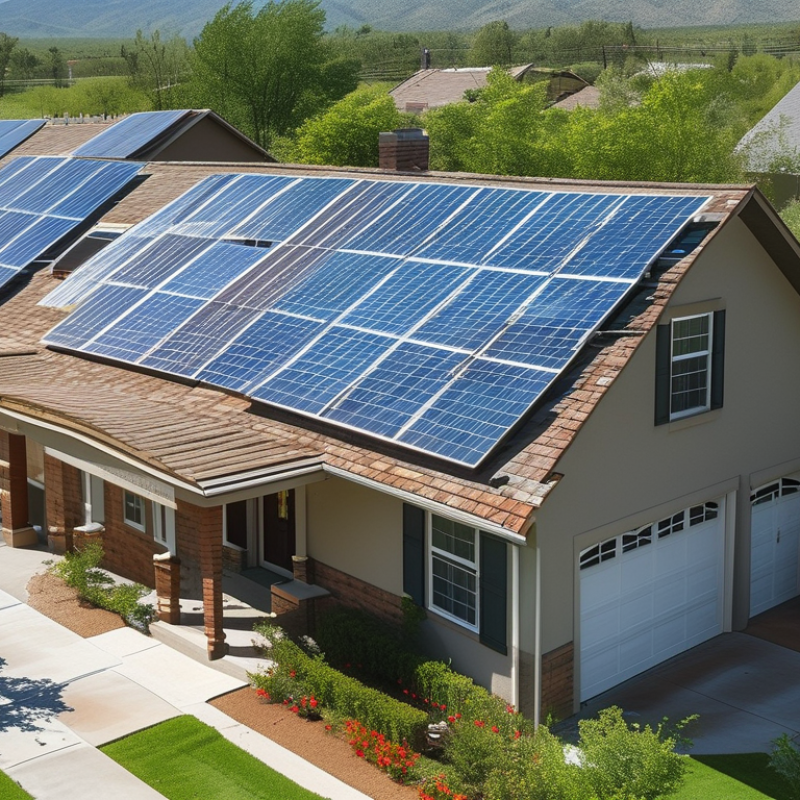
Understanding Your Energy Needs for Solar Panel Calculation
When determining the number of solar panels needed for your home, understanding your energy needs is essential. Begin by reviewing your electric bills from the past year. This practice helps identify your average monthly energy consumption, typically measured in kilowatt-hours (kWh). According to the U.S. Energy Information Administration, the average American household uses about 877 kWh per month.
Next, assess the average sunlight hours at your location. Regions with more sunshine generate more energy from solar panels. For instance, areas in the southwestern U.S. can see up to 6-7 hours of peak sunlight daily, while northern states might average only 4-5 hours. The National Renewable Energy Laboratory (NREL) reports that one solar panel can produce around 300 watts under optimal sunlight.
Finally, consider system efficiency. Not all generated energy is used effectively due to inefficiencies and losses. A rule of thumb is to account for a 20% efficiency loss in solar energy systems. This means precise calculations are crucial. Real-world adjustments will be necessary as weather conditions or energy demands change. Each home's energy profile is unique, requiring personal evaluation and reflection on these factors before moving forward.
Evaluating the Efficiency of Solar Panels in Your Area
When assessing the efficiency of solar panels, local environmental factors play a vital role. Geographic location, climate, and seasonal weather patterns impact solar energy production. Areas with ample sunshine yield more electricity from solar panels. For instance, a sunny region in the Southwest can produce significantly more energy compared to a cloudier region in the Northwest.
Moreover, the angle and orientation of your solar panels must be customized to maximize exposure to sunlight. South-facing panels typically receive the most sunlight, resulting in higher efficiency. It's also important to evaluate any potential obstacles, like trees or buildings. These can cast shadows and significantly reduce solar energy generation.
Regular maintenance of solar panels is essential as well. Dust, dirt, and debris accumulation can block sunlight, lowering efficiency over time. Monitoring your solar system’s performance can reveal patterns and areas for improvement. Understanding these factors can help homeowners make informed decisions about solar energy investments, resulting in better energy production and cost savings.
How to Calculate the Number of Solar Panels for My House?
This chart illustrates the average solar panel efficiency based on various locations, showcasing how the panel output varies in different regions. The data reflects average sunlight hours and estimated efficiency rates for different areas.
Calculating the Solar Panel Output Required for Your Household
To calculate the solar panel output required for your household, start by assessing your energy needs. The average American home consumes about 877 kWh per month, according to the U.S. Energy Information Administration. Break this down into daily usage, which averages around 29 kWh. This figure informs how much energy your solar panels must generate.
Next, assess your location. Solar panel efficiency varies based on sunlight exposure. For example, homes in sunny states can generate more energy. On average, each solar panel produces about 300 watts per hour, under ideal conditions. To cover your daily needs, around 30 panels are typically required, assuming optimal sunlight. However, this number can fluctuate based on factors like shading and roof orientation.
Tips: Consider your roof size and layout. Measure the available area for panels. Ensure it receives ample sunlight throughout the day. Also, examine your electricity bill for a more tailored estimate.
Furthermore, think about future energy needs. If you plan to add electric vehicles or significant appliances, adjust your calculations accordingly. It’s wise to discuss your specific requirements with a local expert. They can provide personalized estimates that reflect your unique situation.
Lastly, review state and federal incentives. These can significantly impact overall costs and savings. Make informed decisions that align with your energy goals.
Determining the Roof Space Needed for Solar Panel Installation
When determining the roof space needed for solar panel installation, several key factors come into play. One of the most critical is the total wattage required for your home's energy needs. The average American home requires about 8,000 to 12,000 kilowatt-hours (kWh) per year. If you assume a solar panel generates around 250 to 400 watts, you can gauge how many panels you'll need. For instance, a 300-watt panel might produce around 1,000 kWh annually.
Next, consider the area available on your roof. The average solar panel measures about 65 inches by 39 inches, translating to around 17.6 square feet. Therefore, if you have a roof space of 300 square feet, you could fit around 17 panels. However, factors such as shading, orientation, and tilt can affect actual performance. Research indicates that installations facing south with minimal shading can generate about 25% more energy than those facing east or west.
It's also essential to think about local regulations and potential incentives. Some regions may have strict installation guidelines, impacting panel placement. Additionally, the National Renewable Energy Laboratory (NREL) suggests that in specific climates, more panels might be required to offset seasonal energy spikes. Understanding these variables can help you make a more informed decision about your solar energy needs.
Estimating the Costs and Benefits of Solar Panel Investment
When considering solar panel investment, it’s crucial to weigh both costs and benefits. An average residential solar panel system can range from $15,000 to $25,000 before any tax credits or incentives. According to the Solar Energy Industries Association (SEIA), homeowners can recoup 70% of this cost through savings over the lifespan of the system, which typically lasts about 25 years. However, this estimation can vary based on local electricity rates and sunlight availability.
Homeowners should calculate their energy consumption to estimate costs accurately. The average U.S. home uses about 877 kWh per month. To power this consumption, a system of 20-25 solar panels might be needed, depending on panel efficiency. Financial incentives also play a role. The federal solar tax credit allows for a deduction of 26% from the total cost of the system until 2023. This benefit significantly impacts initial expenditure but may require upfront capital that some homeowners may find challenging.
Backing your financial decisions with reliable data is essential. Local incentives can differ significantly, creating a varied return on investment. An in-depth analysis of personal energy needs against potential savings ensures informed decisions. Ignoring these aspects could lead to a miscalculation in overall benefits.
How to Calculate the Number of Solar Panels for My House?
| Dimension |
Value |
| Average Daily Energy Consumption (kWh) |
30 |
| Peak Sunlight Hours per Day |
5 |
| Estimated Panel Efficiency (%) |
15 |
| Average Solar Panel Output (W) |
300 |
| Number of Panels Needed |
20 |
| Estimated System Cost ($) |
6000 |
| Expected Savings per Year ($) |
720 |
| Payback Period (years) |
8.33 |
FAQS
: Analyze your monthly energy bill. The average American home uses about 877 kWh each month.
Sunlight exposure and local climate influence efficiency. Homes in sunnier areas produce more energy.
Typically, you may need around 30 panels to meet daily energy needs, depending on various conditions.
Yes, if you plan to add electric vehicles or appliances, adjust calculations to reflect those future needs.
Installation costs range from $15,000 to $25,000 before any tax incentives or credits.
Federal tax credits can help reduce costs by 26%, impacting your initial investment significantly.
Yes, local incentives vary and can influence your overall return on investment significantly.
Measure its size and ensure it gets enough sunlight throughout the day for optimal panel operation.
Analyze personal energy use against savings and local electricity rates to get accurate estimates.
Neglecting shading, roof layout, or future energy changes can lead to underestimating your needs.
Conclusion
When considering how to calculate how many solar panels I need for my house, it's essential to start by understanding your energy needs. This involves assessing your monthly energy consumption and identifying peak usage times. Next, evaluating the efficiency of solar panels available in your area can help you determine the potential output and feasibility of installation.
Once you have a grasp on your energy requirements and local panel efficiency, you can calculate the solar panel output necessary to meet your household's energy demand. Additionally, assessing the available roof space for installation will guide the number of panels you can practically install. Finally, estimating the costs, along with the long-term benefits of solar panel investment, will provide a comprehensive view of the financial implications of transitioning to solar energy for your home.

 Luzz Solar