When your home battery reaches 100%, solar production does not automatically stop. The panels may still produce electricity under bright afternoon sunlight. This raises a practical question: what happens to excess solar energy when the battery is full?
The answer depends on your inverter, energy-management settings, utility connection, and household demand. Your system may send extra power to the grid, reduce panel output, redirect energy to water heating, or increase selected loads. In some homes, the inverter simply curtails production. The sunlight remains available, but the system produces less electricity. It feels wasteful. Sometimes it is the safest and most economical choice.
NREL energy-systems researcher Paul Denholm has explained, “Curtailment is not necessarily a problem when renewable generation exceeds demand.” That perspective matters. A full battery is not a system failure. It is a signal that energy must move elsewhere, wait for later use, or be limited temporarily. Still, every installation behaves differently. Settings may be unclear, and actual export payments can change the best decision. This guide examines five practical ways to use excess solar energy when battery capacity is unavailable. We will look at grid export, flexible appliances, electric water heating, vehicle charging, and smart load control. Expect useful options, but not perfect answers. Your roof, tariff, battery, and inverter all shape the result.
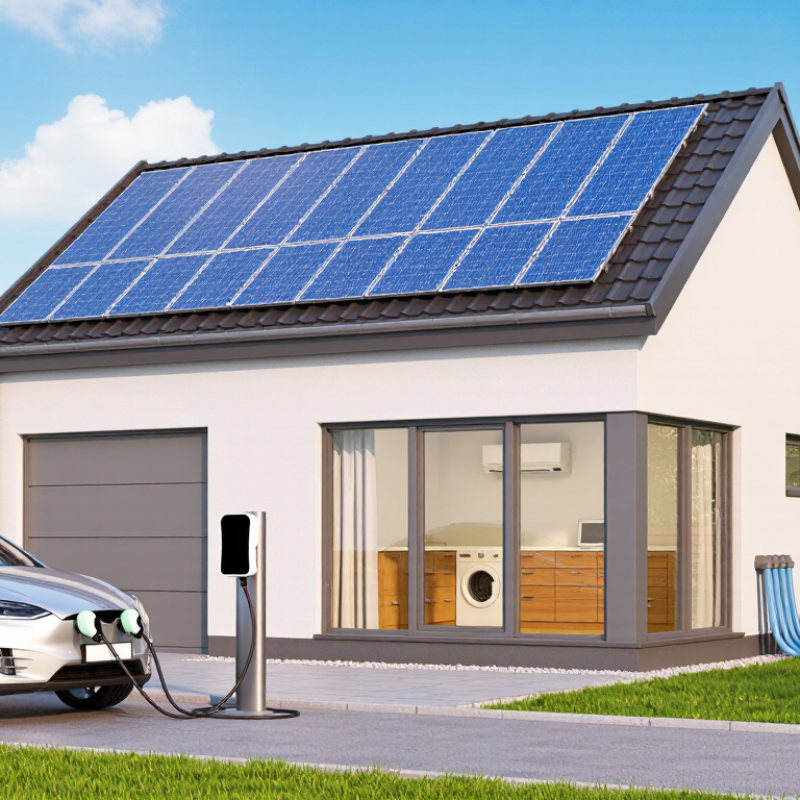
5 Best Ways to Use Excess Solar Energy When Battery Is Full
Assess Excess Solar First: DOE Reports Water Heating Uses About 18% of Home Energy
When the battery reaches full charge, solar power should serve useful household loads. The U.S. Department of Energy reports that water heating uses about 18% of home energy. That makes hot water a practical target. A controller can heat an insulated tank during sunny hours. Even a simple timer can move heating from evening to midday. Check the tank temperature carefully. Excessive heat wastes energy and may create safety risks.
Laundry and dishwashing can run while sunlight is strongest. Cooling the home before late afternoon may reduce evening electricity demand. Cooking lunch with solar power can also use energy immediately. If an electric vehicle is available, scheduled daytime charging offers another flexible load. These choices work best when appliances have clear power settings. They also depend on local electrical rules and household routines.
Real homes are less predictable than energy charts. Clouds arrive, guests take longer showers, and timers sometimes run at the wrong hour. I would monitor daily solar production before buying new equipment. A plug-in meter or inverter record can reveal useful patterns. Water pipes should be insulated, and heaters should receive professional checks. Sending unused power to the grid may still be sensible when export rates are favorable. A larger system is not automatically better. Past bills, local regulations, and actual hot-water demand should guide the decision.
| Rank | Use of Excess Solar | Relevant Energy Context | Best Operating Window | Practical Operating Method | What to Assess First |
|---|---|---|---|---|---|
| 1 | Heat Domestic Water |
About 18% Water heating accounts for approximately 18% of household energy use according to the U.S. Department of Energy. |
Late morning to mid-afternoon, when solar production is usually strongest. | Schedule electric water heating during surplus-production periods, while maintaining the temperature and safety limits specified by the equipment manufacturer. | Confirm tank capacity, heating method, household hot-water demand, temperature settings, and whether an automatic control can respond to surplus solar. |
| 2 | Charge an Electric Vehicle | A flexible electrical load that can often be shifted to daylight hours instead of charging during evening demand. | During the solar surplus period, with charging completed before the vehicle is needed. | Set a daytime charging schedule or adjust the charging rate so the vehicle uses available solar power without exceeding the home's service capacity. | Review daily driving needs, required departure time, charging power, electrical-panel capacity, and local electricity export or time-of-use rules. |
| 3 | Pre-Cool or Pre-Heat the Home | Space heating and cooling can be significant household loads, but savings depend on insulation, weather, equipment efficiency, and comfort preferences. | Use a moderate temperature adjustment before the evening period, rather than creating an excessive indoor temperature change. | Shift some heating or cooling to sunny hours and use the building's thermal mass to reduce later grid consumption. | Evaluate weather forecasts, insulation, indoor comfort limits, heat-pump efficiency, thermostat controls, and whether the system can operate safely at the planned schedule. |
| 4 | Run Pool or Well-Water Pumps | Pump motors are schedulable loads that can often operate for several hours without needing to run continuously. | Daylight hours, preferably in shorter periods that match the available solar surplus. | Run filtration, circulation, or water-pumping equipment when solar output is high, using the minimum operating time required for water quality and household needs. | Check required daily run time, motor power, water-quality requirements, pump controls, and whether repeated starts could increase equipment wear. |
| 5 | Schedule Household Appliances | Dishwashers, washing machines, dryers, and other flexible loads can consume surplus electricity when their timing is not urgent. | Around the period when the battery is full and solar generation remains above household demand. | Run one or more flexible appliances during the solar surplus, prioritizing efficient equipment and avoiding simultaneous operation that exceeds available power. | Assess appliance power ratings, cycle duration, noise restrictions, safety requirements, and whether the load can be delayed without affecting daily routines. |
Assessment principle: First measure the size, duration, and frequency of the surplus after essential household loads are served. Export compensation, interconnection rules, equipment limits, and time-of-use rates vary by location, so local utility and electrical requirements should be verified before changing operating schedules.
Direct surplus solar power to useful household loads. Water heating is a practical option. Laundry, dishwashing, cooling, and cooking can also use midday electricity. Curtailing production wastes available energy. Clouds happen.
Water heating uses about 18% of household energy. A controller can heat an insulated tank during sunny hours. A simple timer may shift heating from evening to midday. Check the tank temperature carefully. Excess heat wastes energy and creates safety concerns.
Yes, daytime charging can absorb substantial surplus electricity. Many electric-vehicle batteries exceed 50 kilowatt-hours. A two-hour session may reduce evening grid demand. Check the vehicle’s charging limit first. Keep enough battery for unexpected trips.
Washing machines and dishwashers can operate during the solar window. Cooking lunch also uses energy immediately. Cooling rooms before late afternoon may reduce evening demand. Choose appliances with clear power settings. Simple schedules work best, but not perfectly.
No. Compensation depends on local tariffs, connection rules, and timing. Some plans credit exported electricity against future use. Others pay a fixed rate per kilowatt-hour. Compare export payments, import prices, annual fees, and equipment costs.
Compare the export credit with your retail electricity price. Then check whether water heating or vehicle charging provides greater value. A noon meter reading can show how much electricity leaves the home. The result may change during winter.
Record daily solar production, battery status, and household demand. An energy monitor or inverter record can reveal useful patterns. Note cloudy days, evening usage, and hot-water demand. Measure before buying. My first estimate might be wrong.
Insulate accessible hot-water pipes and arrange professional heater checks. Set safe tank temperatures and avoid uncontrolled heating. Review timers monthly because weather and routines change. Local electrical requirements still matter. Recheck everything.
When asking what happens to excess solar energy when the battery is full, the answer depends on how the home is configured. Instead of allowing surplus power to go unused, homeowners can first assess their remaining energy needs. Water heating is a practical option because it represents a significant share of household energy use, and a storage tank can hold surplus electricity as heat at relatively low cost. This approach can reduce the need to draw power later in the day.
Another useful choice is charging an electric vehicle during peak midday production, especially when its battery capacity is larger than the home battery. If neither water heating nor vehicle charging is needed, exporting electricity to the grid may provide value, depending on the local net-metering or feed-in arrangement. Smart controls can further improve results by automatically scheduling flexible loads, such as heating, cooling, or appliances, when solar output is highest. Together, these strategies increase self-consumption, reduce waste, and help households make better use of their solar investment.

 Luzz Solar