Understanding how temperature affects solar panel efficiency is crucial for buyers. Solar panels perform optimally at lower temperatures. According to the National Renewable Energy Laboratory, panel efficiency declines by about 0.5% for each degree Celsius increase beyond 25°C. This relationship between temperature and performance is vital for anyone considering solar investments.
Higher temperatures reduce the voltage and, consequently, the overall energy output of solar panels. A study by the Institute of Electrical and Electronics Engineers highlights that extreme heat can lead to significant energy losses. Buyers should be aware that while solar panels are rated under standard test conditions, real-world performance may vary. This discrepancy prompts reflection on location and climate conditions.
Moreover, buyers need to consider the trade-off between initial costs and long-term efficiency. Installation in hotter climates might require investment in better cooling systems or more efficient panels. Understanding how temperature impacts solar panel efficiency enables informed decisions. By considering these factors, buyers can enhance their solar energy system's performance and longevity.
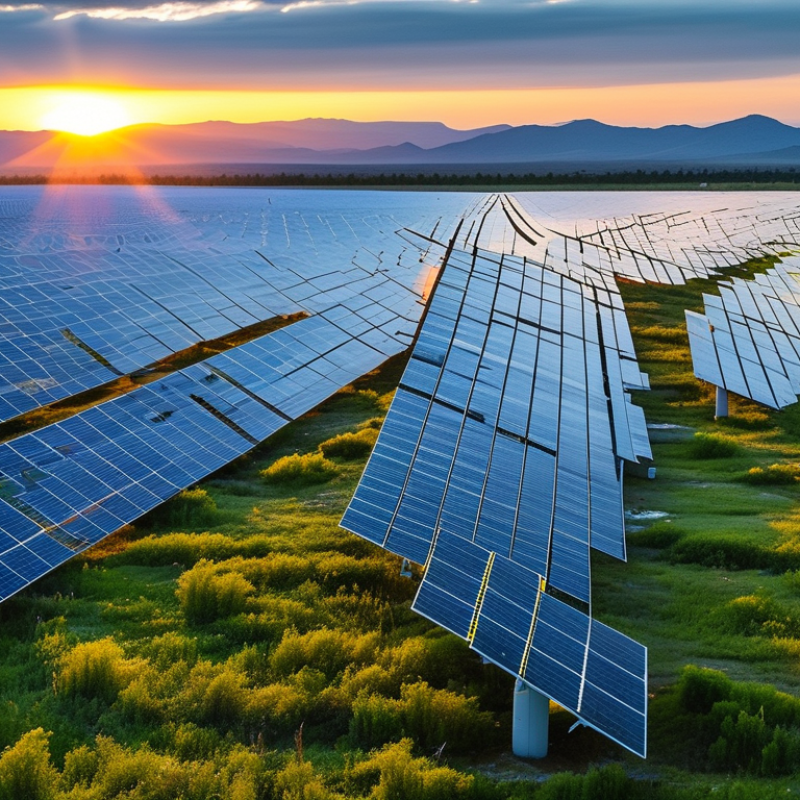
Solar panel efficiency is crucial for maximizing energy production. This efficiency measures how well a solar panel converts sunlight into electricity. Factors like temperature, shading, and angle can all affect this process. Understanding these factors helps buyers make informed decisions.
Temperature plays a significant role in solar panel performance. While solar panels are designed to harness sunlight, they can also be negatively impacted by heat. As temperatures rise, the efficiency of most panels tends to decrease. This is counterintuitive, as many believe sunny days are optimal for solar energy production. However, an increase in temperature can lead to reduced voltage output.
Buyers should consider regional temperature averages when selecting solar panels. In hotter climates, investing in high-quality panels that handle heat better may lead to greater overall energy yield. Each installation and environment are unique, sometimes leading to unexpected results. It's essential for homeowners to research and weigh their options carefully, even if that means questioning initial choices.
Temperature plays a crucial role in the efficiency of solar panels. As temperatures rise, solar panels may generate less electricity than expected. This is mainly due to the properties of silicon, the primary material used in most solar panels. Excess heat can reduce the voltage output, leading to lower overall performance.
In warmer conditions, solar panel efficiency can drop significantly. For instance, a temperature increase of just a few degrees can result in a decline of about 0.5% to 1% in efficiency. This means that in hot climates, buyers should consider the impact of temperature when evaluating potential energy production. Understanding this is essential for making informed decisions about solar energy investments.
Moreover, it is essential to note that not all panels react the same way to heat. Some technologies may perform better in higher temperatures compared to others. Therefore, buyers should research their options carefully. A thorough assessment of local climate conditions can help determine the best solar panel type for specific needs. This reflection on performance metrics can guide buyers towards more efficient energy solutions.
Temperature significantly influences solar panel efficiency. Different types of panels operate optimally at specific temperature ranges. Monocrystalline panels, for instance, work best between 15°C and 25°C. When temperatures rise above this range, their efficiency decreases. A study from the National Renewable Energy Laboratory indicates that for every 1°C increase beyond 25°C, efficiency drops by approximately 0.5%.
Polycrystalline panels have a similar pattern but handle higher temperatures slightly better. Their optimal range is generally between 20°C and 30°C. Interestingly, thin-film panels can perform well even in extreme heat, with an optimal range from 25°C to 40°C. However, high temperatures still affect all types negatively, highlighting a need for cooling solutions.
Understanding these metrics is crucial for buyers. Selecting the right type of solar panel affects long-term energy production and investment returns. Homeowners in hotter regions should consider heat-resistant options or implement shading techniques. This decision directly impacts overall efficiency and financial benefits. Energy loss due to temperature should be a critical factor for any potential solar panel buyer.
Heat significantly affects solar panel efficiency. As temperatures rise, most solar panels lose effectiveness. A study by the National Renewable Energy Laboratory (NREL) indicates that for every degree Celsius increase in temperature, panel efficiency can drop by 0.5% to 1%. This is critical for buyers who aim to maximize energy production.
Cooling methods play a vital role in maintaining optimal performance. One effective technique is air or liquid cooling, which can reduce panel temperatures significantly. Research shows that solar systems with active cooling can increase efficiency by up to 20%. Another method is the installation of reflective surfaces around panels. This reduces heat absorption and promotes better energy conversion.
However, these solutions can be costly and complex to implement. Not all buyers may have the budget for advanced cooling systems. Simple strategies, like maintaining proper airflow, can also help but may not provide sufficient cooling in extreme conditions. Buyers must weigh these options carefully.
Temperature plays a significant role in the lifespan and durability of solar panels.
Extreme heat can cause materials to degrade faster. Many studies indicate that solar panel efficiency drops by about 0.5% for every degree Celsius rise above 25°C.
This decline affects overall performance. Thus, panels operating in hotter climates may not reach their optimal output, impacting their long-term durability.
Prolonged exposure to high temperatures can also lead to physical stress on the solar cells.
Manufacturers typically test their products at standard conditions. However, real-world conditions vary drastically. This inconsistency can lead to unexpected wear and tear.
Buyers should be aware of this when evaluating solar panel options.
Tips: Regular maintenance can help mitigate temperature impacts.
Ensure proper ventilation around panels. Dust and debris can trap heat, leading to further efficiency loss.
Additionally, consider potential upgrades or replacements as technology advances. Modern panels often have improved thermal management features, which enhance durability and performance.
Keeping an eye on temperature effects may extend the lifespan of your investment.
: Solar panel efficiency measures how effectively a panel converts sunlight into electricity.
Higher temperatures can reduce solar panel efficiency, leading to less electricity production.
Buyers should choose high-quality panels that perform better in heat for greater energy yield.
An increase of a few degrees can lead to a drop of 0.5% to 1% in efficiency.
Yes, some technologies handle heat better than others, affecting overall performance.
Monocrystalline panels work best between 15°C and 25°C.
Yes, thin-film panels can operate well between 25°C and 40°C, though they also experience efficiency loss.
Understanding local conditions helps buyers select the best panel type for efficient energy production.
Implementing shading techniques can help maintain efficiency in heat, impacting energy output positively.
No, buyers should also consider temperature impacts and regional climate when making choices.
Understanding how temperature affects solar panel efficiency is crucial for potential buyers. Temperature variations can significantly impact the performance of solar panels, with higher temperatures typically leading to reduced efficiency. Each type of solar panel operates optimally within a specific temperature range, and exceeding this range can diminish energy output.
To combat this issue, various cooling methods can be implemented to enhance efficiency during hotter periods. Additionally, it’s important to consider the implications of temperature on the lifespan and durability of solar panels. Elevated temperatures can accelerate wear and tear, thus influencing long-term performance and investment. Buyers must be aware of these factors to make informed decisions regarding solar panel installations.

Luzz Solar