Why Is My Grid Tied Solar System Not Working During Outages?

Time:2026-07-19 Author:Oliver
0%

Understanding why your grid-tied solar system does not work during a power outage can be frustrating. Dr. Emily Chen, a renowned expert in renewable energy systems, explains, "Grid-tied systems automatically shut down to protect utility workers." This safety feature is essential for preventing electrical accidents when the grid is down.

In these systems, solar panels generate electricity but are designed to depend on grid power for stability. When an outage occurs, the inverter disconnects from the grid to prevent back-feeding. This disconnection means that your home loses power, even if the sun is shining brightly outside. Many homeowners are caught off guard by this situation, questioning, "why is my grid tied solar system not working during a power outage?"

Understanding this mechanism can lead to important reflections on energy needs. Some people may consider adding battery storage for backup power. Others may rethink their entire energy strategy. It’s crucial to grasp both the benefits and limitations of your solar setup. Without this knowledge, you may find yourself unprepared when the unexpected happens.
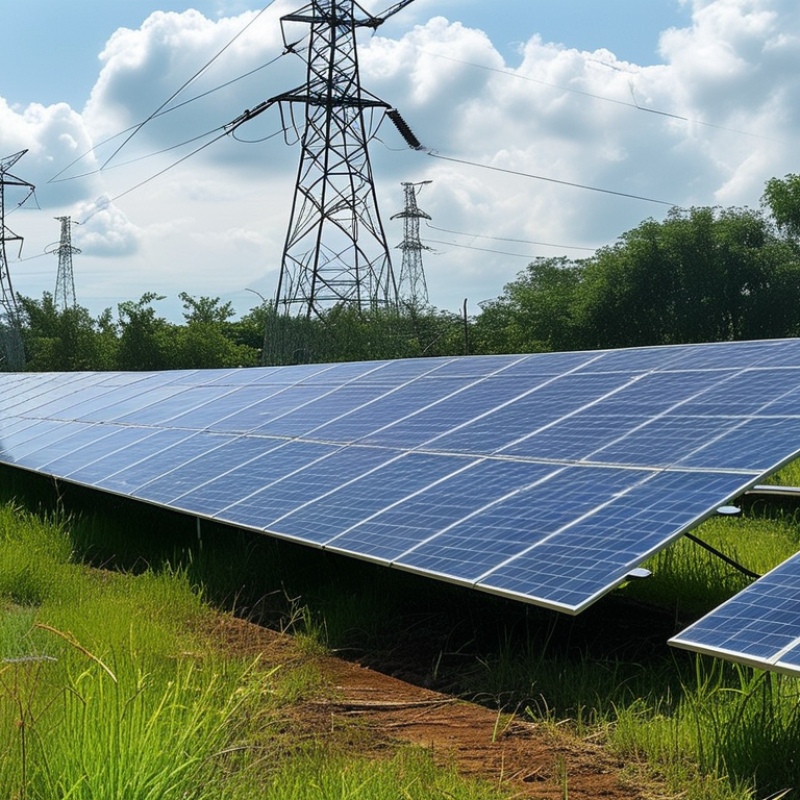
Why Is My Grid Tied Solar System Not Working During Outages?

Understanding Grid-Tied Solar Systems and Their Functionality

Grid-tied solar systems are popular for their ability to harness sunlight efficiently. They rely on a connection to the electrical grid to function. When the grid is operating normally, these systems generate power for your home and send excess energy back to the grid. However, this connection becomes a double-edged sword during power outages.

During an outage, grid-tied solar systems typically shut down automatically. This happens for safety reasons. If the grid goes down, the solar system must also stop to prevent potentially harming utility workers. This design choice leaves homeowners without power, even with a functional solar array atop their roofs. It raises questions about reliability and preparedness for emergencies.

Understanding this limitation is crucial. Many homeowners may feel frustrated when their solar panels fail to provide power during outages. Exploring options like battery storage can enhance energy independence. However, that can lead to increased costs. Investing in a hybrid system could mean more upfront expenses and ongoing maintenance. Balancing immediate needs with long-term reliability might not be straightforward.

The Role of the Electric Grid in Solar Energy Production

Grid-tied solar systems have become popular due to their ability to harness solar energy while remaining connected to the electric grid. However, many users wonder why their systems fail during power outages. The answer lies in the important role of the electric grid in solar energy production. When the grid goes down, these systems shut off to protect utility workers and prevent equipment damage. In fact, according to the Solar Energy Industries Association (SEIA), nearly 90% of solar installations are grid-tied, which means they depend on that external power source.

The Federal Energy Regulatory Commission (FERC) states that grid reliability ensures that renewable systems operate efficiently. During outages, solar panels may generate energy, but without grid connectivity, that power cannot be utilized. This is not a design flaw; it reflects safety protocols. Despite advancements in battery storage, the initial capital costs remain high. A study from the National Renewable Energy Laboratory (NREL) noted that energy storage systems can increase the resilience of solar infrastructure, but adoption rates are still low. Therefore, many homeowners might need to contemplate the limitations of their grid-tied systems seriously.

Users often invest in solar energy expecting uninterrupted power, which can lead to frustration during outages. This highlights the need for reflection on energy independence. While solar energy is a significant step towards sustainability, integrating battery storage solutions can be beneficial. Assessing your energy needs and exploring alternative options can enhance the utility of solar power during outages. The journey towards a fully reliable solar setup requires ongoing evaluation and engagement with emerging technologies.

Reasons for Solar System Inactivity During Power Outages

Many homeowners expect their grid-tied solar systems to provide power during outages. However, this is not always the case. The primary reason lies in how grid-tied systems are designed. These systems automatically shut down during grid failures for safety. This prevents back-feeding electricity into the grid, which could endanger utility workers fixing lines.

Another factor involves the inverter. Inverters must ensure that electricity flows smoothly between solar panels and the grid. When the grid fails, the inverter disables itself to avoid unsafe conditions. Some homeowners may feel frustrated by this feature. They might assume their solar panels would provide power in any situation. Understanding this can help manage expectations.

Investing in battery storage could offer a solution. This allows homeowners to store excess energy for later use. However, this setup comes at a higher upfront cost. It may not be feasible for everyone. Regular maintenance of the solar system is essential as well. Owners should check components regularly to ensure everything works efficiently. This awareness can improve functionality and extend the system's lifespan.

Impact of Solar Inverter Design on Performance During Outages

The design of your solar inverter plays a crucial role in its performance during outages. Most grid-tied solar systems rely on the grid to function effectively. When the grid goes down, standard inverters shut off automatically for safety reasons. This is to prevent back-feeding electricity into the grid, which could pose risks to utility workers.

However, some inverter designs feature battery backup capabilities. These systems can provide power during an outage, enhancing reliability. A hybrid inverter permits energy storage, allowing you to use solar power even when the grid is unavailable. Without this capability, you lose access to solar energy when it’s needed most.

Reflecting on inverter options can be vital. Many homeowners may not realize the limitations of their current systems until an outage occurs. This can lead to frustration and confusion. It’s essential to evaluate your energy needs and explore alternatives that offer backup solutions. Being prepared means enjoying solar benefits regardless of grid status.

Impact of Solar Inverter Design on Performance During Outages

This bar chart illustrates the performance of different types of solar inverters during power outages. It highlights how various designs can affect the ability of a grid-tied solar system to operate in such scenarios.

Exploring Solutions for Off-Grid Functionality in Solar Systems

When a grid-tied solar system fails during power outages, it can be frustrating. Many homeowners rely on solar energy for efficiency and sustainability. However, these systems often lack off-grid capabilities. This means they shut down when the grid goes down. This is a safety feature designed to protect utility workers but can leave users without power.

Exploring solutions for off-grid functionality is crucial. One option is adding a battery storage system. This allows excess solar energy to be stored for use during outages. However, batteries can be costly and require maintenance. Many people may not be aware of their battery options. Additionally, not all solar setups are compatible with battery systems.

Investing in a hybrid system may be worthwhile. Hybrid systems combine solar panels with grid power and battery storage. They offer greater flexibility. Yet, they come with complexities that demand professional installation and configuration. Some users may overlook these details when planning their solar installation. Smart planning and education can lead to a more reliable solar experience.

Why Is My Grid Tied Solar System Not Working During Outages? - Exploring Solutions for Off-Grid Functionality in Solar Systems

Issue Description Possible Solution Cost Estimate ($)
Inverter Shut Down Grid-tied inverters typically shut down during outages to prevent backfeeding. Install a battery backup system or hybrid inverter. $2,000 - $5,000
No Battery System Without batteries, excess solar energy cannot be stored for use during outages. Add a battery storage solution. $5,000 - $10,000
Manual Switching Systems may require manual switching to off-grid mode. Utilize an automatic transfer switch (ATS). $500 - $1,500
Regulatory Compliance Local regulations may prevent grid-tied systems from functioning off-grid. Consult with local authorities for compliance solutions. Variable
System Size Insufficient solar capacity may limit functionality during outages. Consider upgrading to a larger solar array. $3,000 - $7,000

FAQS

: What happens to grid-tied solar systems during power outages?

: They typically shut down to protect utility workers and prevent damage. Homeowners then lose power.

Why do homeowners feel frustrated with their solar systems?

Many expect uninterrupted power but face outages without backup solutions. This can be disappointing and raises concerns.

How can homeowners enhance energy independence?

Exploring battery storage options can help store solar energy for outages. However, batteries increase costs and complexity.

What is a hybrid solar system?

It's a setup that combines solar panels, grid power, and battery storage. This offers more flexibility but requires professional installation.

Are battery storage systems compatible with all solar setups?

No, not all systems can integrate with battery storage. This can limit options for users seeking reliability during outages.

What should homeowners consider before installing solar?

Assess your energy needs and potential costs. Not planning carefully can lead to dissatisfaction if the setup fails during outages.

How significant is battery storage for solar systems?

It can increase resilience and potential utility. Still, adoption rates remain low due to high initial costs.

Are there safety risks when the grid goes down?

Yes, solar panels can generate energy, but without grid connectivity, that power isn't usable, highlighting inherent safety protocols.

What role does the electric grid play in a solar system's functionality?

The grid ensures that solar systems operate efficiently. If it fails, grid-tied systems shut down for safety reasons.

How can users evaluate their solar solutions?

Continuous assessment and education about emerging technologies can improve the reliability of their solar experience.

Conclusion

Grid-tied solar systems are designed to generate electricity by harnessing solar energy and relying on the electric grid for additional power balance. However, many users often wonder, "why is my grid tied solar system not working during a power outage?" This issue arises primarily because these systems are equipped with safety features that prevent them from operating during grid failure to protect utility workers and ensure system integrity.

The dependency on the electric grid means that when a power outage occurs, grid-tied solar systems typically shut down to avoid back-feeding electricity. Additionally, the design of solar inverters plays a crucial role in this functionality, as they are programmed to disconnect from the grid under such circumstances. To address these limitations, exploring solutions such as hybrid systems or battery storage can provide off-grid functionality, allowing solar systems to operate independently during outages.

Oliver

Oliver

Oliver is a seasoned marketing professional with a wealth of expertise in driving brand awareness and engagement. With a deep understanding of our company's product offerings, he consistently delivers high-quality content that enriches our professional blog. His insights not only shed light on......